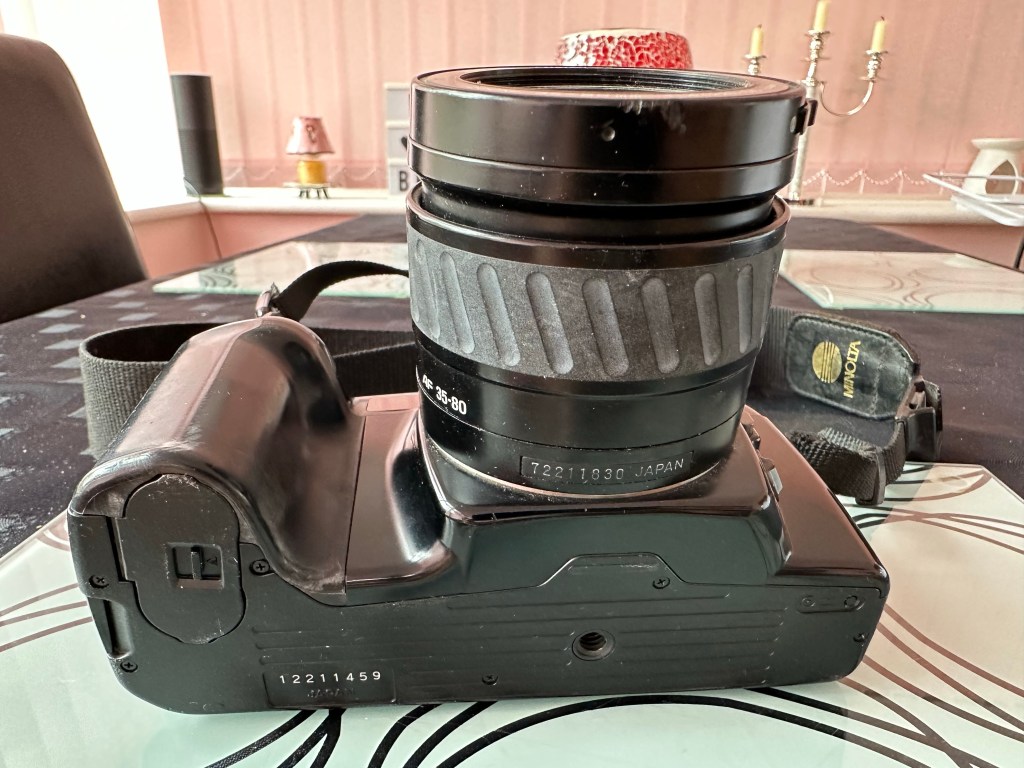
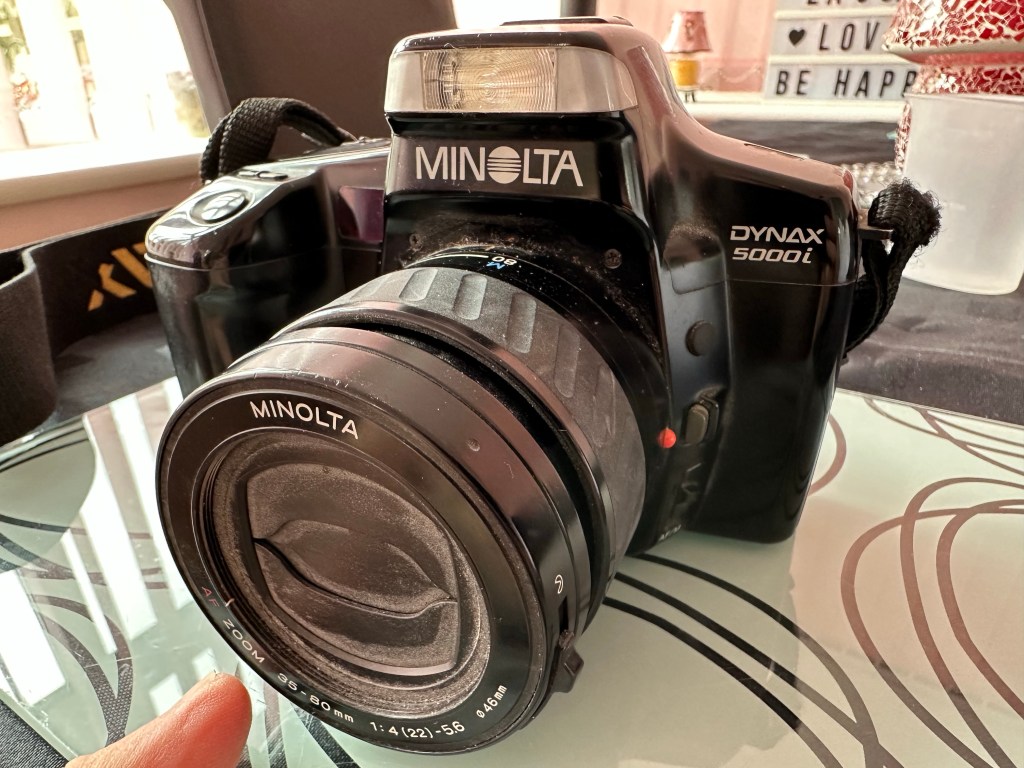
Minolta Dynax 5000i

Found this on my doorstep when I arrived home from work today. After making some enquiries it transpires that a family member donated it to me as they haven’t used it in about 20 yrs. Knowing that I mess with cameras at the cheaper end of the spectrum he thought that I may find a use for it. I have gratefully accepted this gift.

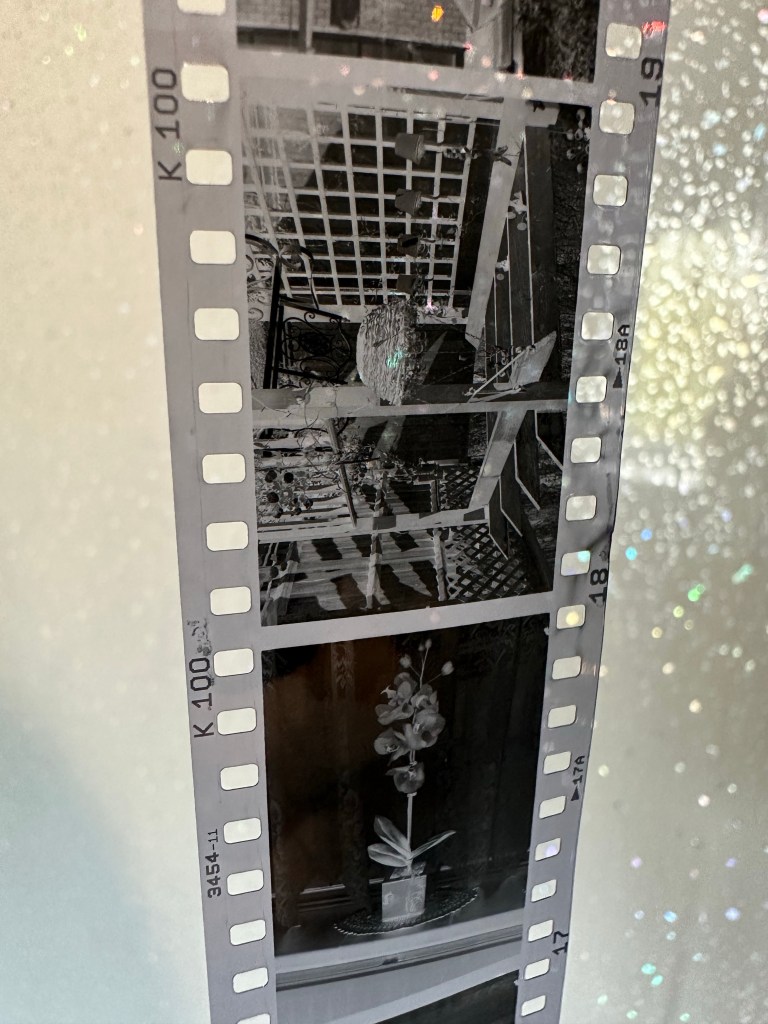
After speaking with the donor he doesn’t remember there being any issues with it, he wasn’t aware there is already a film in it so I will process this for him and see what if anything comes of it.

This camera was circa 1989 and was a strange beast in that the programmable modes we take for granted on SLR cameras today, had to be purchased as individual plug in cards for this camera. I guess was kind of like VHS versus Betamax back in the day and as things developed in the market I guess Minolta put this idea back to bed as a non starter.

This camera looks in great condition apart from wear and tear dust/dirt and initial checks of the lens show no evidence of fungal damage, the camera does not have that musty smell associated with age so I can only presume it has been stored correctly.

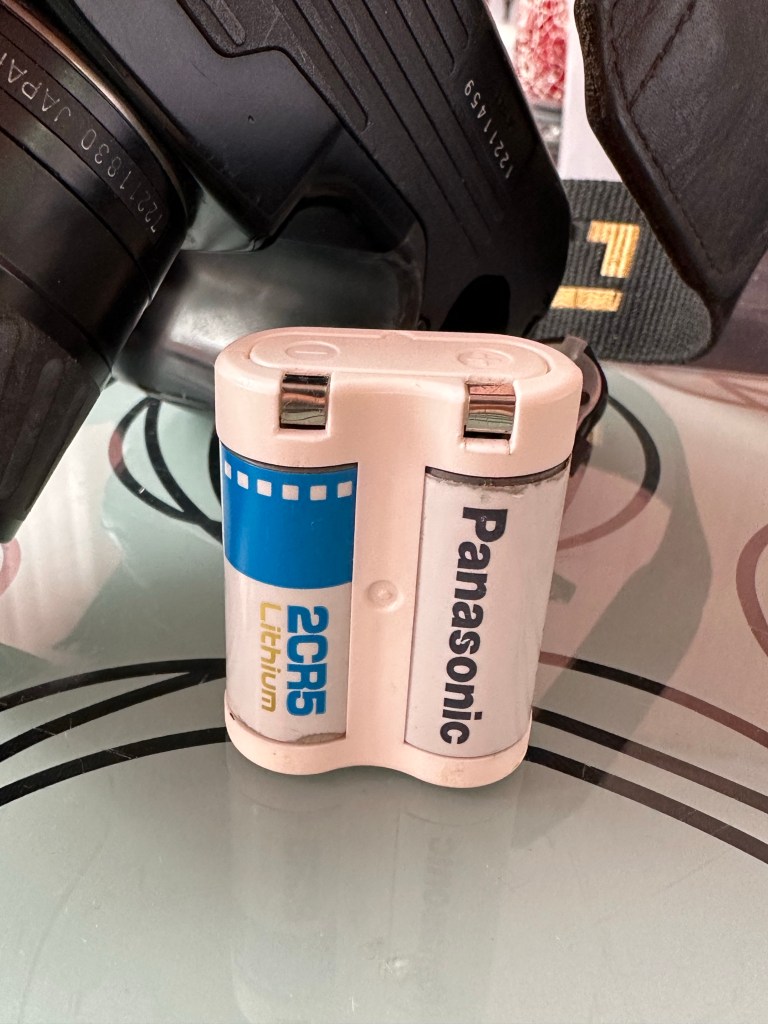
These cameras also work off a 6v lithium battery the 2CR5. Still available it retails for around £6-8 gbp. Again Minolta could have used a rechargeable but this was probably just at the beginning of that technology becoming widely available.

2CR5 6v Lithium battery

Information regarding this camera can be found here Minolta Dynax 5000i courtesy of Camerawiki.org

So, apparently these cameras are popular in the Lomography world. I’m going to give it a good clean/overhaul get a new battery and run a film through it to test. Not a lot to do so hopefully I’ll fit it in somewhere along the line soon. Keep checking back to see how things progress.

Thanks for passing by, always appreciated 👍

Olympus 35 ECR – complete

I have processed the roll of Kentmere 100 at home today, it’s currently drying in the shower and I’m really pleased with what I’ve seen so far. The carriage of the camera is working well with even spacing, exposures look promising and no sign of fogging proving the new light seals are good.

I’m yet to run the negatives through the scanner, still waiting for them to dry but when they do I will post a gallery here. Gallery – Olympus 35 ECR trial roll

The camera in my eyes is now in good working condition, all that I did with it has proven beneficial and I’m adding this into my personal collection.

Olympus 35ECR now in storage

I’ve now packed it in a bag with all the air extracted and a couple of silica bags to stop any potential moisture. I do this to all the cameras I store for their protection and to save me having to go through the whole process of maintaining them again.

I’ve enjoyed this little project and am now happy to say….

Job done 👍

Halina A1 Reflex focus glass clean & other issues

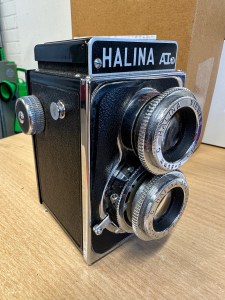
Just an update of what’s going on with the old Halina TLR.

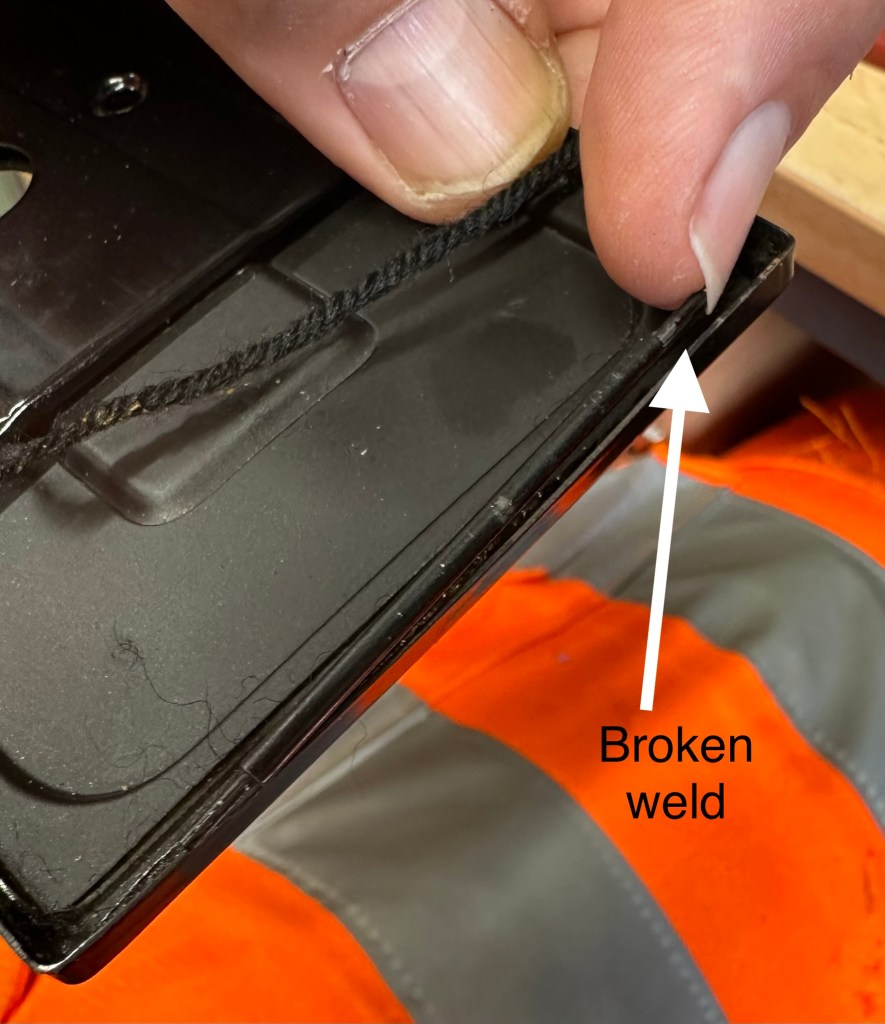
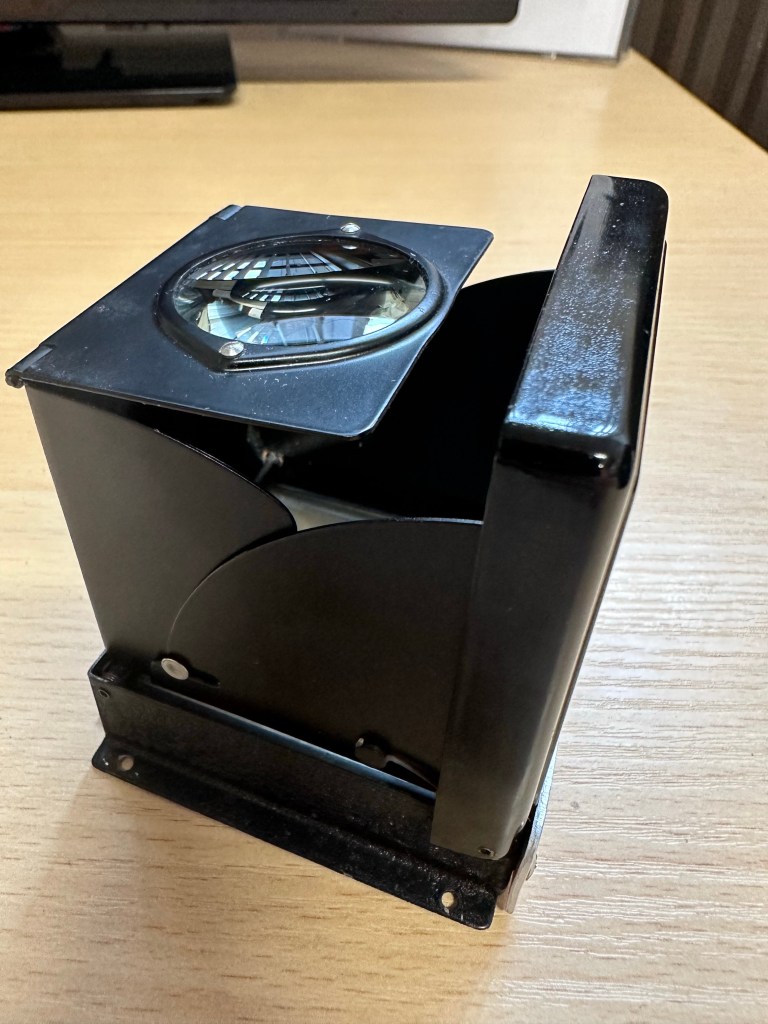
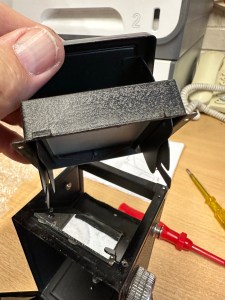
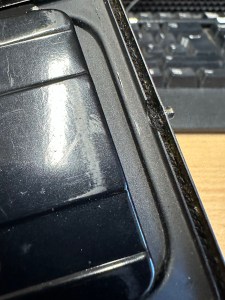
Today I have tinkered with the ground focus screen, and hood and related springs and hinges. the majority are fine but I’ve found a hinge on the rear door that has a broken weld on one side, I discovered this as I began to clean the old light seal around the back door prior to putting some fresh seal in place. I’ve stopped at seeing this as I am going to put a repair in place so as not to stress the other side of the hinge that seems to be holding. Another head scratching moment whilst I seek a solution.

Halina A1 Reflex broken door weld

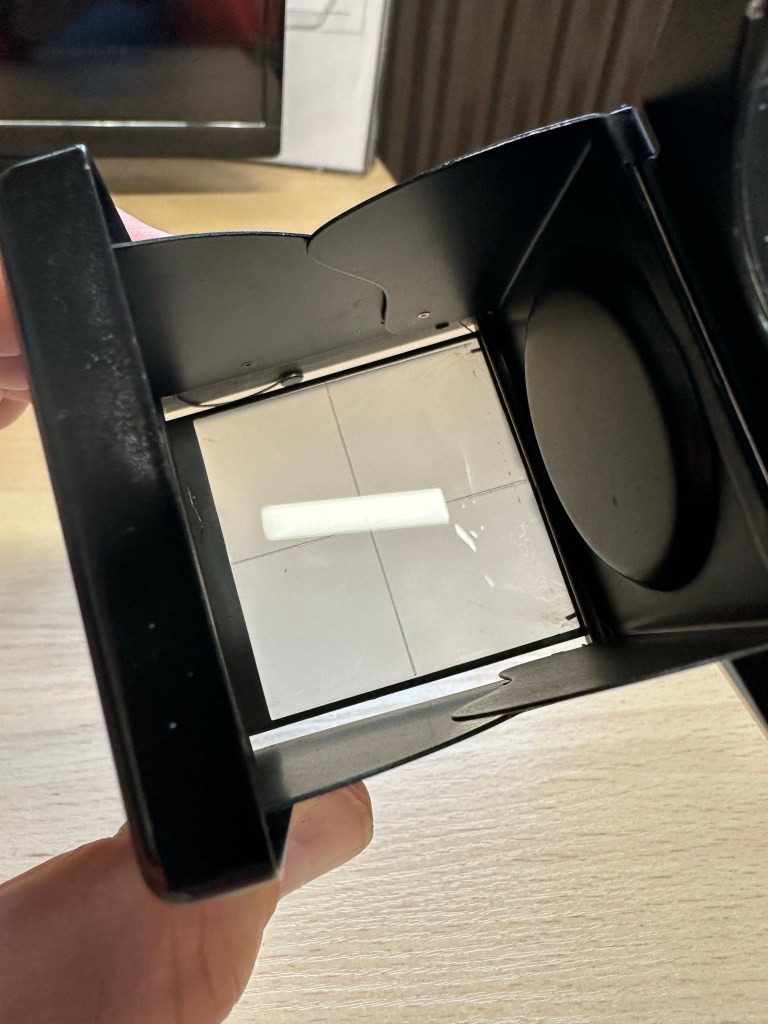
The focus screen required me to remove a couple of 60 year old springs, this went well, they are ok and I’ve cleaned them as well. The ground glass screen has been cleaned as well as all surrounding metalwork and hinges and all looks good. All went back together with no real issues.

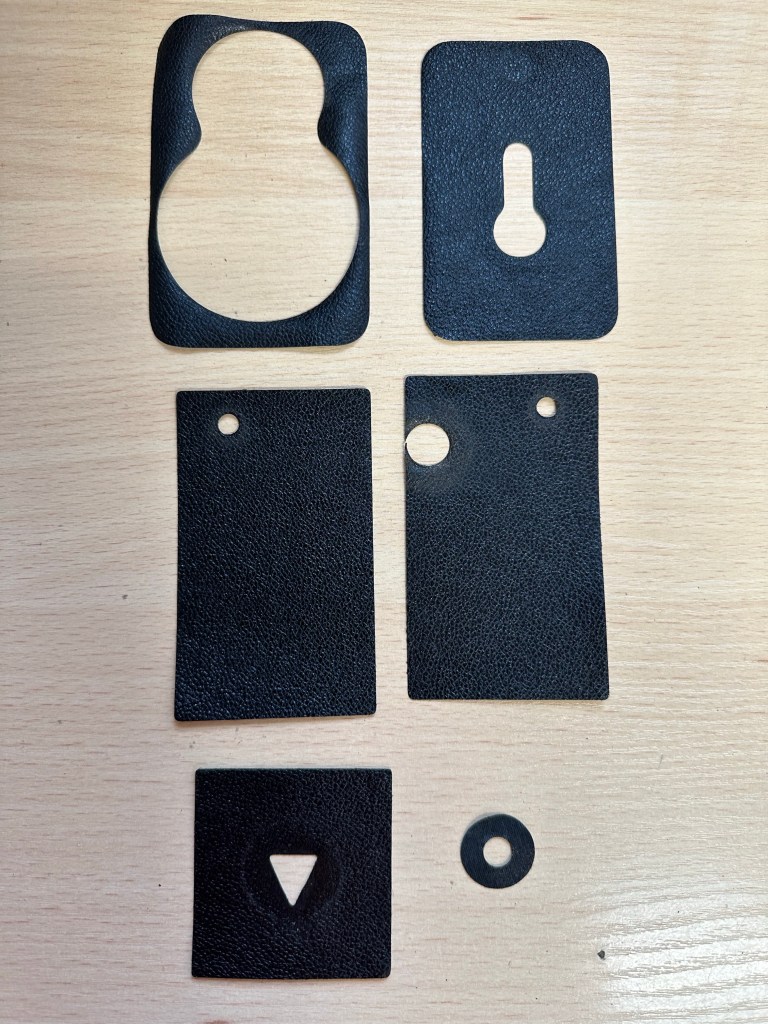
Just preparing for cutting the new leatherette for the camera, today I have just made some templates and measurements for the eight pieces that need to be cut for this camera.

Halina A1 Reflex new skin templates

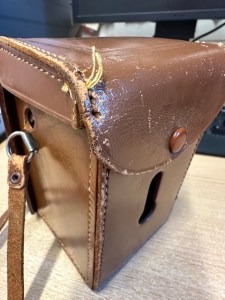
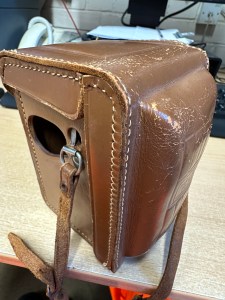
Stage one of ridding the case of the dank musky smell has begun today. It’s sitting in the sunniest place I can find on a shelf at work, and in a week or so I will be placing it in an airtight bag with some silica gel packets and some suggested fragrance for a further couple of weeks to see what happens.

Currently still awaiting the right time to open the lens up and start removal of that lens fungus.

Work continues…..

Chemistry….

I have used many brands of film processing chemicals over the years, mixing batches of over 500 litres right down to the smaller amounts used with Patterson tanks for home processing and that’s where I am today.

For the next few films I process at home I will be using a set of chemicals I’ve not really used before however I have heard some good things about them so I’m willing to give them a try. If it doesn’t work I can always default to my previous plan of using my old reliable setup I’ve used in the past.

Thinking of processing your own film? Check this link below at Digital truth to see process times for all kinds of films in all kinds of developers – it’s an incredible source of information for photographers of all abilities.

Digital truth – Massive Dev Chart

I batch mix my fixer a litre at a time as it stores well in collapsible bottles and I should be able to do a good few films and reuse the chemicals, you just need to monitor the time it takes for the fixer to clear the film as this indicates if it needs replacing or not. General rule of thumb is it should clear almost instantly on fresh chemicals, however give it at least 4 minutes to clear the film, and as the time increases to take between 8 – 10 minutes to achieve the same result, then it’s probably worth mixing a new batch. Disposal of spent chemicals should always be done responsibly following local guidelines.

Collapsible film chemical bottles

I’m not too concerned if the new setup doesn’t get the desired results, I’m using some old film to test the old cameras I’ve fixed, so I’m happy to go back and reshoot some pictures if I have to, it’s a classic case of suck it and see.

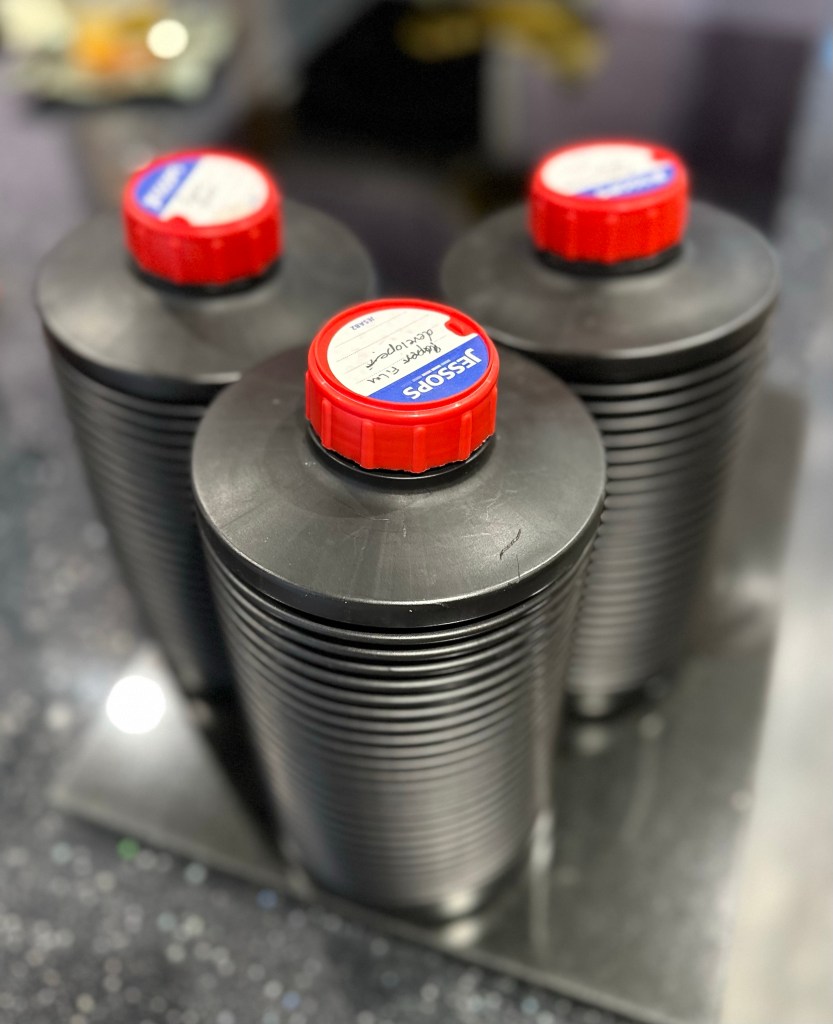
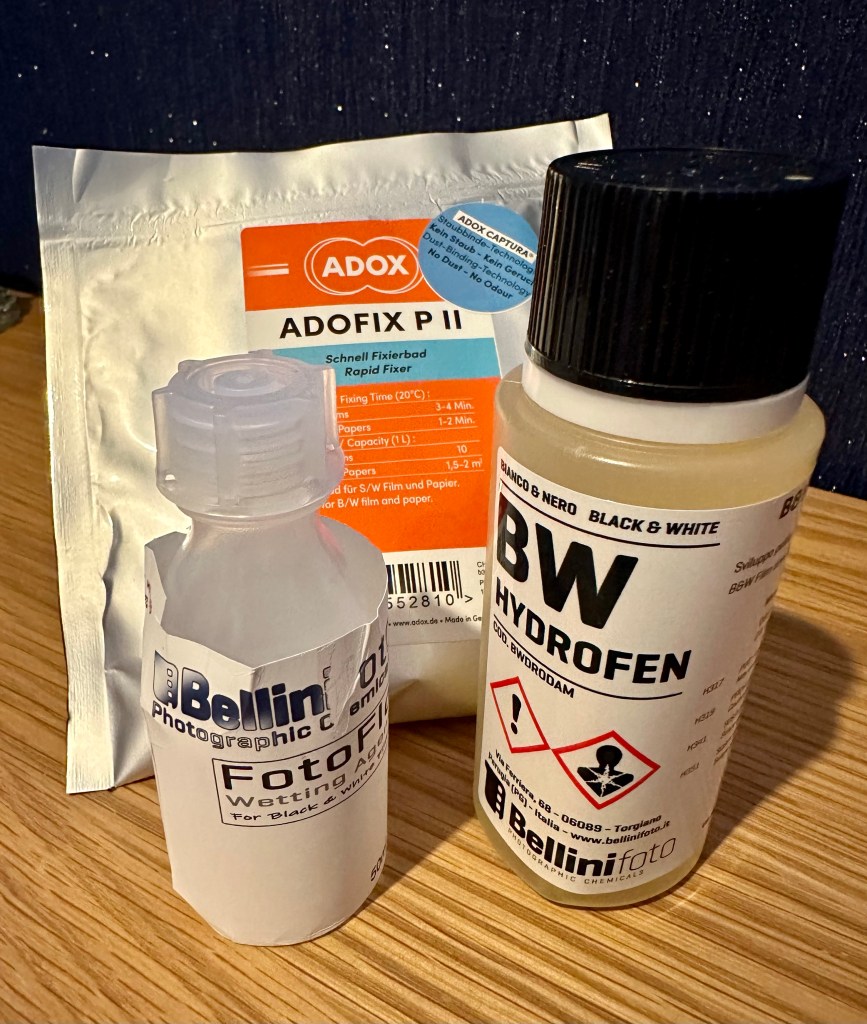
The developer I will be using is Bellini Hydrofen, (comparable to Kodak D76 or Ilford ID11) I mix this as and when needed in quantities of around 300ml (for a single 35mm film) as it doesn’t store, and needs to be used on the day as such. I don’t usually use a stop bath as such I just use some water. I will also be using their photo flow as a uniform drying solution but to be honest this isn’t really necessary.

New processing chemicals

The fixer I will be making in a 1L batch is Adox Adofix P, it’s a simple enough mix so I’ll quickly go through it with you.

Developer

  • Mix is 1-39 so if I need 300ml I just divide that figure by 40 (300 / 40 = 7.5) so I know I need 7.5ml of solution and then just top up to 300ml with water in the measuring jug. Simple – that’s the developer made. Just ensure it’s at 20 degrees centigrade temperature wise.

Stop bath

  • Simple, just water – let’s move on

Fixer

  • Again this is easy. I have a pouch of powder to make 1L of solution. Put approx 700ml of water at a temperature between 20-26 degrees Celsius in your measuring jug, mix in the powder and when this has dissolved just top up with water to the 1L mark. Simple – then decant into your storage bottle and the job is done.

So that’s the chemistry done, now to put it all into action to process the first film I have used to test a recent camera I have worked on. The camera is the Olympus 35 ECR and the film will be a roll of Kentmere 100 B/W that expired about 4 years ago. I will cover this in a later post. Thanks for browsing my ramblings 👍

Halina A1 Reflex dismantled

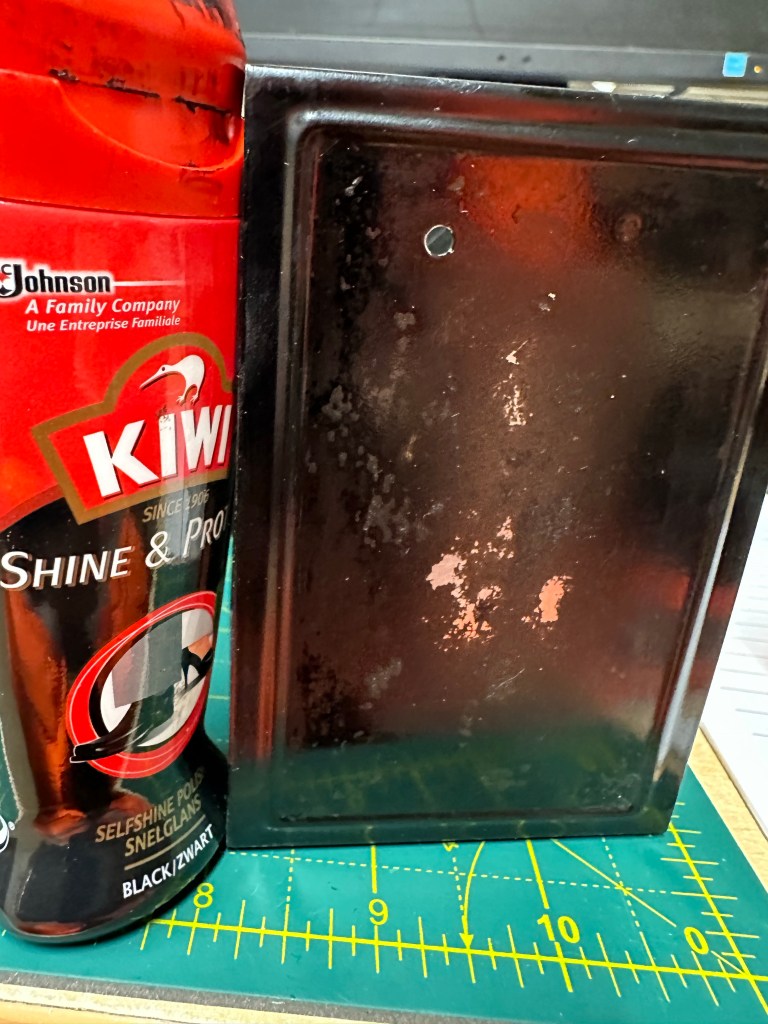
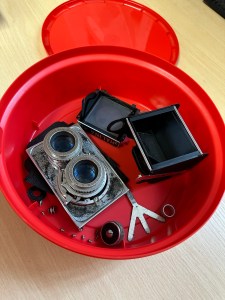
Yes. You are right the picture is of a chocolate box and not an old camera. However today in a quieter period I have dismantled in it’s entirety the Halina A1 Reflex camera – the smelly one that’s right 👍

The lovely thing about this camera is that it is easy to dismantle right down to its original body shell as most of the parts are held together by screws and not rivets. This has allowed me a lovely scope for putting new leatherette on the body as I’ve been able to move all winders, locks and strap holders giving me a naked body as such to work on.

However the old leather has been kept to be used as templates for the new skin that will be attached. Firstly though it’s clean, clean, clean to remove the old adhesive and to replace some light seal within that is literally just two black pieces of string, I will upgrade this with some new up to date light seal though. I will clean everything removed today and only then will I attempt reassembly.

The lens assembly is going to have to be opened and recalibrated as I need to get inside to treat that fungus that was reported in earlier posts.

Halina A1 Reflex old leather panels

I have damaged a couple of small screws here that I will need to replace, couldn’t be helped as they’ve probably not moved since the day the camera was assembled. Nice to be able to do this project in small chunks due to the ease of disassembly. May need to get another sheet of leatherette as the sheet I have may not be sufficient for this task.

Only problem is still the stale old smelling case…but I’m looking into it and will share what I do with it at a later date.

Olympus 35-ECR ready to test.

  • Batteries – check
  • Film – check
  • All lights, switches and gauges working – check
Olympus 35-ECR

The little Olympus I’ve been working on is now ready to be tested. It’s all working as well as I can see and has new battery adaptors and a new light seal around the camera. Has been cleaned as best as I can however now is the time to give it a proper run out. I have a roll of Kentmere 100asa B/W film that expired about 3-4 years ago so hopefully I’ll get something from this barring disaster.

Sunbury on Thames

Going to be in Sunbury on Thames for a few days so I’m hoping I can get some nice pictures of the Thames and surrounding areas.

When I get back I’ll develop the film at home and scan it myself for results. Fingers crossed 🤞 it all performs ok, if not then it’s back to the drawing board.

Here we go…. Wish me luck 🍀

Halina A1 Reflex shutter and Fungus

Managed to get the shutter firing after a while of blasting with compressed air and constantly cocking and firing the mechanism until it clicked into life. Probably stiff due to not being used for a number of years and left in storage. When I get the unit apart I will help it along with a little clock oil.

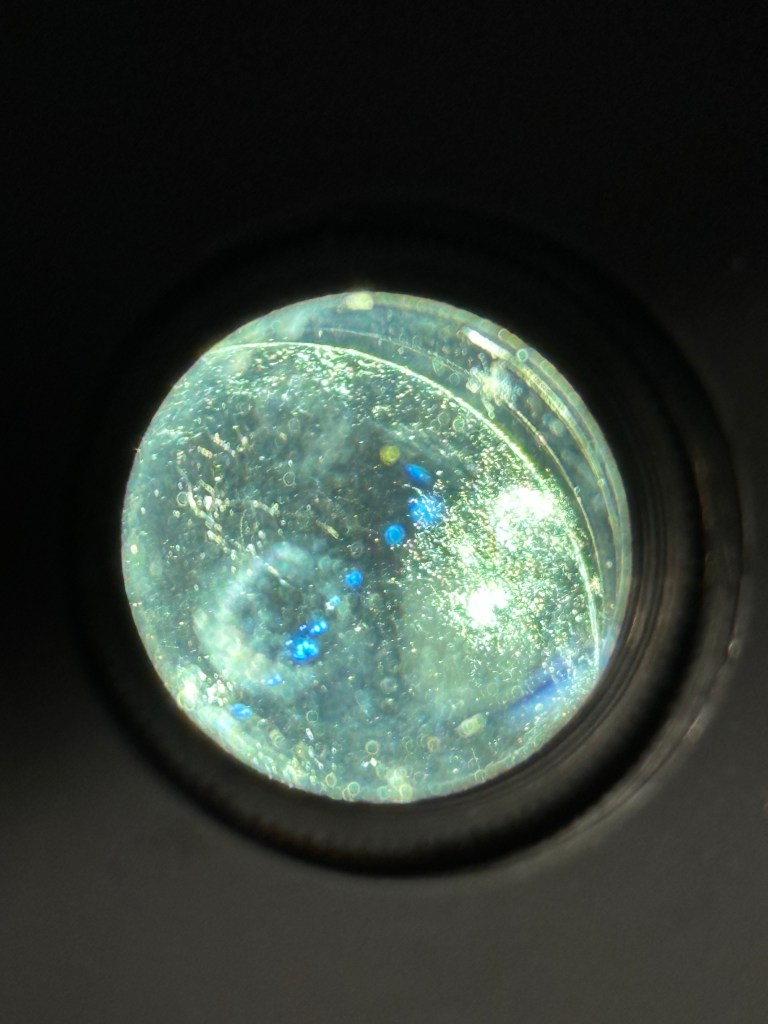
Halina A1 Reflex lens fungus

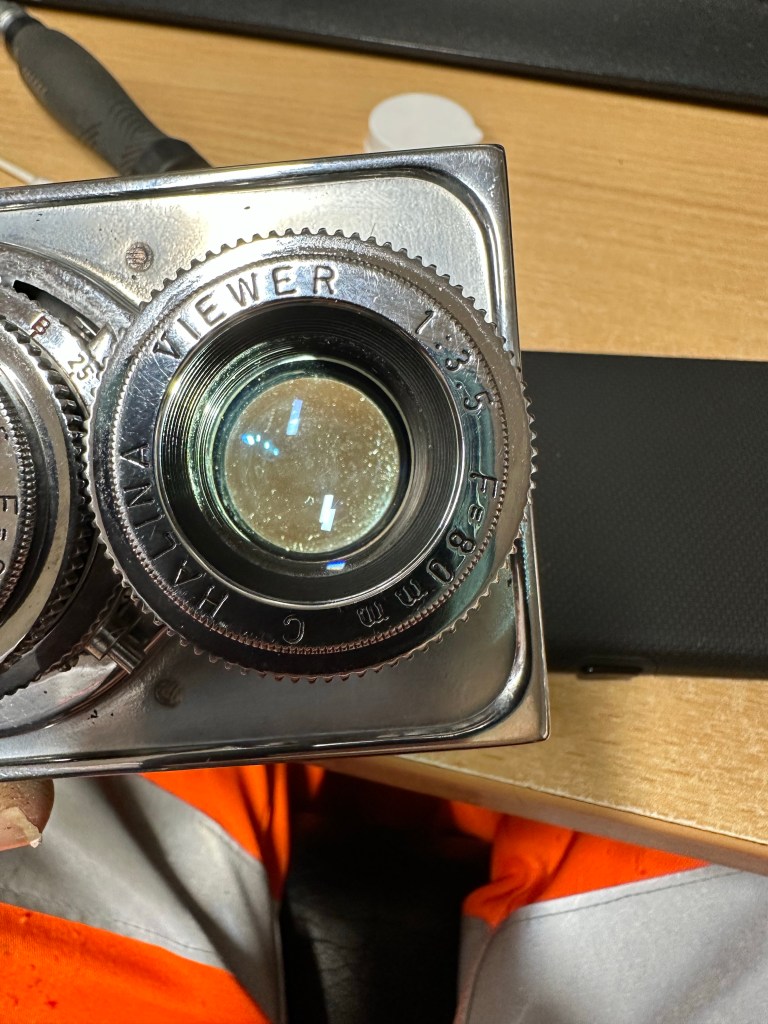
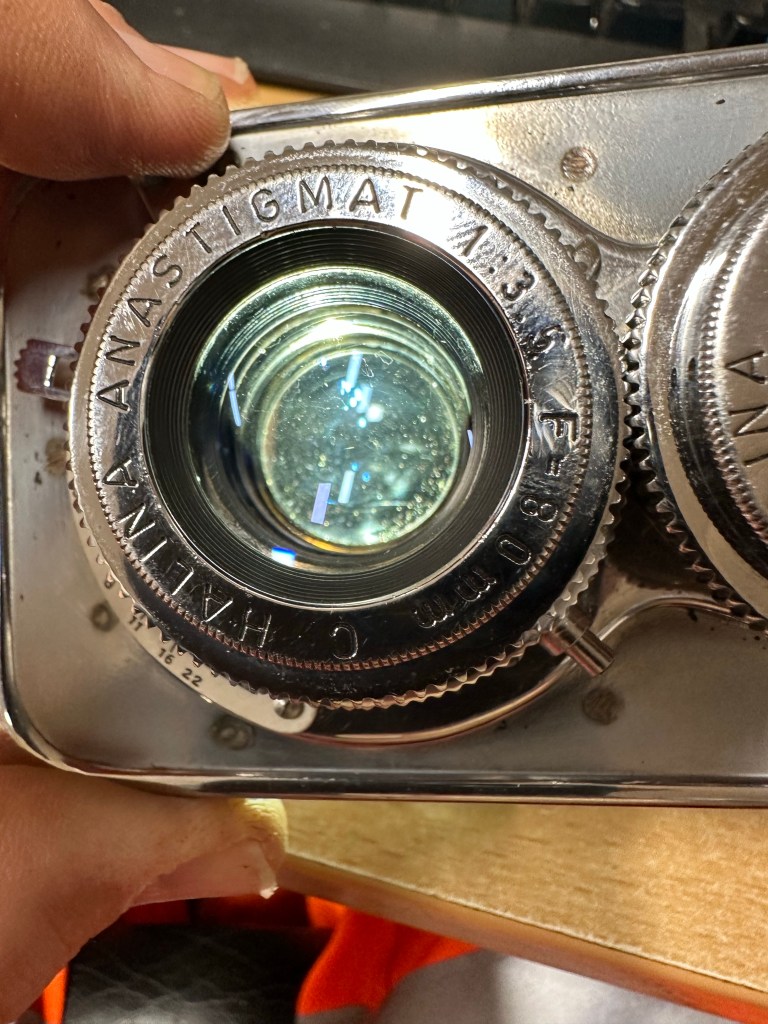
When shining a light through the back of the camera with the shutter open the fungus issue on the lens is most apparent, this is a three part lens I believe so it’s going to take some time and patience to achieve, but it’s do able, but it will have to wait a while.

Shine a light for all to see…..fungus

So I’ll leave you with this for today, the smell of years of dampness invades when ever I get this camera out of its box and to be honest I think that will be my biggest challenge with this unit. Any ideas and tips on how to assist with this problem gratefully accepted 👍

Halina A1 Reflex Assessment

Received the Halina today and on assessment I’m a tad disappointed but have learnt a valuable lesson. I purchased on line and it seems the positives have been promoted and the negatives omitted completely.

Positives:

  • It’s all there
  • The case is in great condition for its age
  • Leather strap is original
  • Aperture lever and aperture mechanism works
  • Viewfinder is good (needs a clean)
  • Cassette box is fine
  • No dents and dinks

Negatives:

  • It smells horribly dank, I suspect it hasn’t spent time in a cupboard, probably in a loft space
  • Hence the lens has signs of fungal occurrence
  • The original skin is peeling off
  • The shutter is not working
  • Light seal has rotted all around

Now I payed over the odds for this, to be fair I purchased it from a charity hospice so I don’t begrudge the outlay due to the cracking work that they do. It’s just I have learnt to ask more questions and don’t take the auction description as gospel….lesson learned.

Looking on the bright side all the negatives can soon be turned to positives, it’s going to require some work on parts I’ve never worked on before but isn’t this the best way to learn? On a low cost item that’s not going to impact anyone in any way, and at the end I should have a perfectly usable camera to either keep or move on.

So. What am I going to do? This unit is quite easy to dismantle as it has screws and not rivets, a positive in my eyes so I will dismantle the unit completely, service, clean and reassemble. But first I’m going to leave the whole package out in the fresh air on a window seal for a week or two to let the sun get to the lens so I can probably stop the fungus spreading further, and hopefully I can stop the stale smell getting worse. I will look at refreshing the leather to help here. Cleaning through all stages will hopefully help to ensure this.

I’ve decided to replace the light seal and lubricate all the moving parts, I’m going to replace all the leather with a snazzy red snakeskin leatherette to breathe new life into this old girl.

Red snakeskin replacement leatherette

I’m looking forward to getting this one working, I’ve got the film to run through it, I now just need the time to get the work done, and this is going to take a little time to achieve, I currently have so many cameras to work on I’ve got to stop buying more 😂

And that’s harder than you’d think…..

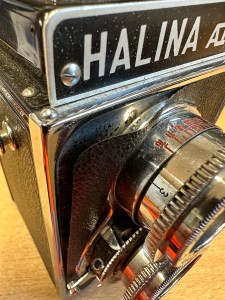
Halina A1 Reflex

I’ve managed to obtain yet another old TLR camera, i paid a little more for this example as it was from a hospice so I’m not worried about the extra expense, as it is in a very good condition. I will just have to wait until it’s in my hands to know for sure. Originally made in Hong Kong by Haking, the A1 was one of their better produced cameras. Again very pleasing to the eye.

Here is some history on this camera, I will cite the reference at the end:

  • Type: Twin lens reflex camera for film rolls
  • Manufacturer: Haking
  • Year of launch: Circa 1960
  • Film: type 120 film rolls
  • Lenses: Halina Anastigmat 1:3.5 F=80mm C lens geared to Halina Viewer 1:3.5 F=80mm C lens
  • Shutter: two-blade shutter with speeds B, 1/25, 1/50, and 1/100 sec., selectable with thumb-wheel around lens
  • Cocking: moving the shutter release lever a little bit upwards
  • Aperture: lever below lens, 1:3.5 to 1:22 selectable
  • Focusing: using one of the gear wheels that synchronize Viewfinder and camera focus as thumb wheel
  • Viewfinder: collapsible TLR finder with ground glass screen, and hinged magnifier for optional usage
  • Film advance: thumb wheel, closeable exposure counting windows on the back
  • Specialty 1: leather case has two sheet metal tongues to fix the camera
  • Specialty 2: the shutter of the lower exposure counter window bears the imprint Empire made (=British Hong-Kong)
  • Connector 1: connection thread for remote shutter release
  • Connector 2: flash connector
  • Connector 3: connection thread for tripod

Information on camera obtained from Camera-Wiki.org

I will update on my intensions for this camera once it is in my possession. Check back for further updates.

Coronet F20 Coro-Flash

I’ve managed to obtain another old box type Pseudo TLR camera at a reasonable price in a very good condition, well, at least the pictures seem to indicate this, I’ll just have to wait until it’s in my hands to know for sure.

Here is some history on this camera, I will cite the reference at the end:

  1. Introduced in 1950
  2. Pseudo TLR
  3. One speed rotary shutter +B
  4. Use both 620 and 120 roll films
  5. Flash sync
  6. Built-in green filter
  7. Body: metal

Coronet Box Cameras are medium format 120 & 620 film cameras made by Coronet in England.

Coronet was a British camera maker based in Birmingham. The company was formed in 1926 by F.W.Pettifer. It manufactured a variety of cheap box and folding cameras until 1967. After the war it worked together with the French company Tiranty to avoid French import restrictions. Several Coronet camera models were made in France, some with Boyer lenses, and some with instruction imprints in French. Coronet also had their own brands of film, including Corochrome.

The F-20 Coro-Flash by Coronet is a simple camera for 6×6 cm exposures, but one which offers a few twists on the usual box camera.
First, its centered viewfinder window and (small) folding hood give it a certain faux-TLR styling.
Secondly, it was designed (and proudly labeled) to accept either 120 or 620 film sizes.
Finally, it offers flash sync, for example when using its namesake Coro Flash flashgun.

Information on camera obtained from Camera-Wiki

This camera was in such a good condition that no maintenance was required. In fact it went straight onto eBay and sold within 7 days. Was a lovey little camera and commanded a good resale price.