
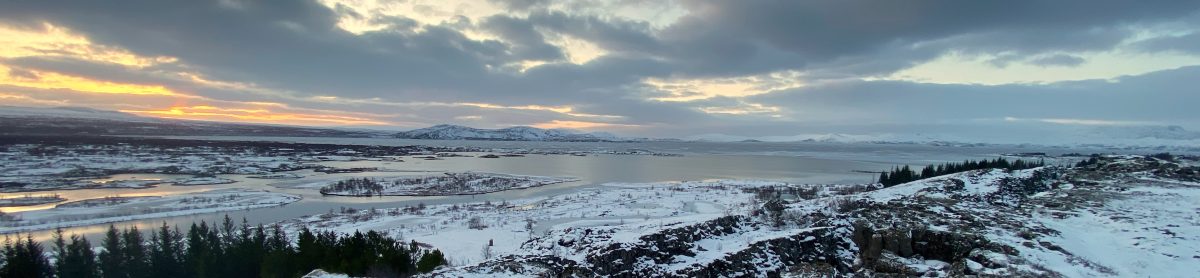
We are quite spoiled up here in the East Midlands with some stunning scenery as well as a plentiful array of stunning wildlife.
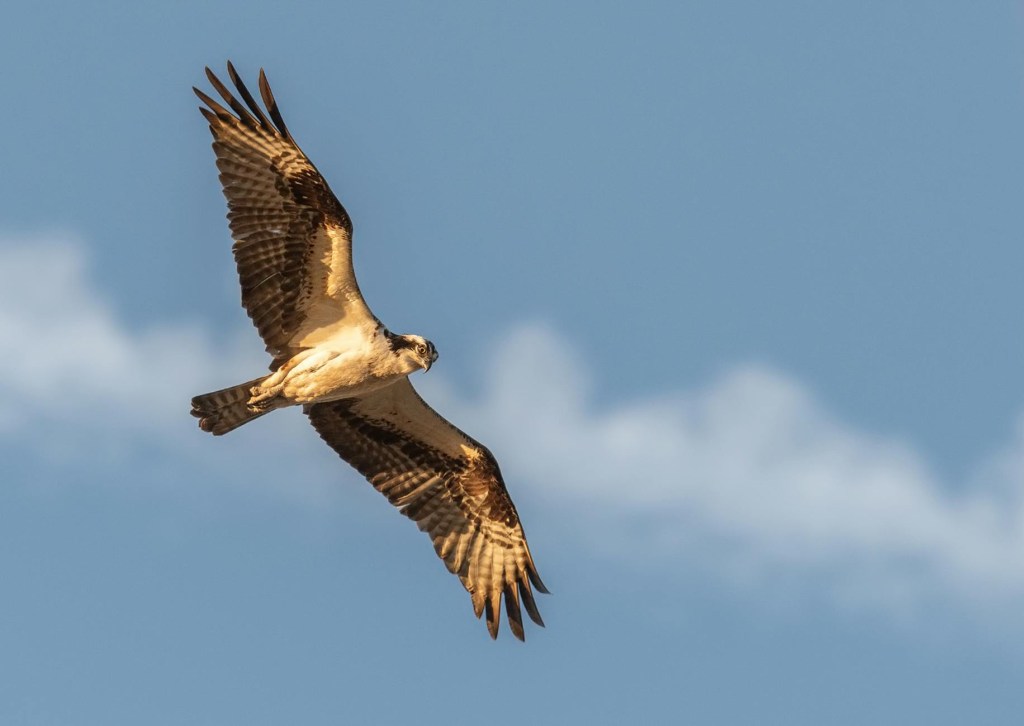
One of the most interesting projects in place for the last 10 years or so is Rutland Waters work to encourage the breeding of the Osprey. The project is run by the Leicestershire and Rutland wildlife trust and a link to the work they do to look after these stunning birds can be found here: Rutland Ospreys.
This live feed above covers a nest site on the Manton Bay Area of Rutland water. its current residents, a female called “Maya” and her other half known as “33” (His leg tag number) arrived about a week or so ago and are busy, fishing, nest building and mating. (What a life eh?)
Here’s a little history about these two resident birds, courtesy of the Leicestershire and Rutland wildlife trust website:
The Osprey nest in Manton Bay has been in use since 2007, but has been occupied since 2010 by the same female bird, presumably from Scotland, which we have nicknamed ‘Maya’.
Maya arrived in the summer of 2009, and spent the summer bonding with a Rutland-fledged male Osprey, 32(05). The pair did not breed, but both returned in 2010. Unfortunately, in 2010 two male Ospreys went missing from Rutland, and 32(05) was one of them. However, she managed to pair up with a male Osprey, 5R(04) which was holding territory at the Manton Bay nest, and they successfully raised three chicks in 2010. At the time, Maya did not have a name and she was always referred to as the Manton Bay Female. Over the next few seasons, it was decided it would be easier to talk and write about her, and for people to relate to her if she had a name, and eventually we settled on Maya. Not only is it a lovely name, but it contains the first and last two letters in Manton Bay, and comes from the Greek Maia, who was the goddess of spring.
Over the three years (2010 to 2013) that Maya and 5R(04) bred together, they successfully raised 11 chicks. Of those 11 chicks, five of their young have since returned to Rutland!
In 2014, unfortunately, 5R(04) failed to return to Rutland after his migration. After weeks of anxious waiting, we came to realise, as did Maya that he was not going to come back. Ospreys face many challenges on migration, so sadly, we won’t ever know what happened. With plenty of unpaired males in the area, Maya paired up with male 28(10) and did actually lay three eggs. But the nest suffered persistent intrusions from 33(11), and as a result, 28(10) was chased off and 33(11) took over the nest, kicking the eggs out in the process. After a while 33(11) and Maya did form a bond, but it was too late in the season for them to breed.
As we see Maya every day on the live webcam, we have come to know her very well as an individual. All Ospreys have unique, distinguishing characteristics, and Maya can easily be identified by the distinct markings on her head and face, in particular the brown cross that is visible on the back of her head. She has now raised 31 chicks since she first bred in 2010 and has provided us with a fabulous insight into the lives of breeding Ospreys.
33(11) fledged from one of the offsite nests in 2011 and his parents are male 03(97) and an unringed female. 33(11) was the only chick to fledge from that nest that year, so he did not have to compete for food, consequently becoming a strong, healthy juvenile and adult.
33(11) returned to Rutland for the first time as a two-year-old on 11th May 2013. He was first spotted in Manton Bay, by Project Officer Paul Stammers and volunteer Mick Lewin, then later was seen back at his natal nest, Site B. In 2014, he returned on 13th April and immediately began pestering Maya and 28(10) in Manton Bay. He did not give up until he chased 28(10) away and claimed the nest.
In 2015, both Maya and 33(11) returned to Manton Bay and bred successfully, raising three chicks, two of which have returned. 33(11) appears to enjoy spending time on the nest, more so than other males and will quite often take over incubation duties. Since 2016, they have raised an additional 24 chicks, including a record breaking four chicks in 2019 and 2020!
Courtesy: Leicestershire and Rutland wildlife trust
So there it is. Pay a visit and watch a couple of the world’s most beautiful birds in one of the most beautiful and scenic wetland areas of the East Midlands.
Thanks for passing by. It’s always appreciated.


Magnificent bird, beautifully photographed!
LikeLiked by 1 person
WOW! This is great. Thank you, Love, nia
LikeLiked by 1 person
They are beautiful birds, for sure. Thanks for your comment Nia 🙏
LikeLiked by 1 person