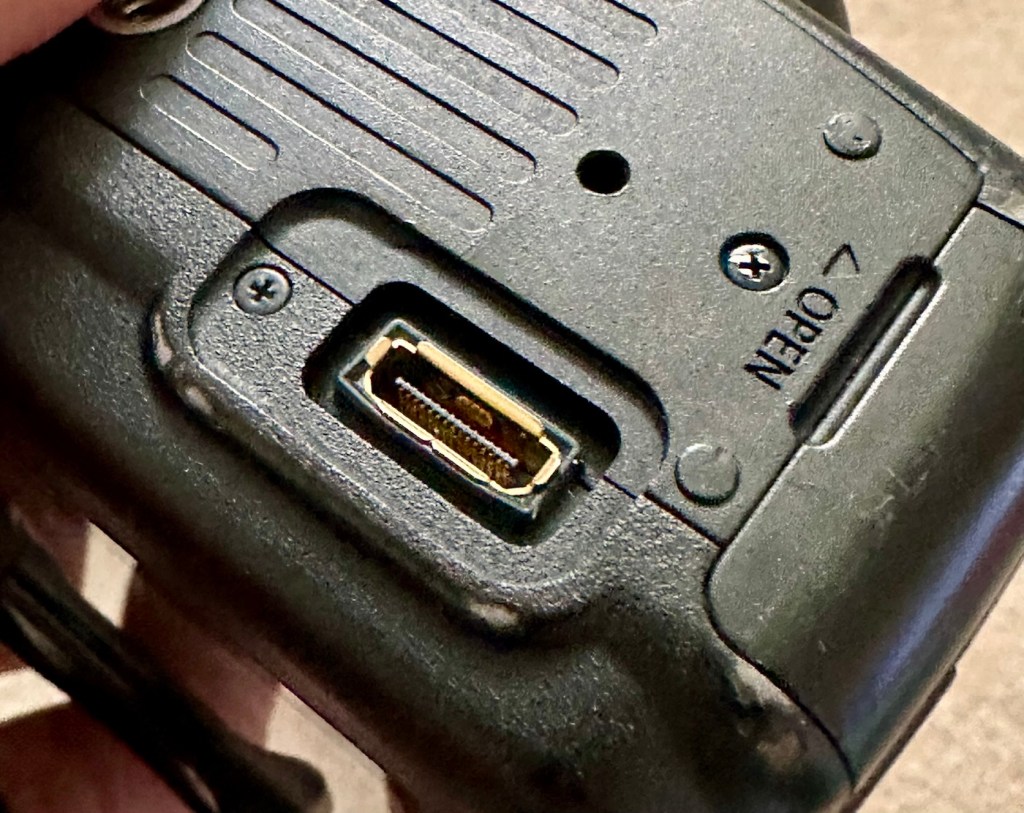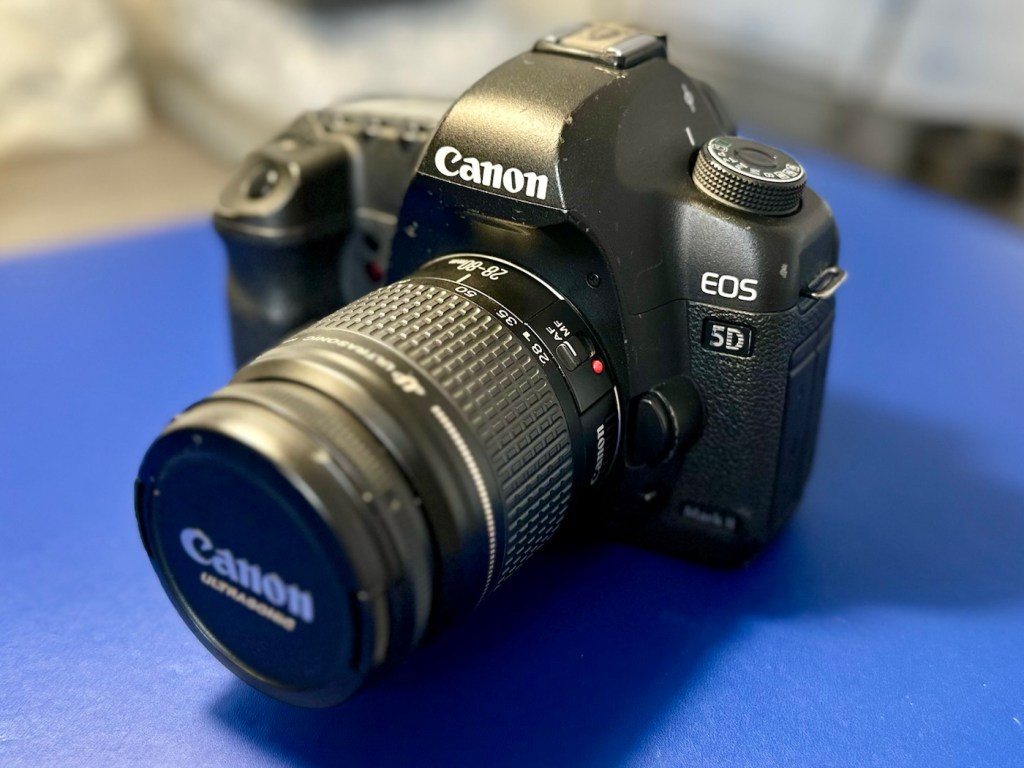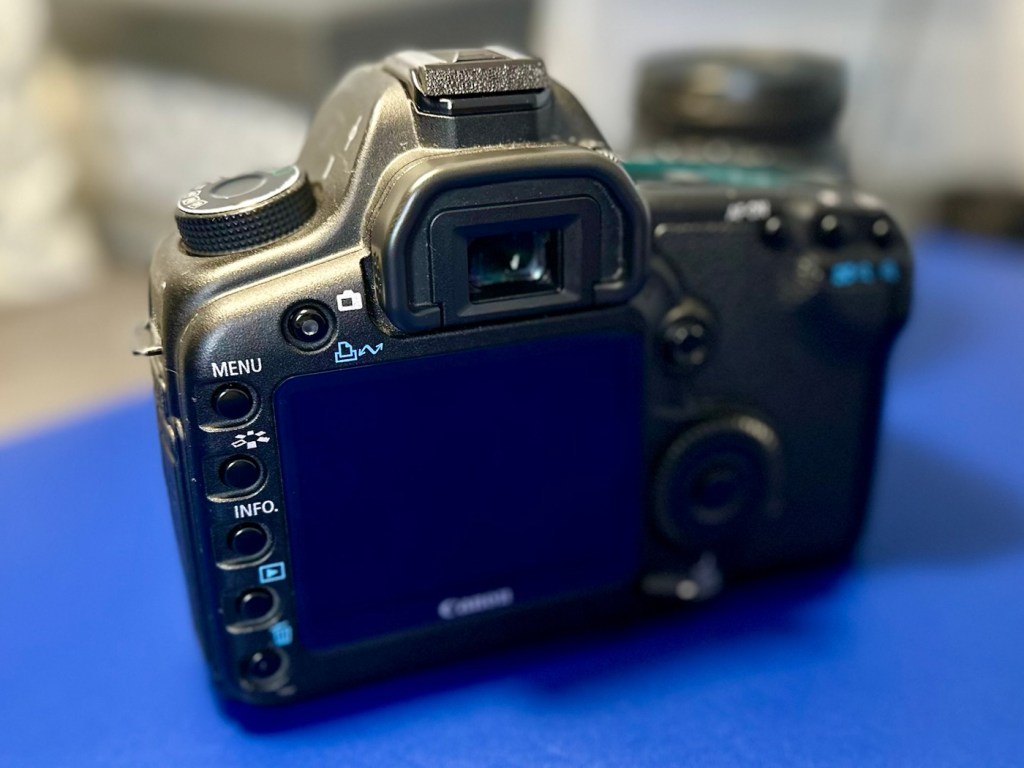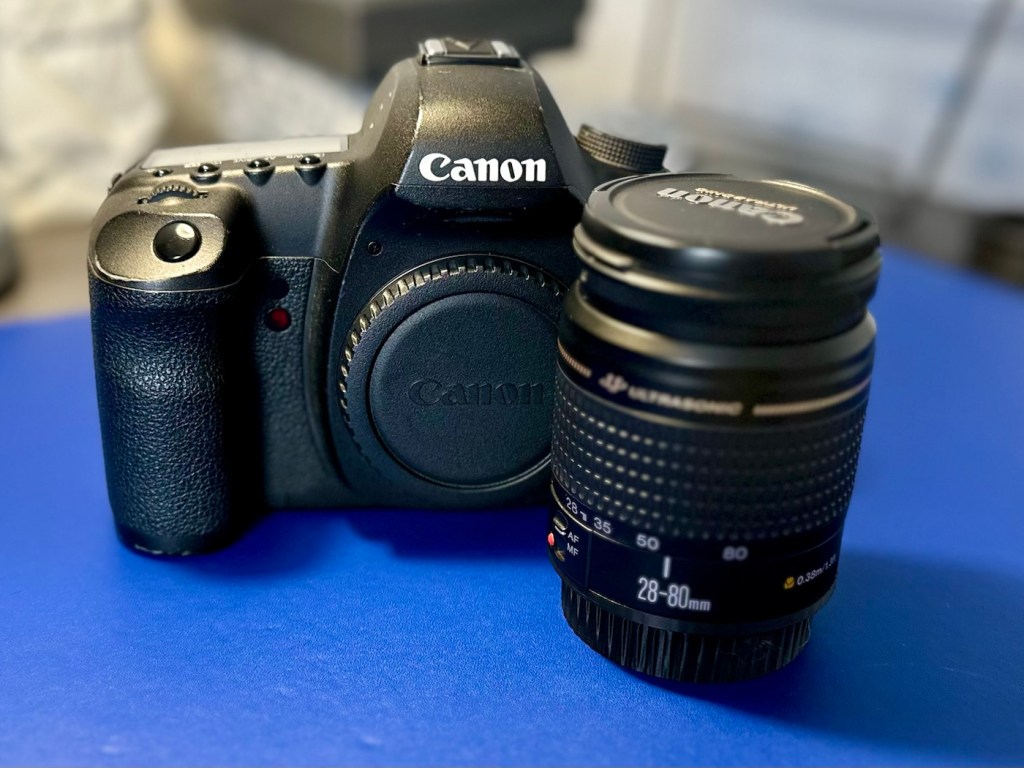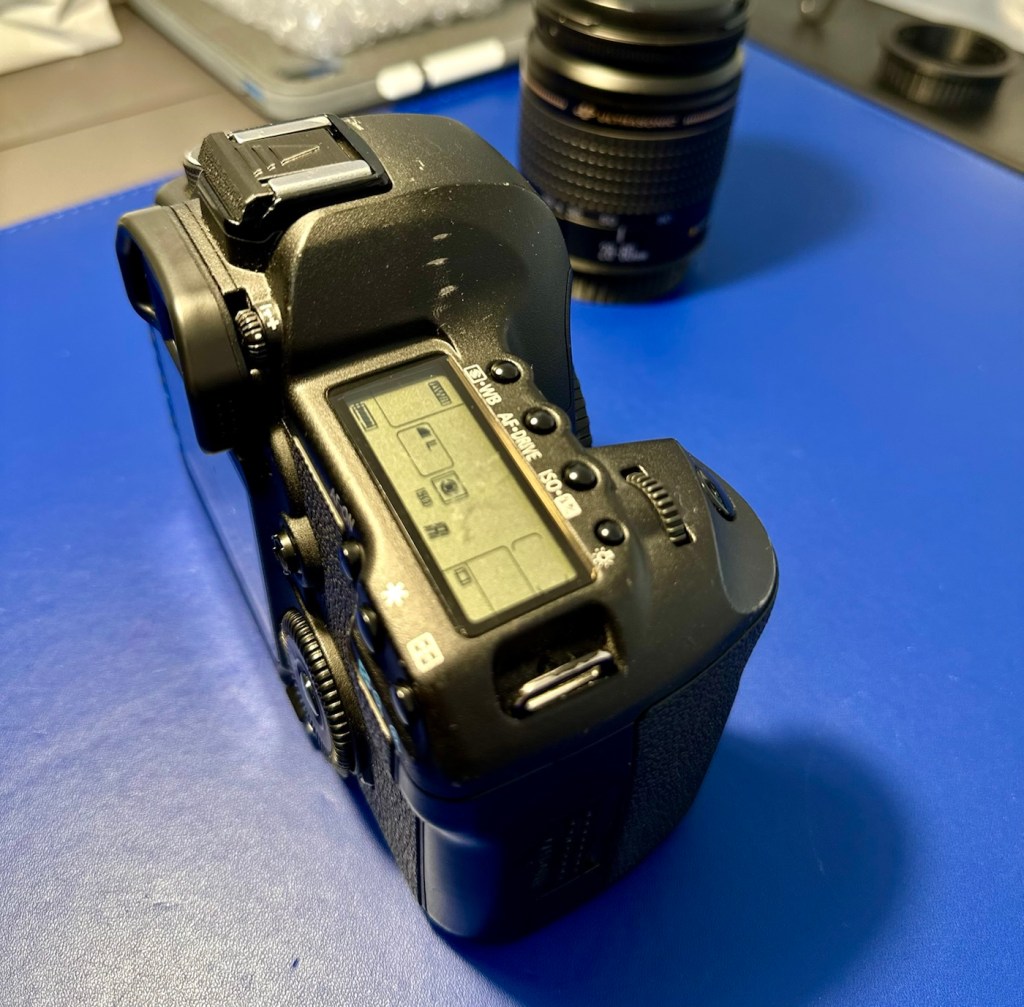

Canon EOS 1D MkIV

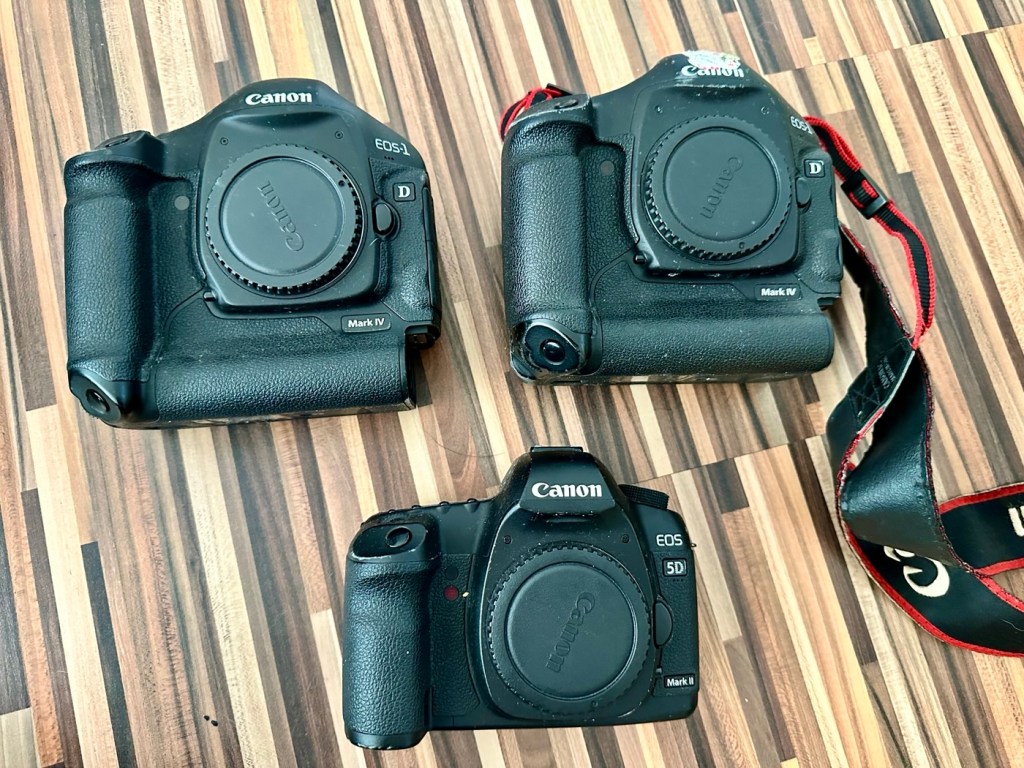
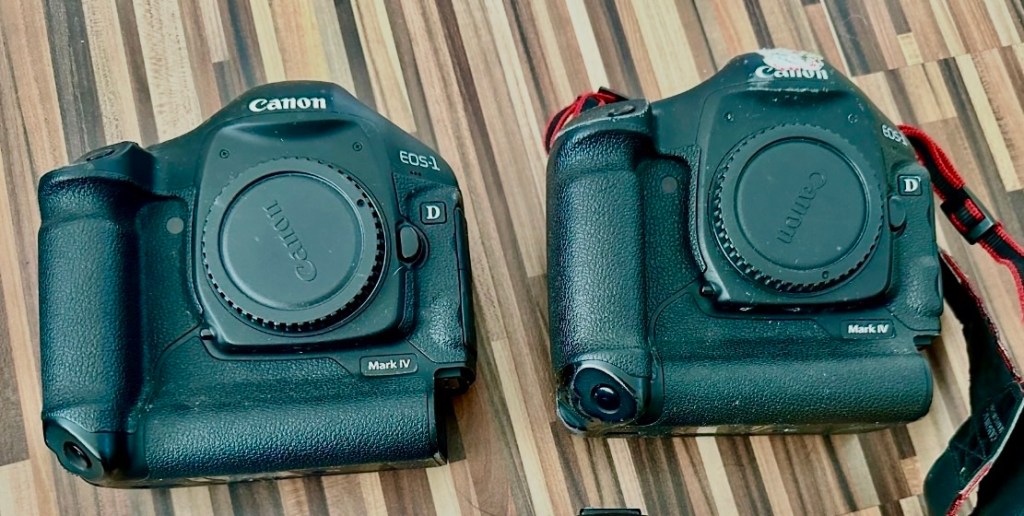
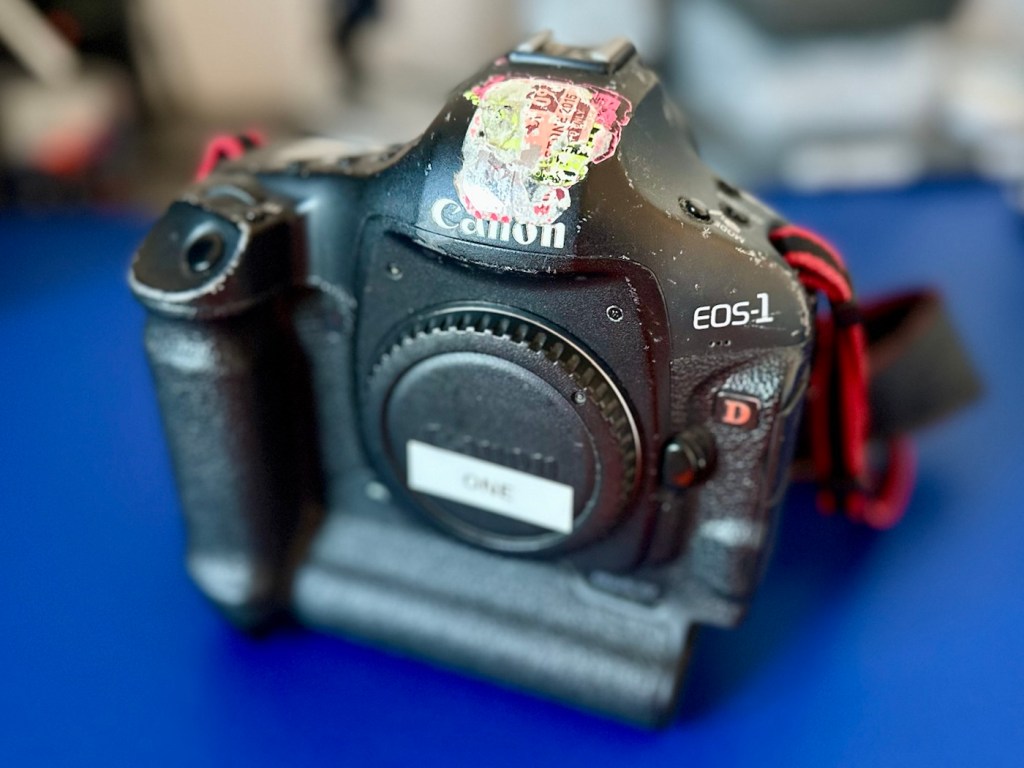
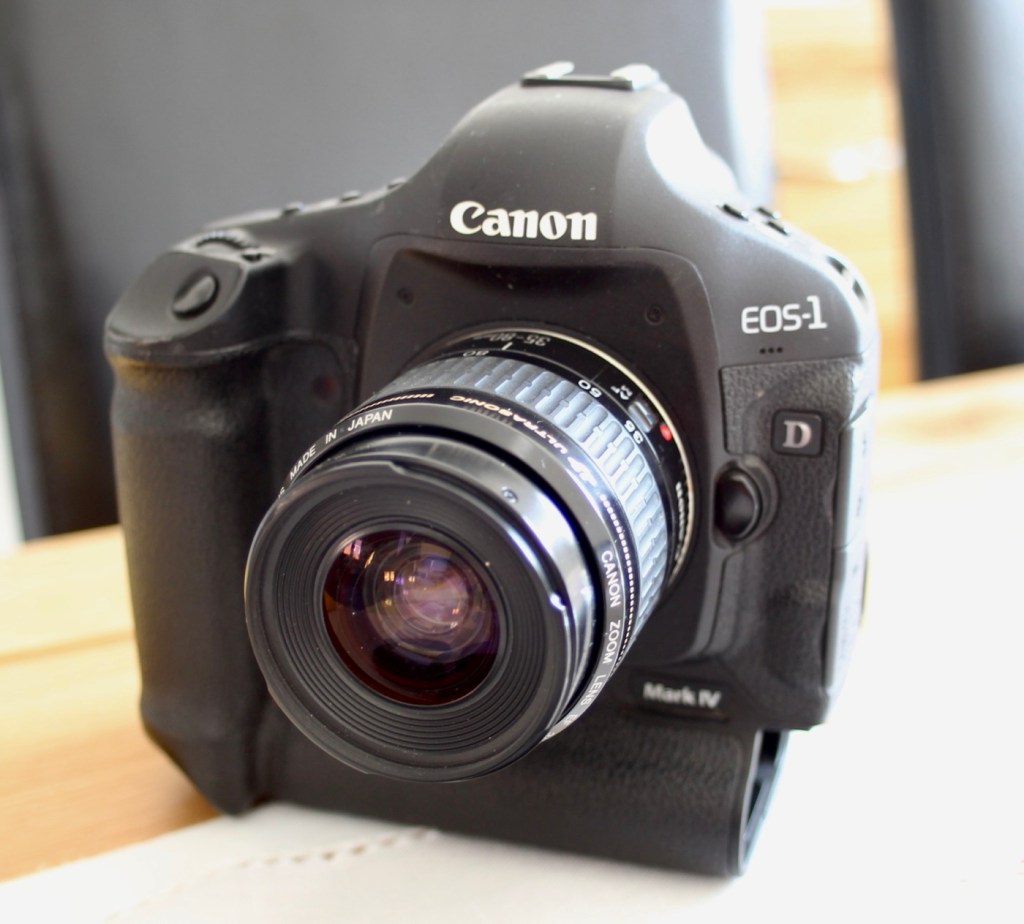
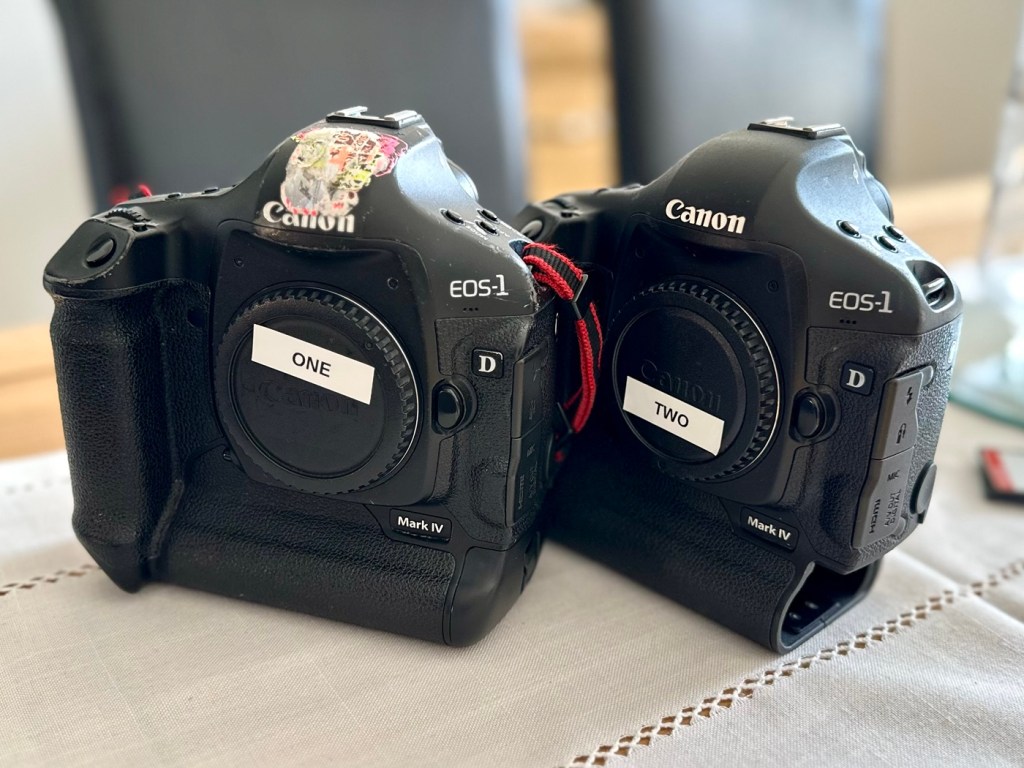
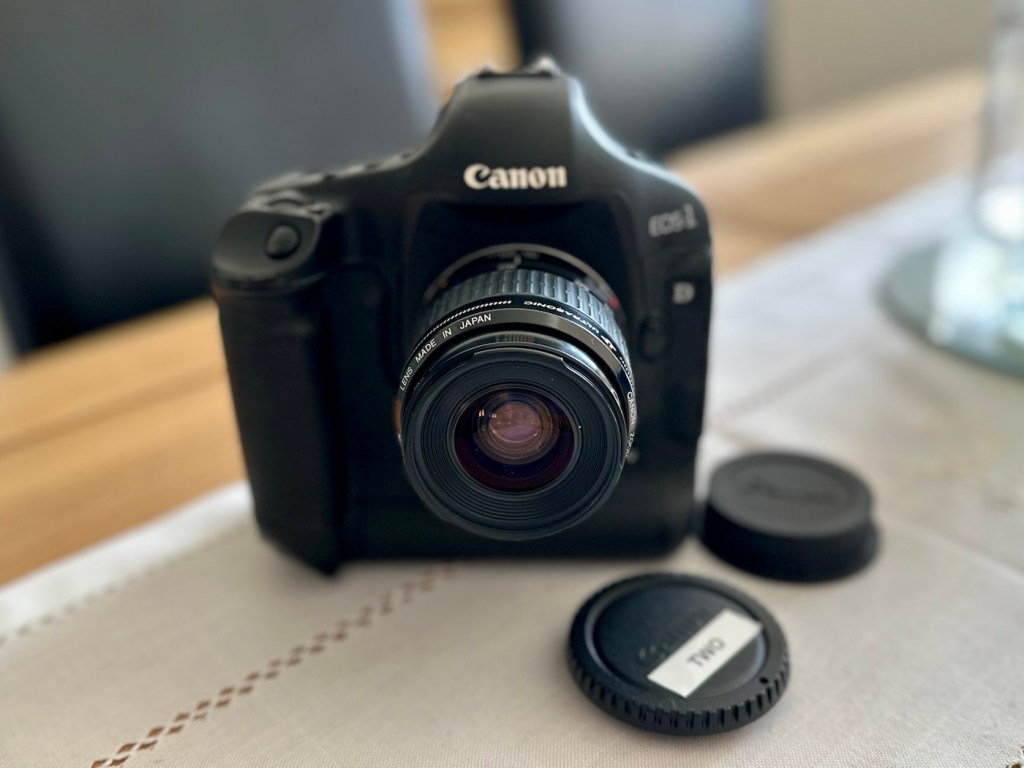
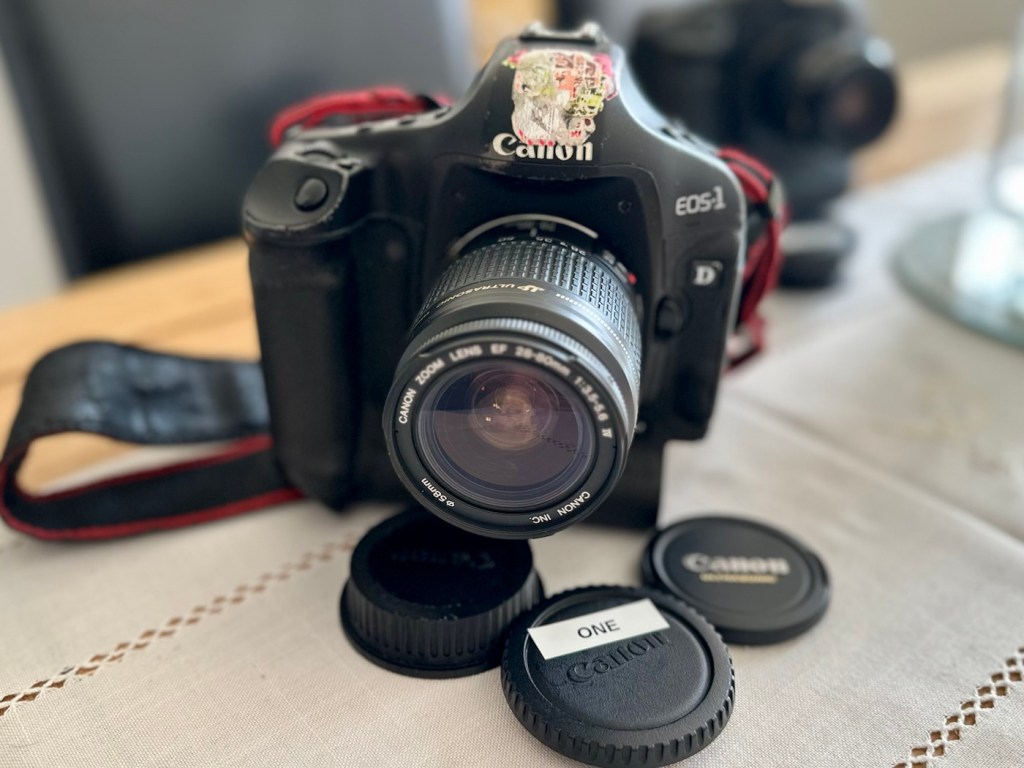
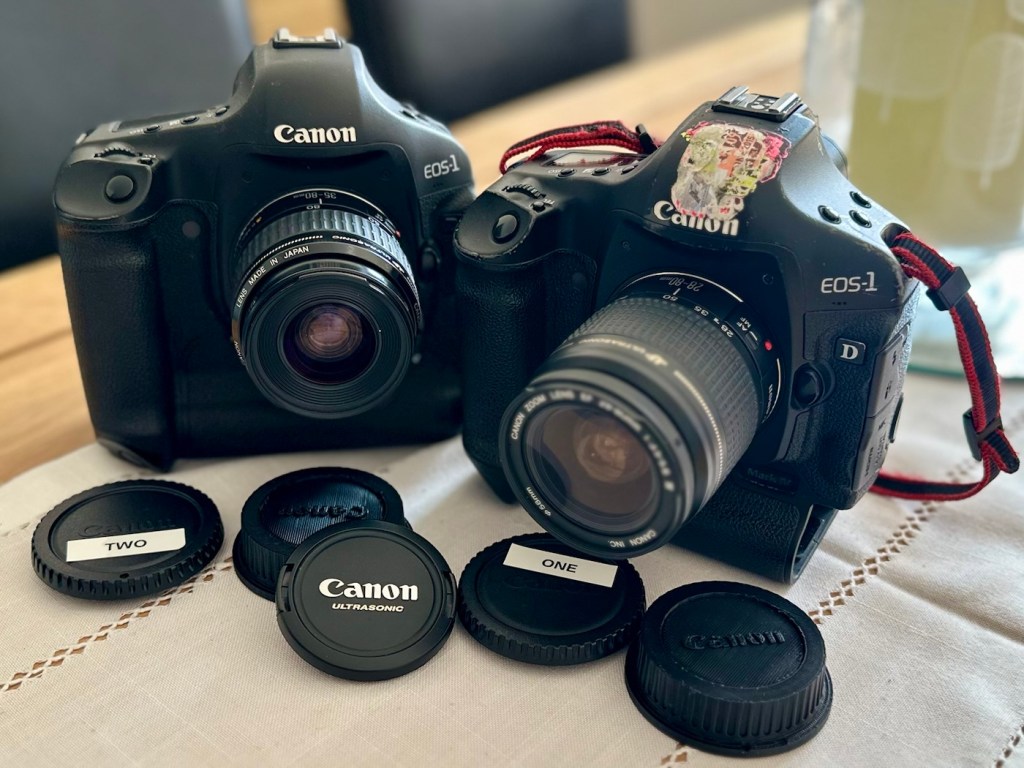
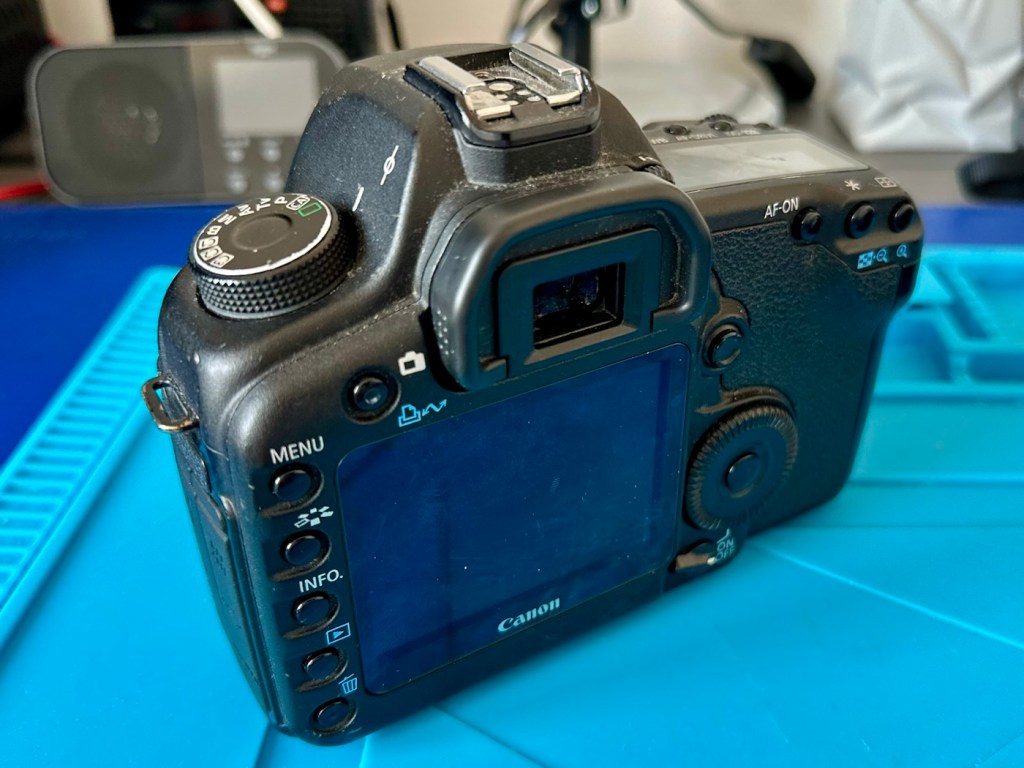
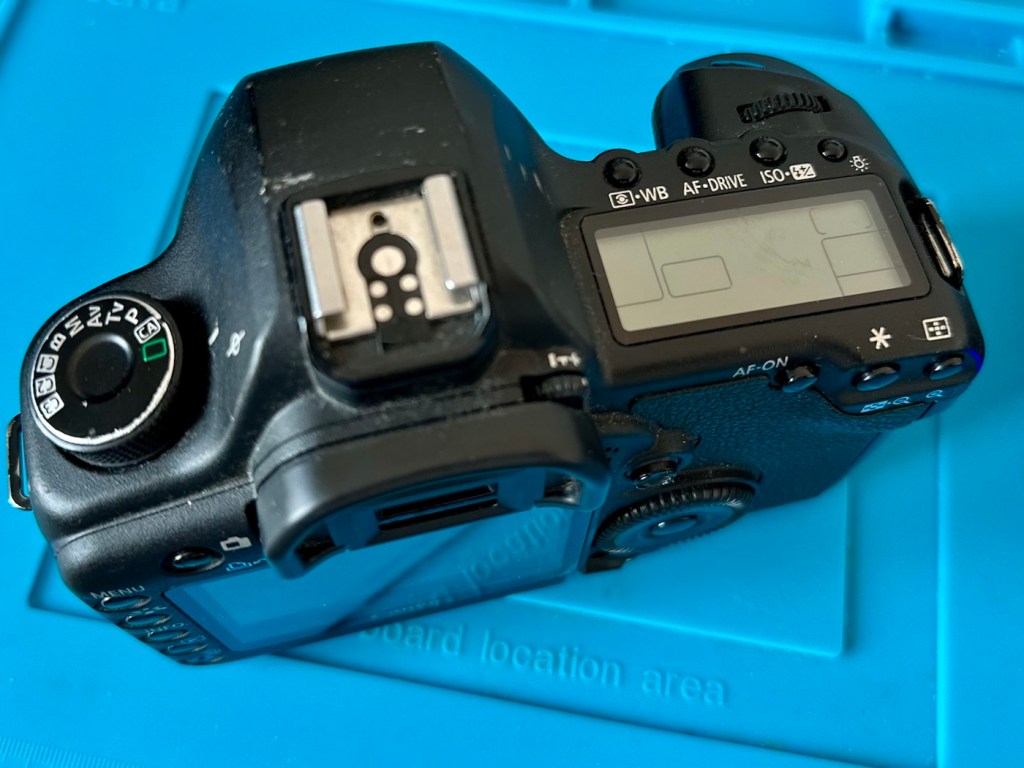
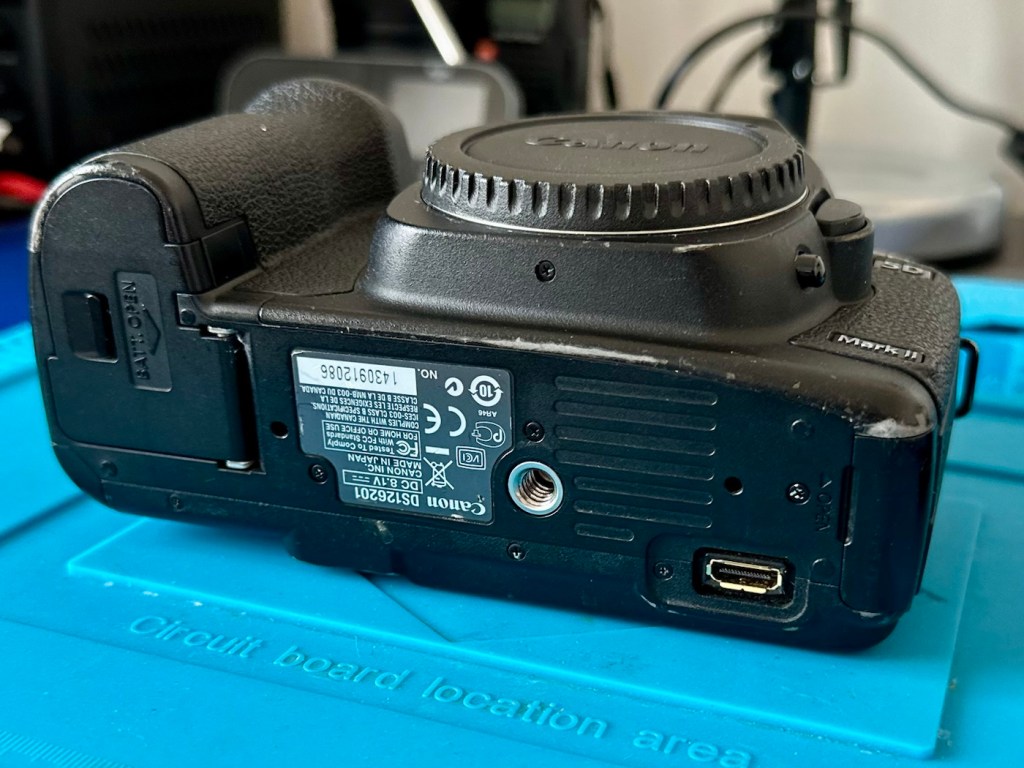
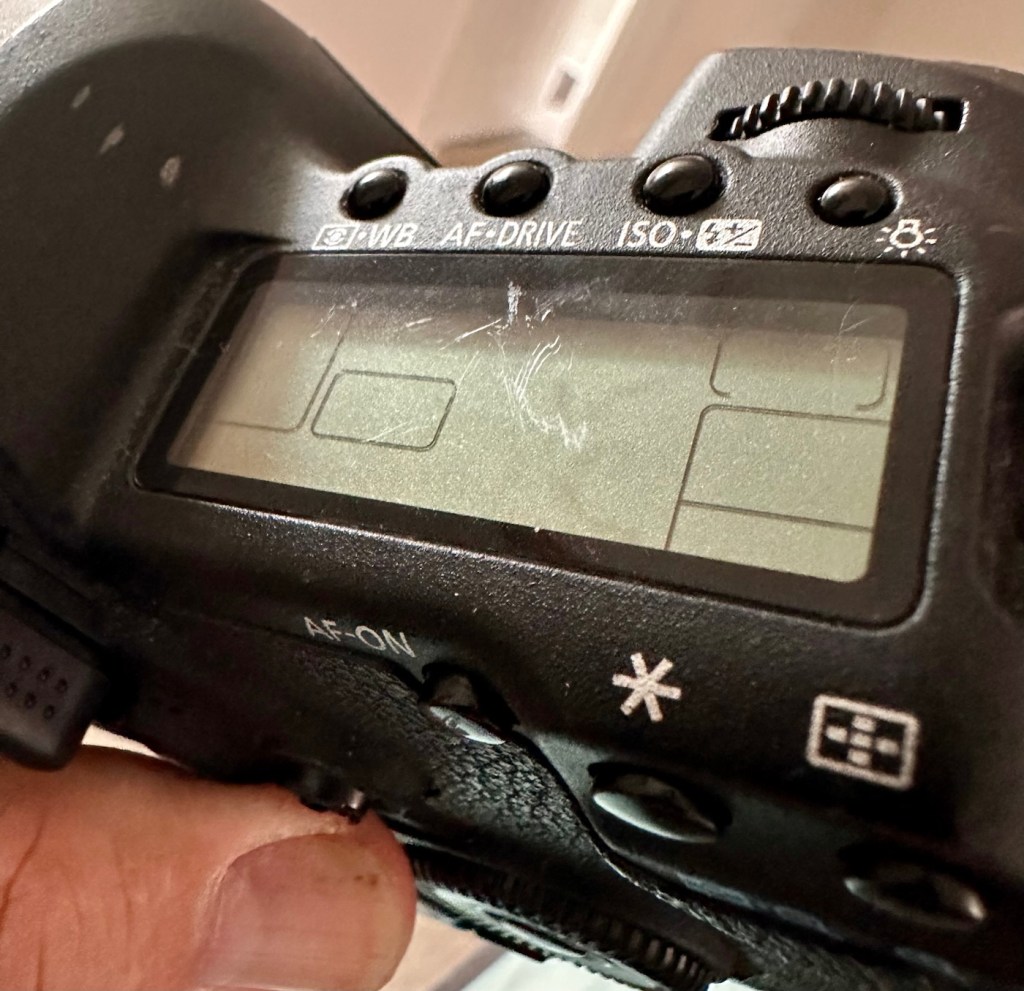
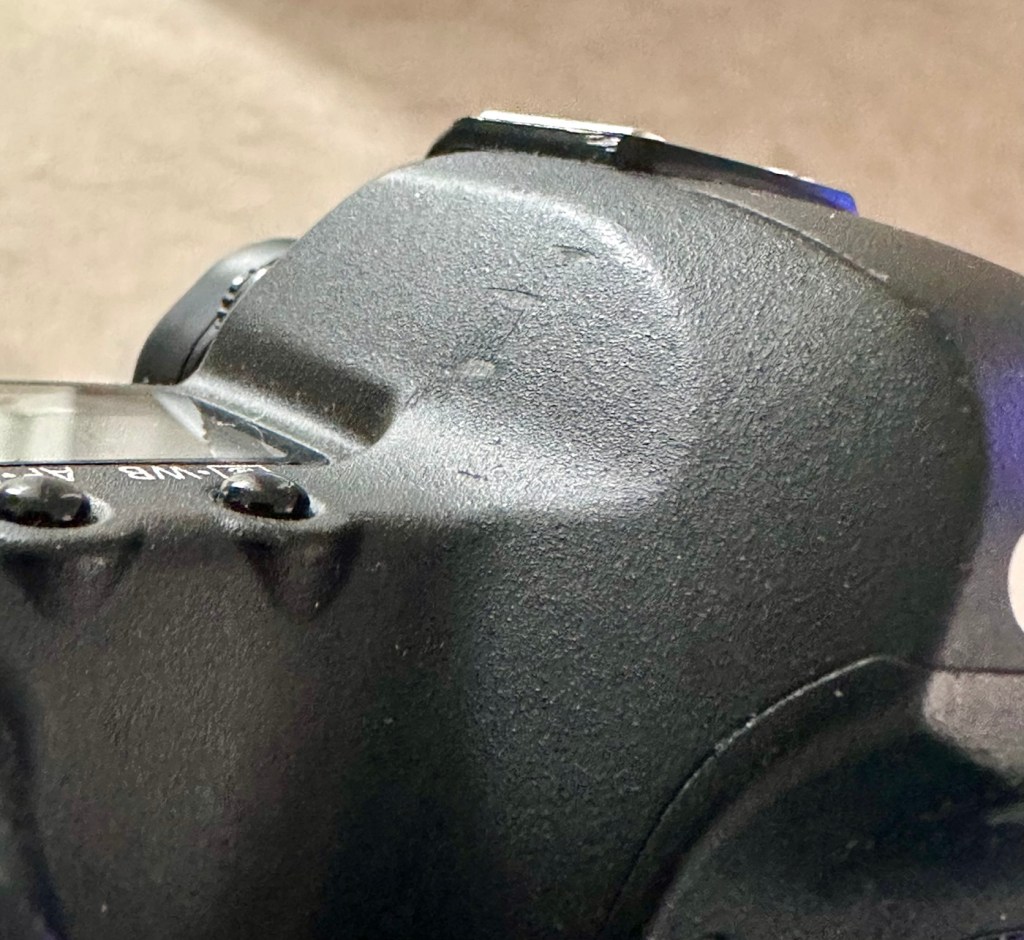
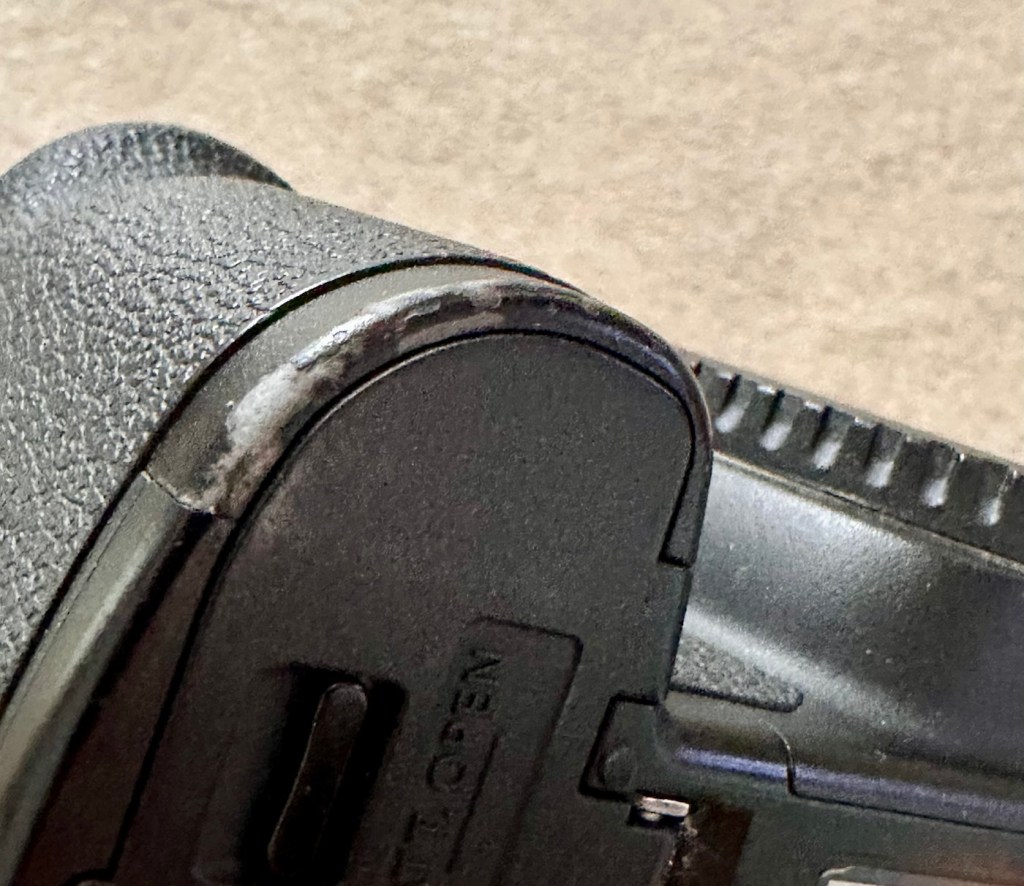
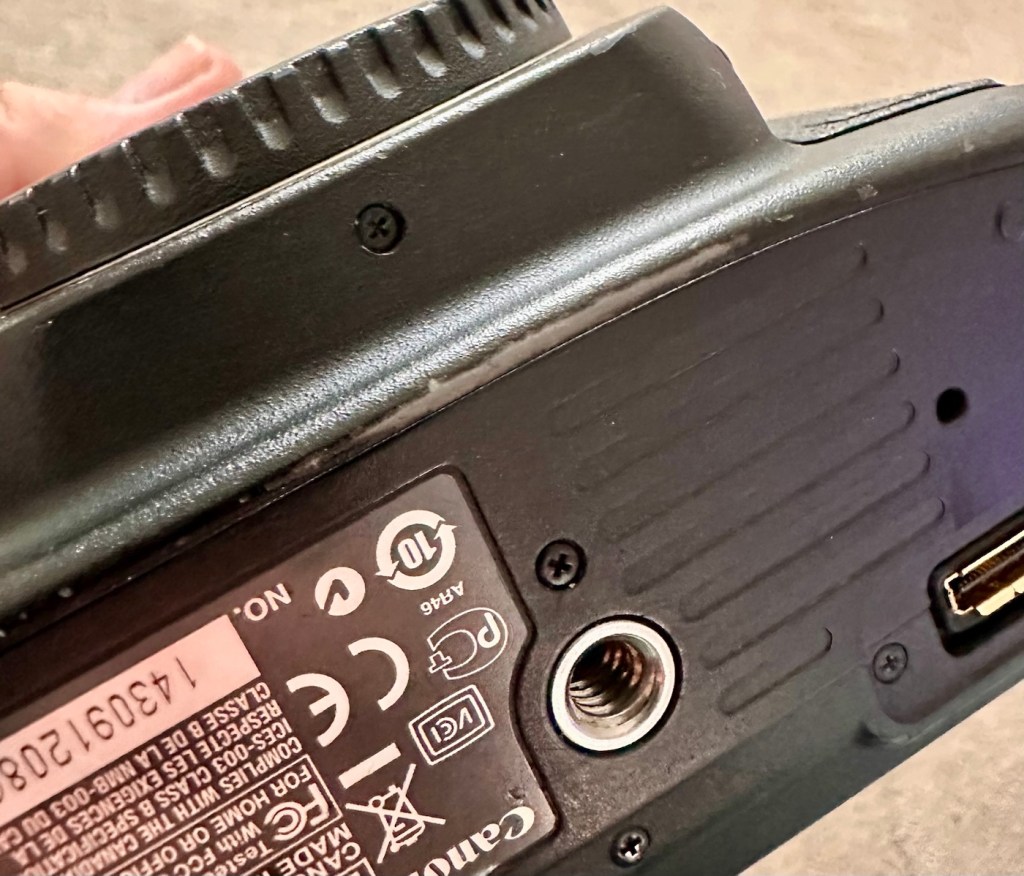
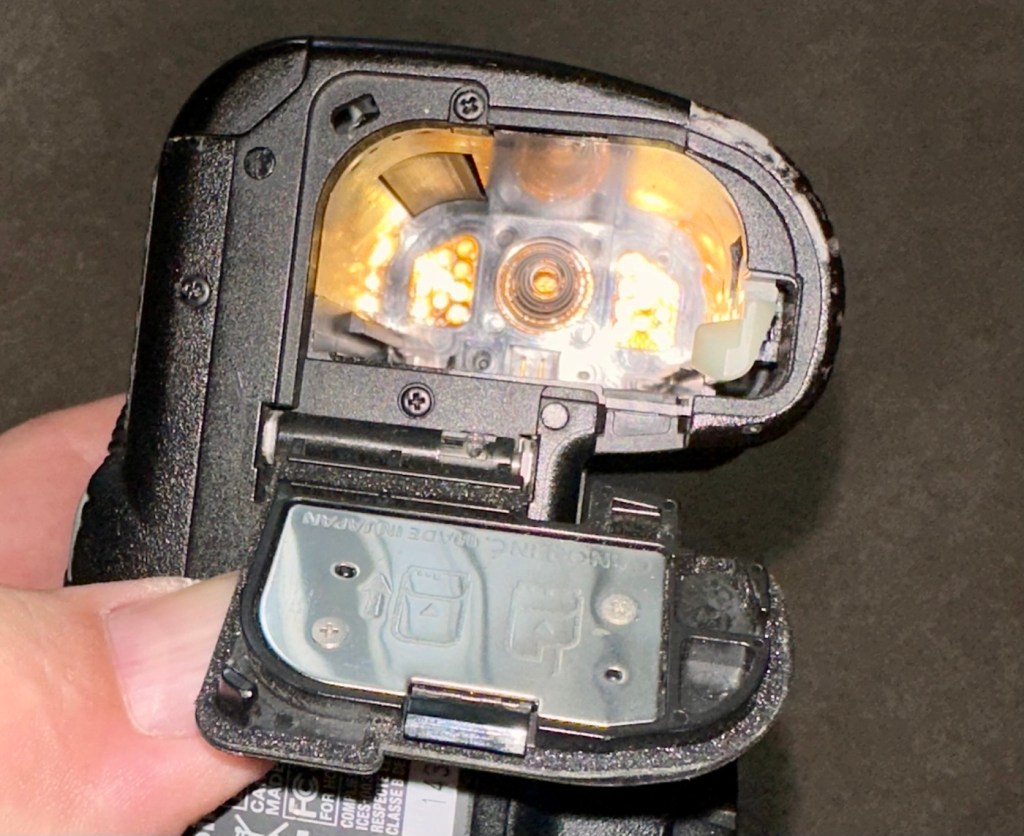
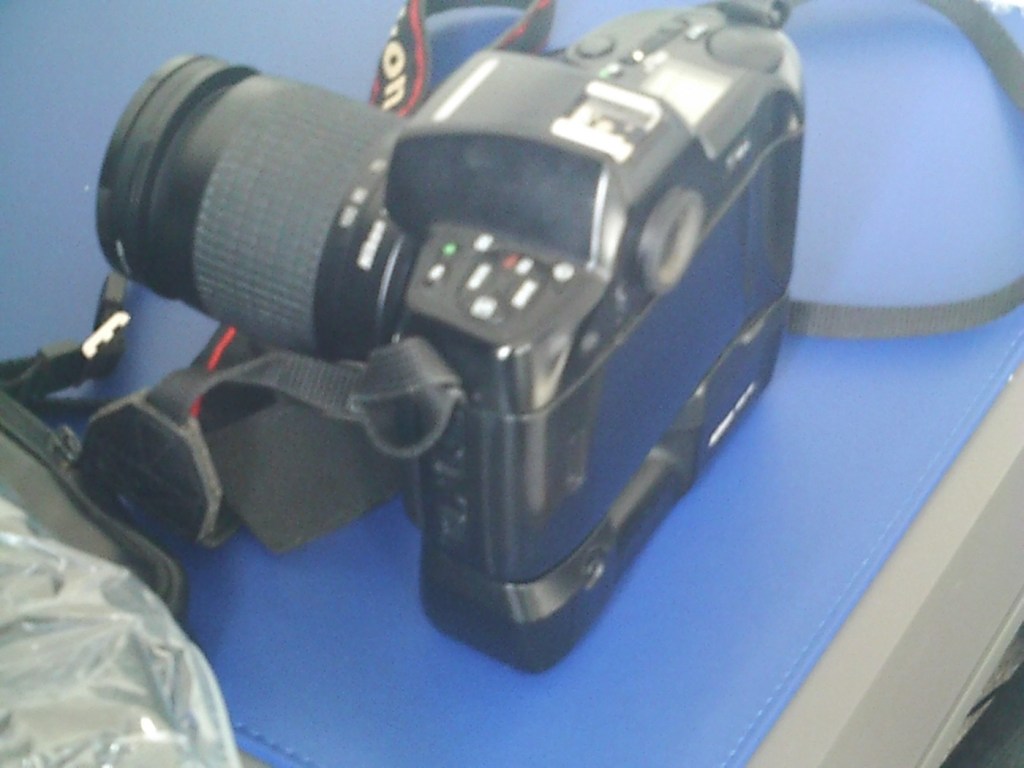
Two late production Canon EOS1D MkIV cameras, both heavily used ex-syndicate sports photographers cameras. Do they work? Can they be repaired?

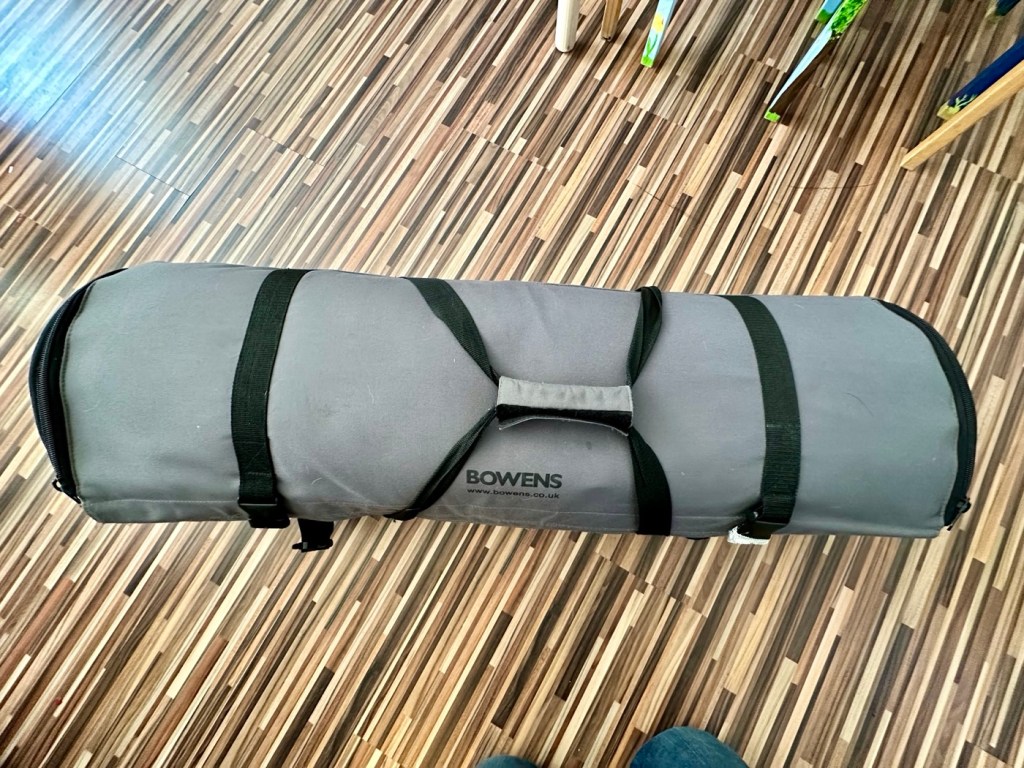
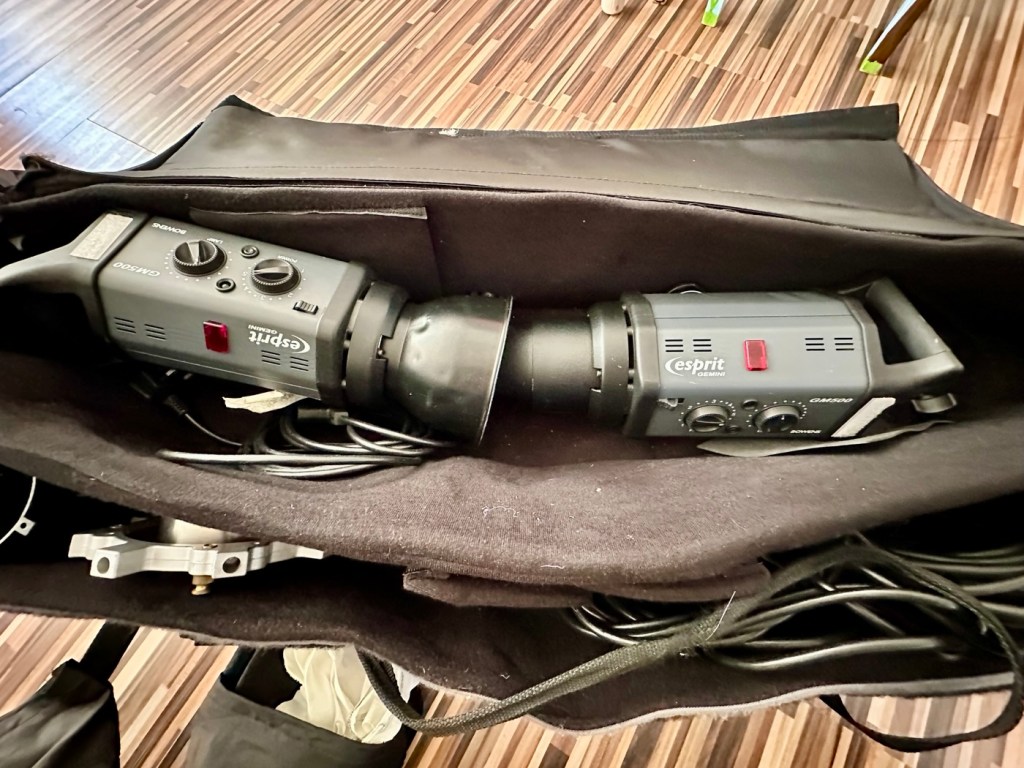
I’ve been approached by an old colleague who used to be a syndicated sports photographer, he had a number of items he wanted to “get rid off” as they were just taking up space in his new house. “Would you be interested?” You betcha, so as a result I’m now the owner of a complete Bowens lighting system, two Canon EOS 1D MkIV cameras and a Canon EOS 5D MkII camera.

My days of fussing and farting about with lighting rigs has now long passed, so I know a youngster starting out in the business who is a very talented young fellah, I have donated this equipment to him and he will certainly have a use for this lighting setup. He has been approached and accepted the offer, I think he is quite happy with his new acquisition, here’s hoping his talents continue to flourish.

However the cameras are mine as no one wants this old stuff anymore 😂

Having already in the past, repaired a film version of the EOS 1 here: Canon EOS1 N HS I have now become the owner of two Canon EOS 1D MkIV versions, the digital upgrade of this superb camera. This post covers the assessment of the 1D’s the 5D can be found here: Canon EOS 5D MkII

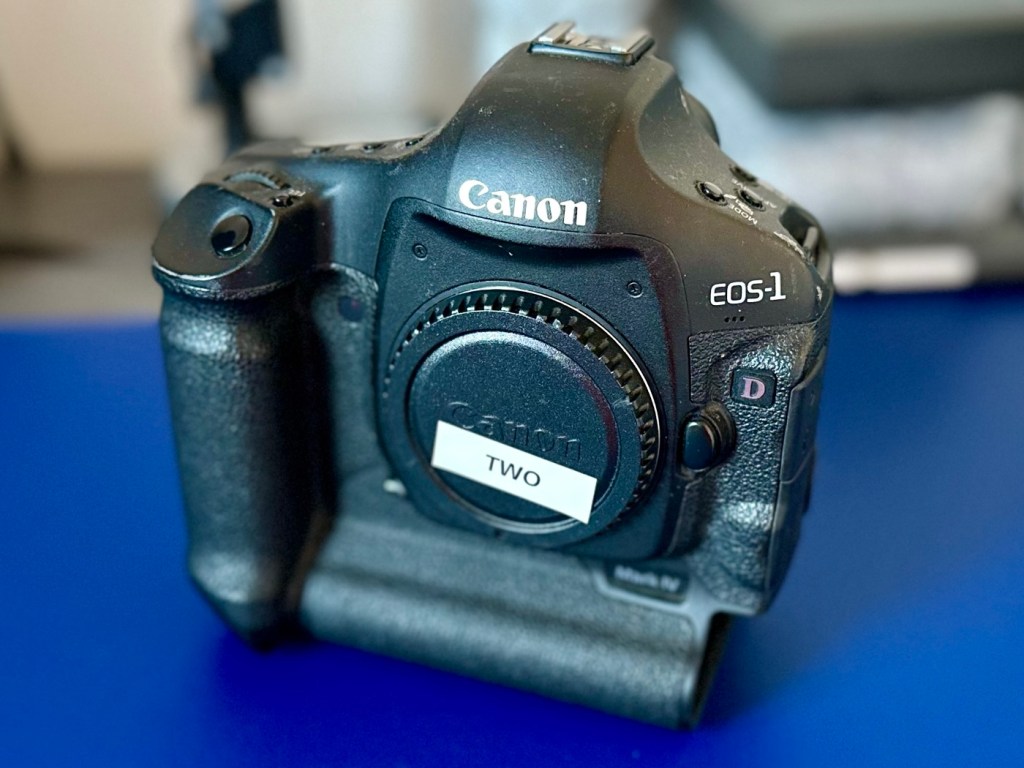
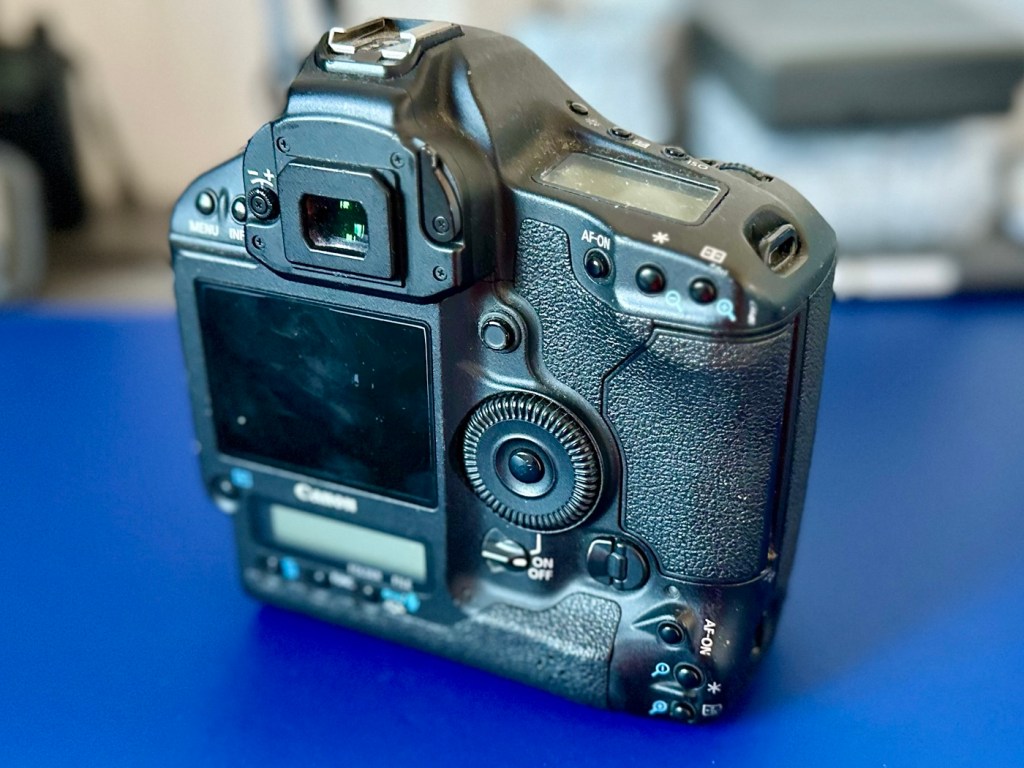
The two Canon EOS 1D MkIVs

To test these two beauties I’m going to have to invest some money into my equipment store. These cameras take a battery that neither came equipped with, an EP4 battery that currently costs around £19.00GBP per unit. On top of that a charger is required costing approximately £23:00GBP so there will have to be an outlay of approximately £42:00GBP just to get these units tested. Is it worth it? Yes, I think it is, I will then have a spare battery and charger for future use, and if the cameras don’t work? I can then sell them on or use them for spare parts as they have cost me absolutely nothing. When I go through the assessment and repair of these cameras I will refer to them one camera at a time. The camera that has stickers on the top of the camera pentaprism area will be referred to simply as “One” whilst the other will be “Two”. Nice and uncomplicated.

But first here is a little bit of information regarding this camera, the Canon EOS-1D MkIV.

The EOS-1D Mark IV is a professional 16.1 effective megapixels digital single lens reflex camera (DSLR) camera body produced by Canon. The EOS-1D Mark IV is the successor of the Canon EOS-1D Mark III and was announced on 20 October 2009, just four days after Nikon announced the D3s. It used to be the only Canon APS-H format DSLR to feature HD video recording at 1080p resolution.

It was discontinued in mid-2012 with the introduction of the Canon EOS-1D X, which replaced both the EOS-1D Mk IV and the EOS-1Ds Mk III.

It received a Gold Award from Digital Photography Review.

Features:

  • 27.9mm × 18.6mm; 16.1 effective megapixels APS-HCMOS sensor
  • Dual DIGIC 4 image processors
  • Canon EF lens mount (excludes EF-S)
  • New autofocus module (45 AF points with 39 cross-type AF points)
  • Integrated sensor cleaning system
  • 1.3× crop factor
  • 100–12800 ISO speed equivalent (expandable to L: 50, H1: 25600, H2: 51200 or H3: 102400)
  • 30–1/8000 sec. shutter speed and bulb
  • Shutter unit tested to 300,000 cycles
  • Auto Lighting Optimizer
  • Magnesium Alloy weather sealed body
  • Eye-level pentaprism viewfinder with approx. 100% coverage at 0.76× magnification
  • Live preview mode
  • 3.0 in, 920,000 dots Clear View II TFT color, liquid-crystal monitor with 160° viewing angle
  • 10 frames per second continuous shooting (Large JPEG: max. 121 frames, raw: max. 28 frames)
  • Dimensions (W×H×D): 156 × 156.6 × 89.9 mm

Wikipedia

Assessment:

I’ve had to bite the bullet and purchase a battery and charger to be able to test these cameras. Look at it as an investment. As promised the assessments will include exactly the same checks, but they will be done individually.

I want to check shutter counts and firmware versions, but to carry out these tests I really do need power in the units. Clock backup batteries are installed on these cameras and these will need to be checked to see if they are still effective as I’ve no idea how long ago they were changed.

Camera one:

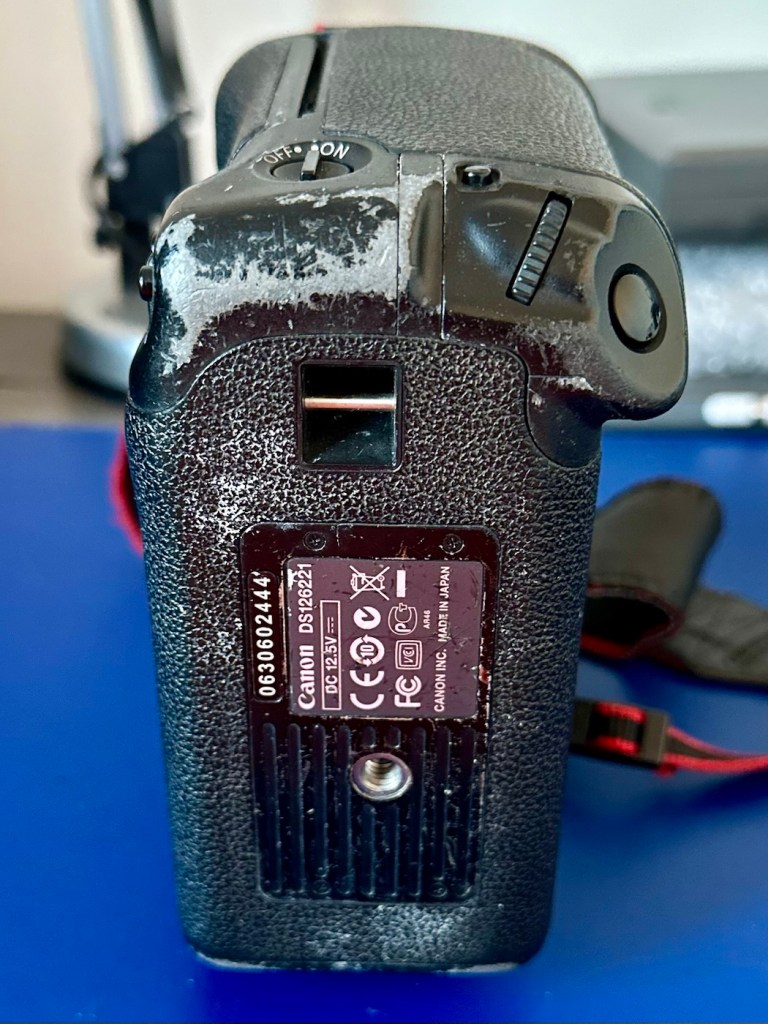
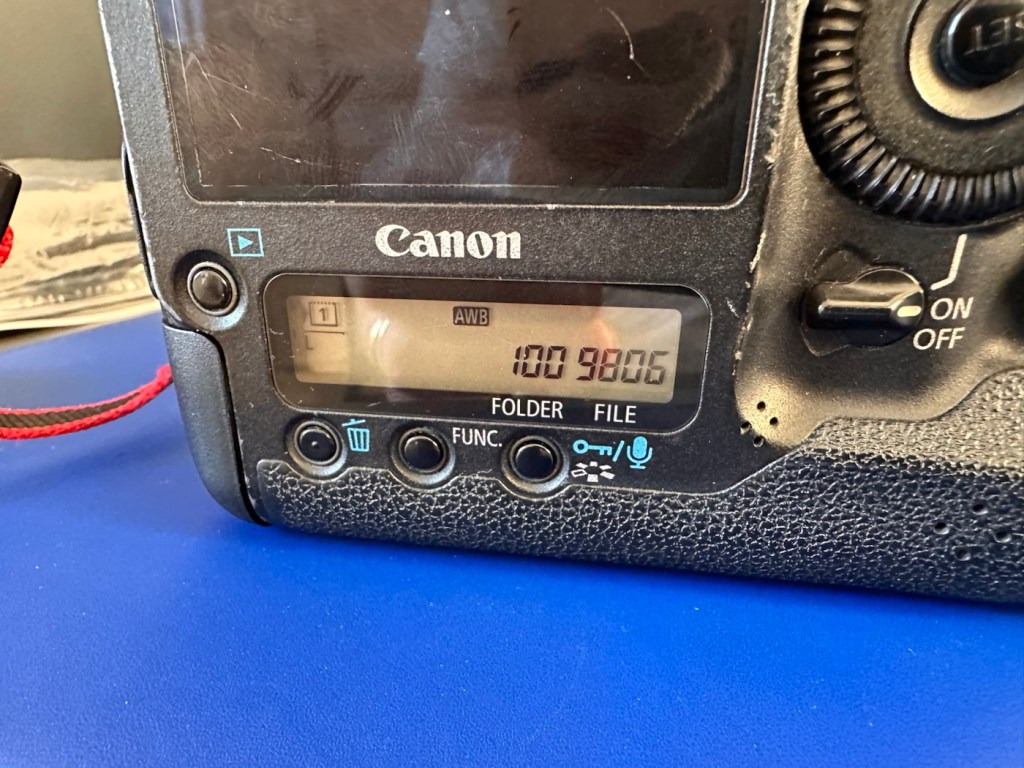
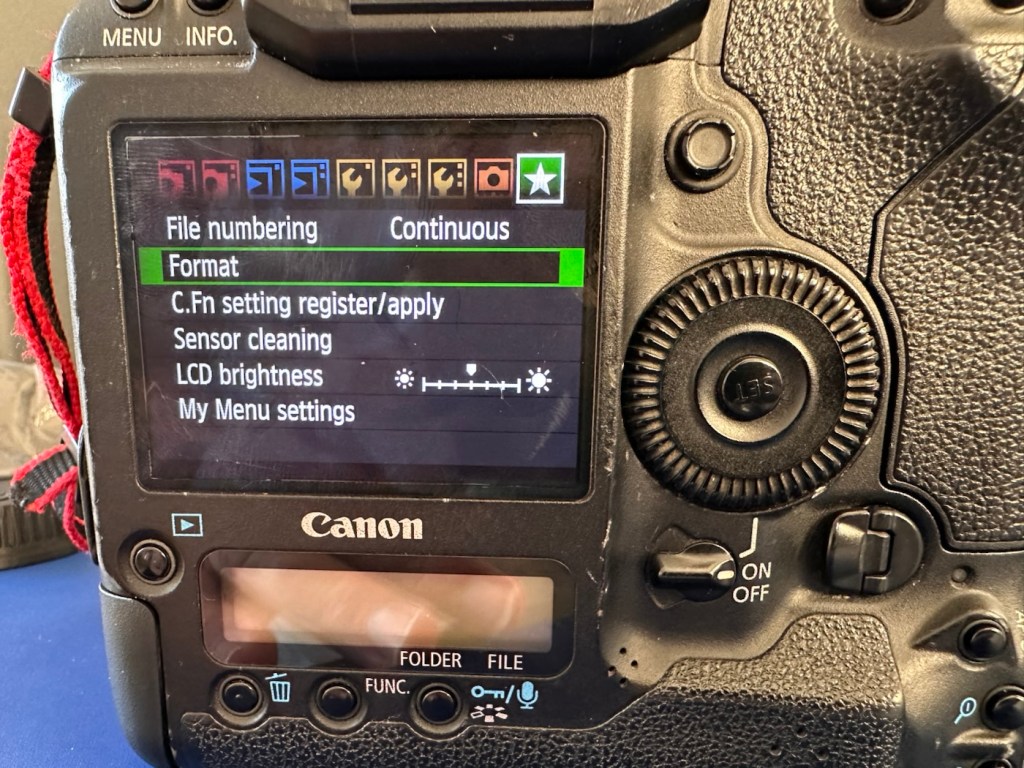
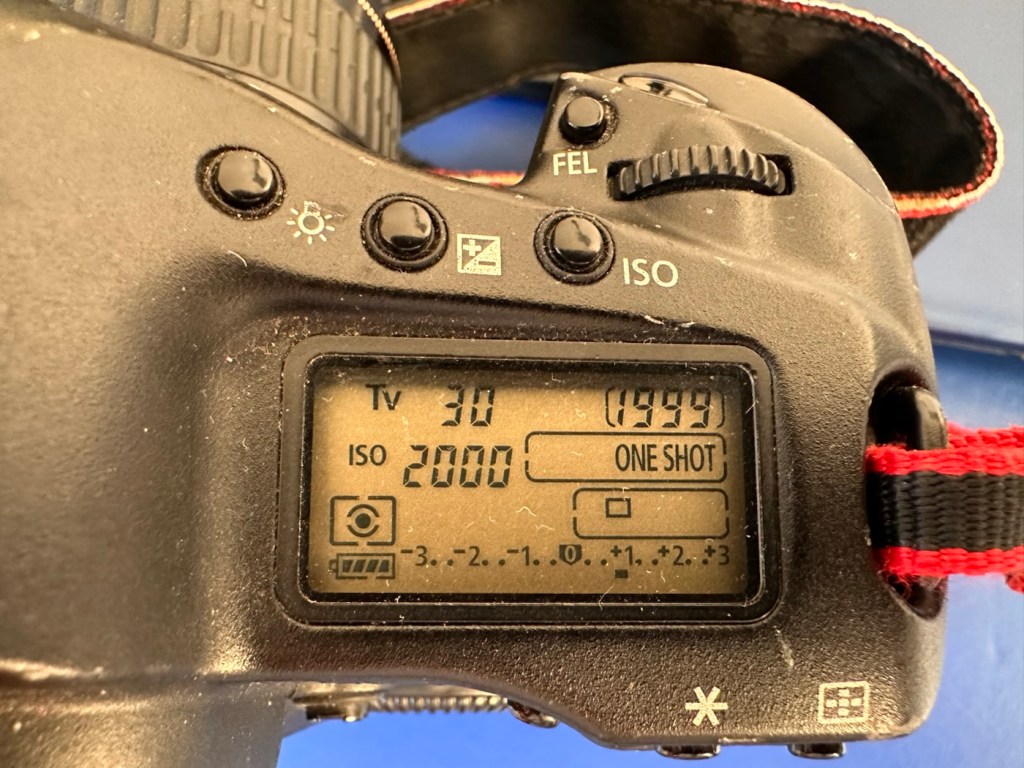
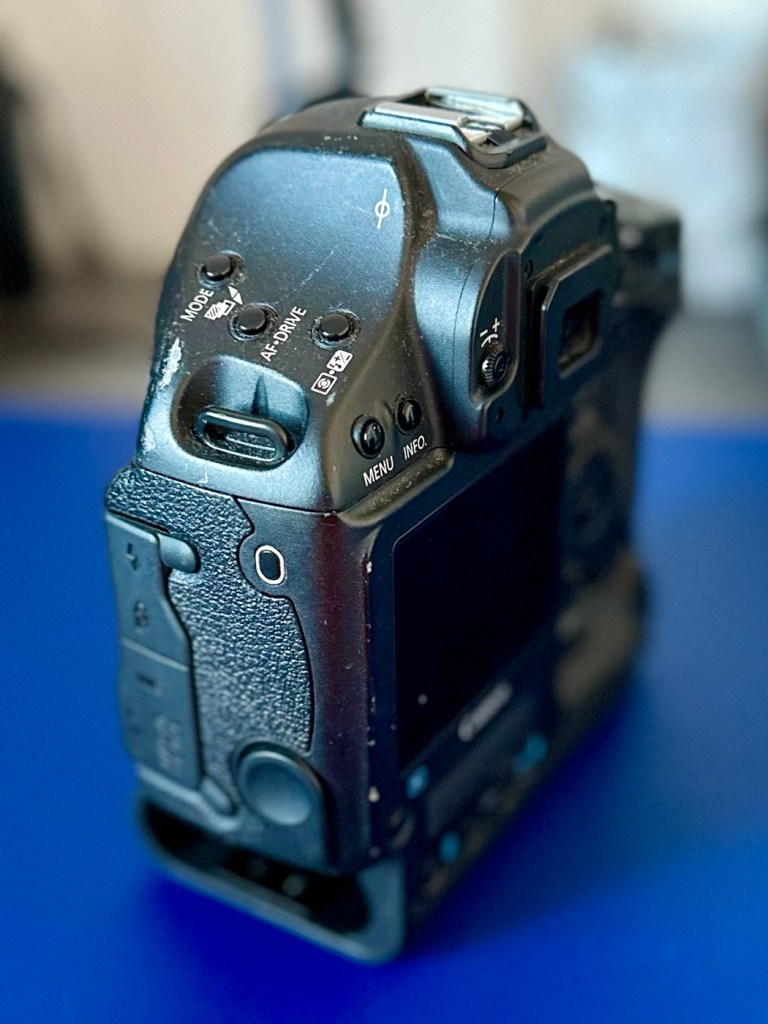
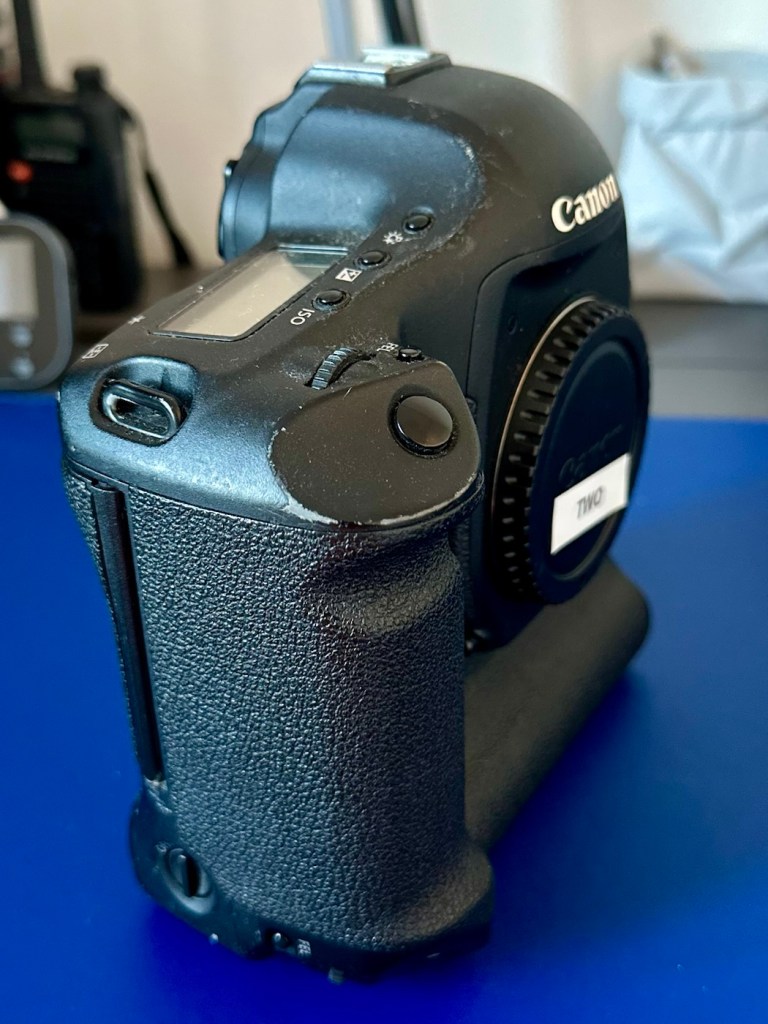
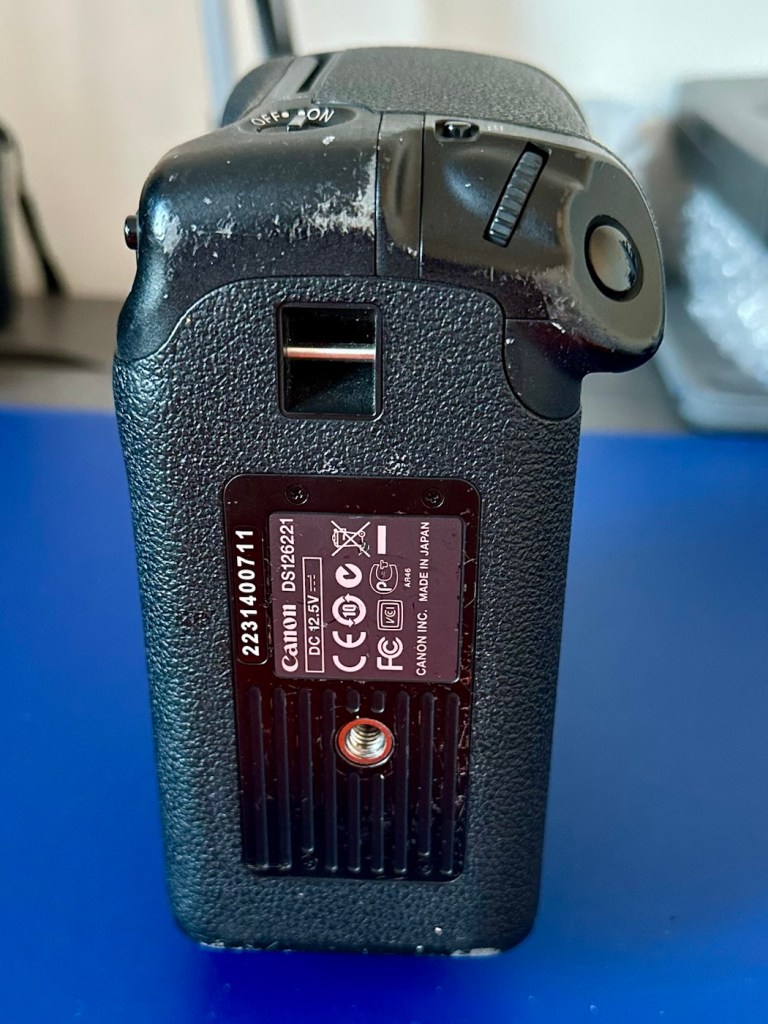
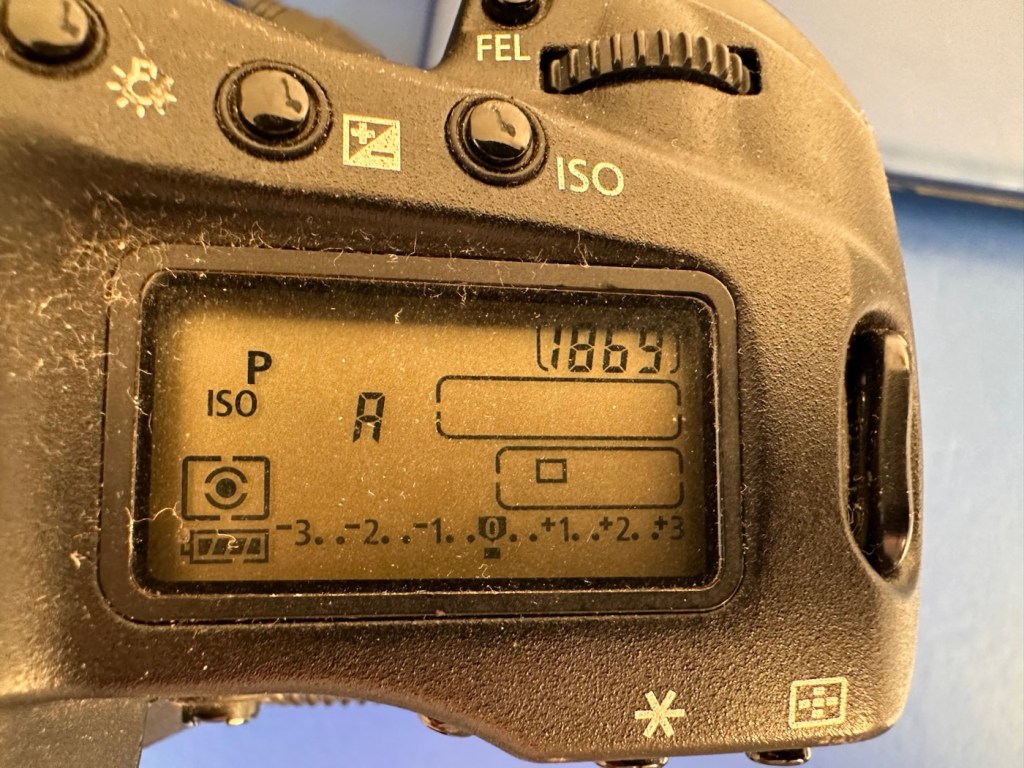
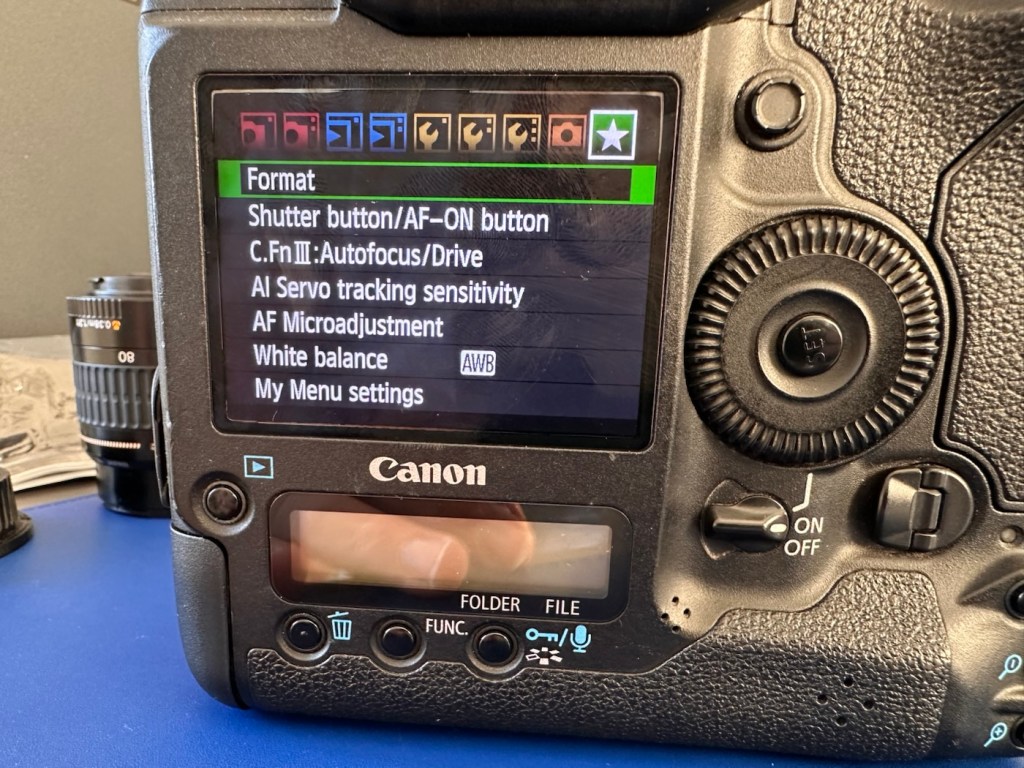
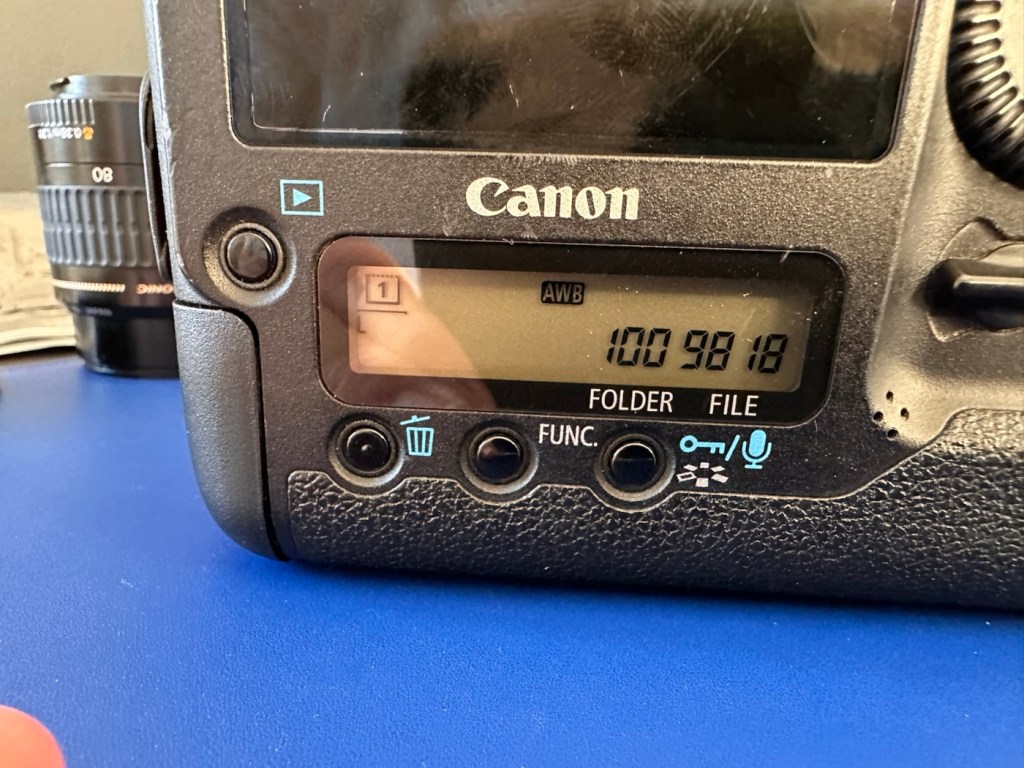
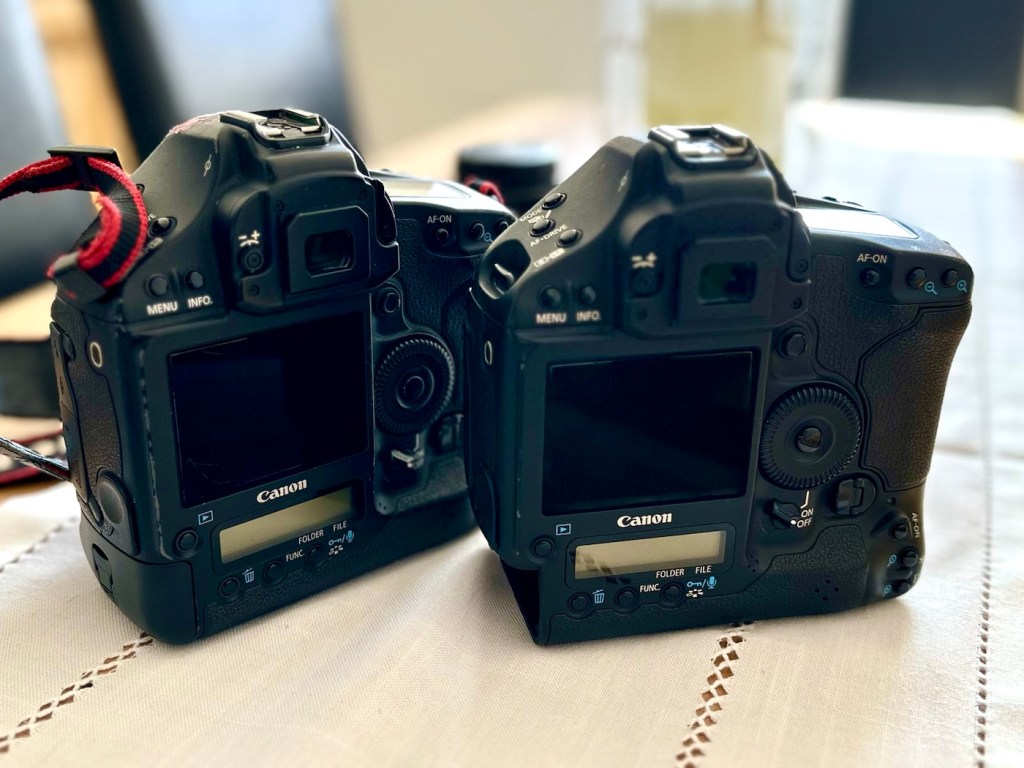
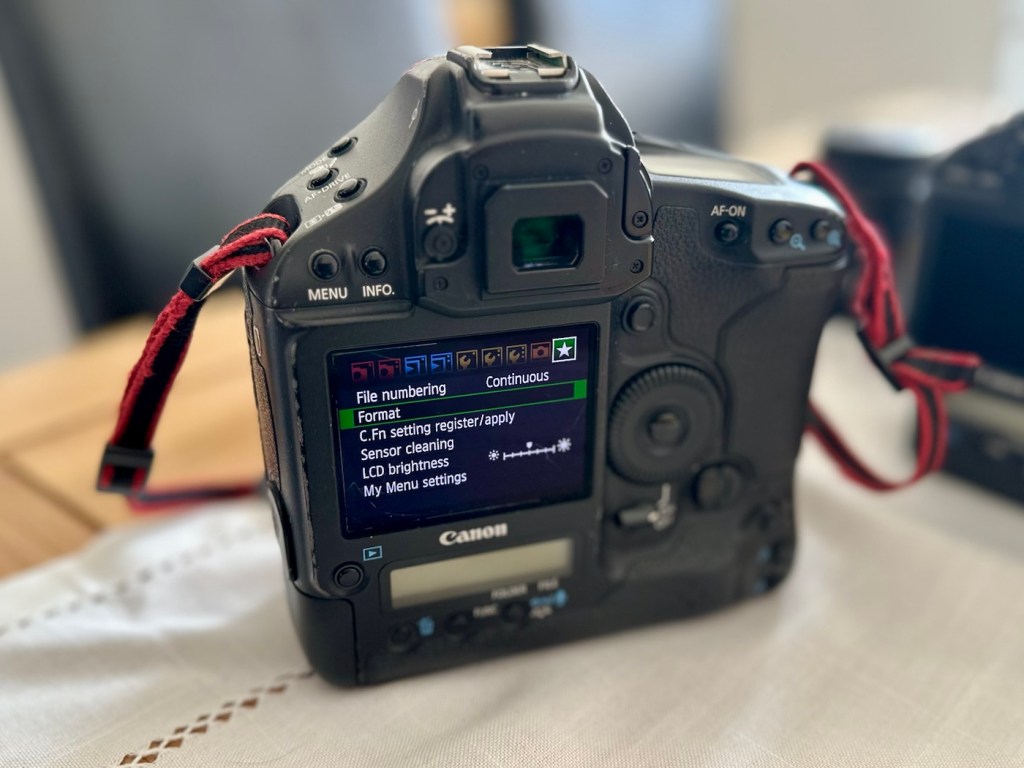
Here are the pictures:

I can pretty much pinpoint the last time this camera was used, as in the CF card slot there was a 16GB card installed and when downloaded there were six photos on the card, below you can see two of these images.

The photos show a football ground, it’s the Queen’s Park rangers ground in London, and you can see the Stanley Bowles stand just to the right. The photographer is in the usual position where you would find sports photographers attending a football match. The exif data in the photo gives the date as 30th August 2022, and if you check records you will see that QPR were Playing Hull City that evening, and QPR were the winners 3-1. We have a date that informs us this camera was last used almost four years ago. Interesting isn’t it?

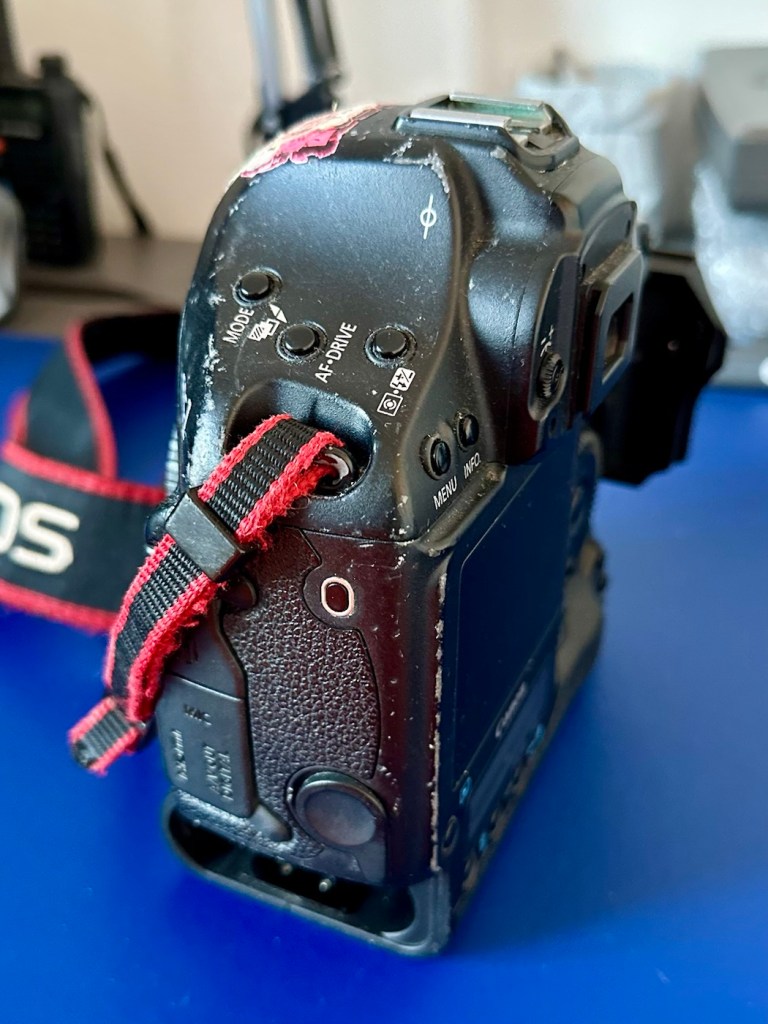
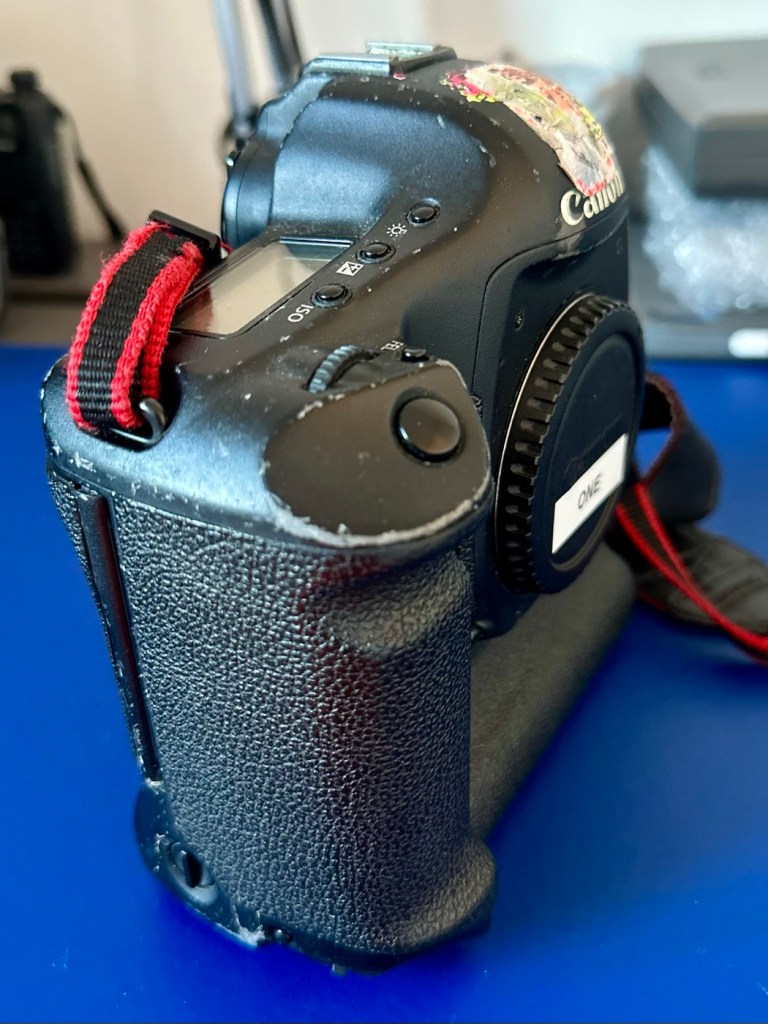
So of the two cameras this one seems to have had the hardest life, I very much suspect this one is the older camera (it is I have checked the Canon database and it’s construction date is June 2013, the second camera is October 2014) This date may seem contradictory due to the fact the production run officially ceased in 2012, It is very possible for a Canon EOS-1D Mark IV to have a 2014 manufacturing date, even though the camera was officially withdrawn in late 2012. Professional cameras often have long production runs that continue well after their retirement date. Cosmetically it appears the most beaten up and used, with a number of old press pass stickers in the pentaprism area. There are no signs though of deep gouges or cracked and damaged metal so I’m confident this camera has not been dropped. It has had a tough life. It’s a tough camera though.

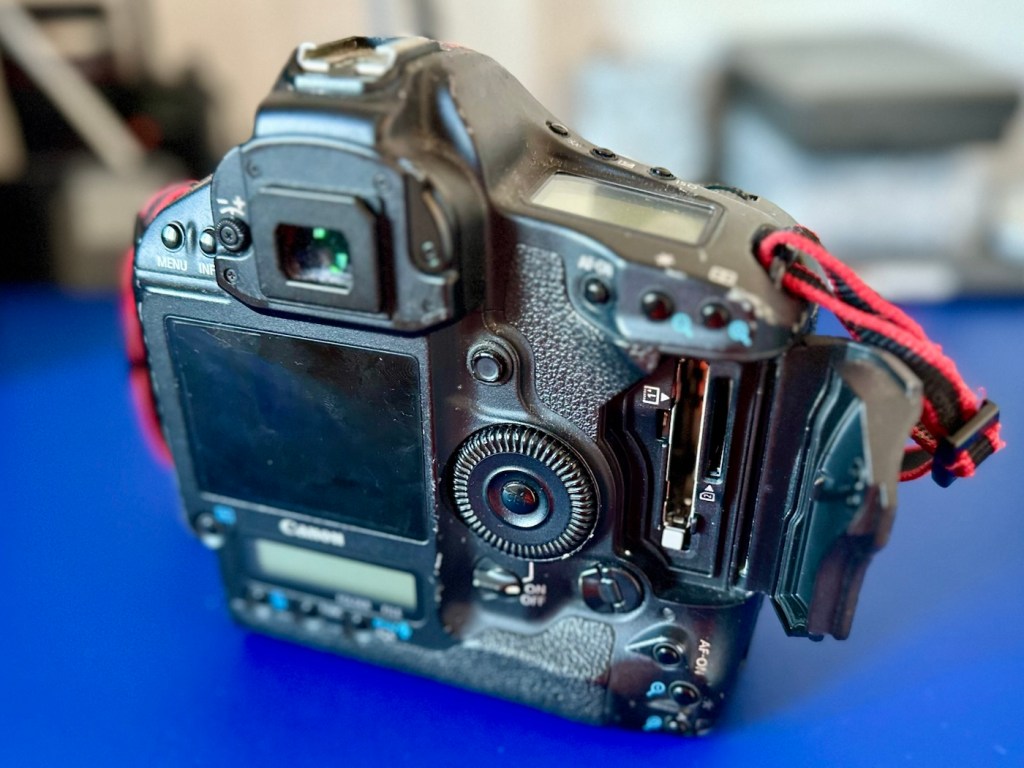
The CF card and SD card holders are both in a good condition, both accept cards without having to use any force and all pins are in a good condition, I’m confident there are no issues in the memory card area.

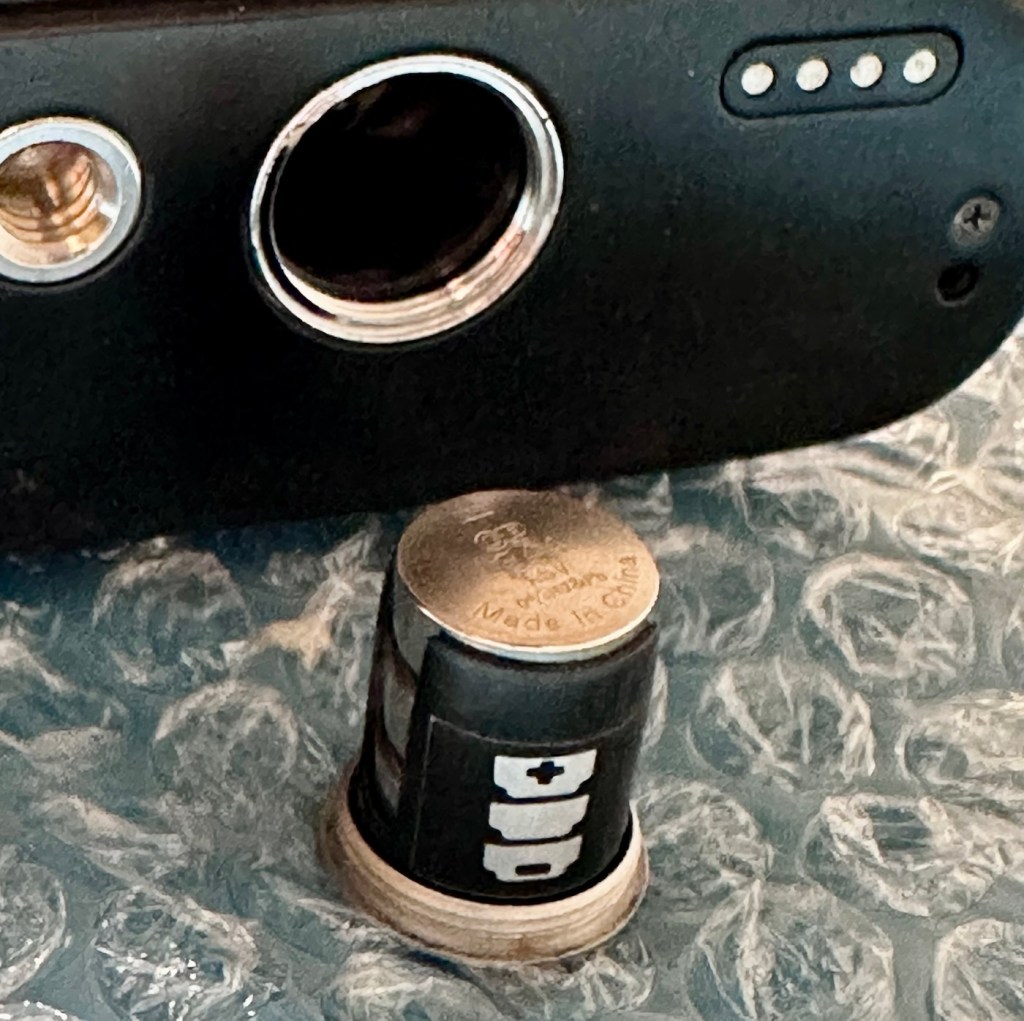
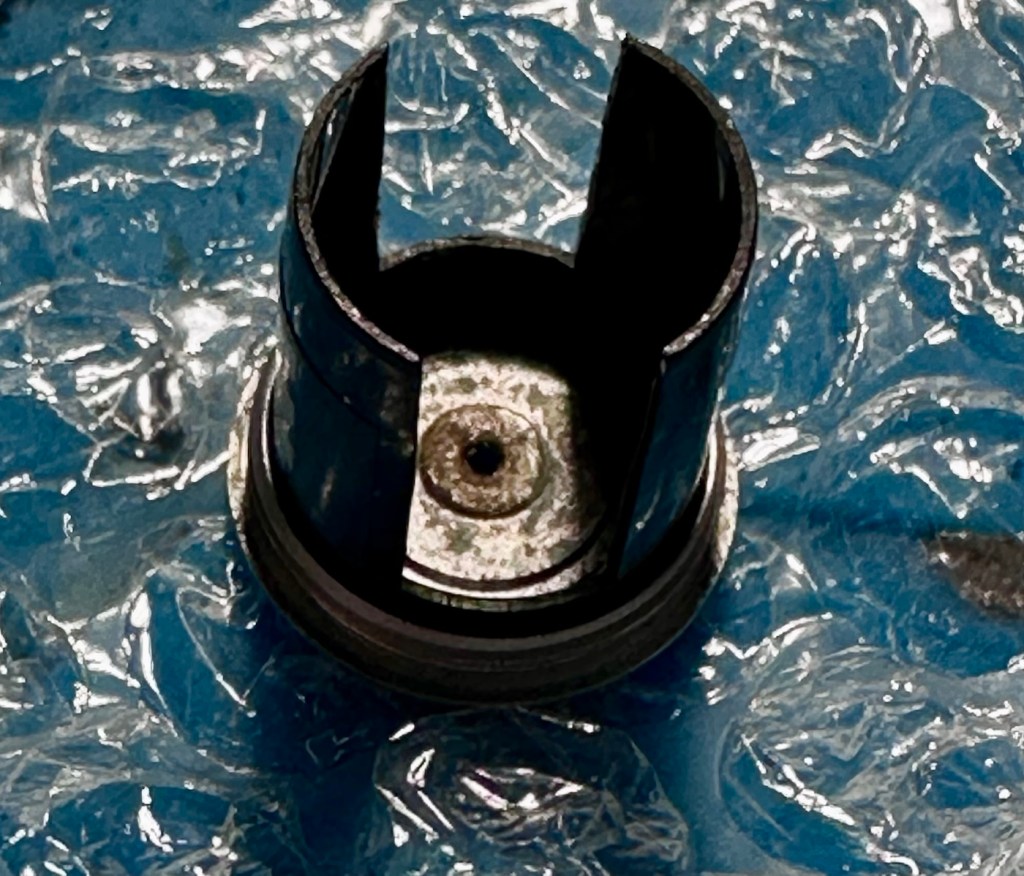
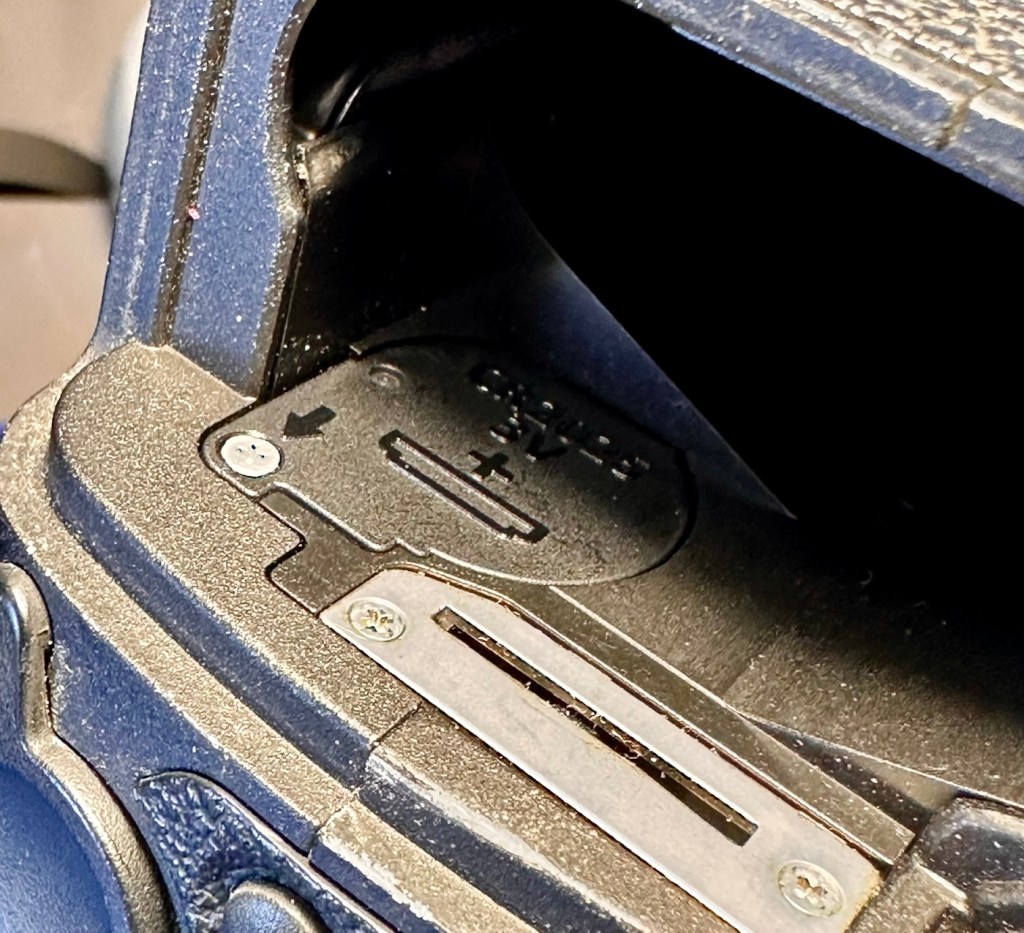
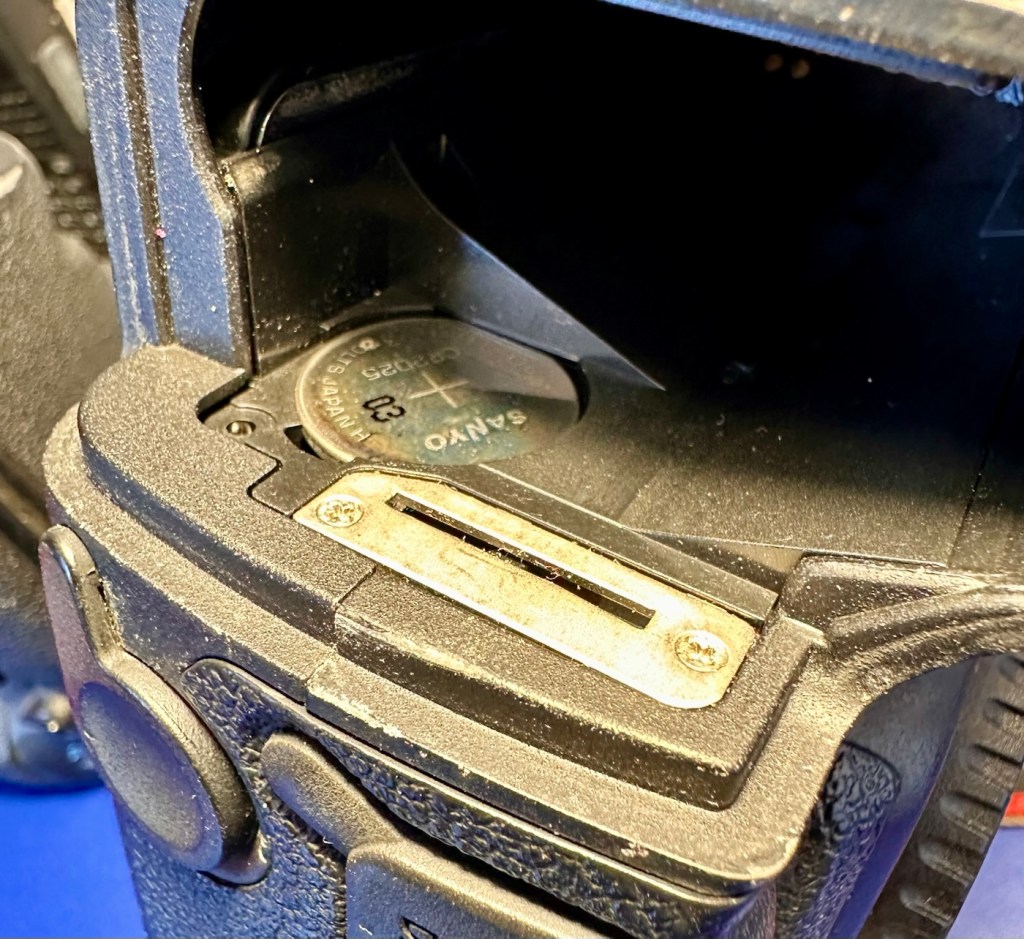
The clock battery is accessible at the point where the main battery fits in to place.

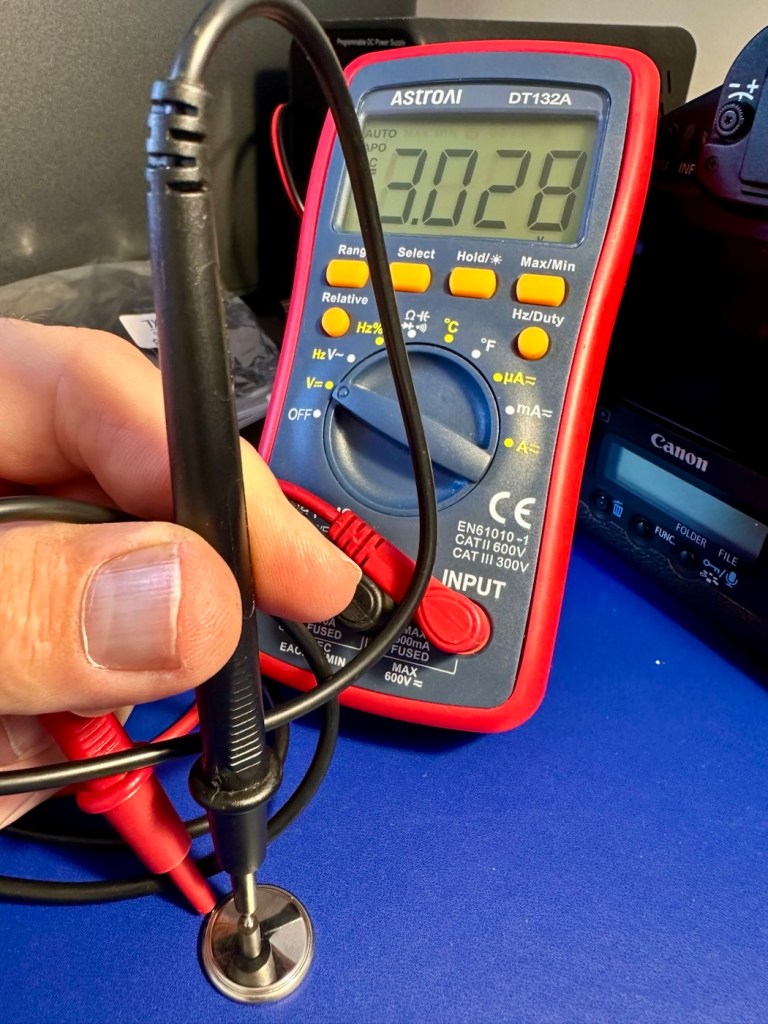
The battery is a CR2025 lithium coin cell. When tested the battery has a value of 3.028V. This is a sufficiently good charge for its purpose and is good seeing that this camera has not been used for the last four years.

Holding a good charge

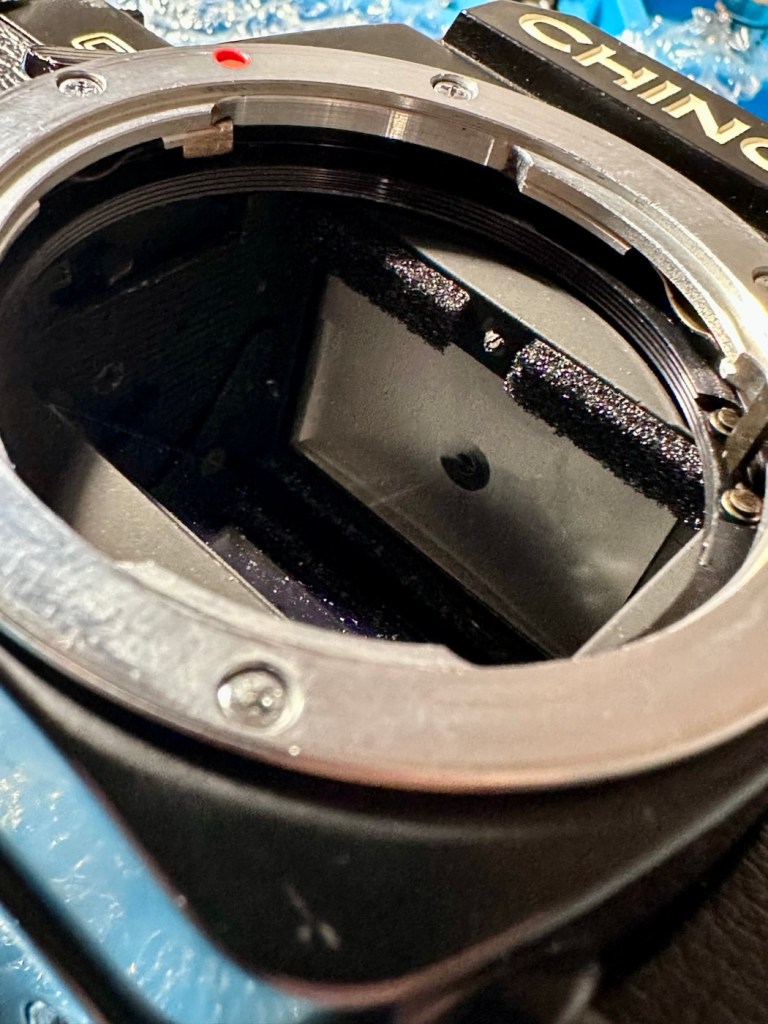
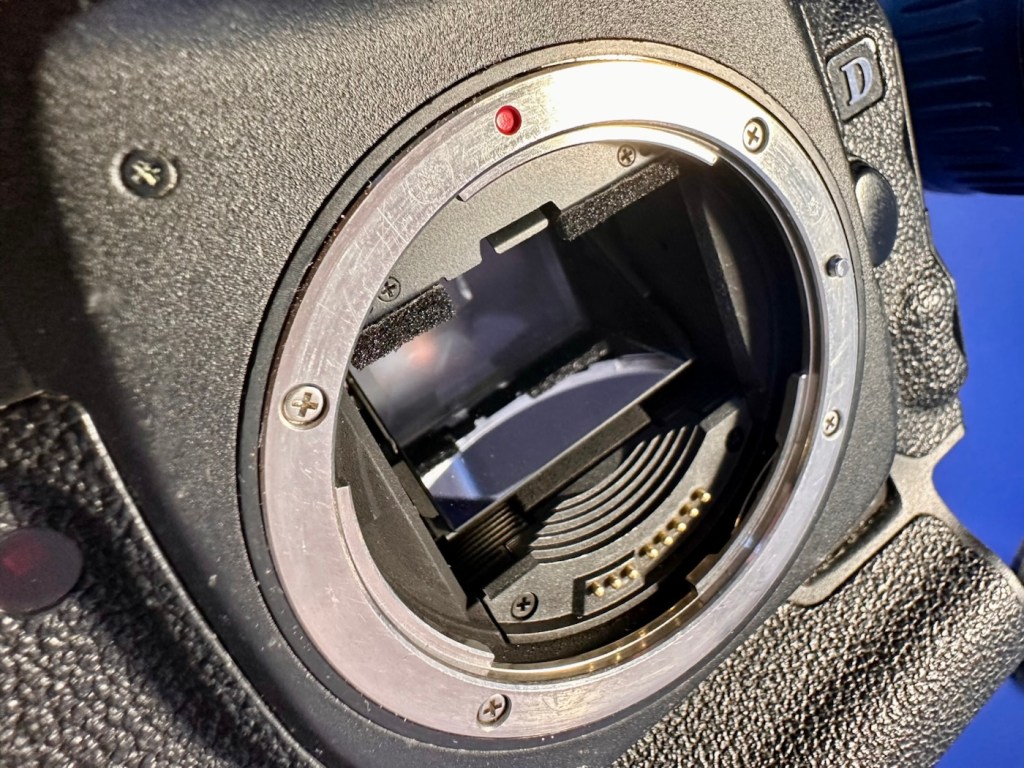
Moving on I’m looking in the lens barrel and the pentaprism and both mirror and viewfinder are extremely clean and clear. The rugged, bruised exterior has protected the delicate, clean and tidy interior. It certainly is a very well constructed camera.

All lovely and clean inside

The next thing I do is test the actual workings of these cameras, however that can’t be done until later today when the battery and charger that I ordered a couple of days ago arrives.

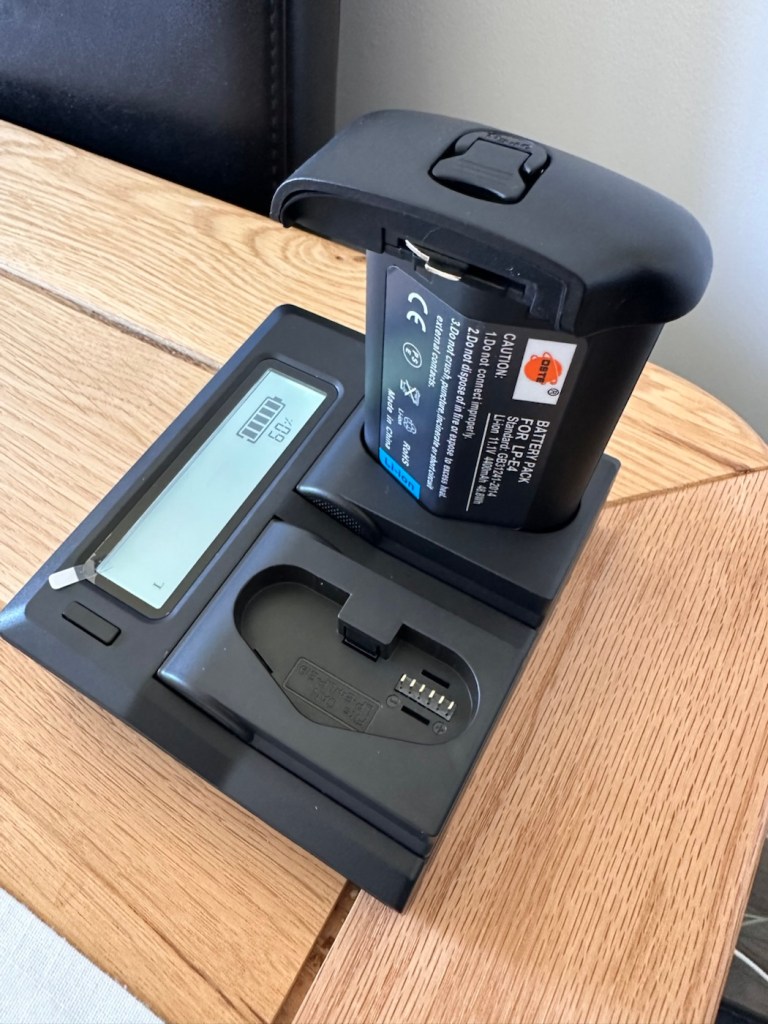
The battery and charger has arrived:

It’s here!

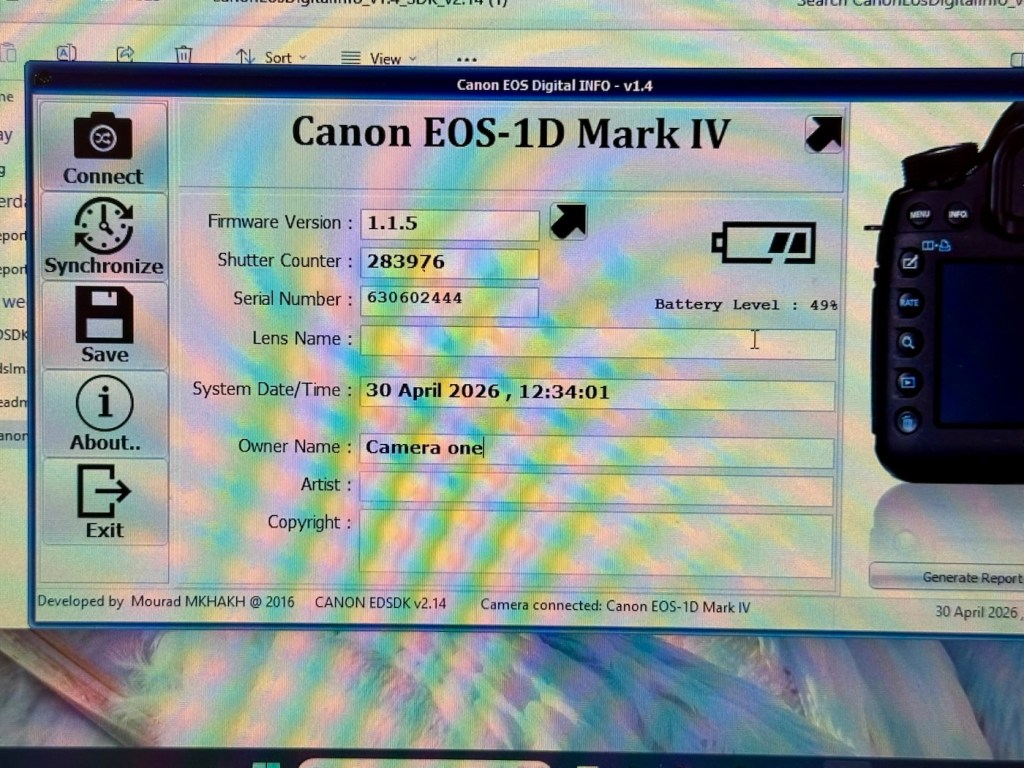
First thing I have done is to put the battery in its uncharged state, into the cameras just to see if there is life and the news is good with both. This Camera, number one has the following information.

Camera one information

It was the most beat up camera and it does have the highest shutter count at 283,976 actuations, the shutter life cycle of these cameras is 300,000 actuations as tested by Canon, so it is a very high count but still has a bit of life in it before it reaches the potential shutter count ceiling.

The good news is that this actual camera does have the latest firmware update of 1.1.5 so at least that doesn’t have to be downloaded and installed.

Battery now fully charged I have finally been able to put this camera through its paces test wise. And hells bells I’m so impressed. It was already set in quick fire mode so when I pushed the shutter button I was shocked to see just how quick this camera responded. It was rattling off shutter actuations at a breath taking 10 frames per second, wow, the sound was amazing!

10fps mode….impressive

It’s not hard to see why you can get such a high shutter count on these cameras with such shutter activity, it absolutely makes sense why these cameras are used in high speed activities such as sport and wildlife photography.

All displays are working as normal, all button actions and dials are doing exactly what they should be doing. This camera is in a good healthy condition.

As an older camera it is packed to the rafters with settings and possibilities, there is so much to learn around its operation, its capabilities and settings. It’s built like a tank, weighs a ton, makes a lot of camera noise that I relate with the good old days and I just absolutely love it.

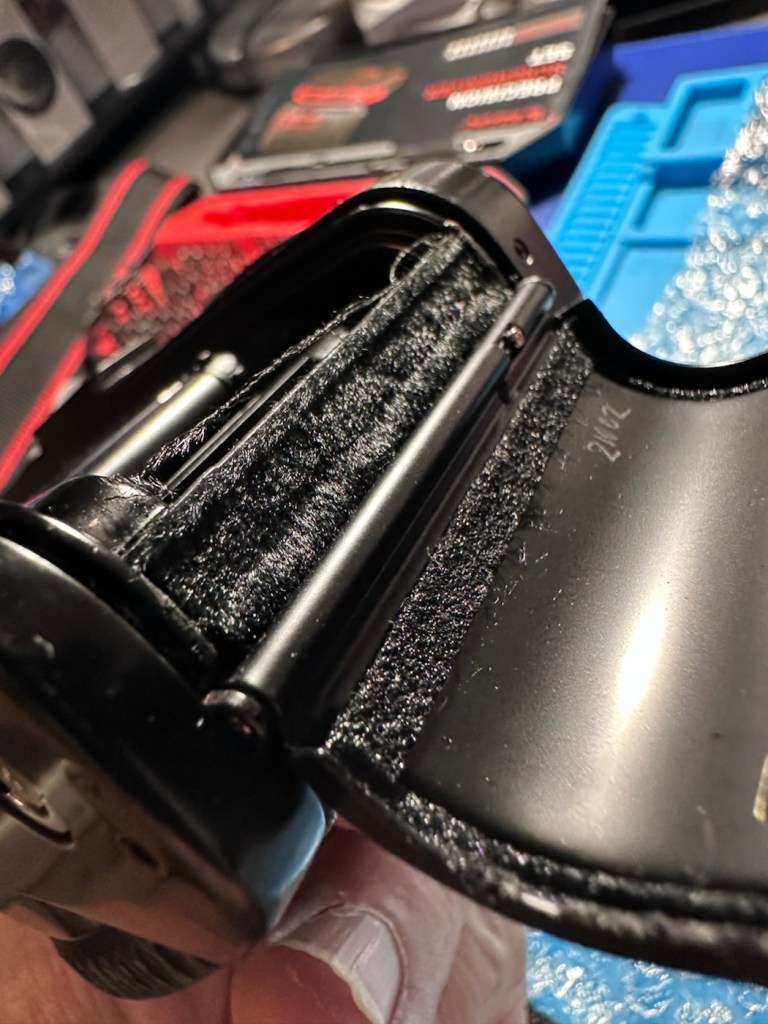
Even the shutter bumper foam is in good condition and does not require replacing yet.

Camera two:

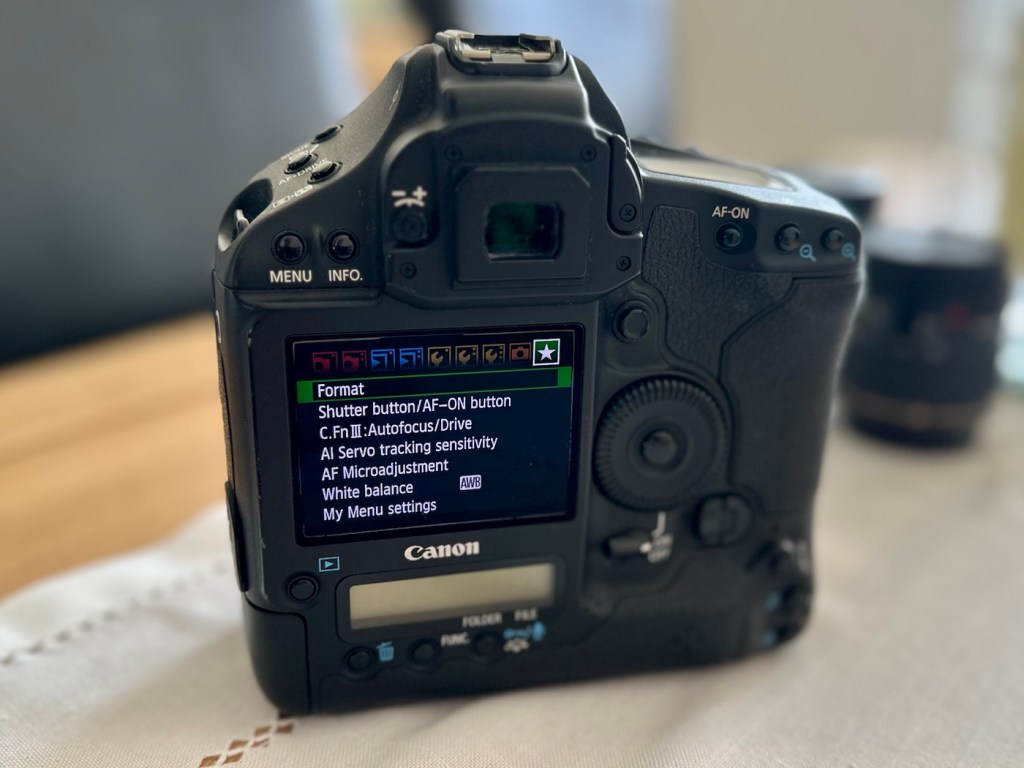
Here are the pictures:

Camera two is only 16 months younger than camera one, and you can see that difference in cosmetic condition immediately. The wear and tear on this model is considerably less than that found on its counterpart. This camera had no CF card inside so there was no way of putting a last used date on this one.

As with camera one there are no signs of the camera being dropped, no damage to the metal casing being cracked and no sharp dents visible. The Cf card and Sd card holder both take cards without any force having to be applied, and all pins are in a good order. I’m confident there are no issues in the memory card area.

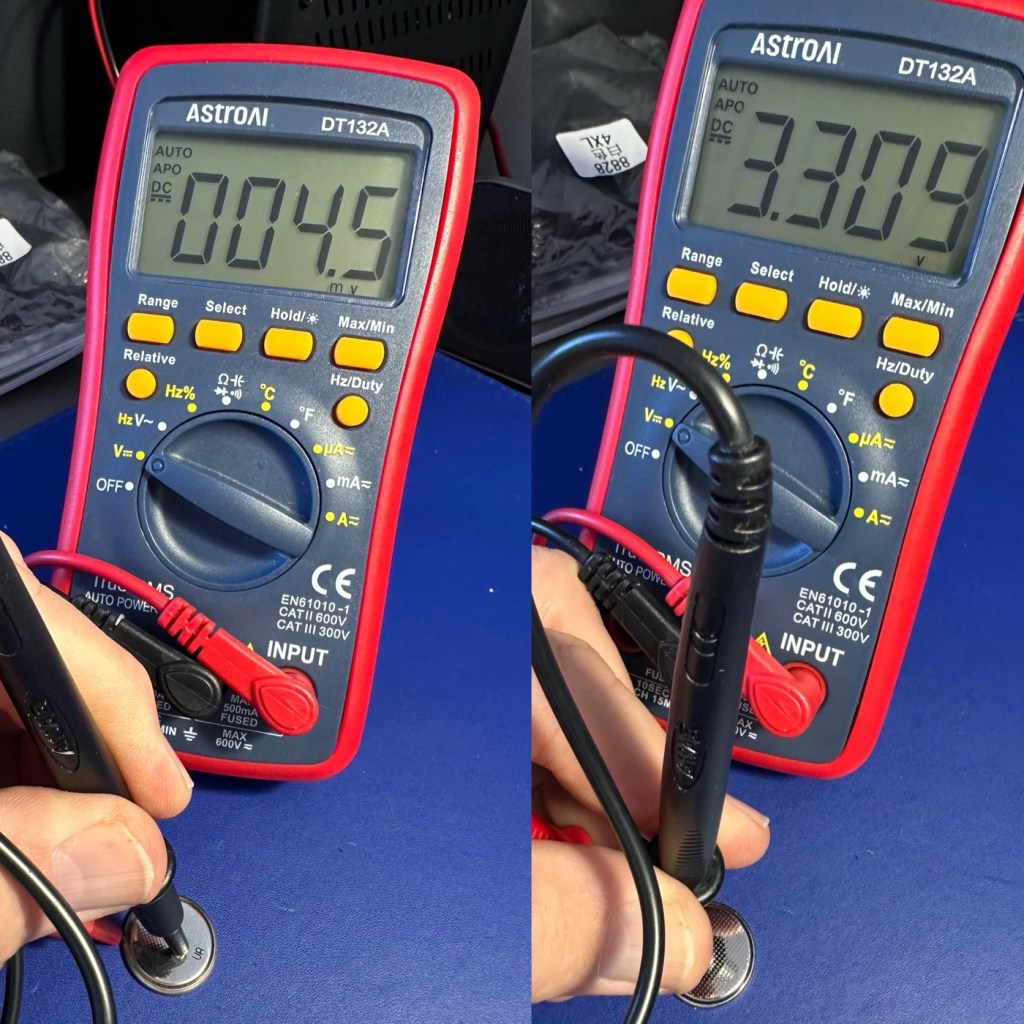
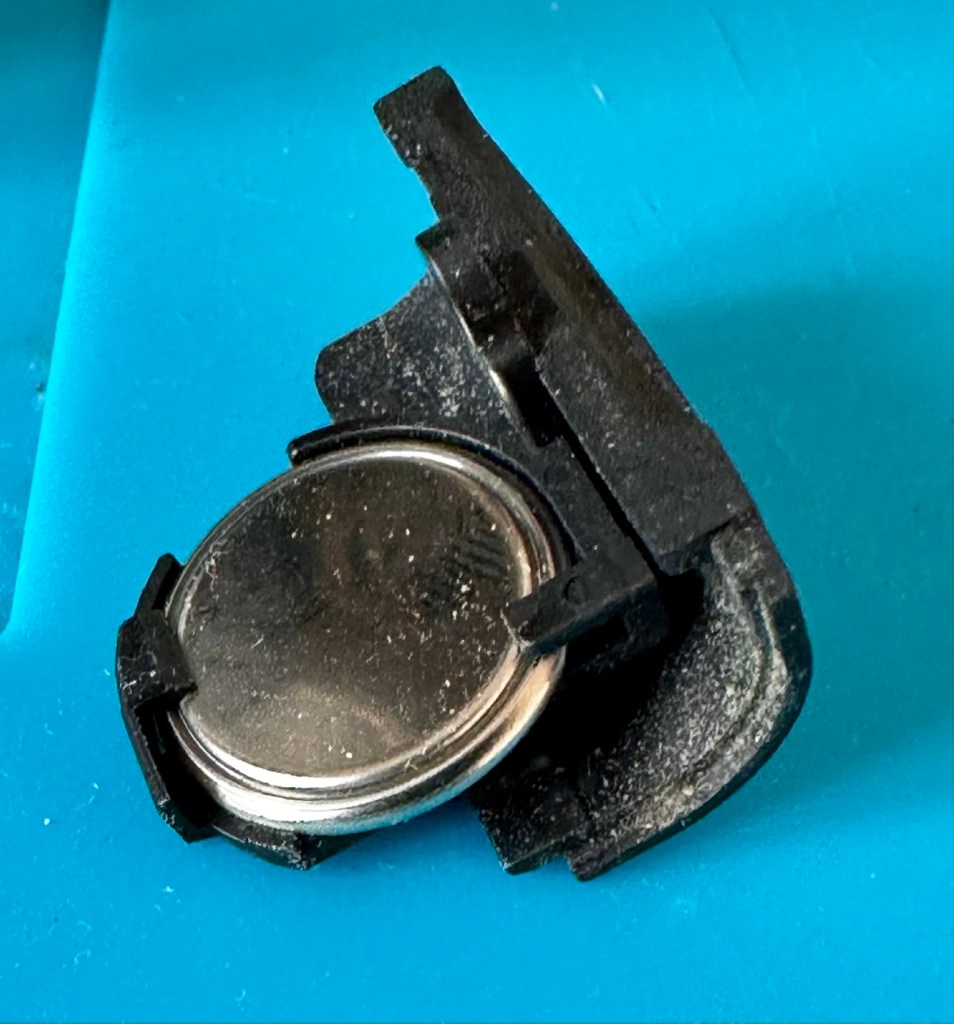
The clock battery reading is a very low 4.5mV it is very dead. I have therefore replaced this with a CR2025 3V lithium coin battery reading a lot healthier 3.30V.

Clock battery reading, before and after

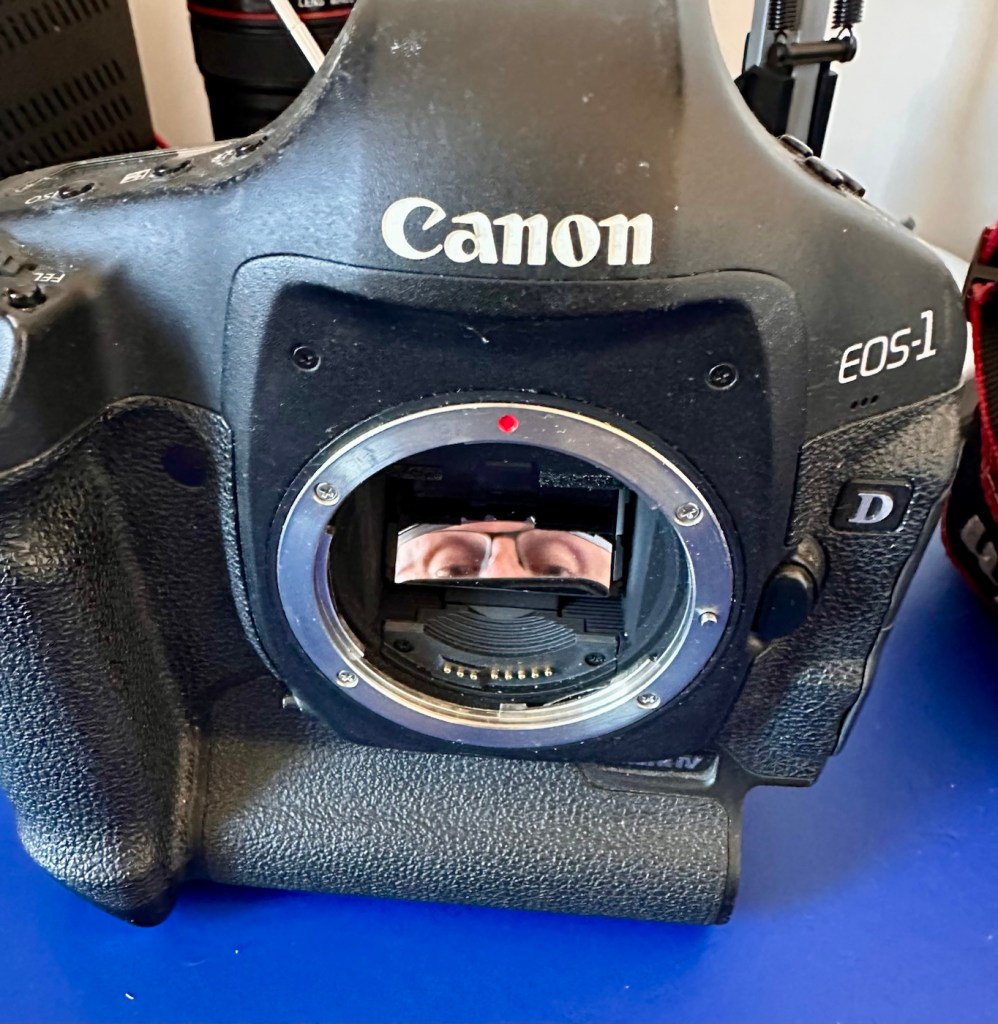
Again as in camera one, the viewfinder and mirror are both very clear and the lens barrel is very clean, having been protected by the rugged camera exterior.

Weird face in the mirror – it’s clean though

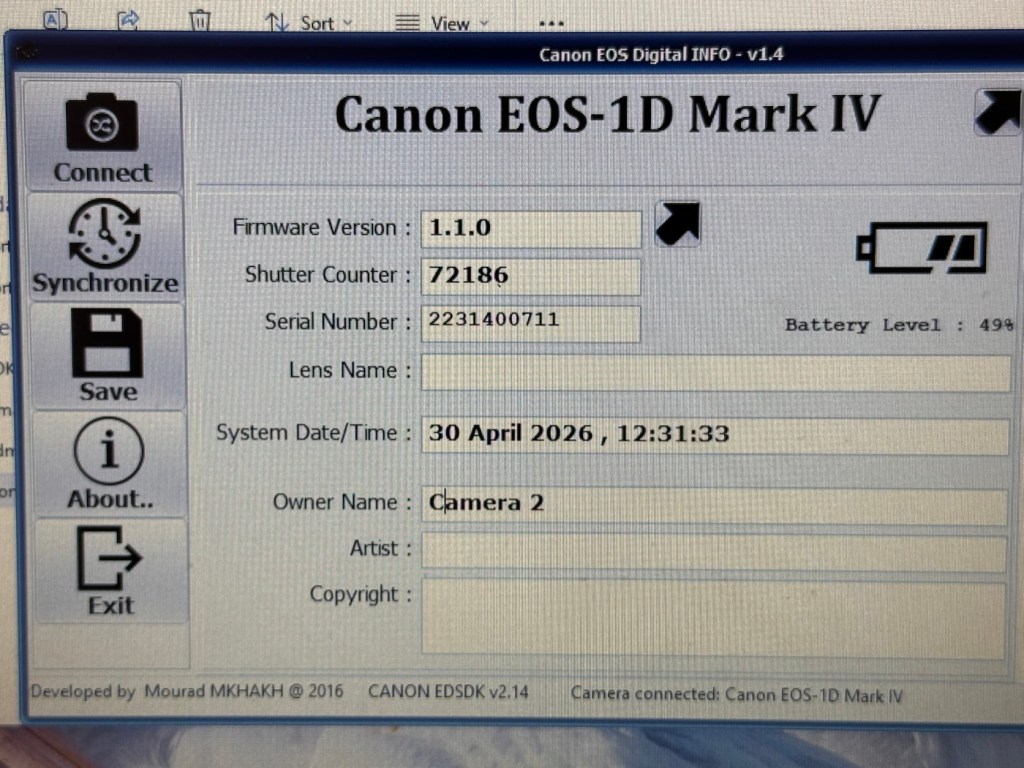
With the new battery that had just arrived installed, it kicks into life and I am then able to get the following information from the camera.

Camera two information

This camera in comparison to Camera one has a really low shutter actuation count of 72,186. The tested shutter count by Canon is 300,000 actuations, so this camera still potentially has a lot of life left in it.

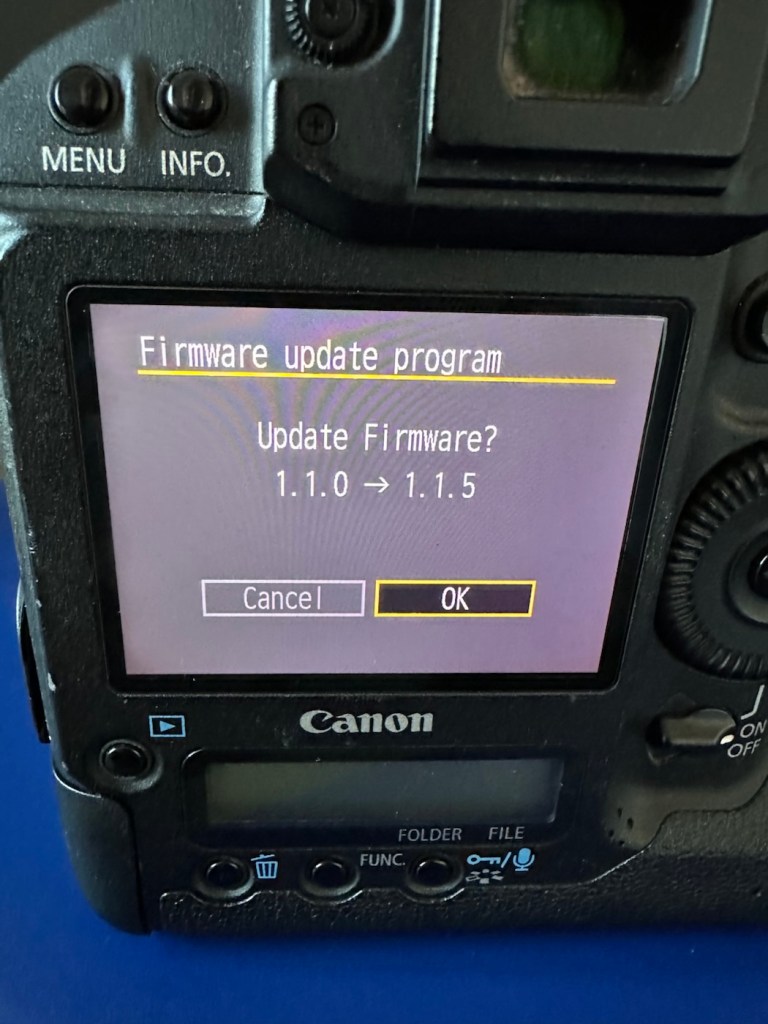
The camera firmware will need to be updated to the latest firmware of 1.1.5 as it currently has a slightly older firmware installed of 1.1.0.

Ok, I’ve downloaded the firmware file and extracted it to the CF card I’m using in the camera. Let’s get it installed.

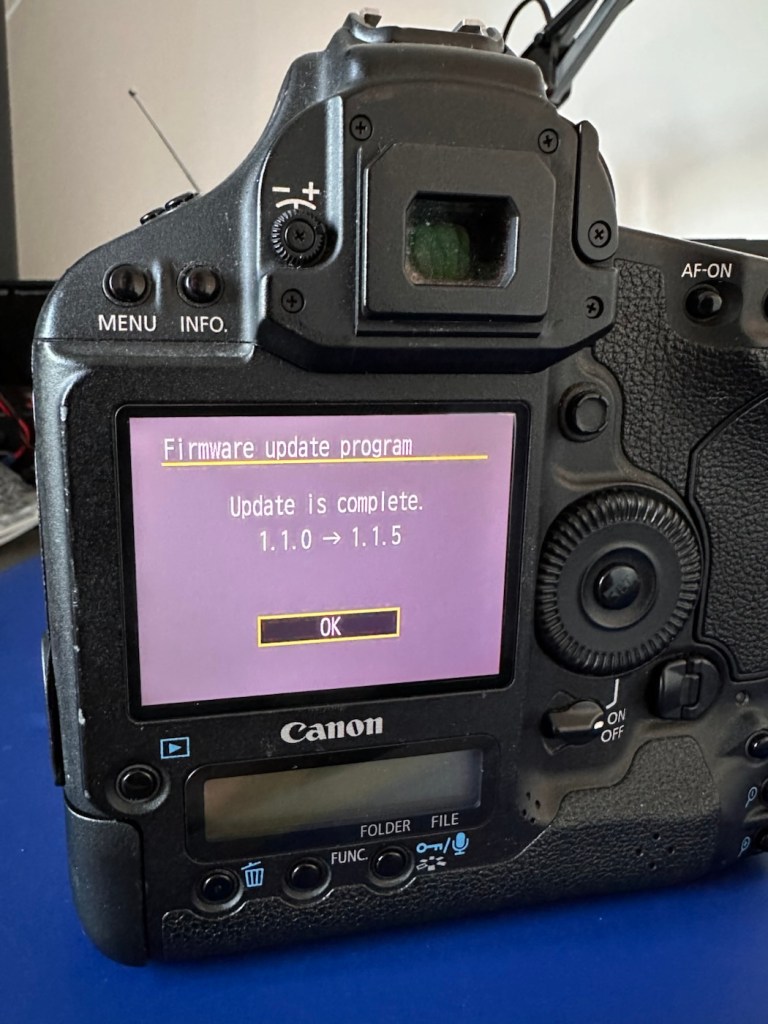
The camera firmware is now updated.

As in camera one, with the newly charged battery installed the immense high speed of the shutter is highly impressive. All buttons, dials and switches function as they should and all displays are clear and sharp in appearance.

All serviceable parts remain in a good condition, even the mirror bumper foam is in a good state and does not require attention yet.

Repair:

I’m now going to condense this section into a mix of both cameras. It’s a bit of an anti climax for anyone wanting to see a meaty repair post as that’s just not going to happen here. Both these cameras, though used and in one case extremely highly used, have both been maintained and looked after during their life. So for me my job has been easy, and going forward I will just maintain them in a similar manner.

A quickly shot image indoors

I see absolutely no point in tampering with them now, they are working just fine and are in a perfectly good condition. Their construction is so solid with their metal weather sealed bodies, that the last thing I want to do is compromise that construction and security just to fill space in a post..

A quickly shot image outdoors

All I’m going to do at this point is polish both cameras. Camera one with its beaten up body and press pass stickers is just going to stay like that, I want that to remain as a constant reminder of its use, and its purpose as a high usage press photographers camera, it’s a work of art in itself and that’s how it will stay. Camera two, again will jut be polished, it’s the more acceptably presentable “Cosmetically” camera and with its lower shutter count and will probably be the unit i will concentrate on using myself.

A few pics from the two of them:

I’m only using very basic test lenses on these units and I must admit, even with basic optics the visual returns are quite impressive. The colours are so rich, and I love that there is also the setting to do some pure black and white shots if you so wish.

This is my new (Old) favourite camera. Why do I just fall in love so easily ❤️

When these cameras first came out they were commanding a price of around £4,000.00GBP and people were more than happy to pay that cost.

Here I am a few years later and I have been gifted two of them for the grand old price of…..Nothing.

I’m a lucky old fellah I’d say.

Result:

I present to you, two wonderfully heavy, cumbersome, noisy and beautifully constructed pieces of photographic history, and both are an absolute joy to behold.

My new long term relationship has just begun (Don’t tell the wife 😂) and I am so looking forward to getting these cameras out to a sports or wildlife watching event. To many, I know they will say, why do you want to carry one of those around, why not go mirrorless? Well, I’ve got that gear as well but I hardly use it. I’m an old 80s-2000s guy who loves the old technology, just like I love old noisy aircraft, I love to hear a camera working, it puts a smile on my face. And the chances of me owning one of these beauties when they first came out was an absolute zero. Now I have two, and I have some serious catching up to do.

Thanks for passing by, as always it’s very much appreciated.

Stay safe.

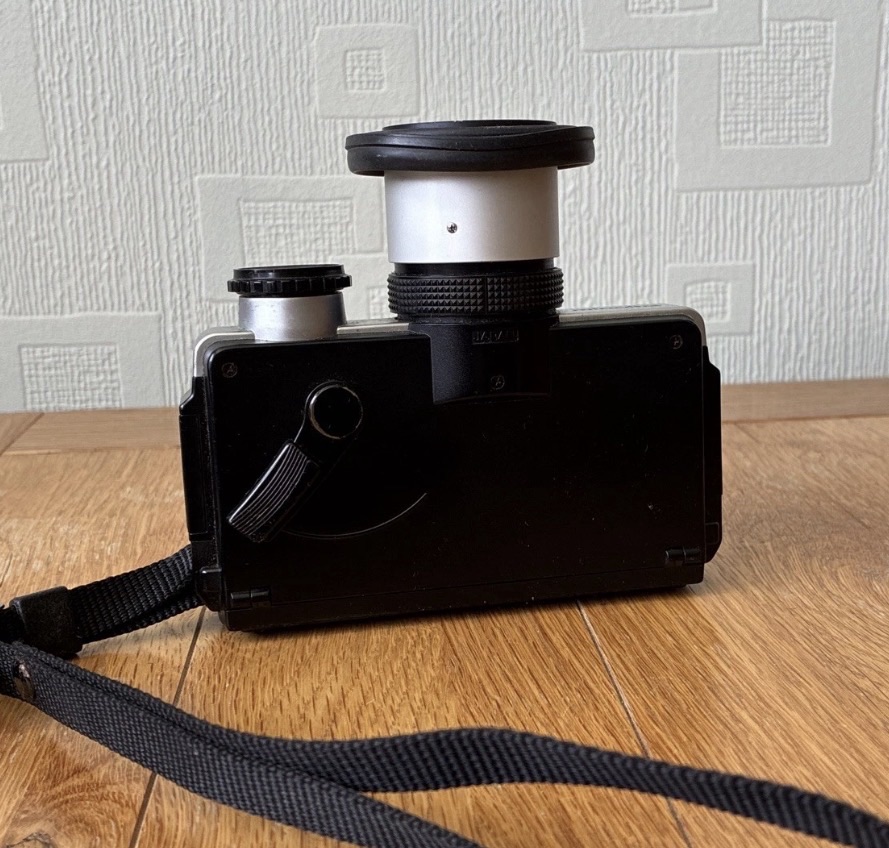
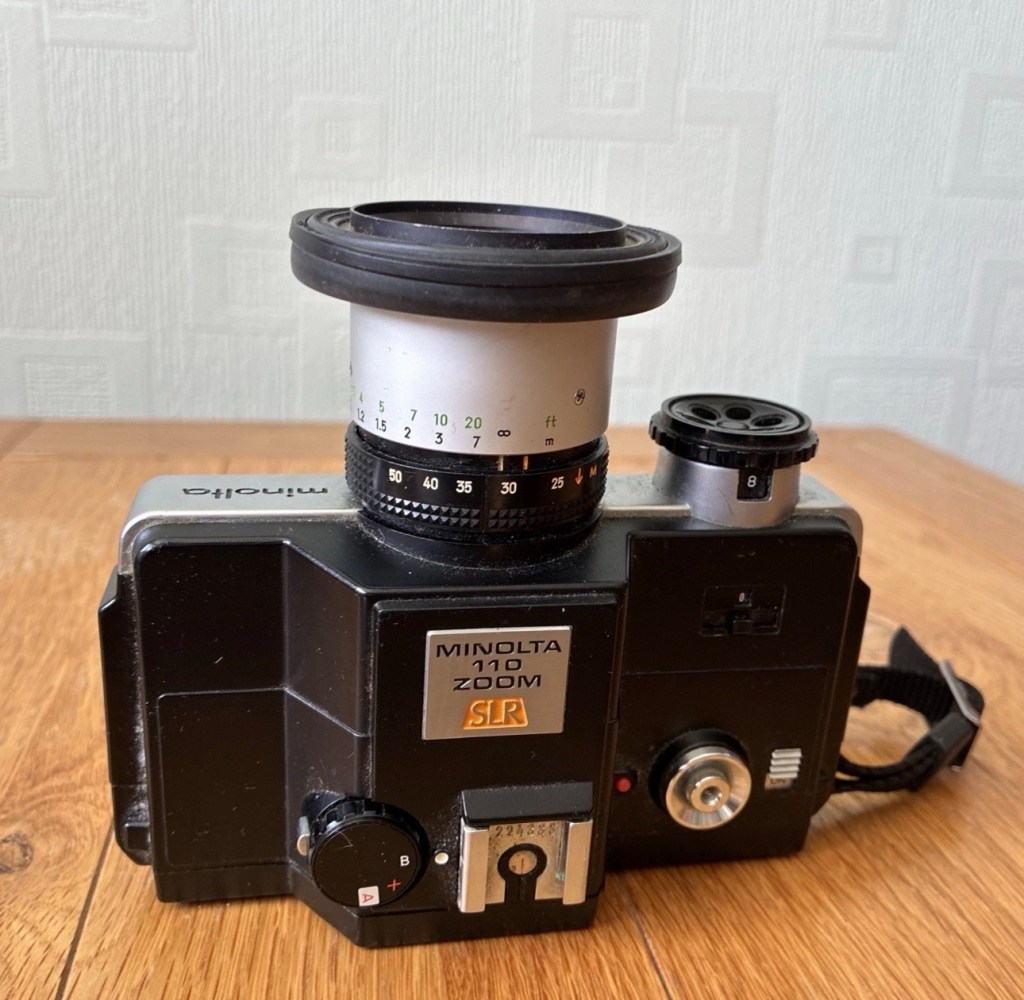
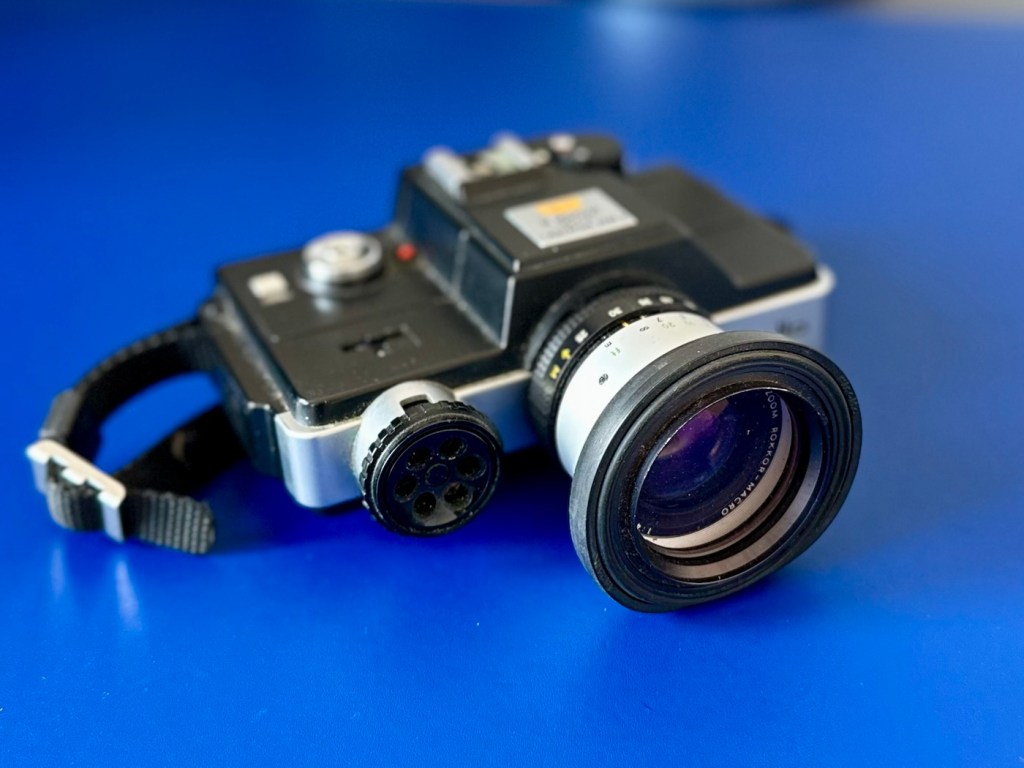
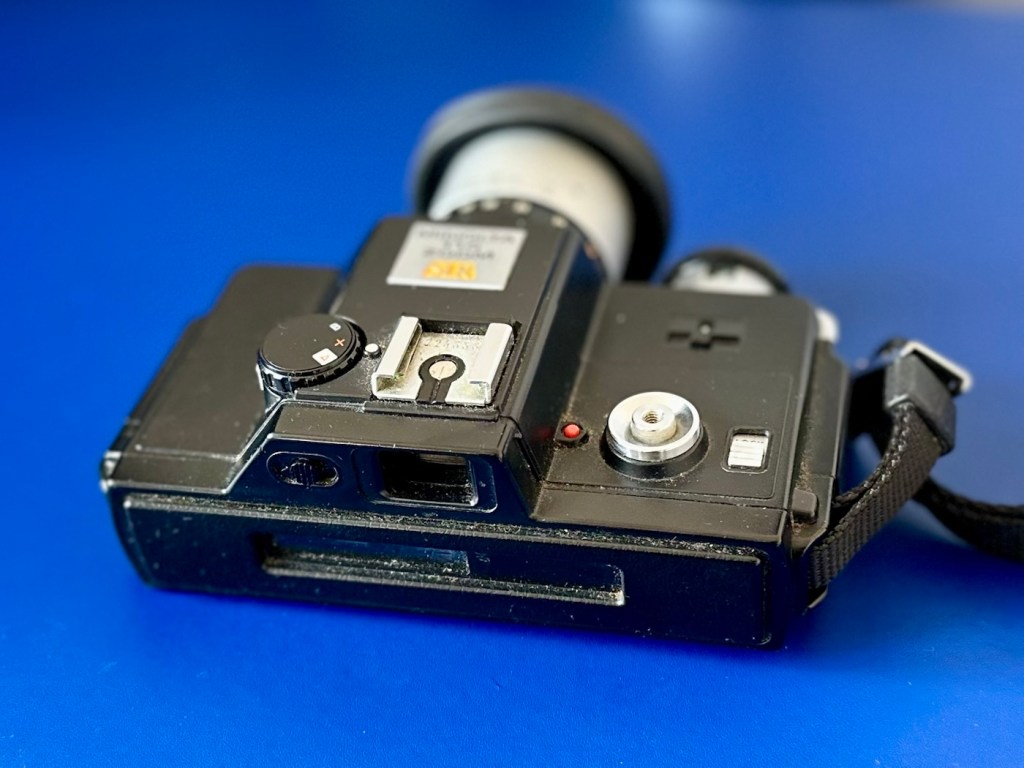
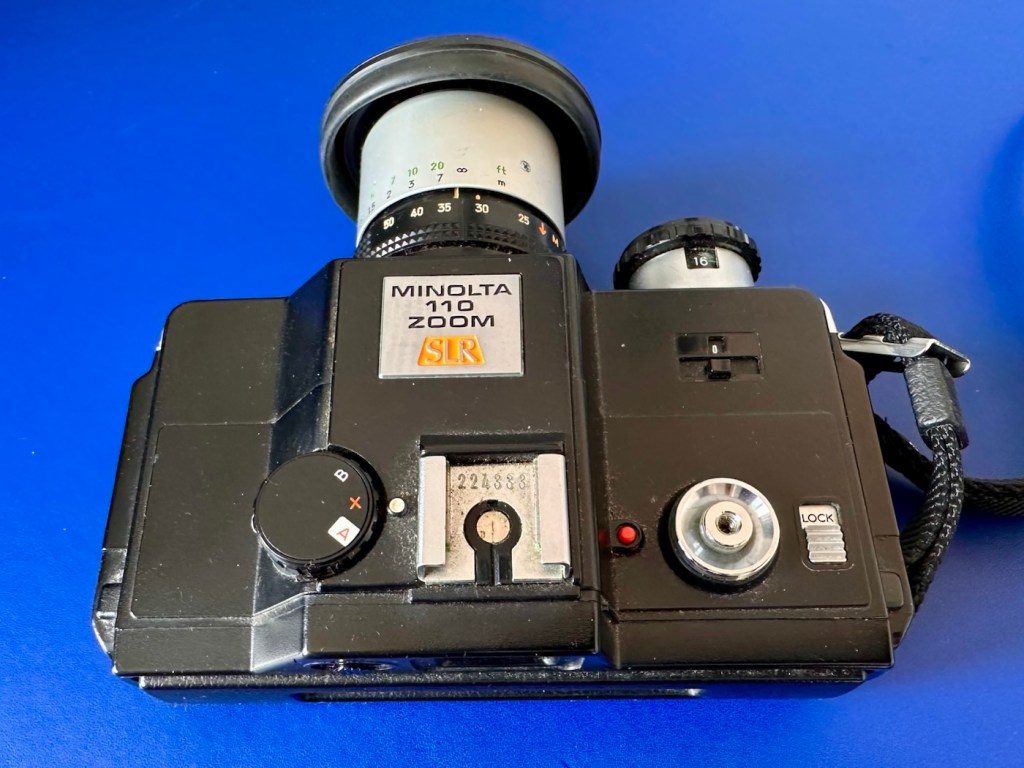
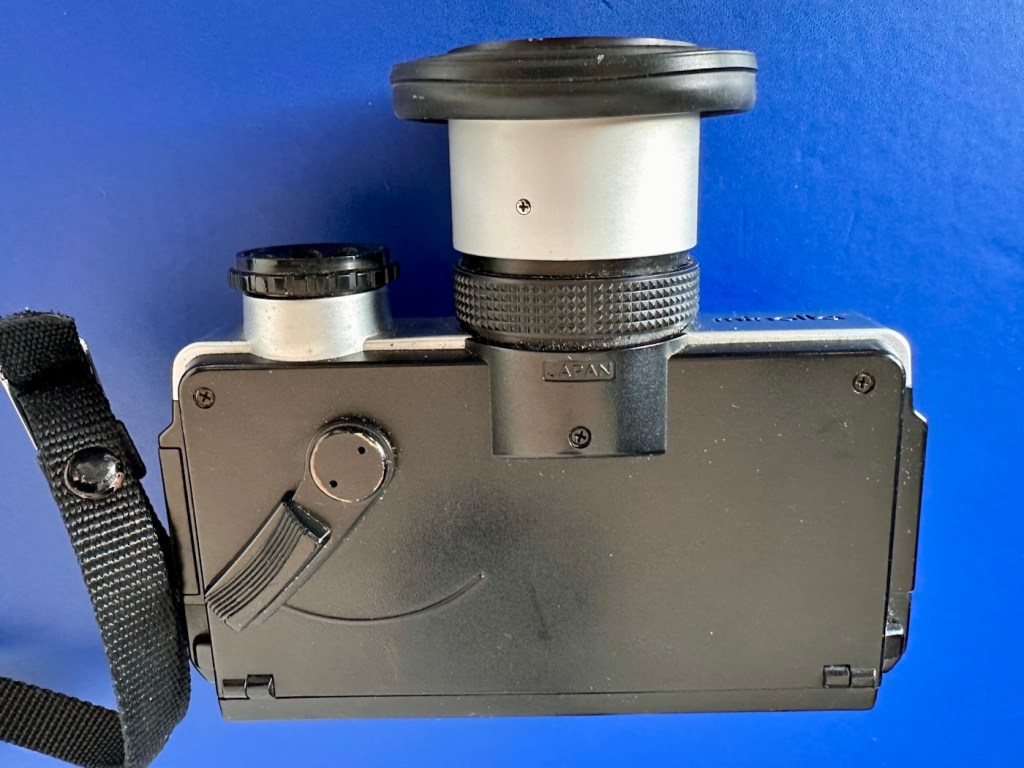
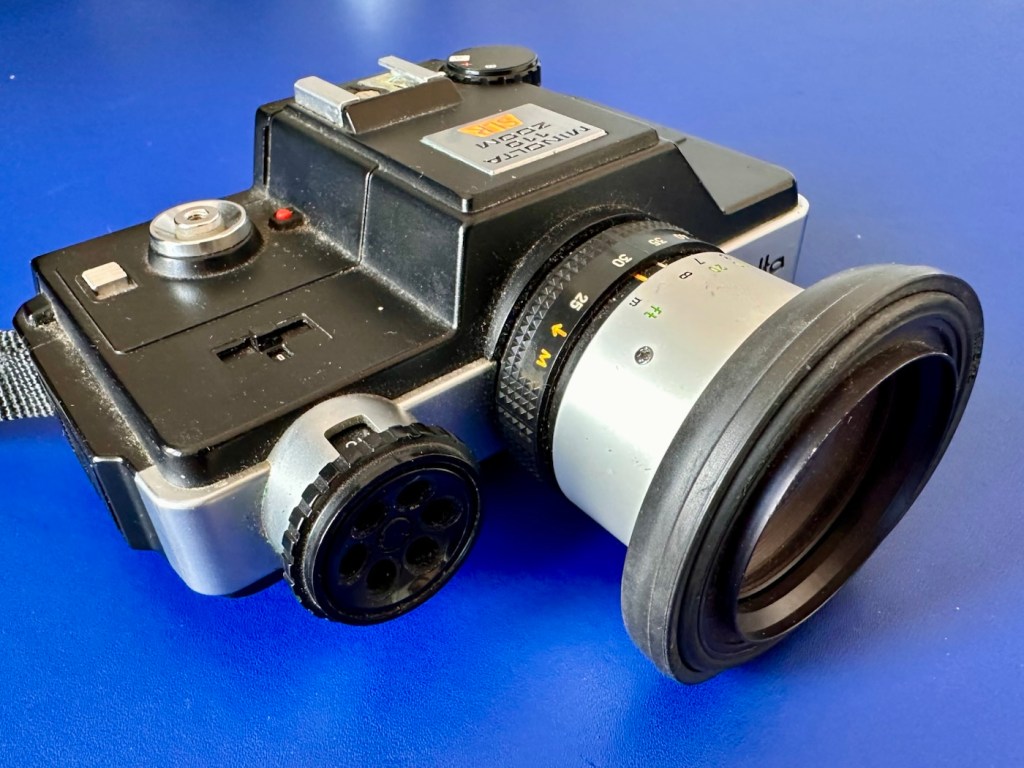
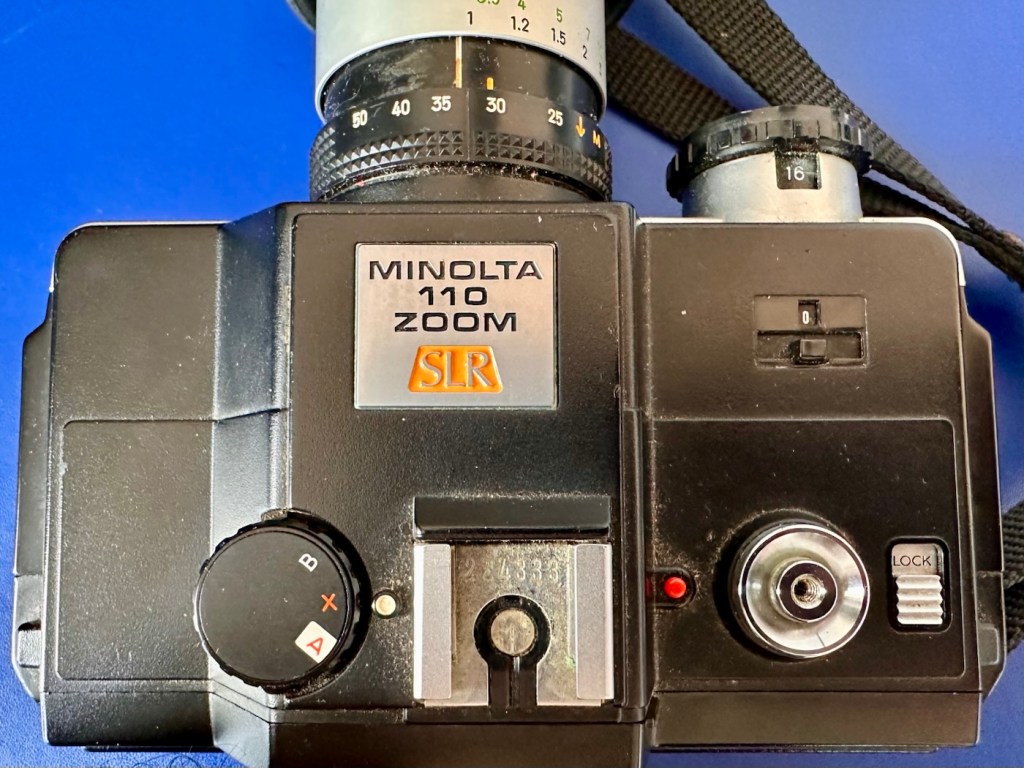
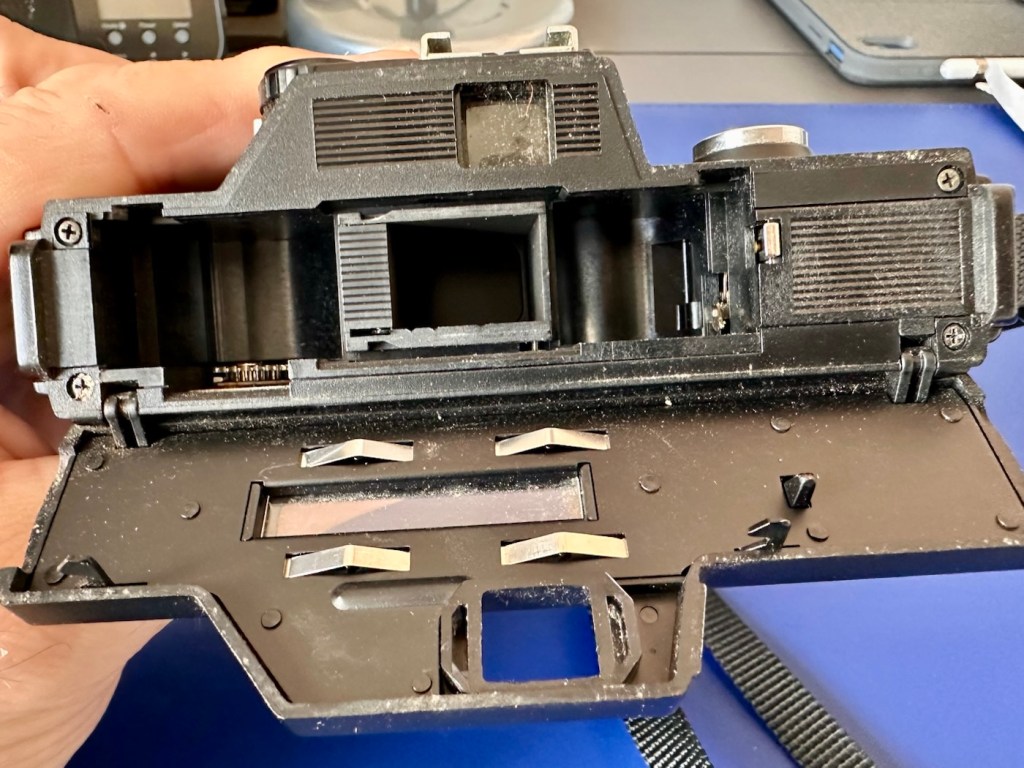
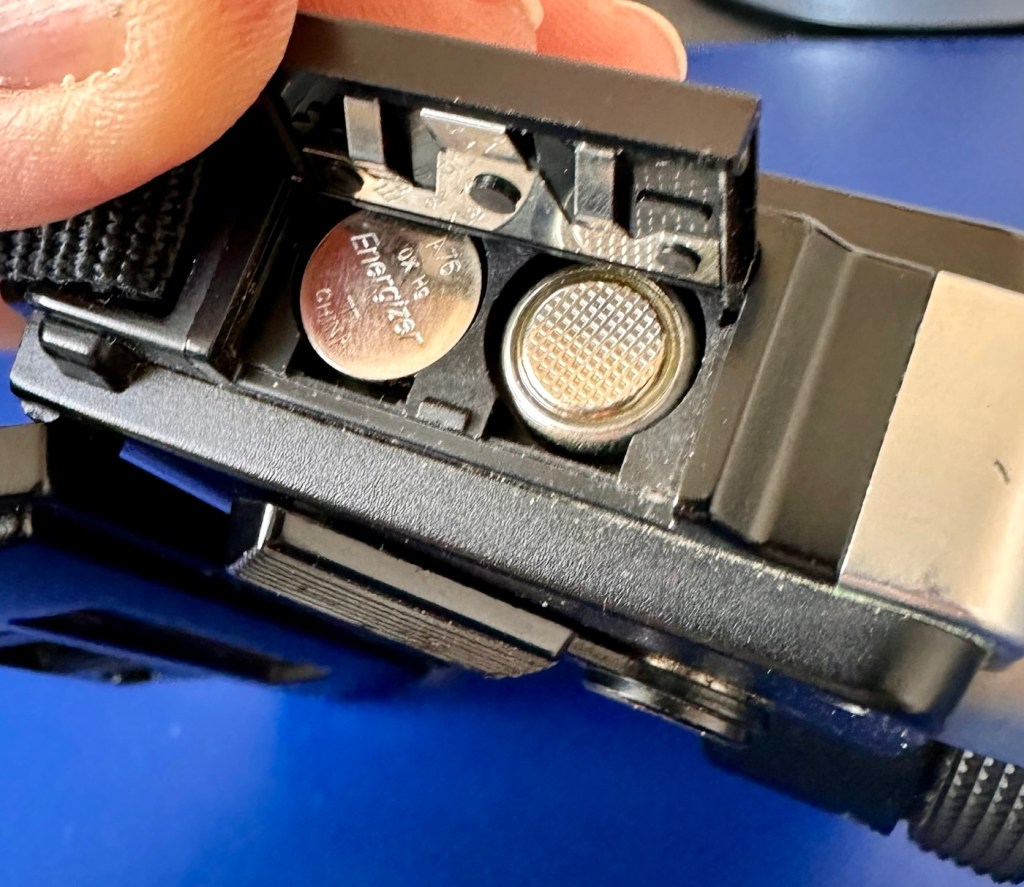
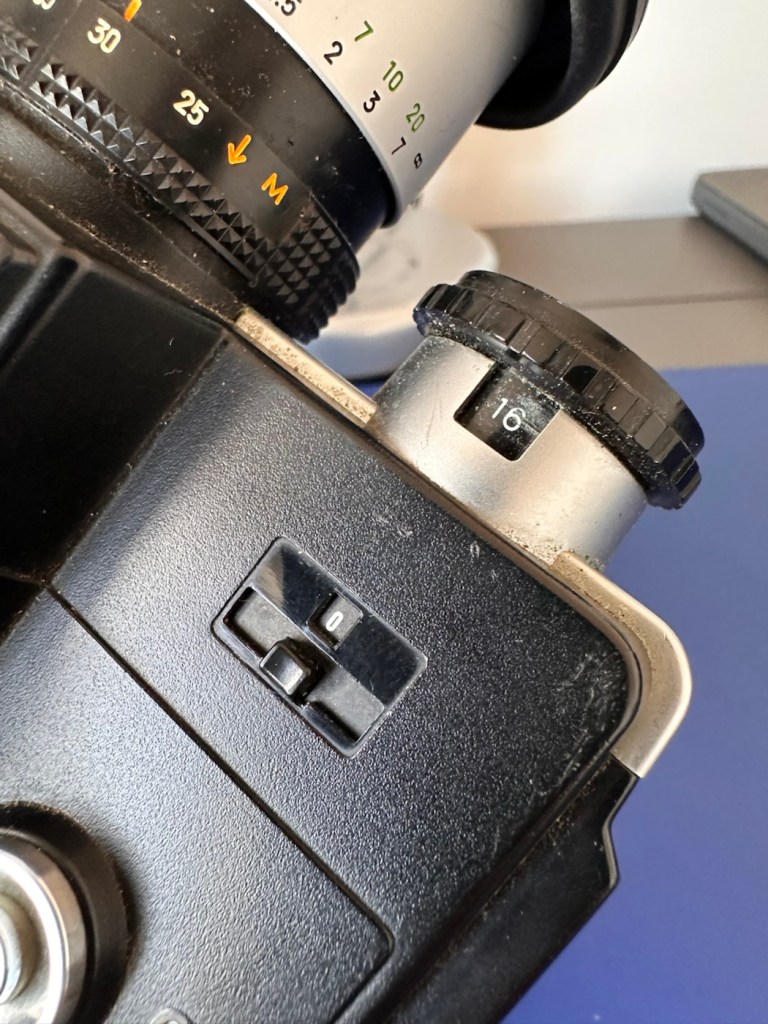
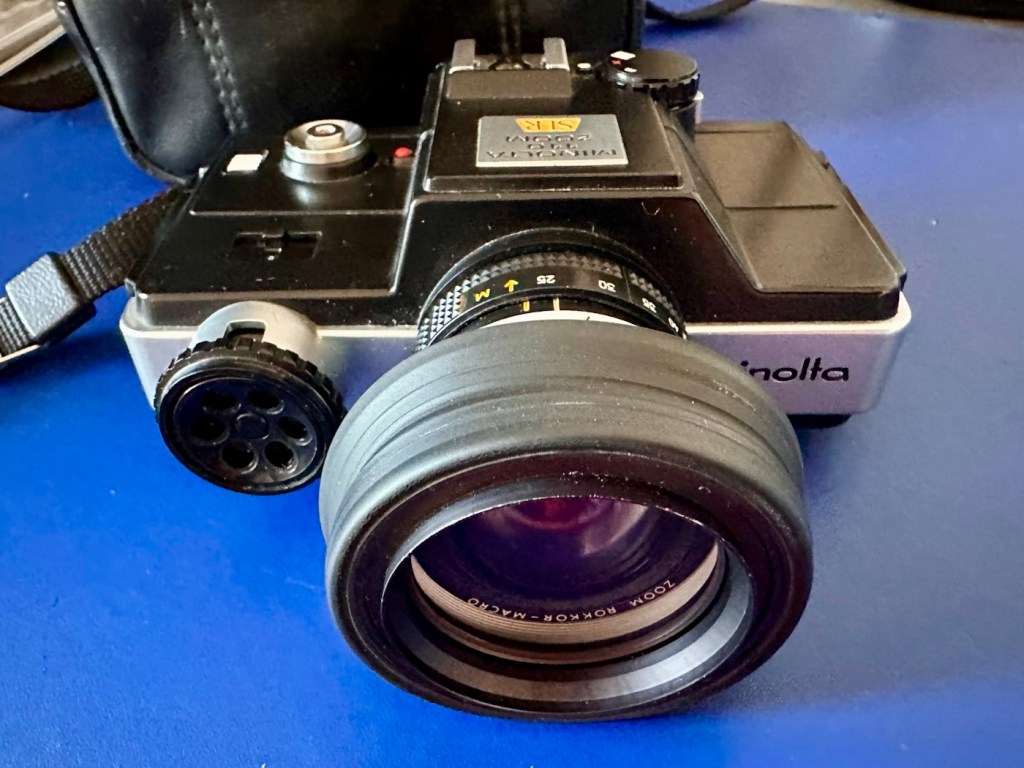
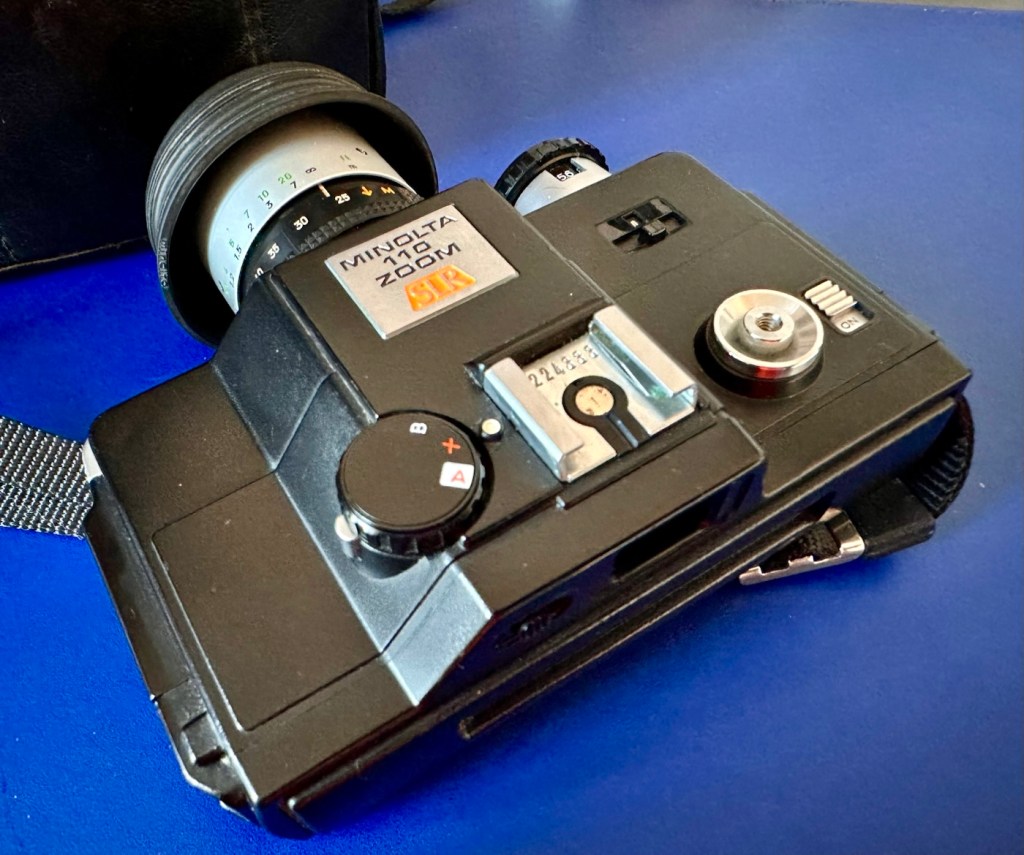
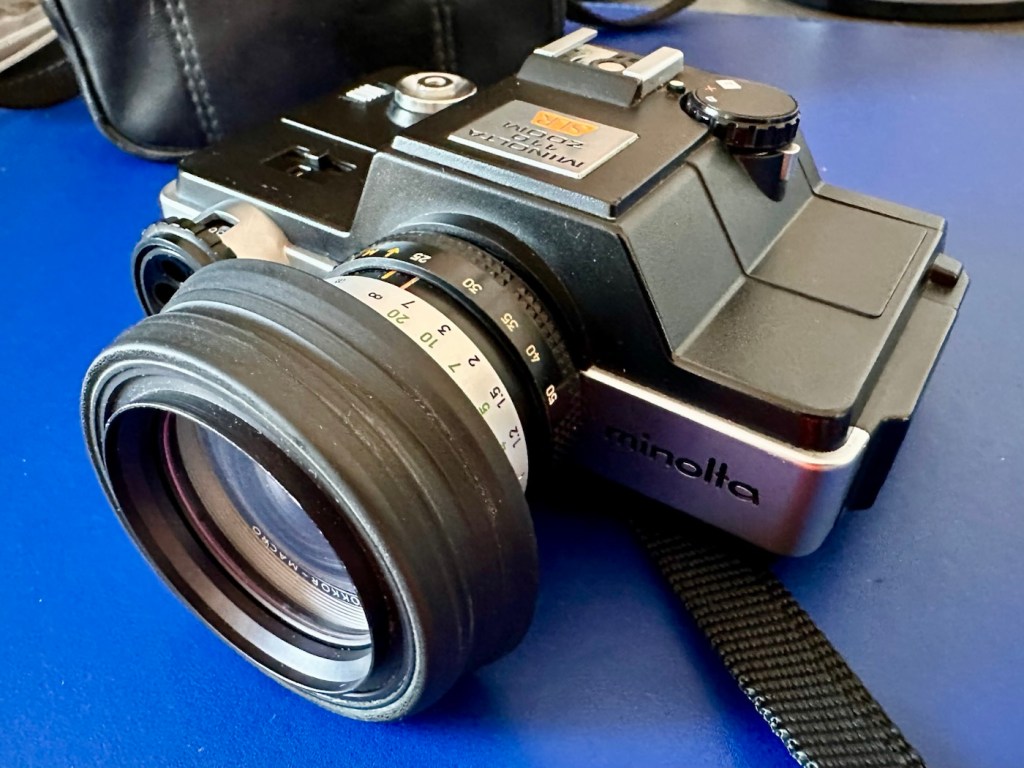
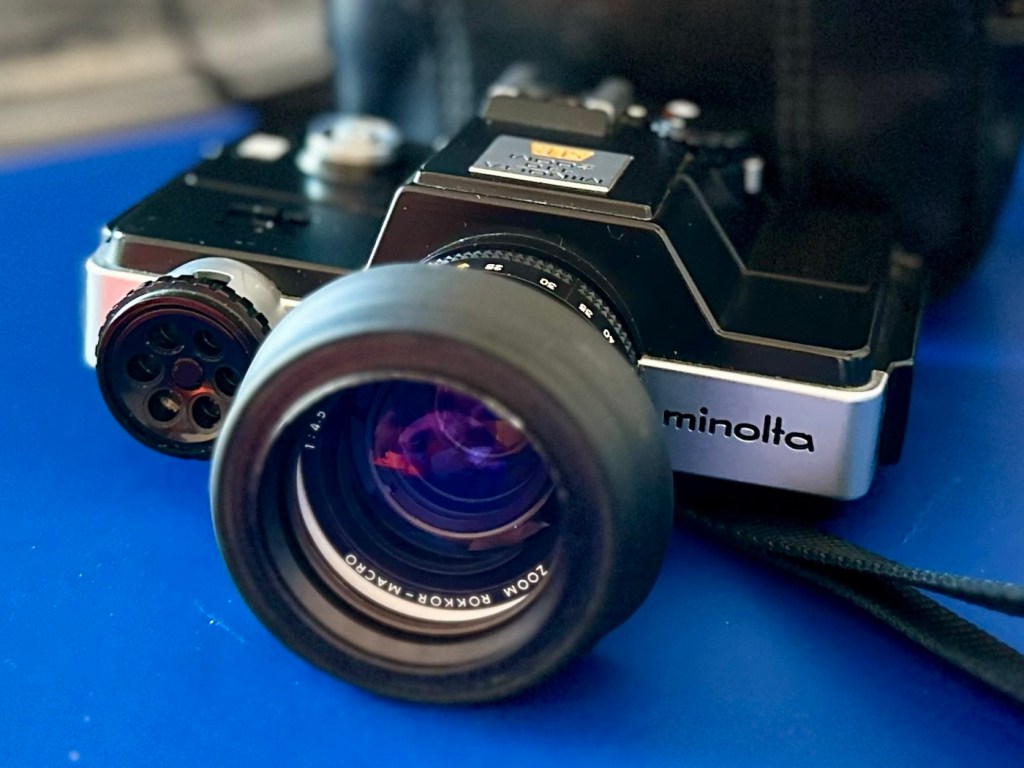
Minolta 110 zoom Mk1 SLR

The world’s first SLR 110 format film camera. A strange creation that has its issues, from 1976-79. Can it be resurrected and put back to use?

What the listing stated:

The Untested MK1 1970s Minolta 110 Zoom SLR is a vintage film camera that comes with a case and strap, making it easy to transport and store. This compact camera from Minolta features manual focus and is designed for 110 film in a 13x17mm format. The black-coloured body gives it a classic and timeless look, perfect for film photography enthusiasts looking to experiment with older technology.

With its retro charm and unique capabilities, this Minolta 110 Zoom SLR offers a glimpse into the photographic world of the 1970s. Untested

EBay

Yes you did read right, this is a 110 format camera with SLR. Now, I have had this camera sitting amongst my backlog for a few months now, it was purchased towards the end of 2025. I believe I paid the sum of £14:00GBP for it, and considering current prices on the sales sites it’s quite the bargain I think.

The reason I’m looking at this one is because I have been approached by someone to repair their one, now before I look at their issue (a stuck mirror) that seems to be a standard issue with this model, I want to look at my own one that I believe may well have the same issue. It’s best to learn how to deal with the issue on your own unit, before being let loose on someone else’s.

However, saying that, the listing was a little vague with only the standard “Untested” EBay catch all quote meaning it could be anything between a total wreck, to working perfectly.

Here’s some information regarding this camera:

The Minolta 110 Zoom SLR is a 110 format single-lens reflex (SLR) camera produced by Minolta of Japan between 1976 and 1979. It was the first SLR in 110 format. It has an unusual, flattened shape. Other 110 SLRs were shaped like SLRs in larger formats, but the 110 Zoom SLR took the flat format of the typical 110 pocket camera and added a larger lens and prism hump to it. 1979’s replacement, the Minolta 110 Zoom SLR Mark II, has a more conventional shape.

The 110 Zoom SLR provides aperture priority autoexposure; fully manual exposure is not available.  Light metering is with a CdS meter mounted on the front of the camera. An exposure compensation dial allows the photographer to compensate for unusual lighting situations; it also allows the use of film speeds other than the ISO 100 and 400 auto-selected by the cartridge tab, by applying the appropriate compensation factor.

The lens is a fixed 25–50 mm f/4.5-16 manual focus zoom with macro focusing down to 11 in (280 mm). This gives a field of view range approximately equivalent to a 50–100 mm zoom lens on a 35 mmformat camera. There is a built-in, pop out lens shade. The filter thread diameter is 40.5 mm. Minolta sold UV, yellow and 1B filters.

Available shutter speeds are 1/1000 second through 10 seconds, with a 1/150 second X-sync speed and support for bulb exposure. There is no built-in flash, but a hot shoe on the top allows an external flash to be attached. A tripod socket is provided.

Wikipedia

Let’s get the assessment out of the way.

Assessment:

The camera has arrived. And the most annoying thing about it, is that it appears to be working just fine. I have been through every possible combination of settings available, hoping to get the mirror to stick up (as is common with these cameras) but to no avail. Everything appears to be working just fine. Damn that’s annoying as the “untested” EBay get out clause used so often by questionable sellers, has on this occasion gone in my favour. If you refer to the opening paragraphs, you will see I wanted to work on this one to diagnose an issue that a potential customer has asked me about. I may well just send him this working one in exchange for his knackered one, how’s that for service!

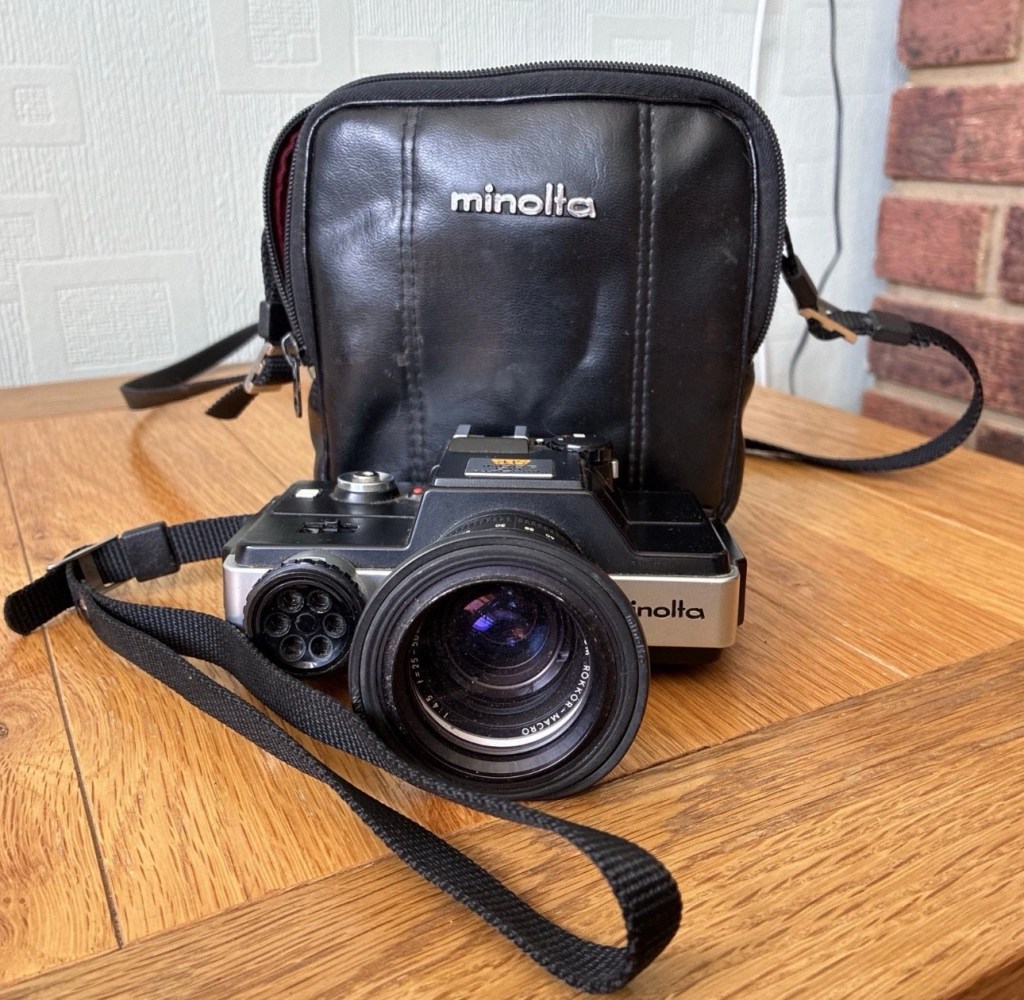
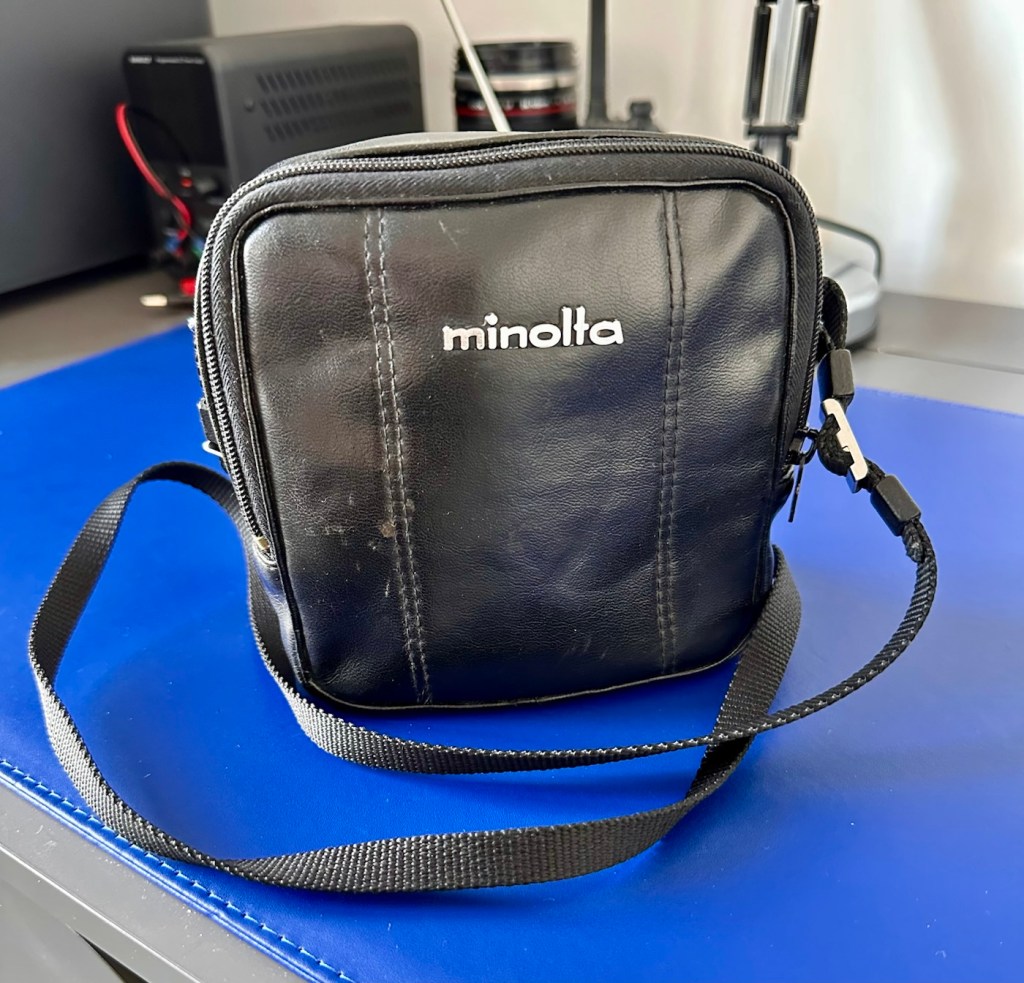
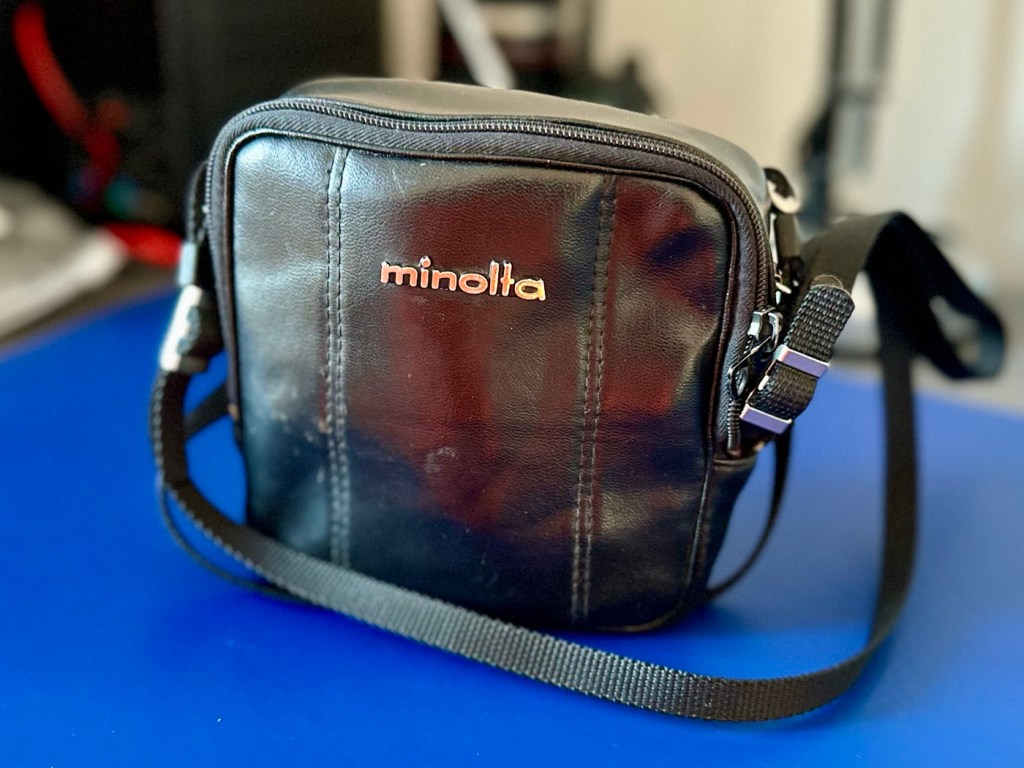
Anyway, here is what I received, in a black Minolta case, it has been well looked after and is just a bit dirty and in need of a clean.

Lovers of lomography really rate these cameras, the 110 film cartridge is quite an expensive outlay these days and from what I can see with film costing about £9:00GBP for a roll and then about £18:00GBP for developing and scans only, you are looking at quite an outlay of almost £30:00GBP for the results. I don’t think I will be attempting this unless I come across a less expensive option, as I’m sure there will be one out there….somewhere.

So, with not much more to tell, let’s move on to getting it repaired….or should that be cleaned?

Repair:

Closer inspection of the lens when I’m cleaning shows me that there is a small area on the outer optic of the lens that has a solitary spore of fungus. It’s nothing too much, however a quick clean of the exterior of the optic, confirms the issue is inside. I’ve now got to dismantle the lens barrel to get to it.

The fungus is on the rear, not the front of the outer optic.

The bad news is that on close inspection and using a soft plastic pick, a tiny indentation at the point of the fungus can be felt, this shows that the fungus has eaten into the optic coating and no amount of cleaning will ever eradicate it. Two options here are a new optic, or to get the optic ground down, both totally beyond the value of the camera and to be honest totally unnecessary. The good news is that there is no fungus on the inner optics, and luckily this needs no cleaning or attention.

Inner optics clean and clear

To be totally honest, the negatives in these cameras are so small, and the outer lens magnification is probably sufficient enough to make this aberration appear as nothing more than a slight blur, if it even shows up at all! I’ll give it a good clean to prevent any further growth, and just put it back together again. There is a good possibility that a film will never be run through this camera again, even so I would like it to look as good as possible, and operate as it should, if there is even the remotest chance of a film being used in it, sometime in the distant future.

Result:

The camera has been reassembled and is looking quite nice. It’s a really weird camera. So weird that someone has offered to take it off my hands, as they believe it’s quite a novel item, so as soon as I’ve posted this report it will be winging its way to its new owner.

It’s probably best that I pass this on to someone who will either use it, or at least make a use of it should it become a display item.

A nice little camera, but to be honest it’s more than likely more of a display piece rather than a working camera. It is fully operational though and has been nice to work on. I’m pleased someone else will eventually benefit from it.

Thanks for passing by, always appreciated.

Canon EOS 5D MkII

My second chance at reviving a DSLR from 2008, the Canon EOS 5D MkII. Will I have a little more success with this one?

I’ve been approached by an old colleague who used to be a syndicated sports photographer, he had a number of items he wanted to “get rid off” as they were just taking up space in his new house. “Would you be interested?” You betcha, so as a result I’m now the owner of a complete Bowens lighting system, two Canon EOS 1D MkIV cameras and a Canon EOS 5D MkII camera.

My days of fussing and farting about with lighting rigs has now long passed, so I know a youngster starting out in the world who is a very talented young fellah, I have donated this equipment to him and he will certainly have a use for this lighting setup. He has been approached and accepted the offer, I think he is quite happy with his new acquisition, here’s hoping his talents continue to flourish.

However the cameras are mine as no one wants this old stuff anymore 😂

This post focuses on the repair of the Canon 5D MKII, the repair of the EOS 1D MKIVs can be found here: Canon EOS 1D MkIV There is also a link to my first attempt at a Canon EOS 5D Mk2 and here is the actual assessment of that camera and the issues experienced with it Canon EOS 5D MK2 assessment and repair, I failed with this repair due to it having sensor issues, so sold it on at a small profit, i’m hopeful that this new attempt at the 5D will bring better results.

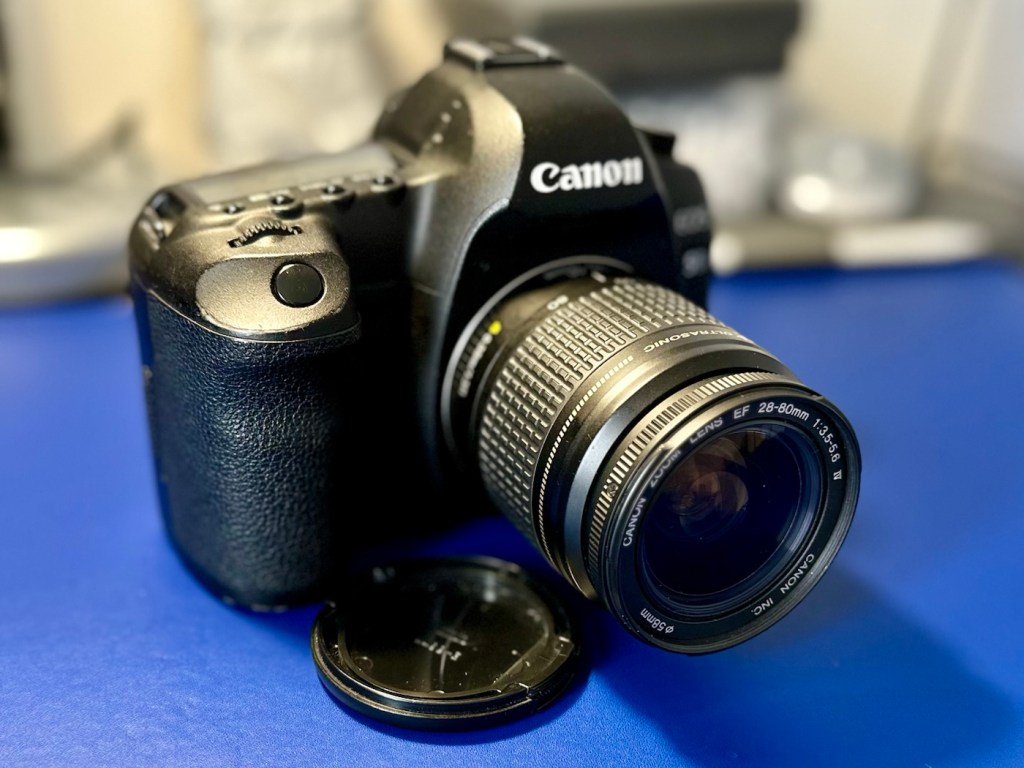
The Canon EOS 5D MkII

Let’s hope this camera acquisition comes with a better outcome. Whereas the other two 1D cameras i received in this package have required me to to purchase a new battery and charger, I do already have a number of LP-E6 batteries and a charger in my possession, so there is no initial outlay required to test this camera. We are off to a good start here and should be easily able to diagnose any issues fairly quickly.

Anyway, before we assess the camera, here is a little bit about the Canon EOS 5D MkII.

The Canon EOS 5D Mark II is a 21.0 effective megapixel full-frame CMOS digital single-lens reflex camera made by Canon, the first Canon EOS camera to have video recording capabilities. It succeeds the EOS 5D and was announced on 17 September 2008.

On 2 March 2012, Canon announced the camera’s successor, the Canon EOS 5D Mark III. On 24 December 2012, Canon Japan moved the camera to their “Old Products” list, effectively discontinuing the camera.

The Canon EOS 5D Mark II is a full-frame camera and requires Canon EF-mount lenses. It is not compatible with EF-S lenses (which are for APS-C crop sensors).

Features:

  • 21.0 megapixels (5,616 × 3,744 pixels), compared to 12.8 megapixels (4,368 × 2,912 pixels).
  • DIGIC 4 image processor, compared to DIGIC II.
  • 100 to 6400 ISO (expandable to L (50), H1 (12800), H2 (25600)), compared to 100 to 1600 (expandable to L (50), H (3200)).
  • 3.9 frames per second continuous shooting (78 JPEG or 13 Raw in a single burst), compared to 3 frame/s (60 JPEG or 17 Raw).
  • Small Raw modes: sRAW1 mode (10 megapixel/3861 × 2574 pixels), sRAW2 mode (5.2 megapixel/2784 × 1856 pixels).
  • 98% viewfinder coverage with 0.71× magnification, compared to 96% coverage.
  • Larger 3.0-inch (76 mm) LCD with 920,000 pixels, compared to 2.5-inch (64 mm).
  • 1800 mAh LP-E6 battery, compared to 1390 mAh BP-511A.

New features

  • Movie recording full HD at 1920 × 1080 and SDTV at 640 × 480 resolution.
  • Monaural microphone for audio during video recording, speaker for playback and microphone jack for external stereo microphone
  • Live preview with ExpSim LV “exposure simulation” live preview (full exposure preview control utilizing ExpSim LV, a first for video in a DSLR)
  • Live preview with contrast-detect autofocus
  • HDMI video output for live preview or playing clips and images on an external monitor via Type C MiniHDMI port
  • Dust reduction system to perform automatic sensor cleaning
  • Battery management software

Key Lifespan Factors:

  • Shutter Rating: 150,000, though this is considered conservative by users.
  • Real-world usage: Many cameras show failure rates increasing closer to the 100,000–150,000 range, but many exceed it significantly.
  • Longevity: Some, though rare, individual cameras have recorded over 2 million shots.
  • Repairability: The shutter mechanism can be replaced if it fails, which may extend the camera’s life further.
  • Component failure: Other parts, such as the power board or rubber grips, may fail before the shutter. 

Common Issues:

  • Rubber grips: Rubber grips can become loose over time.
  • Button/Dial functionality: Buttons and dials may wear out over long periods of use.
  • Sensor maintenance: Regular sensor cleaning is needed to maintain performance. 

The 5D Mark II is the first camera in the EOS line to provide video recording functions. Still photography during video recording is possible, but the camera suspends recording video until the final still frame is captured.

The lithium-ion battery for the 5D Mark II (LP-E6) has an 1800 mAh capacity. Each battery contains a microchip with a unique identifier for reporting charge status and battery health for display on the camera. The 5D Mark II’s “Battery Info” screen can track battery health and shooting history for up to six LP-E6 batteries.

The camera has native ISO values of 100 multiplied by a power of 2; other ISO values are obtained by a digital exposure push (ISO values that are multiples of 125) or digital exposure pull (ISO values that are multiples of 160). The digital exposure push ISO is 1/3 stop greater than the native ISO, and a digital exposure pull ISO is 1/3 stop less than the native ISO. The digital exposure push ISO settings produce more noise than the native settings with a reduced dynamic range, and the digital exposure pull ISO settings produce less noise than the native settings.

Wikipedia

Assessment:

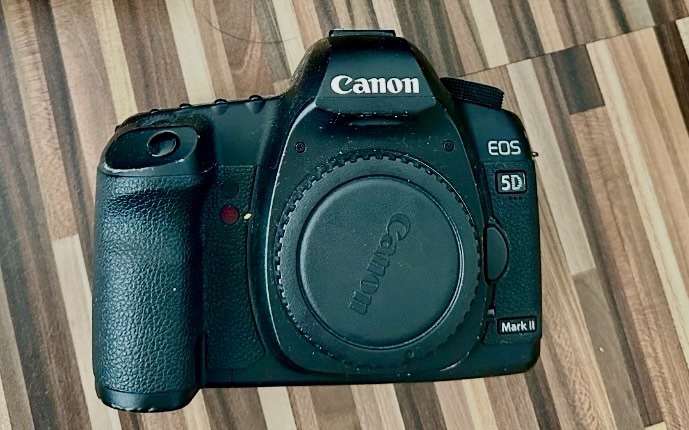
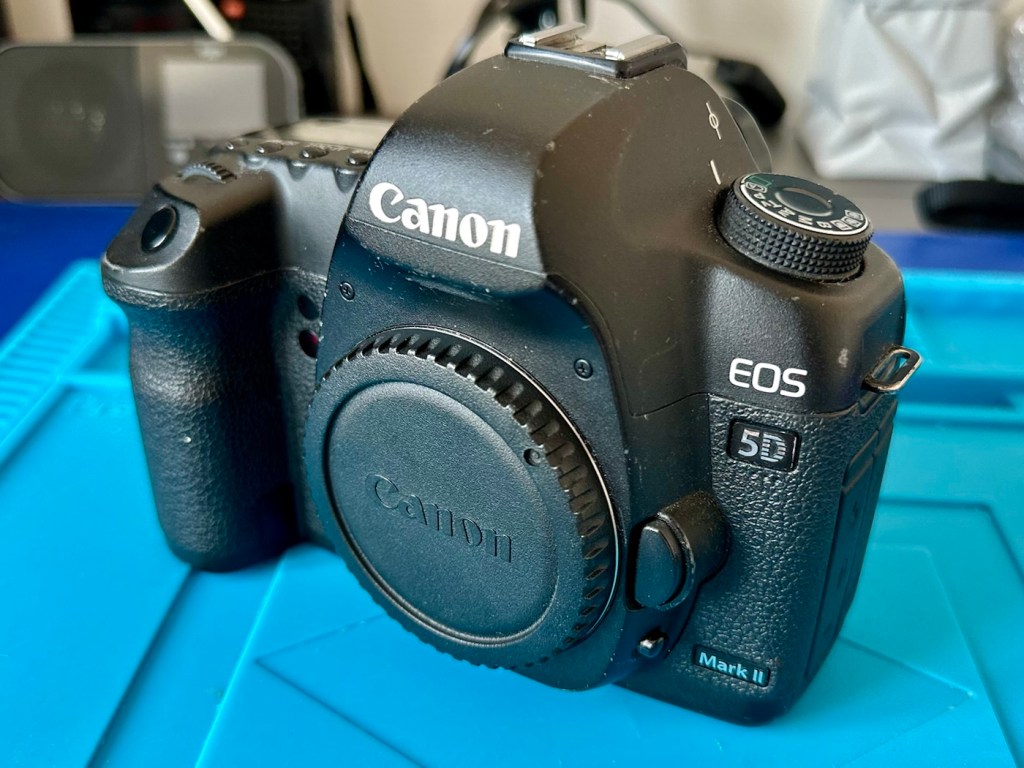
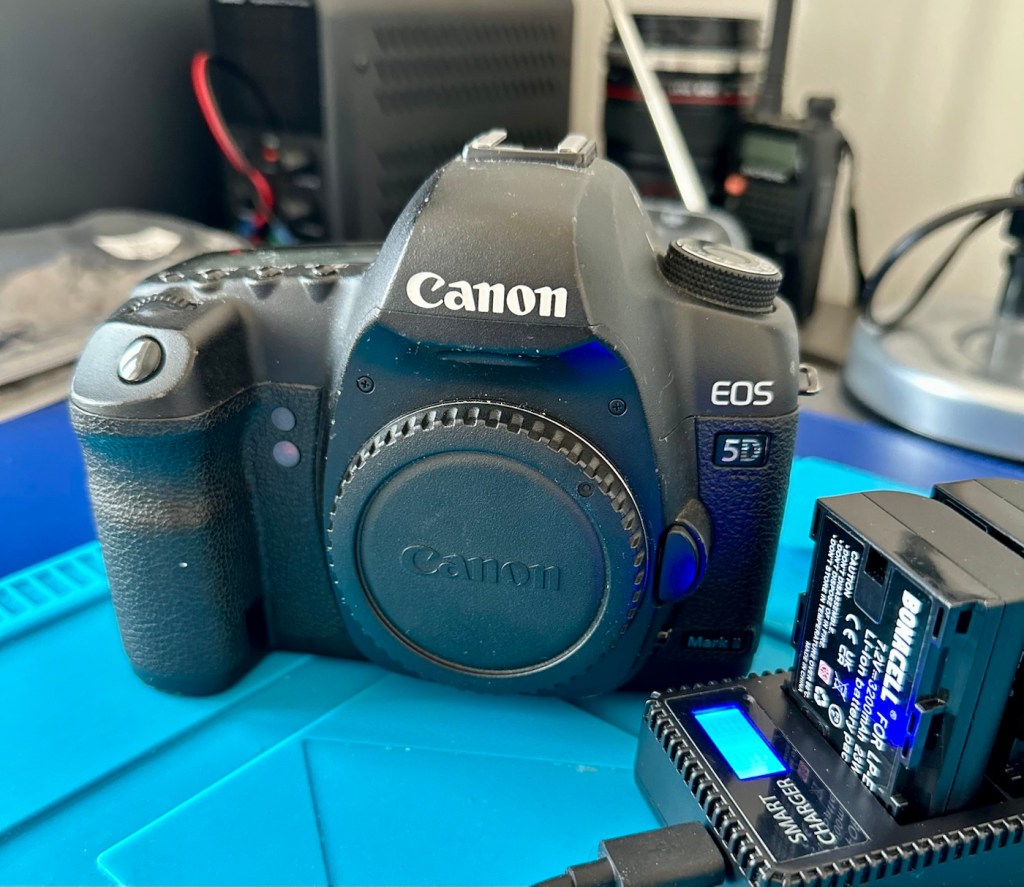
The camera has arrived and here are my first thoughts. But first some pictures.

Just holding the camera and looking around it, you can see it has been well used over the last eighteen years. There are chips and scuffs, but nothing excessive, and certainly no “hard” dents that would indicate it has been dropped at anytime. The top LCD panel has a scuff on it, but this doesn’t stop any information being read.

The battery contacts are clean and there is just a small rubber cover missing on a connection that is on the base of the camera. All switches and buttons appear to operate as intended, everything is there and the exterior appears to be used, but in a good condition.

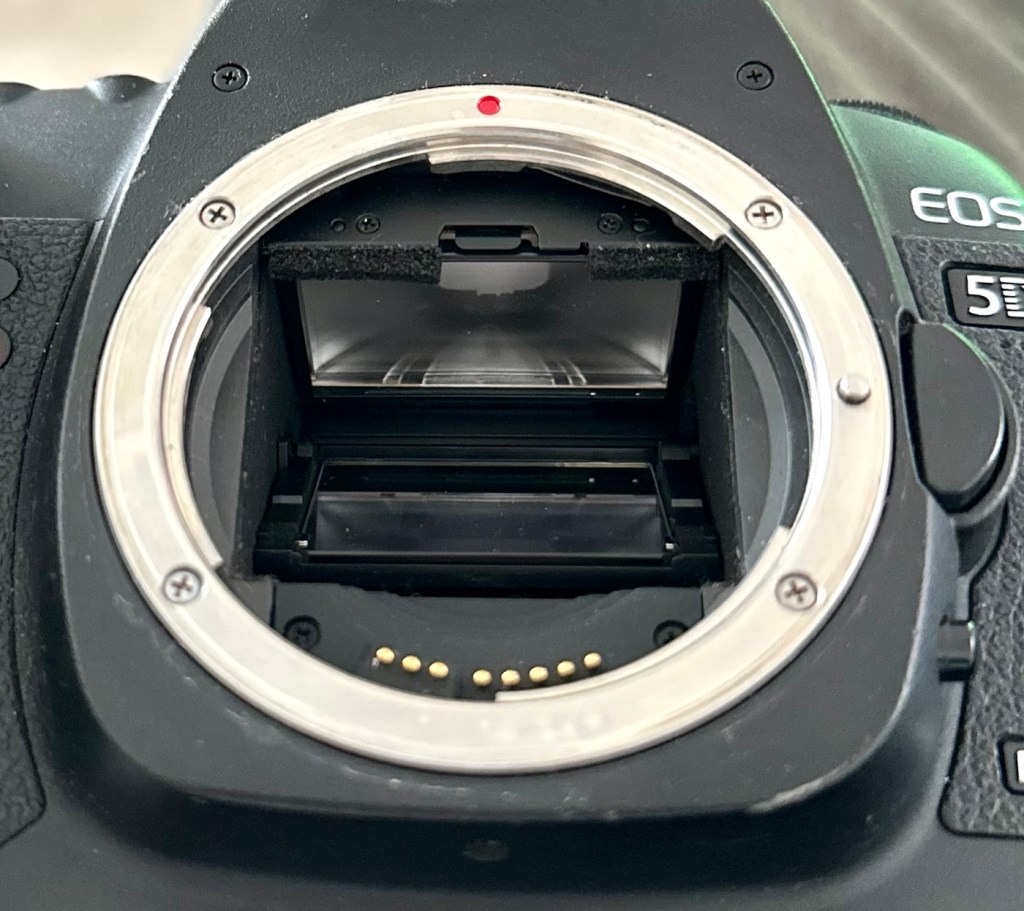
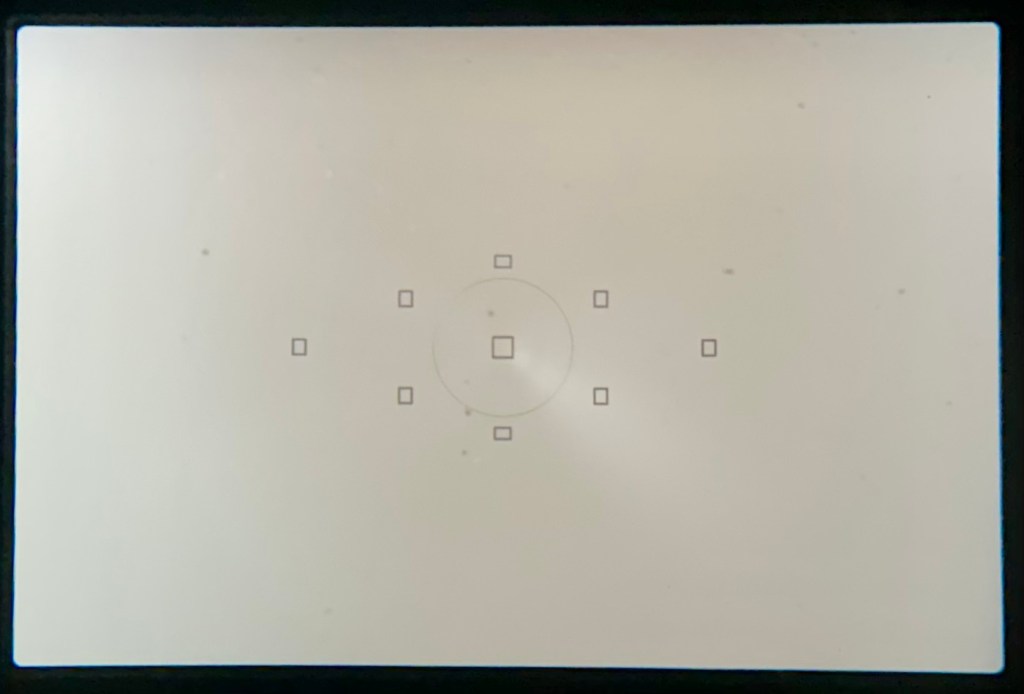
The lens barrel appears to be clean, the mirror and focus screen have a little dust and dirt on them however this is an easy clean. The shutter is closed underneath the mirror ensuring the sensor stays isolated from the outside world. I won’t be able to check how this is until I have a battery installed.

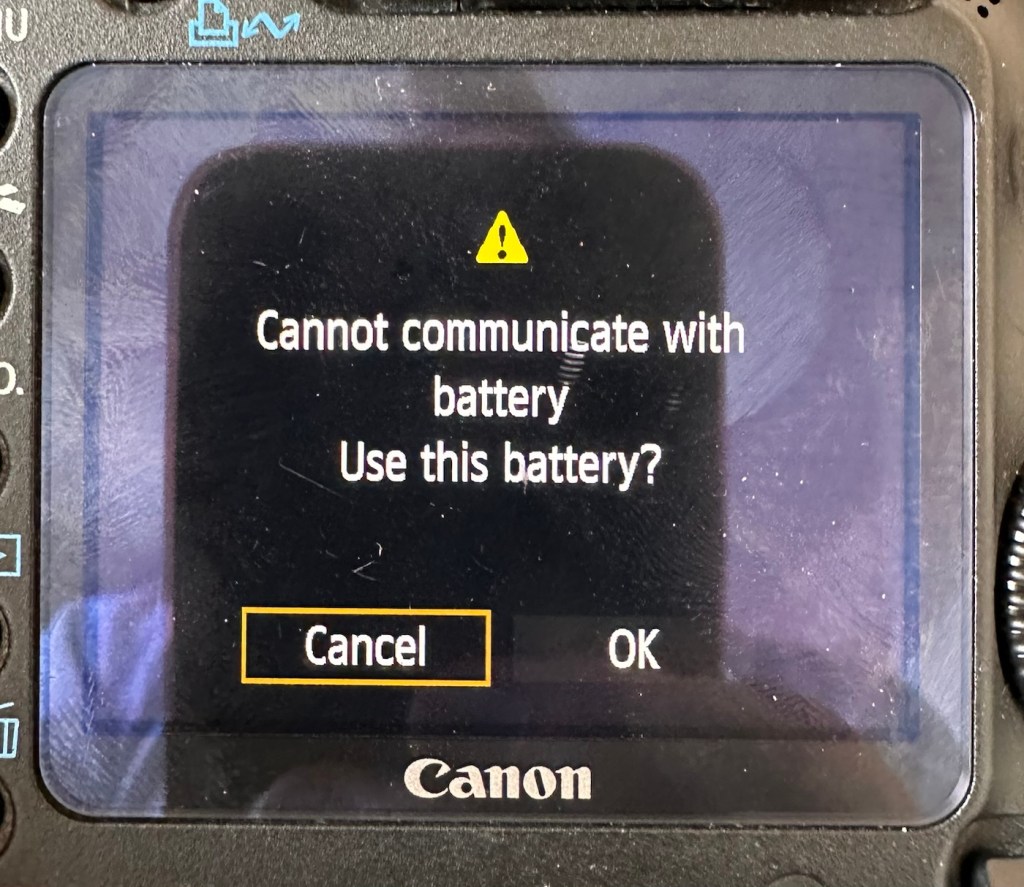
Batteries. As I have stated above I do have compatible batteries for this camera. This camera has a battery management system installed that communicates with the original “Canon” batteries that report back on their charge status amongst other information. However my batteries are not Canon originals and are in fact third party ones that don’t have the ability to communicate as original batteries would. That said, they are more than capable and usable. I just know that the very second I put the battery in and turn the camera on, it will show some kind of battery communication error on the rear screen. It’s ok though as we can opt to ignore that warning, click ok, and just get on with things, with no issues to the general operation of the camera.

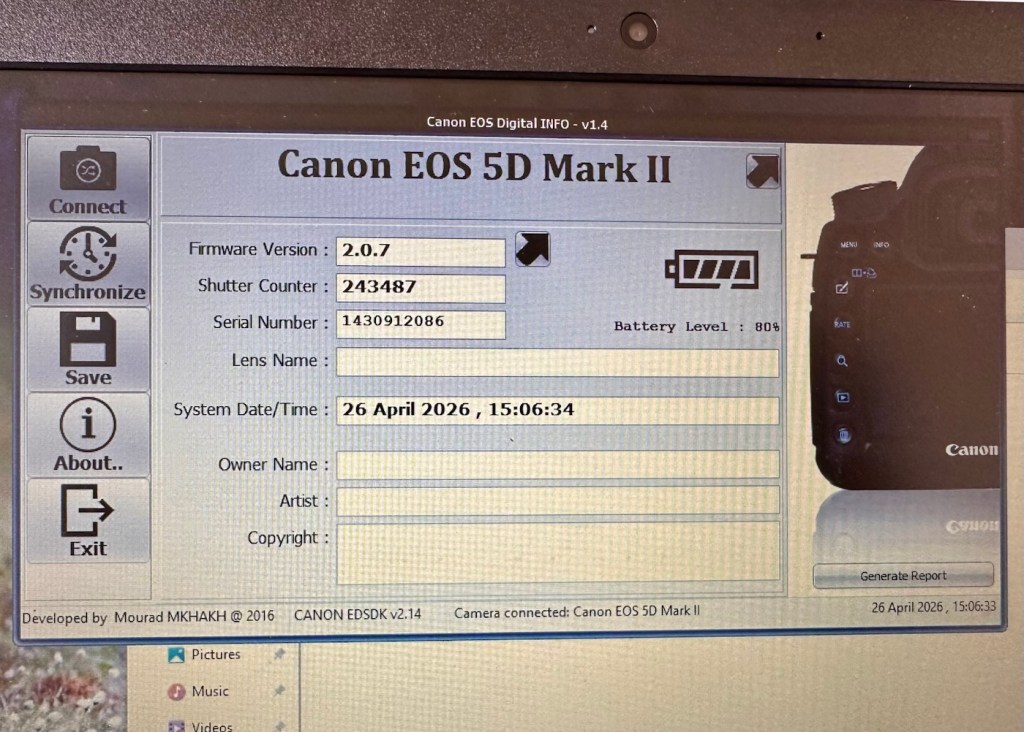
Let’s do a little digging around. I’ve downloaded a little program that appears to be quite popular, to try and find exactly how many times the camera shutter has been activated in its lifetime, (still photo count – not including video). Here is that count.

243,487 shutter activations…wow!

I guessed the count would be high as it was the previous camera of a syndicated sports photographer, I just wasn’t quite expecting this high. But who am I to complain when I have received this camera for free. if you read the camera specs in the paragraphs above, the expected lifespan of the shutter is around 150,000 actuations, however the photographic community tends to question this figure. Some cameras have gone into the millions with shutter counts, however this one will plod on with me on much lower figures, if I get it working. I don’t know its service history, it’s a rugged built heavy use camera, that will go on for years if looked after properly. And that’s what I intend to do with it.

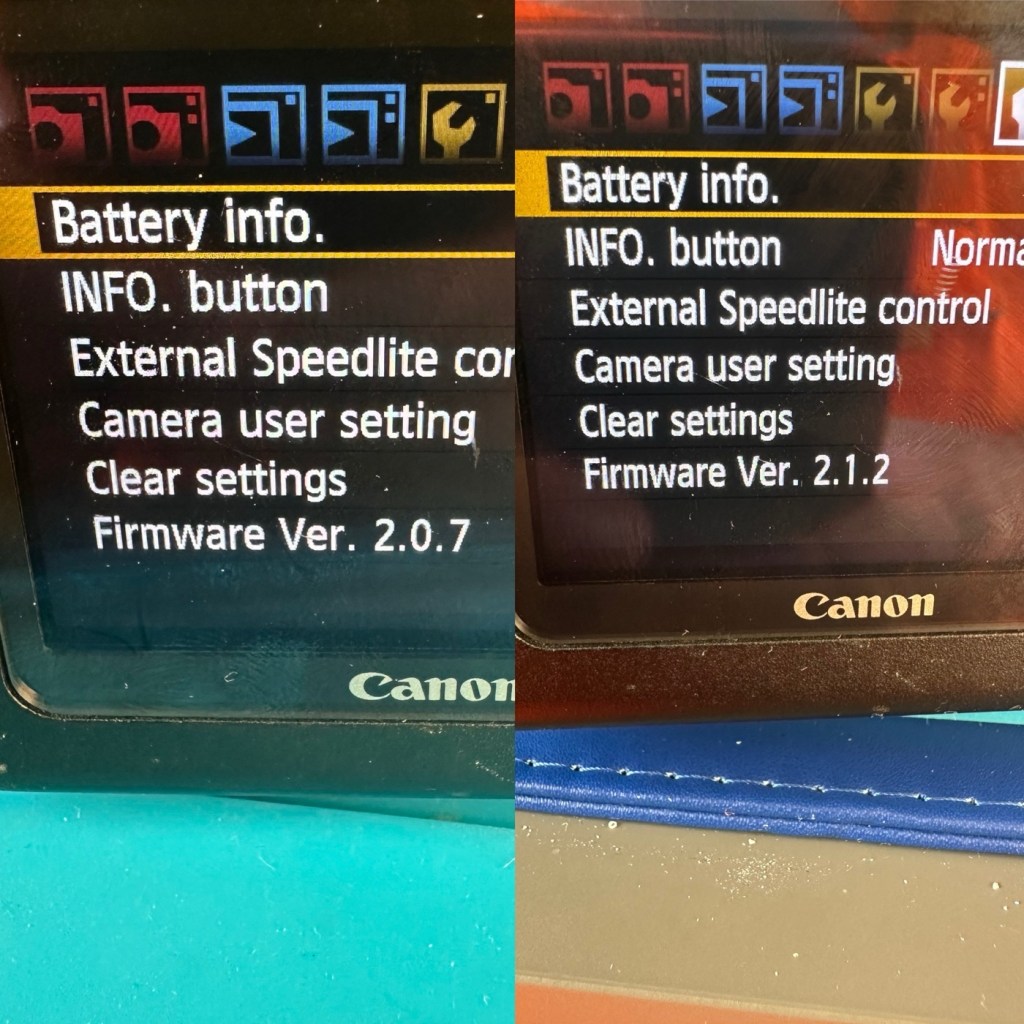
Another piece of information that can be obtained from the piece of software above is the firmware version. The current installed version is 2.0.7 and that was installed sometime in 2010. The latest and last version is 2.1.2 that was released in 2012. I will attempt to update this cameras version of firmware to the final updated one.

I think I’ve had a good assessment with this camera, I know what needs looking at so let’s get on with giving it a little TLC to ensure it will go on working for a few thousand more shutter actuations, I’ve got to try and get this camera to the 1/4 million mark at least!

Repair:

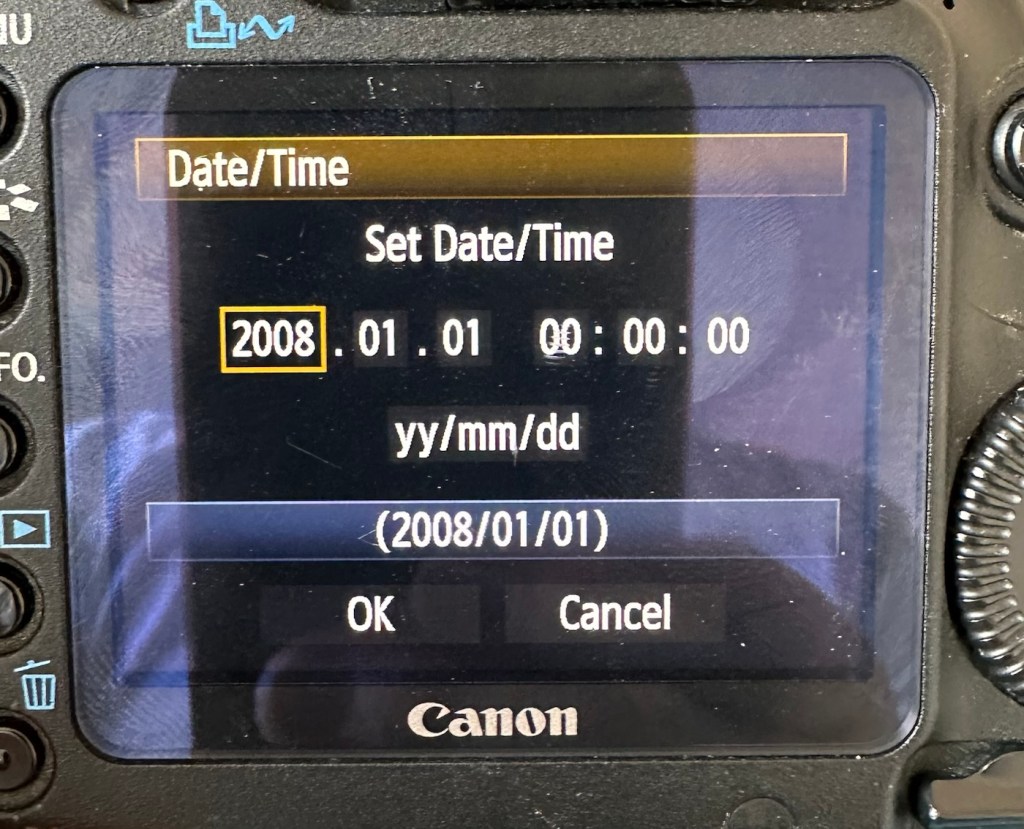
The first thing I want to do, is to look into why, when you input a date into the camera, the information disappears as soon as the camera is turned off and turned on again? This is a simple issue, easily located and soon rectified. These cameras normally have an additional battery buried somewhere in the camera that acts like a cmos battery in a computer. It simply supplies a small charge that maintains dates and program settings when the camera is an a sleep mode, instantly reinstating the correct information when the camera is switched on again.

And this camera is no different.

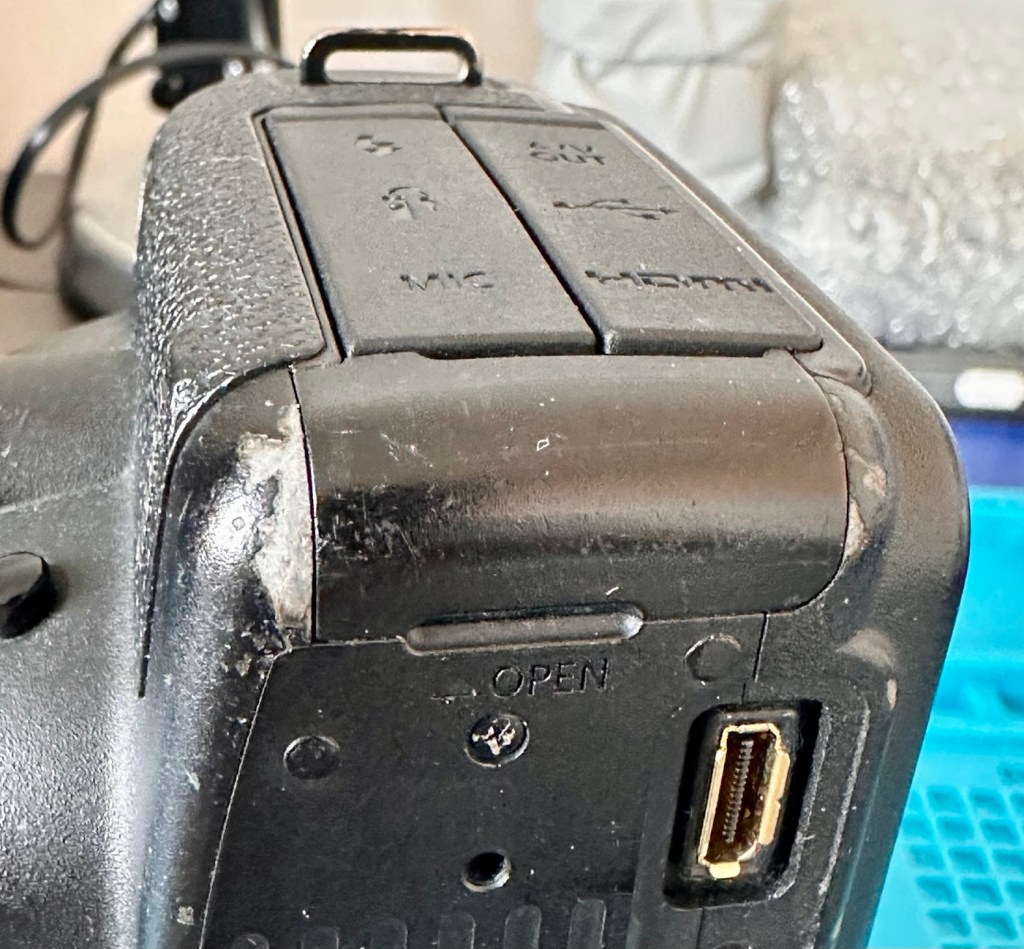
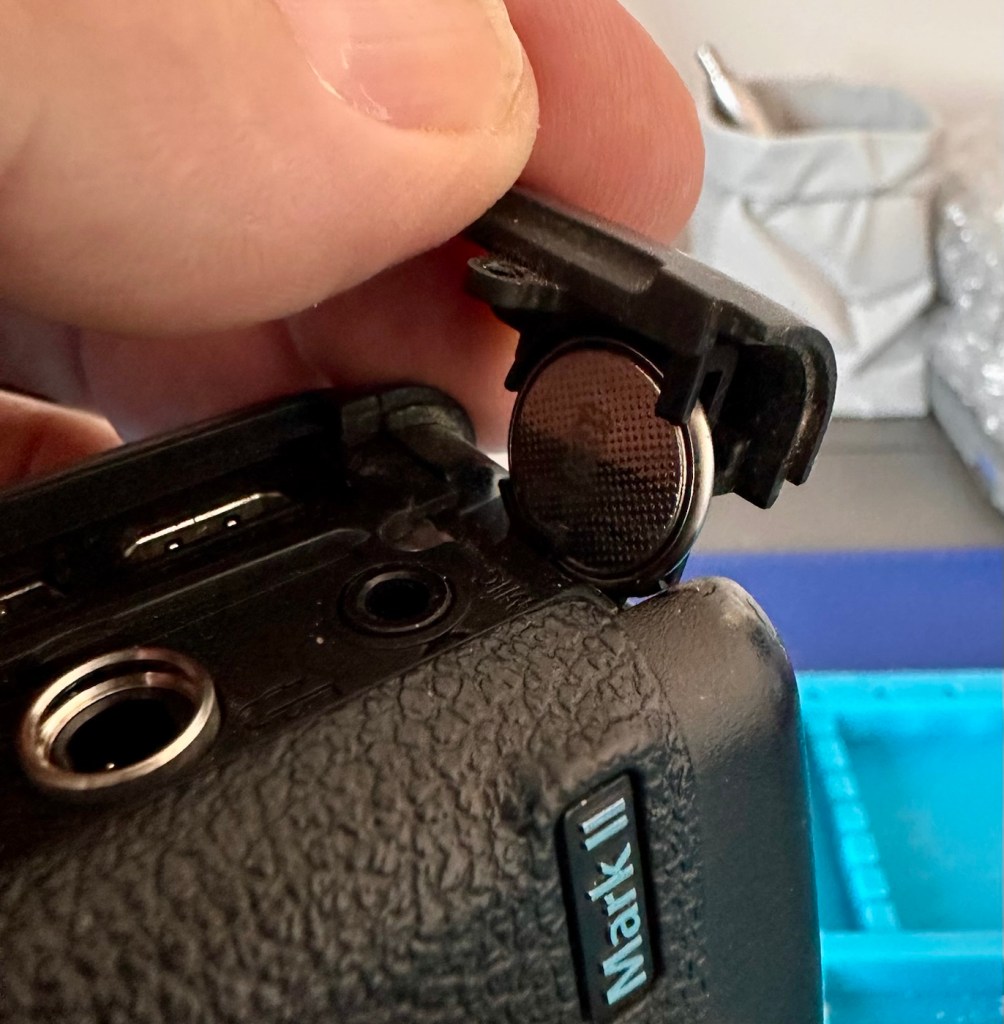
A single coin cell CR1616 battery is what does the job in this camera, its life span is usually around five years. So let’s check this one out as I suspect it has failed. It is located on the bottom of the camera on the opposite side of the main battery chamber, below two rubber accessory panels.

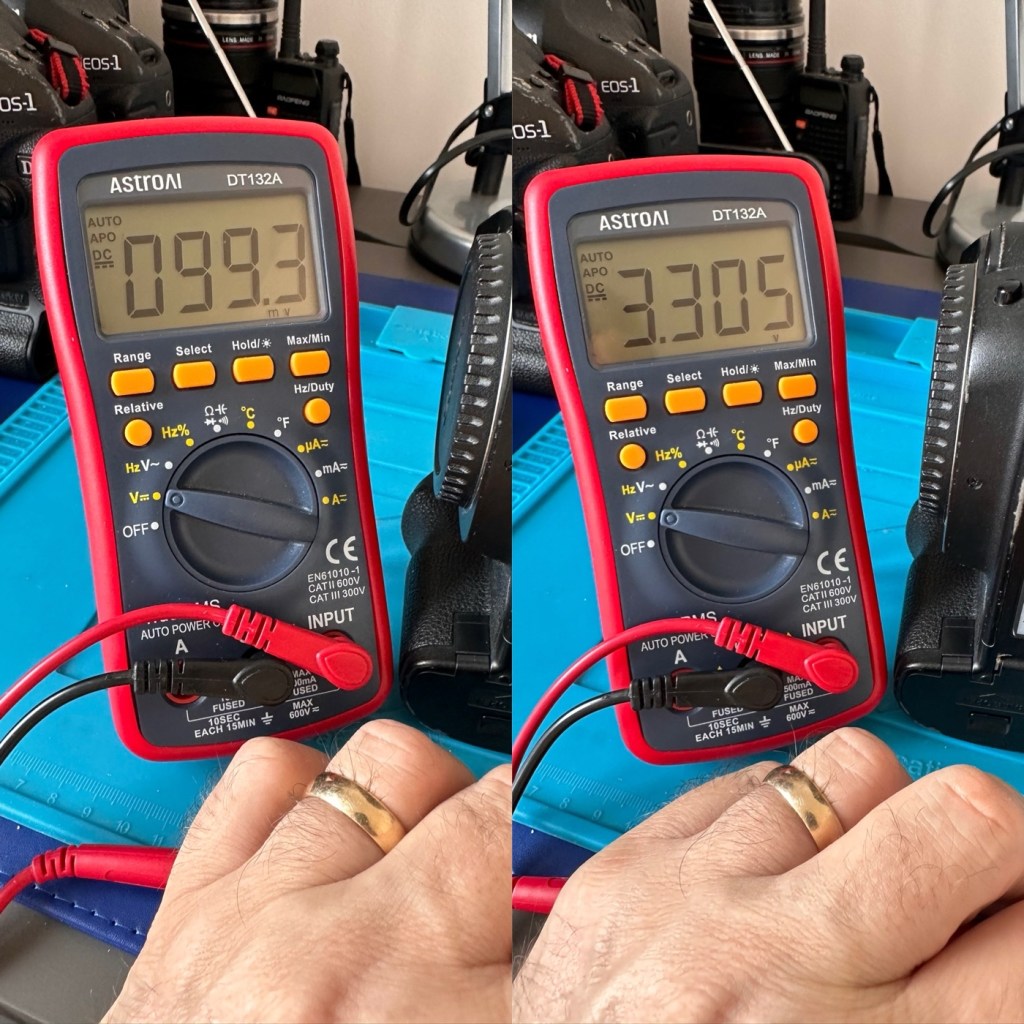
The CR1616 battery is a 3v lithium coin cell. Using a multimeter I was able to confirm that this one was well and truly depleted as it was only holding a charge of 99.3mV. The new battery cell was holding a much more acceptable charge of 3.3V.

Old and new battery voltages

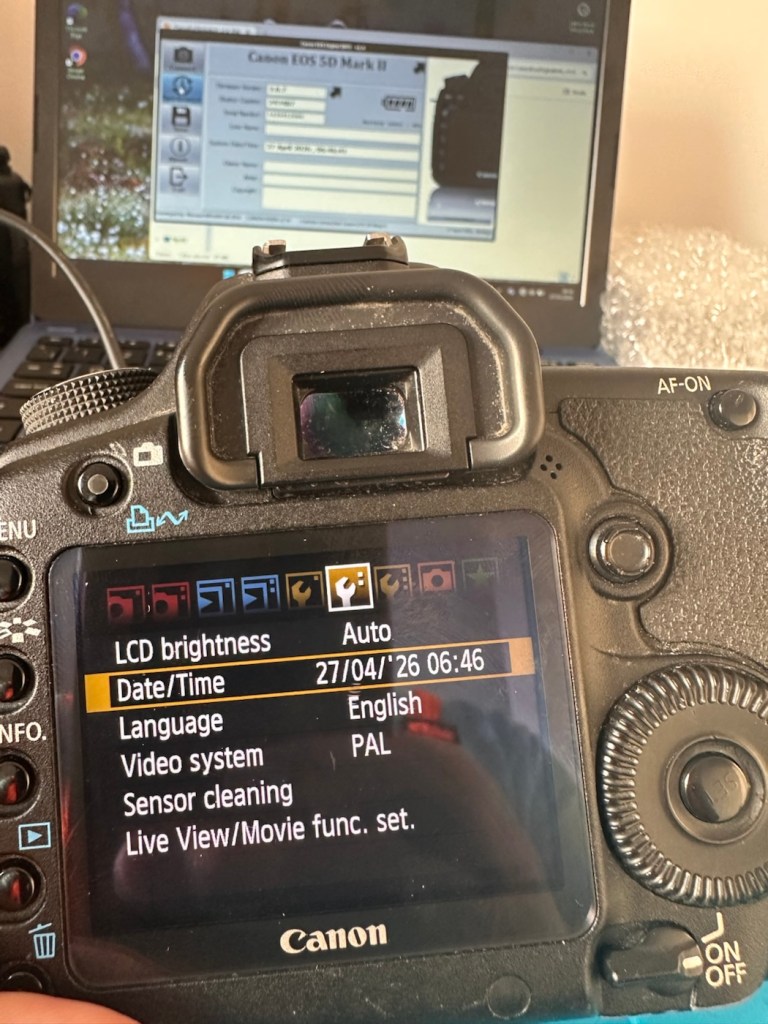
With the new coin battery in place, I’ll reset the date values and test that the battery is doing its job, by powering the unit up and down a few times.

That appears to have worked

As you can see in the picture above, I’ve managed to update the settings, and when the unit is shut down and restarted the information remains. Hence the new clock/cmos battery is working fine.

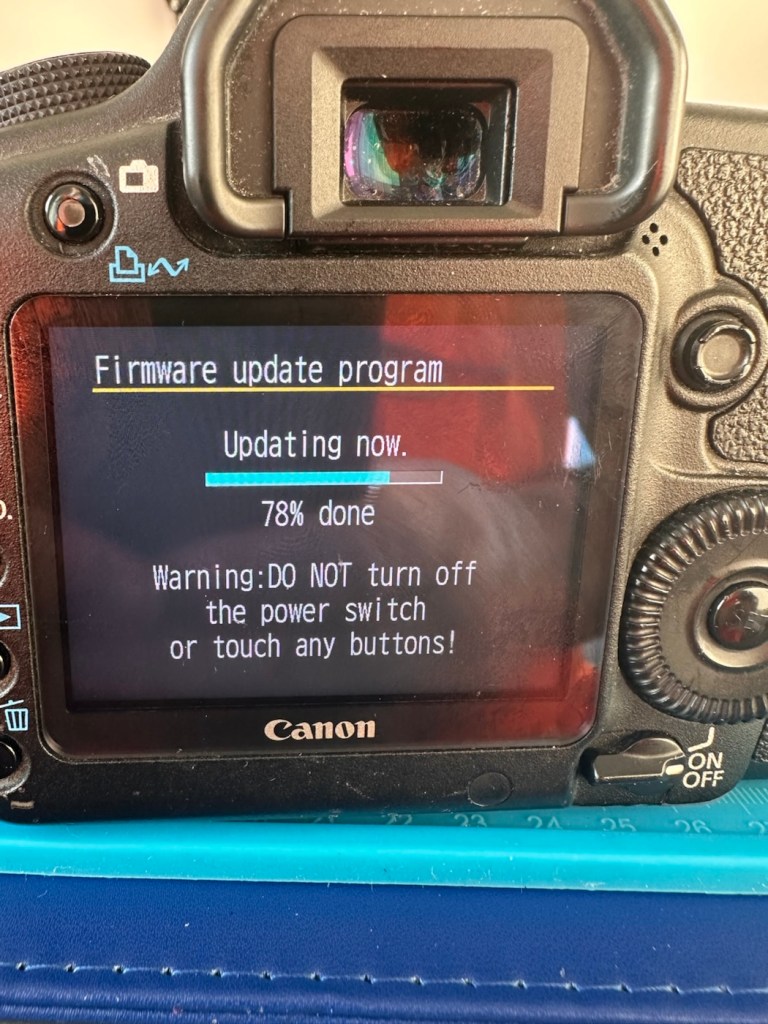
Next let’s try to update the firmware to the latest release. This small video below shows how easy this task can be. This particular file in the video is for an earlier, older update, however the principle is exactly the same for all camera updates with Canon.

Updating firmware on a Canon Eos5D MkII

Following the recommendations in the video above I have downloaded the latest firmware update file and extracted its content to the freshly formatted CF card for the camera.

It’s thinking about it….

The whole process was followed exactly as laid down in the instruction video, and it went as expected. The update was successful.

Firmware update, before and after

The camera is now correctly updated to the most recent firmware. I can now progress to doing some final checks in the lens barrel area prior to moving on and checking the functionality of the camera with a lens in place.

The mirror bumper felt is in good condition and does not need replacement. I have blown out the barrel and inspected the sensor and that is clean and needs no attention.

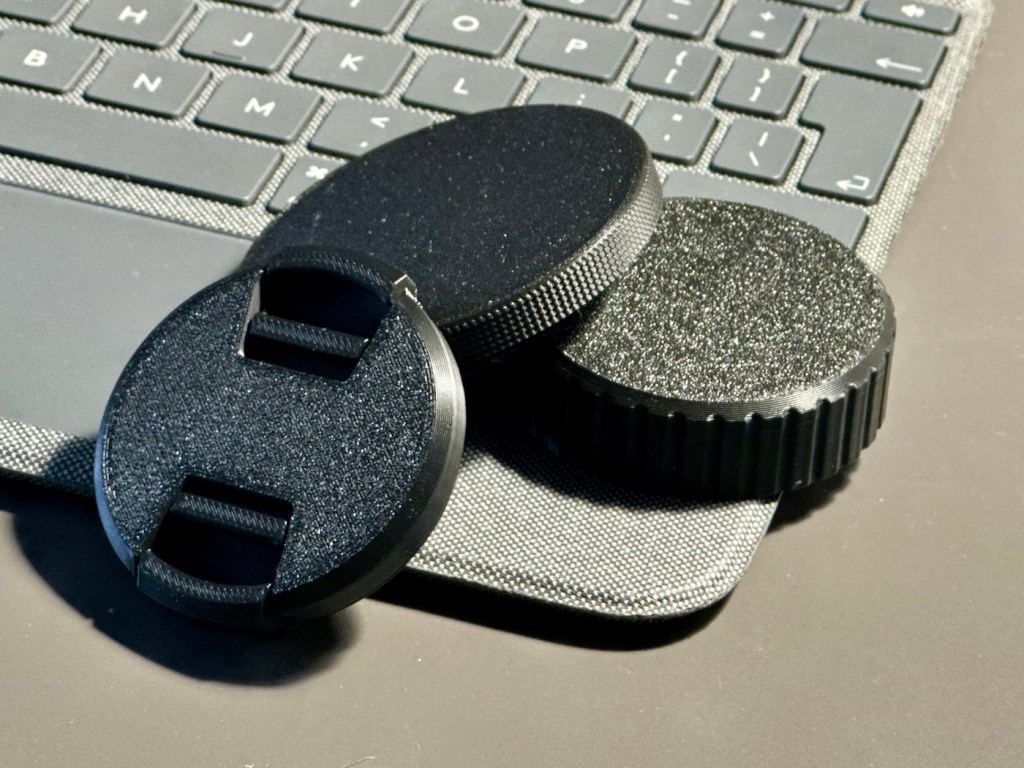
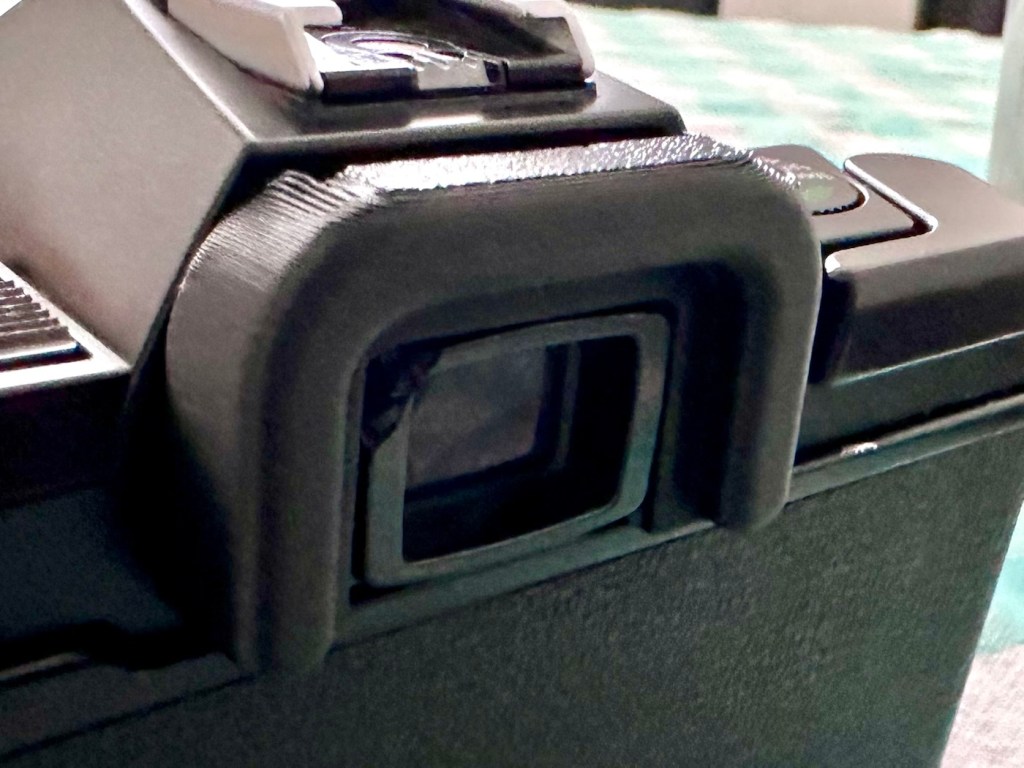
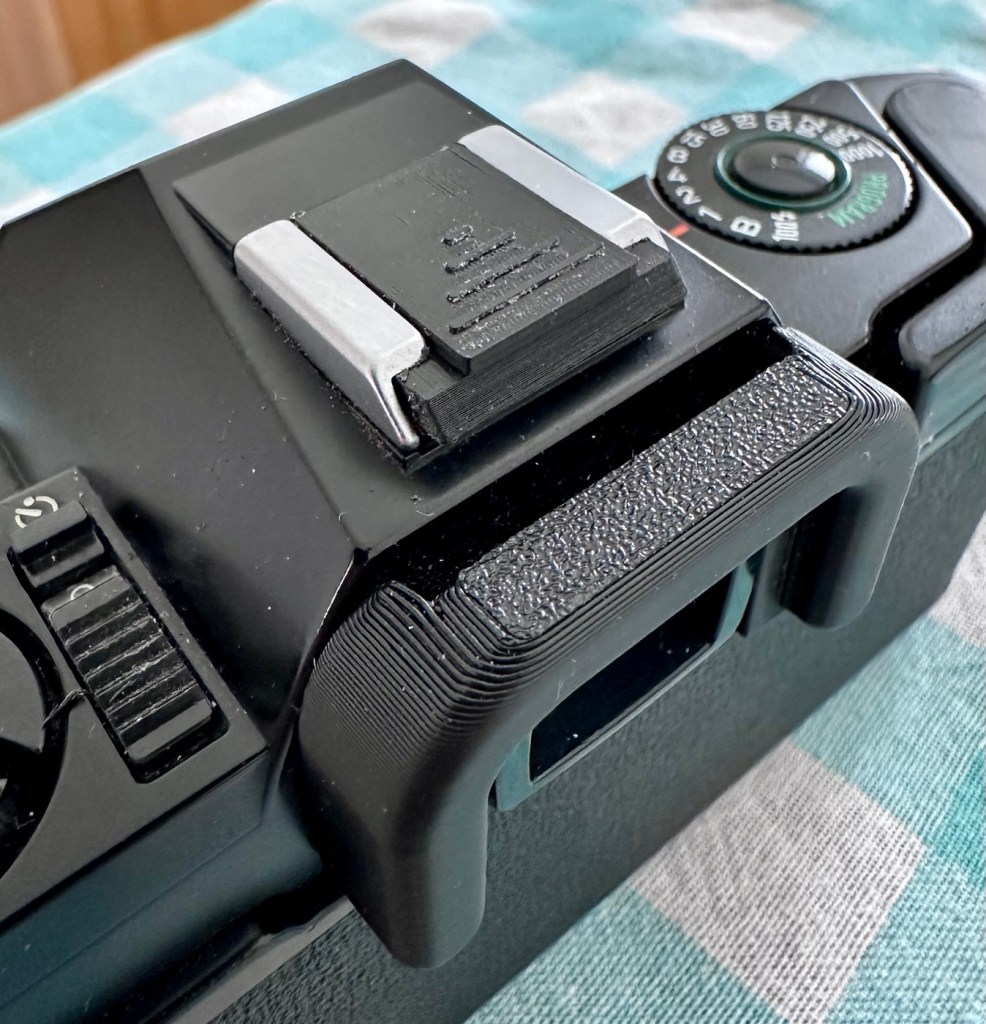
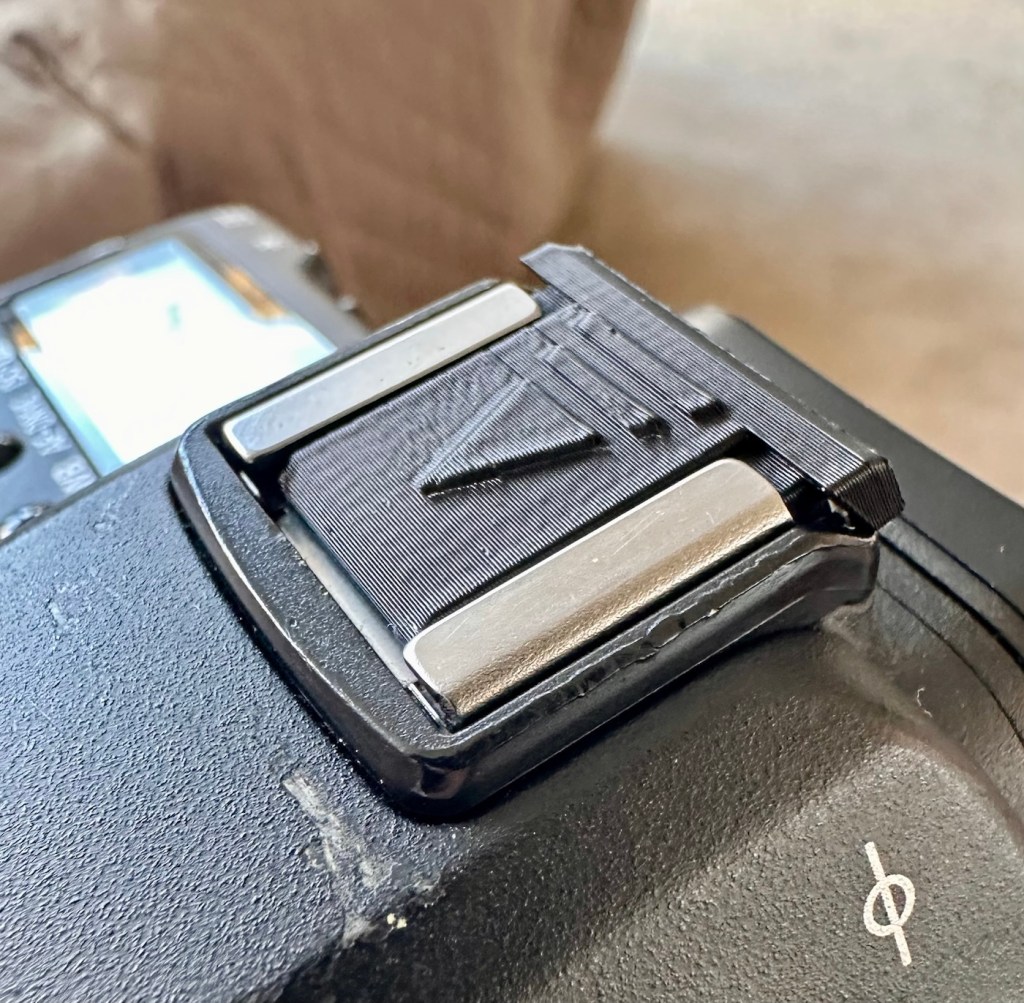
Final touch is that I have printed off a cover for the hotshoe flash holder.

Printed hotshoe cover

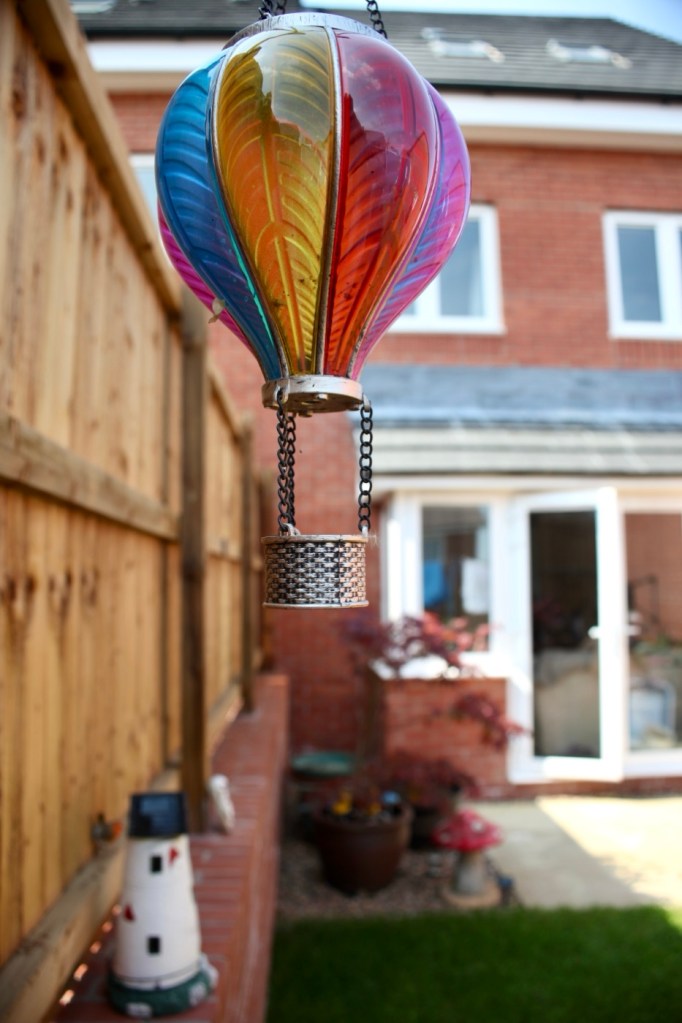
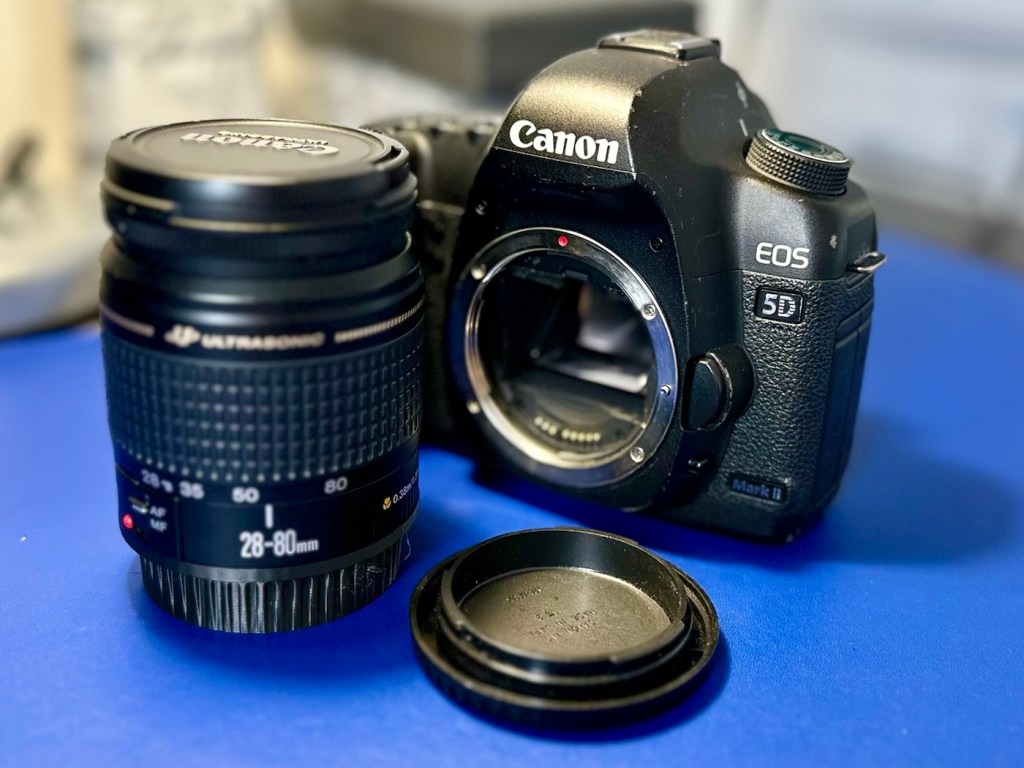
Time to get the battery installed in the camera, along with a formatted CF card, and I’ve also put a stock 28-80 EF lens on the front to test. And here are some of those pictures taken to test, just around my garden.

And I am so damned impressed. It’s only a basic lens but the tonal quality, sharpness and colour has really shone through. The camera has worked perfectly, I’ve used it in auto mode, shutter priority and aperture priority and all works fine. When I use the video mode, all is fine but the basic lens when you telescope, can be heard throughout the video, not really an issue just an observation, hence why people invest in the higher end optics. For testing purposes though, this lens has performed perfectly. I’d be more than happy to venture out for a picture session with this setup.

Every setting on this camera has been tested and it has passed with flying colours. My job here is done.

Result:

A far better result than my last attempt on this specific type of camera. This time around the sensor has performed perfectly and remains in good order, hopefully for quite a time yet. It would be good to see it go through the 250,000 exposures count, and seeing that it’s only about 6,600 exposures away I don’t foresee it being a hard to achieve target. I’m going to get some good use out of this camera, I’m currently looking at taking it to a local nature reserve to see what can be photographed. I’m quite looking forward to that.

A final polish and this project can now be put to bed. Onto the next one.

Many thanks for passing by, it’s always very much appreciated.
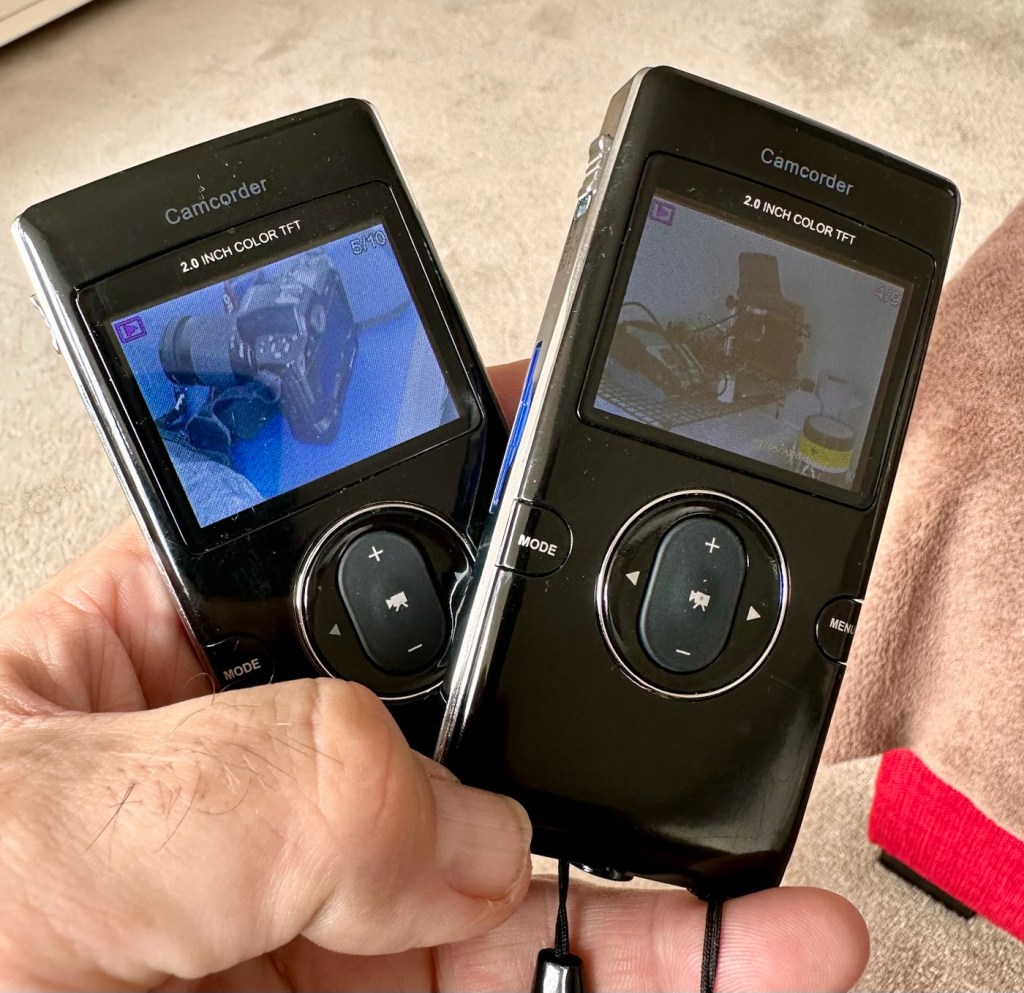
TTS IT00617 digital camcorder/camera

I purchased these three damaged Camcorder/Cameras for a very low price. Will they be fixable or just good for spare parts. Let’s see…

What the listing stated:

TTS IT00617 Digital Camcorder Camera 

Full HD pocket camcorder that records in 1080P and can take 5 megapixel photos.

2″ TFT colour screen. Charges via in-built flip-up USB plug.  

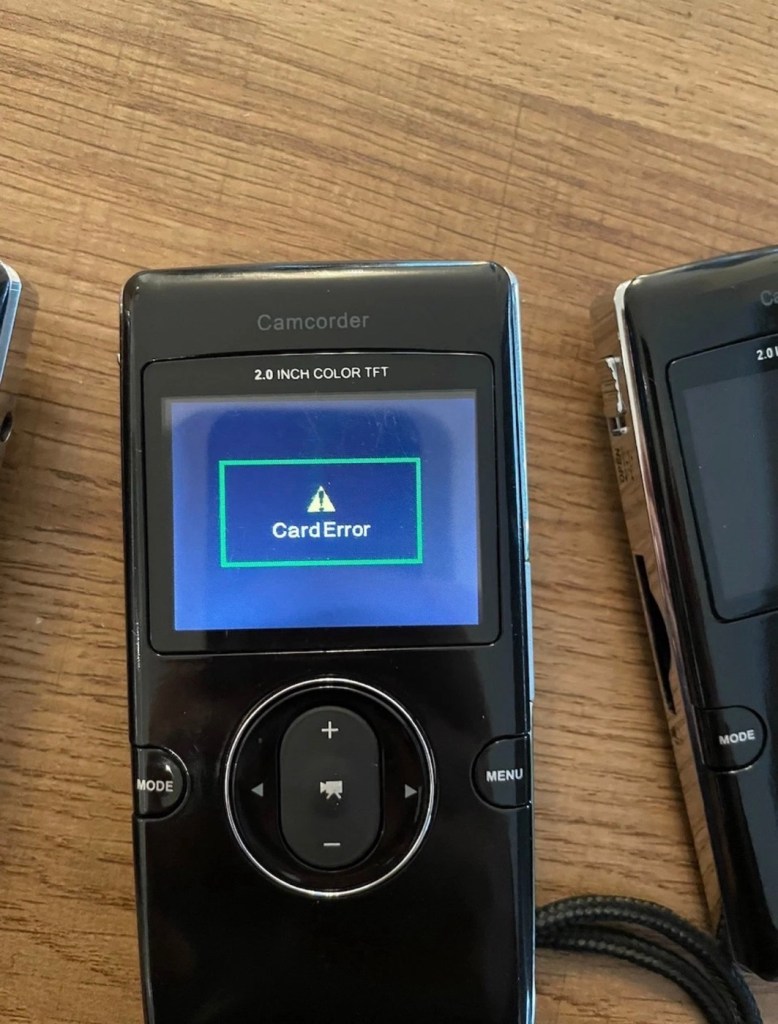
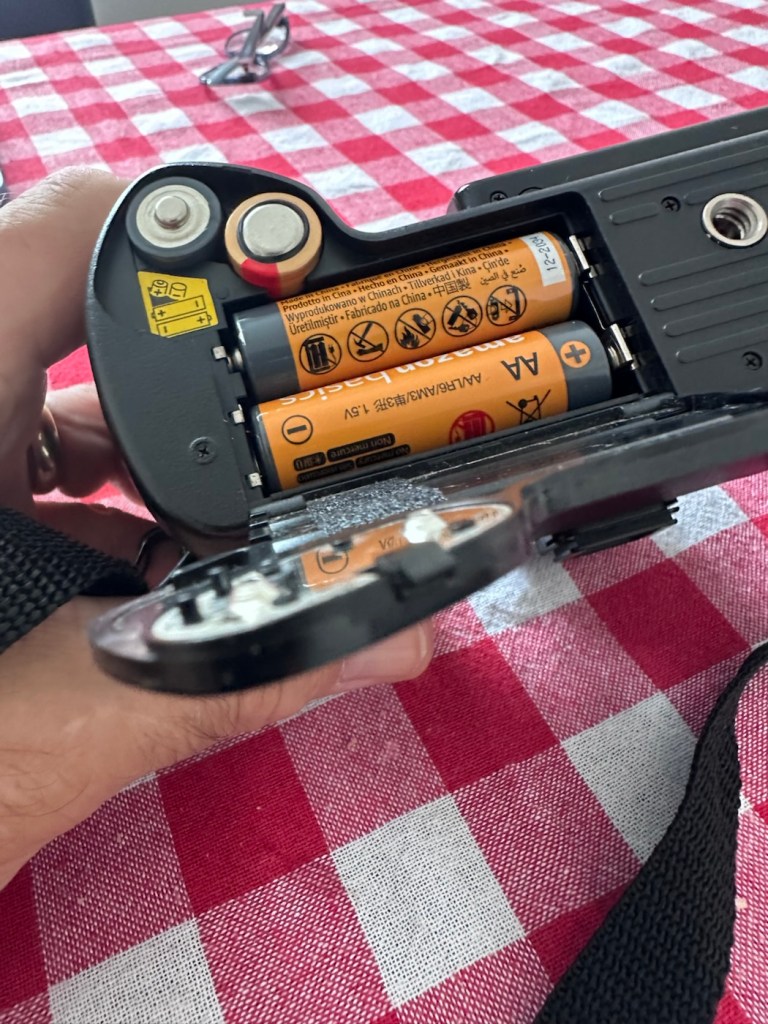
Cameras appear to be faulty. One has a corrupt screen, the others boot and show the camera feed but give a “card error” no matter what SD card I install. 

EBay

The seller wanted £10:00GBP for these three camcorder/cameras but I was not prepared to pay that, for what potentially could be three pieces of junk, only good for parts. So I cheekily put in a £4:00GBP bid that was accepted straight away, the seller really wanted rid of these, I suspect they are junk, we’ll just have to wait and see.

From the information I can find that is available online, these units are handed out to children partaking in key skills programs within schools, to use when recording project work they are completing as part of the school’s curriculum. From what information I can gather, it appears these units were introduced around 2014, as that’s when the instruction manual is dated. They may only be around 12 years old but I suspect they have had a very hard life in those few short years. Hence they are very probably knackered, mistreated, and may well be just junk. My expectations for these units are now very low. The company that produces these units – TTS appear to be based in Nottinghamshire, near me in the East Midlands, and specialise in supplying ICT equipment to primary schools. Here is all the information I could find regarding these units.

The TTS IT00617 is a 1080p Full HD digital camcorder and camera specifically designed for educational and outdoor use by TTS Group. It is often marketed for use in primary schools due to its rugged design and simple interface. 

Core Specifications

  • Video Resolution: 1080p Full High Definition.
  • Still Image Quality: 5.0 Megapixel sensor.
  • Display: 2-inch TFT colour screen.
  • Zoom: 4x Digital Zoom.
  • Storage: Uses removable SD cards.
  • Connectivity: Includes HDMI and USB ports for connecting to computers or displays.
  • Power: Powered by a rechargeable Li-ion battery, which is user-replaceable. 

Key Features

  • Rugged Design: Built to be resistant and ideal for outdoor photography and video capture.
  • User-Friendly Interface: Often includes a built-in microphone and a touchscreen for easy navigation.
  • Educational Accessories: Retail packages typically include an installation CD, user manual, and necessary cables.

Google

I have managed to get hold of a user manual electronically, so I will download this and just go through the motions step by step when the units arrive. You never know one or two of them may just spring back into life if treated correctly. I doubt it, but it doesn’t hurt to have a little bit of optimism.

Let’s get an assessment done.

Assessment:

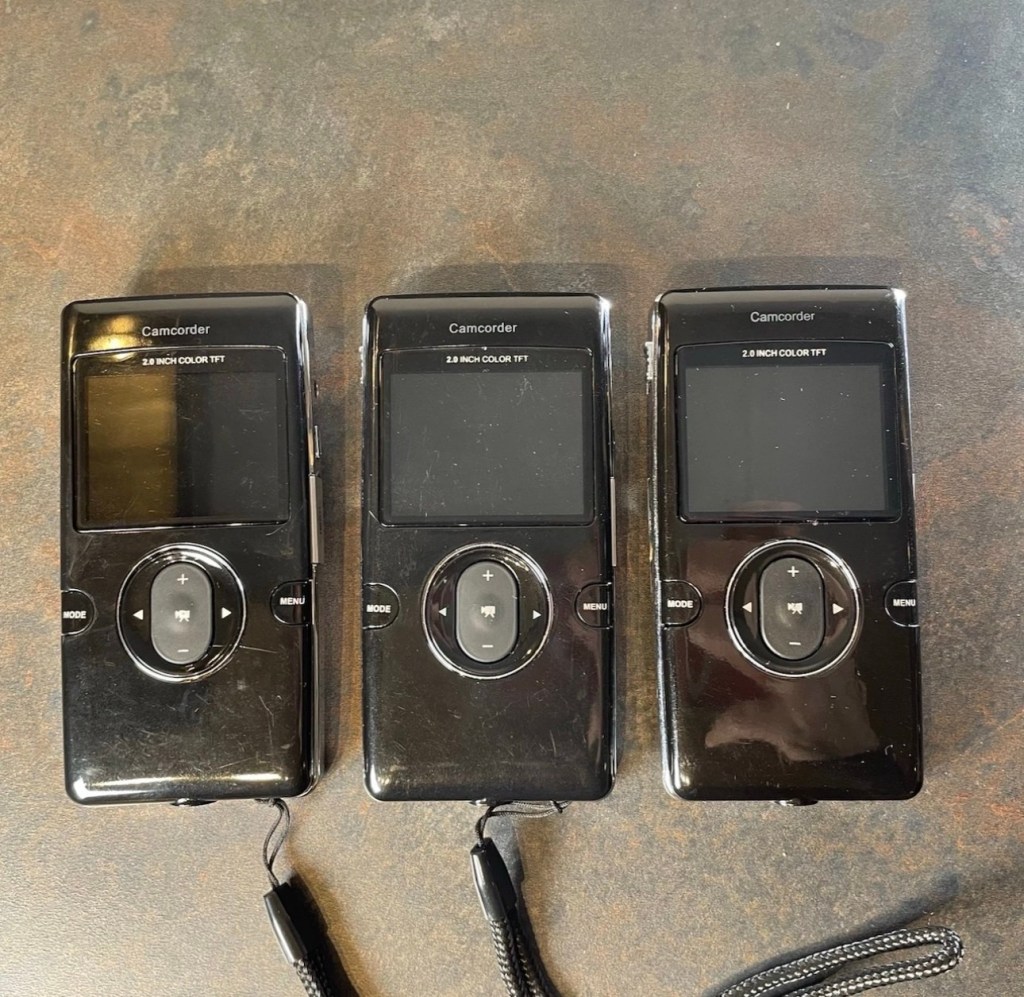
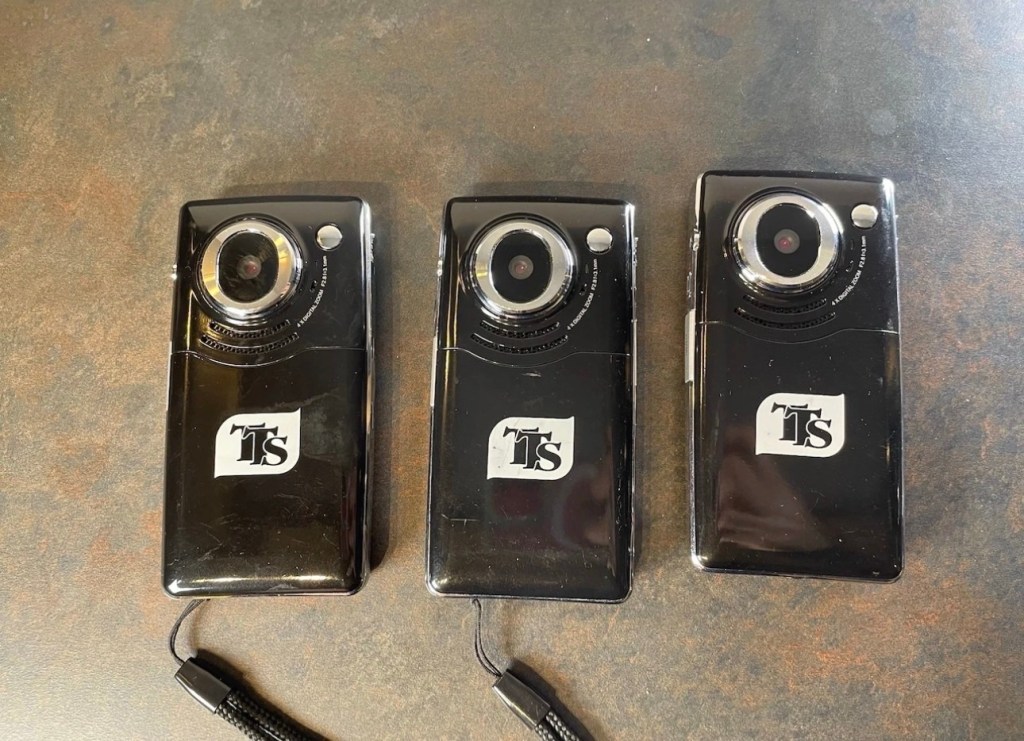
The cameras have arrived. I’ve carried out a very quick inspection and all three are dead to the world, so first things first, let’s try and get some power into them and then we can do a proper assessment. I must admit though, all three cameras are cosmetically in a very good condition.

All three cameras – two charging with red light visible

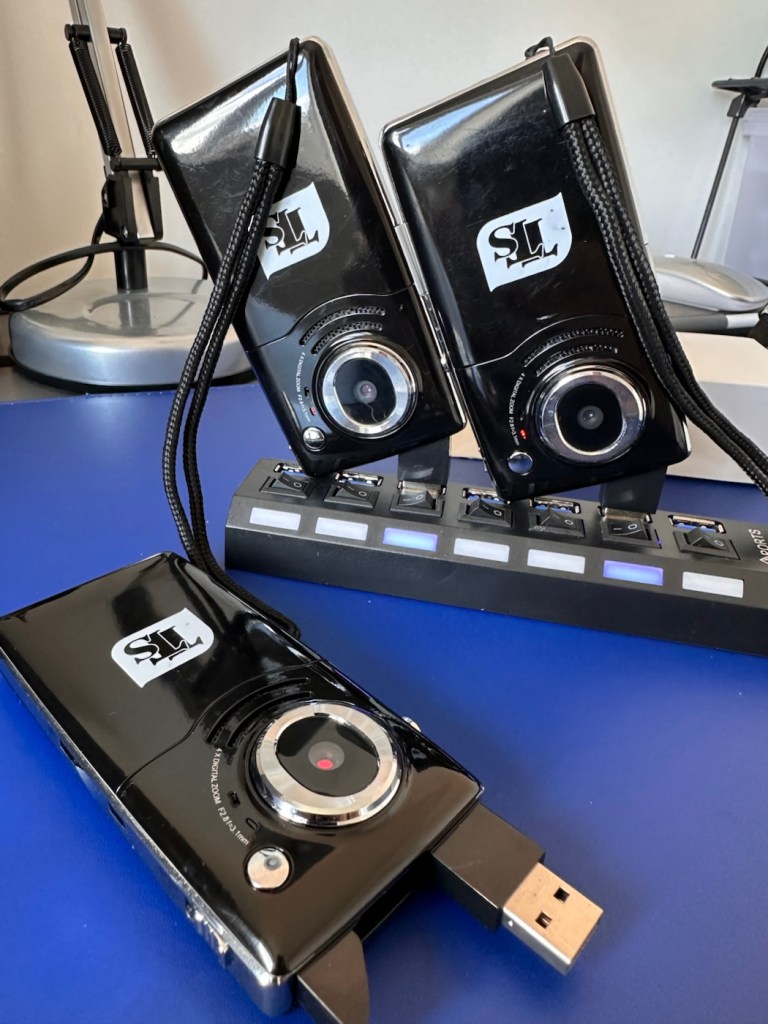
A switch on the side allows the USB charge port (also a data transfer port) to pop up and you just plug the unit into the socket of your choice, either a hub as I have, or into a port on your chosen computer device. When charging a red light shows on the rear of the camera at the side of the lens. This extinguishes once a full charge has been reached.

Two have reached a stage of full charge, one, the unit with the corrupted screen issue has not, and to check the battery, i have put this into one of the units that charged ok, to check if it is a battery issue or a unit issue.

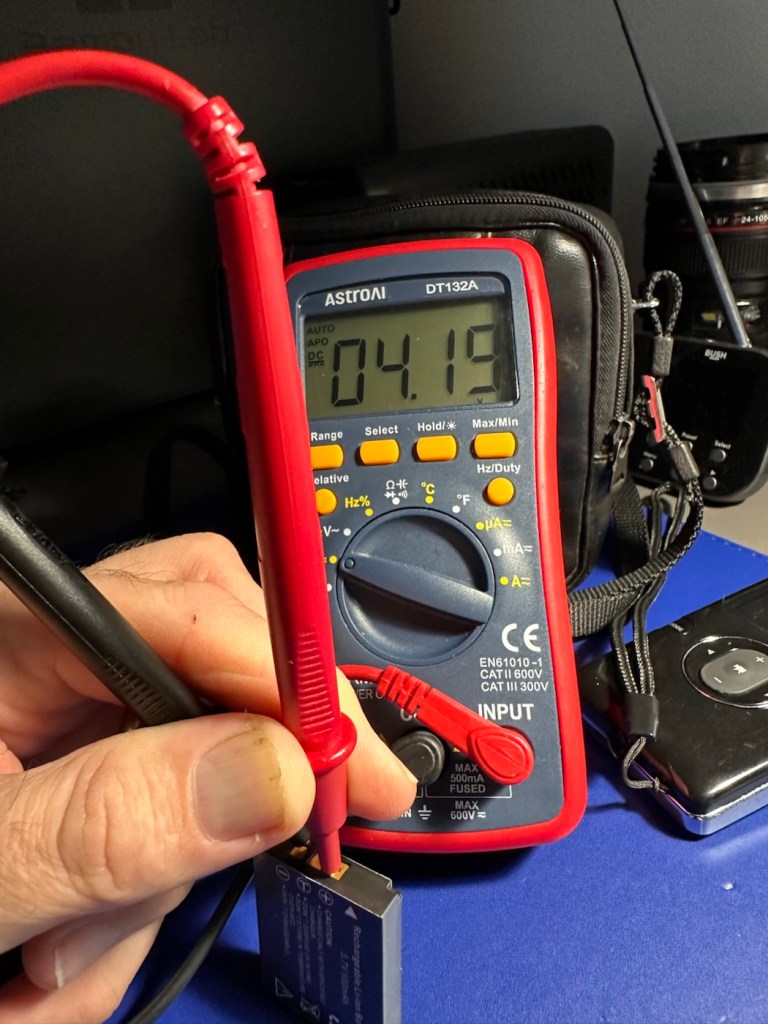
It’s not a battery issue, in fact the faulty unit is charging its battery, so at least I know the charge circuit is working. It’s working in all units as I have removed all batteries and checked their voltages with the multimeter. The battery rating is 3.7v and they all currently hold a charge between 4.16v and 4.19v and that shows that they are all quite healthy.

Battery charge indication

All testing done, and now with an idea of the issues, let’s move into repair mode.

Repair:

The original posting stated that two of these units had “Card error” faults no matter what SD card was used, and one had a corrupted display screen.

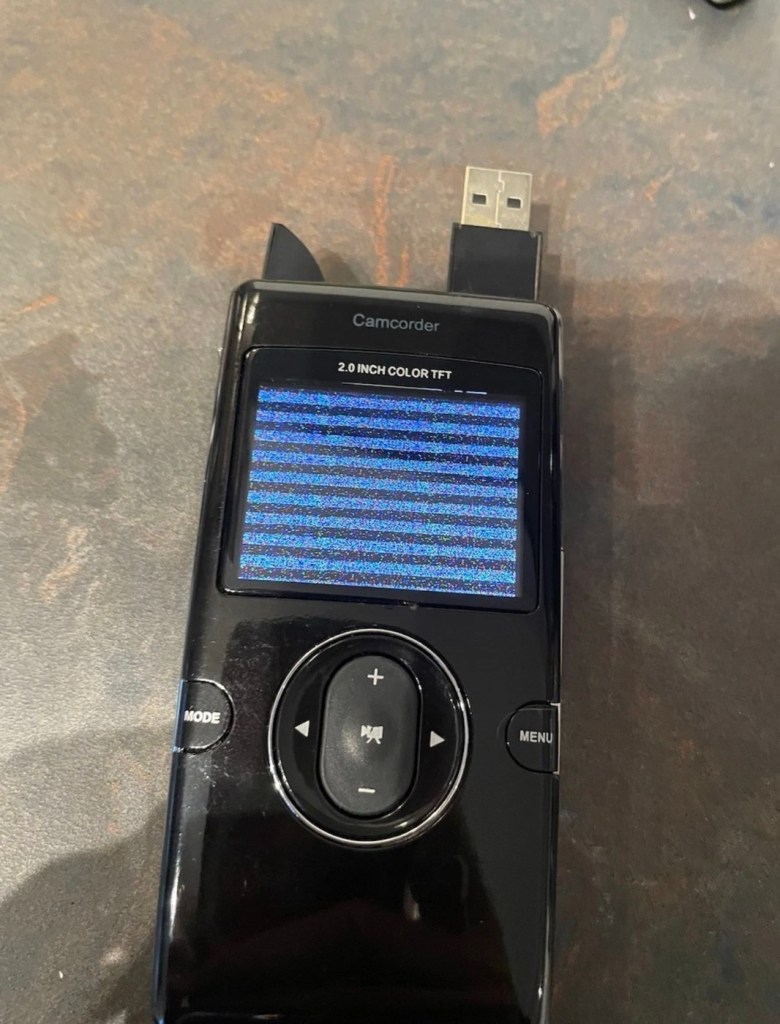
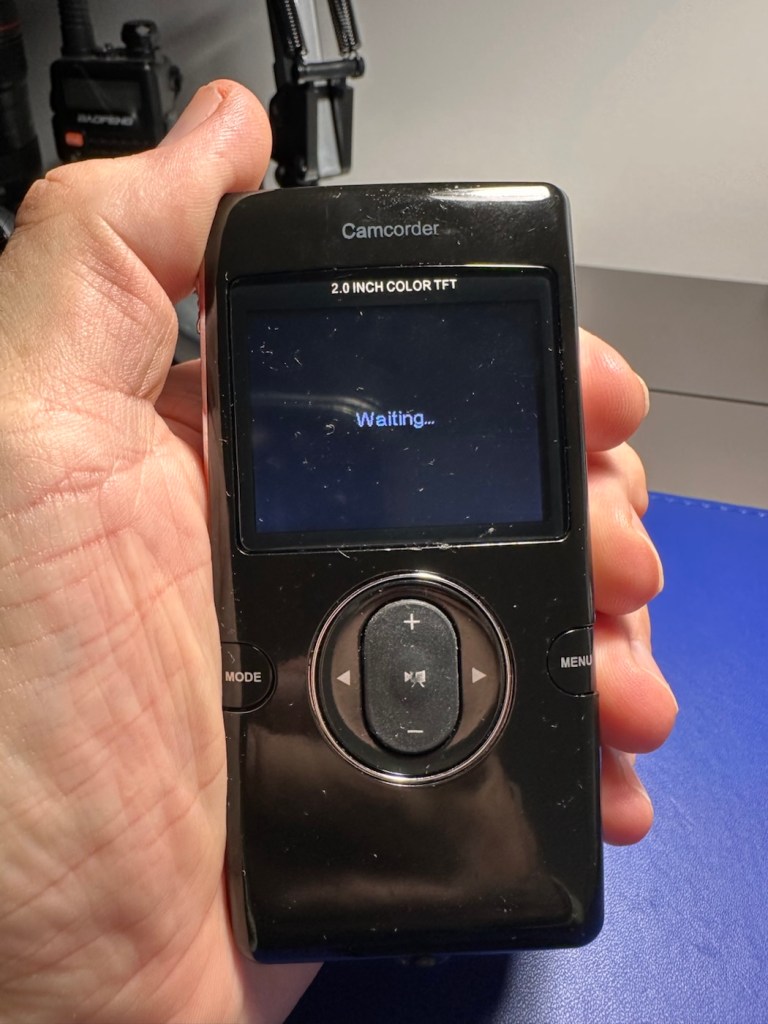
I can definitely confirm that one unit does have a corrupted screen, and this is the same unit that was having the charging issues mentioned above.

You will see in the pictures above, that I believe the screen is actually ok, yes the output is corrupted, however the start up screen or the waiting screen show no such display errors. I suspect there is an issue with the actual camera module, so I will have to open this one up to investigate further. The on off button allows you to turn this unit on, however you can’t power off. You have to remove the battery to close the unit down. This is obviously another issue that requires further investigation.

The other two units with the “Card error” fault have each had a 1Gb SD card installed and no such error occurs. Well, to be honest, it actually only happened once, briefly on one unit, when I inserted a fresh card. It then asked me to format, which I did and then it was all normal, that’s all it required. I don’t know what type of card the seller was using, maybe they just did not format the SD cards, but as it stands the stated problem is non existent in these two units.

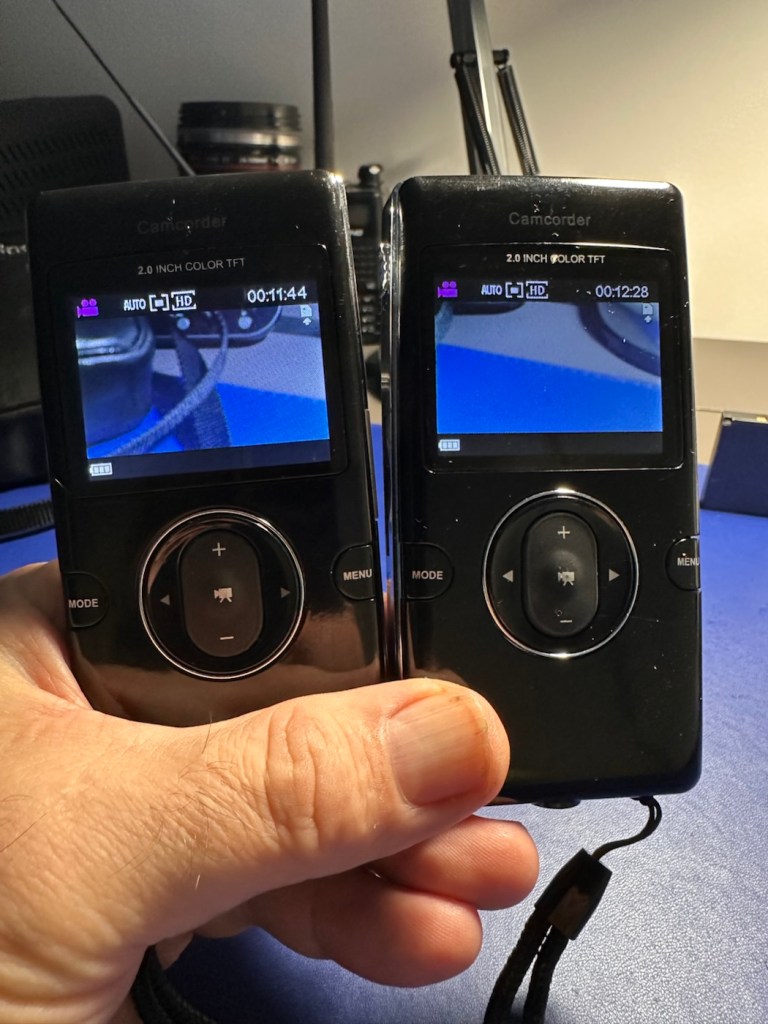
Two units, no issues working fine

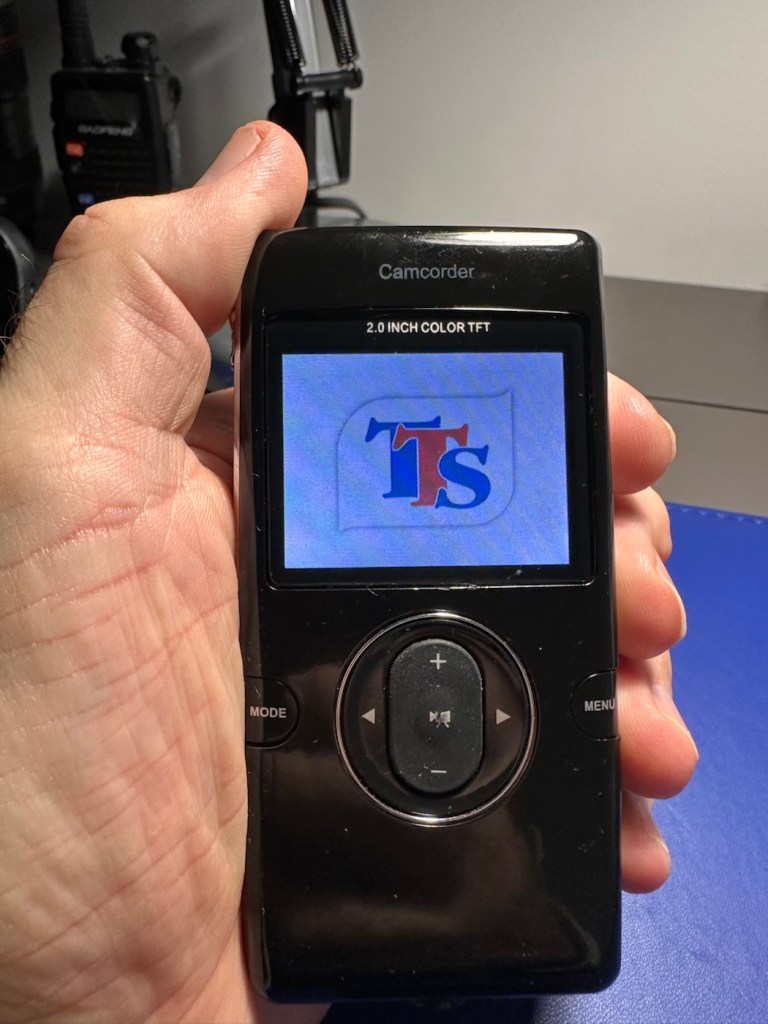
With the two working units I am able to video, and take still photographs, they are working fine, there are no issues and I will display a small video and some pictures below in the result section. Don’t expect quality, it really is quite a basic system. I need to do nothing to these two units now, as they are working fine.

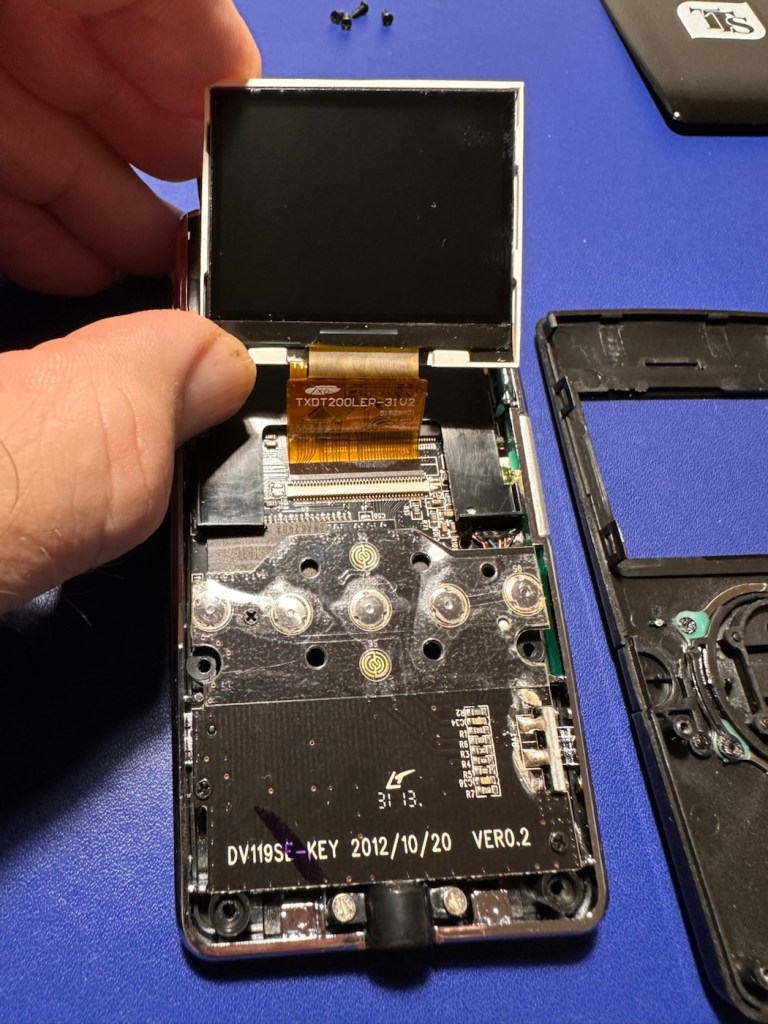
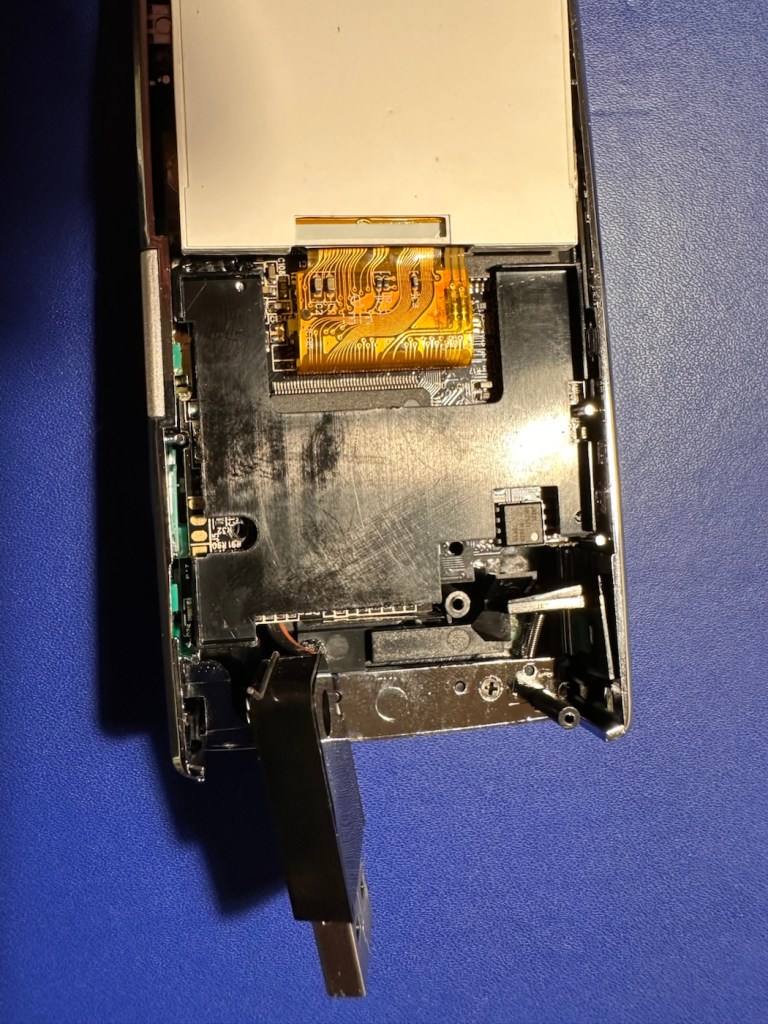
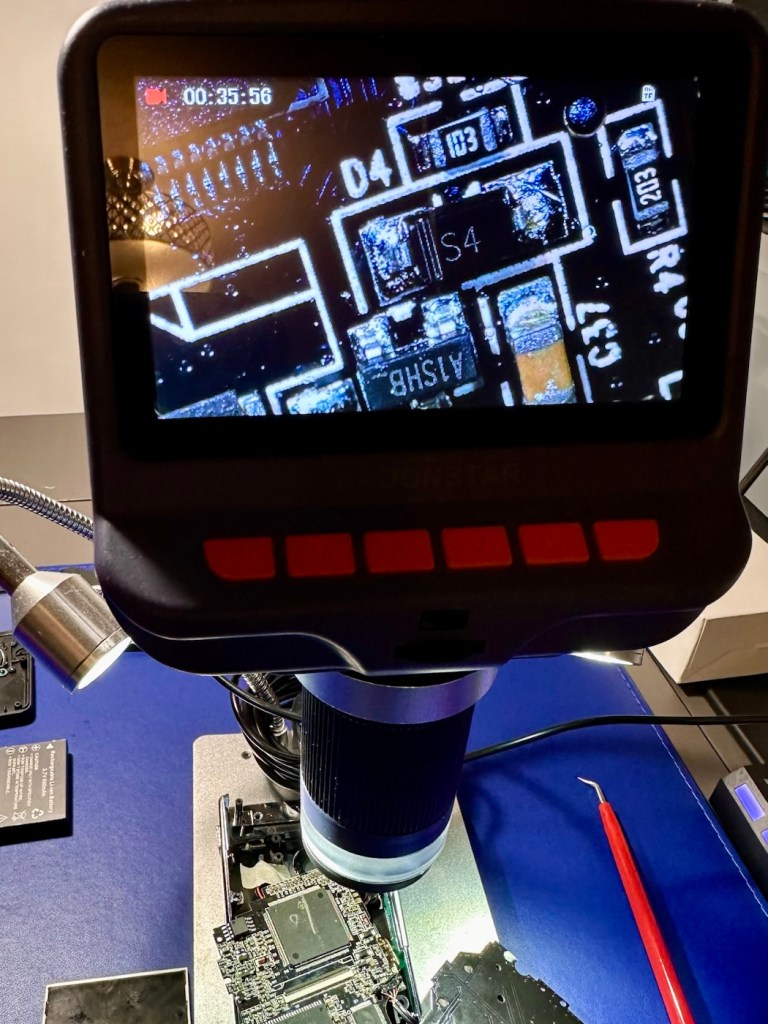
We now need to turn our attention the one failed unit with the corrupted screen, and power on and off issues. I’ve opened the unit up and had to use my microscope on this one as there was nothing obvious on inspection.

I detached the ribbon cable and removed the screen, I then repositioned it and again turned it on with the same result. I’m confident the screen is ok, it now looks like it could be an issue on the board.

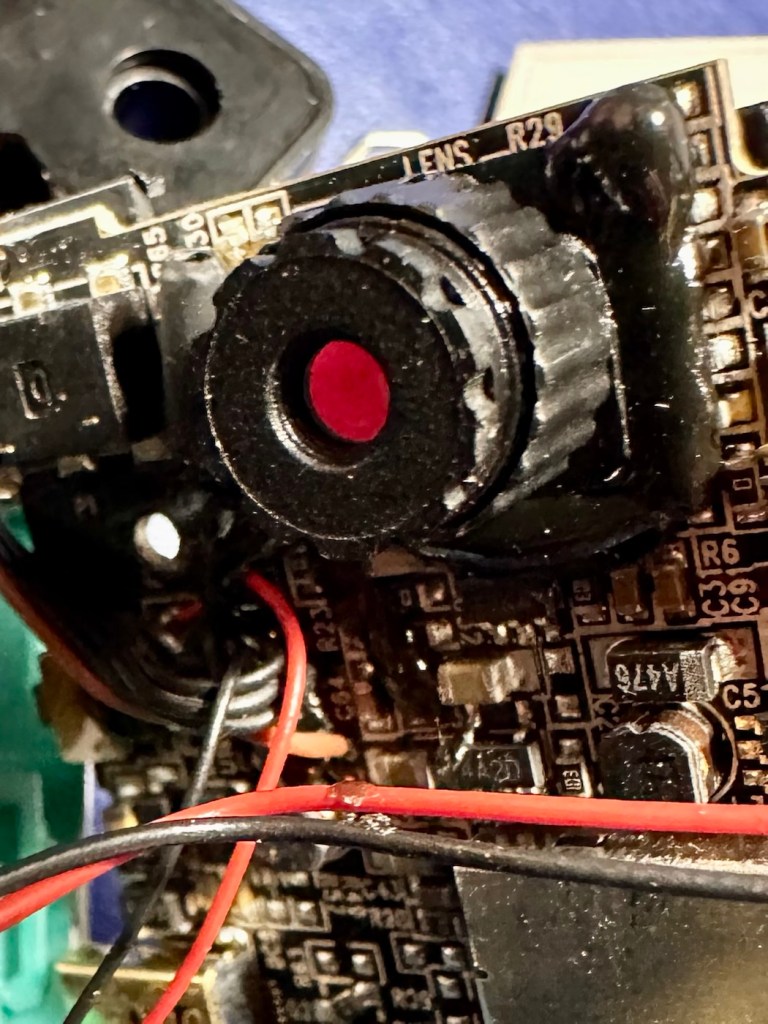
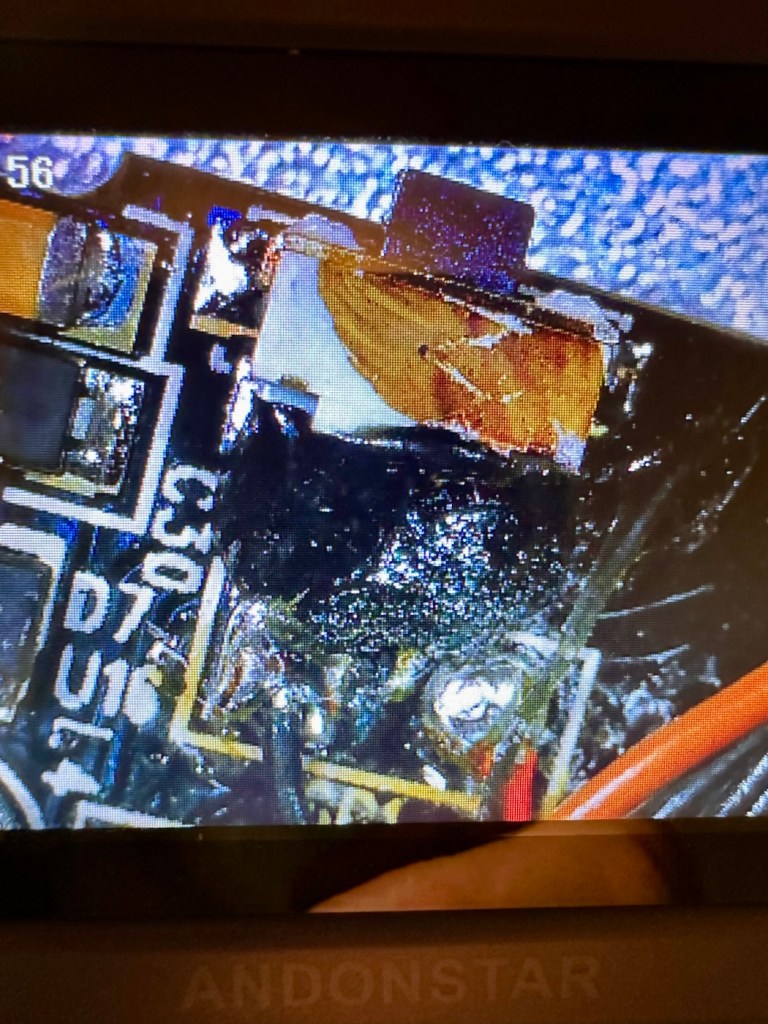
I’ve now started to inspect the components at a magnified level, as some of these components are honestly a quarter the size of a grain of rice, they really are minuscule. The on/off button appears to be ok, it is covered in a dollop of rubber gunk that they use during production to protect parts of the circuitry, it’s all over this board. Having located the camera, I’ve now started to do some testing on the components surrounding it, and there is a short circuit detected on a small capacitor, and the four or five other capacitors surrounding it. I removed two of these capacitors and the short still remained, and that’s when I noticed the chipset sitting directly above it.

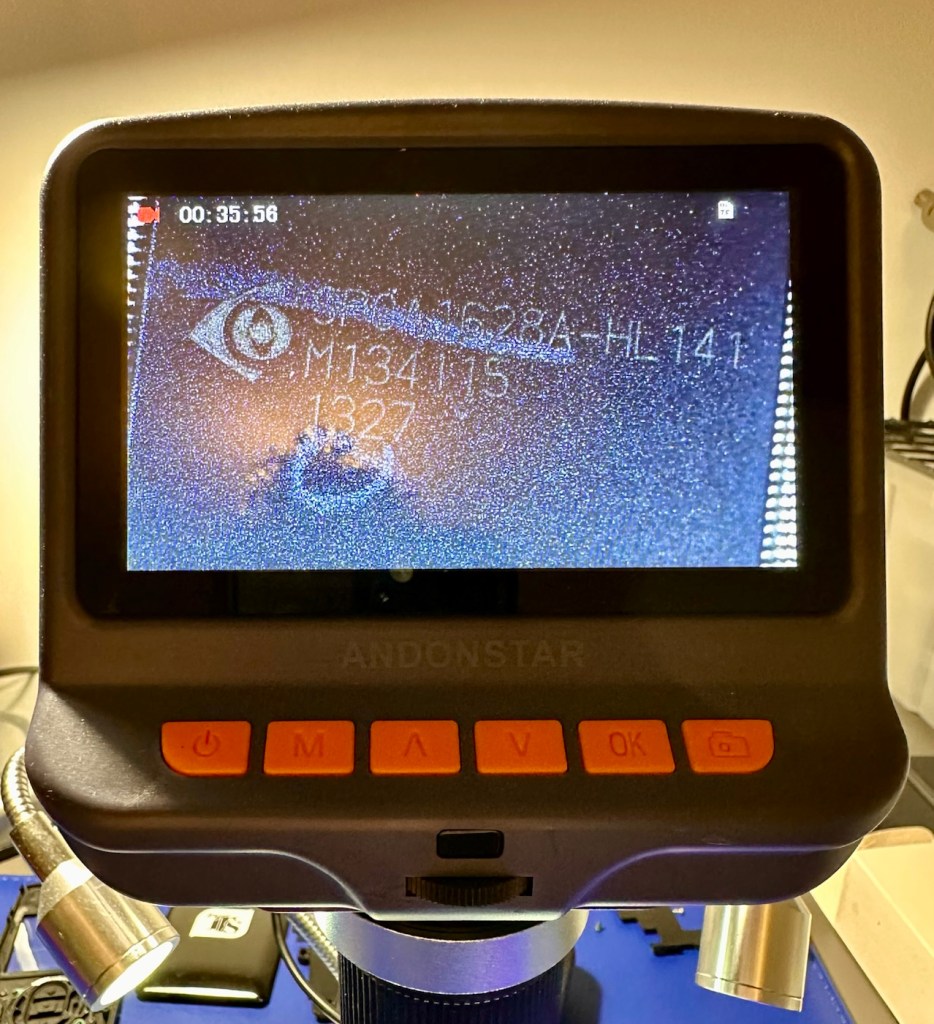
AN SPCA1628A-HL141 integrated circuit

On the screen I was now looking at an SPCA1628A-HL141 integrated circuit. This circuit is heavily used in cameras, digital video devices, and image processing equipment due to its image processing capabilities. And with the amount of failed components around it, I very much suspect this component is carrying the fault, it needs replacement, however as this entire unit has only cost me around £1:30, I don’t believe it’s financially viable to pay around £5:00 for a replacement chip, costing more than the combined three units. It’s just not worth it, and the gain from its repair would not match the outlay, it’s just not worth repairing.

Therefore this unit is going to be dismantled for spare parts, I have a battery, a battery control unit, a camera, an SD card holder, an LED screen and numerous other parts and screws that are far more valuable to me for future use. Very little will be wasted. What is disposed of will be recycled.

So we have one failure but we have two perfectly good working units. Two out of three ain’t bad. (I’m sure that’s a song!) – it is, Meatloaf – I believe, good tune!

Result:

So here’s a few pictures and a couple of small videos taken with the two working units.

Small video of the two units playing back videos

The overall quality is between atrocious and very poor, but I guess for the purpose of school kids documenting activities it suits just fine. The video is on par with what you would have seen on phones of the Nokia era, maybe early to mid 2000s. The pictures in the right light settings are not too bad, but you do get more bad than good.

What can I use this for? God knows, it would be ok for doing a basic journal with, something to film a rehearsal situation with prior to using the good gear and doing it properly.

To be honest, I’ve a couple of young relations under the age of ten in Devon who might like these just to fool about with when they are out playing. At £1:30 per unit they couldn’t buy a decent pack of sweets for that, and this would cause less dental decay 😂

Anyway, it’s a good fix, more saved from landfill, so in my eyes the job is a good one👍

Thanks for passing by. It’s very much appreciated.

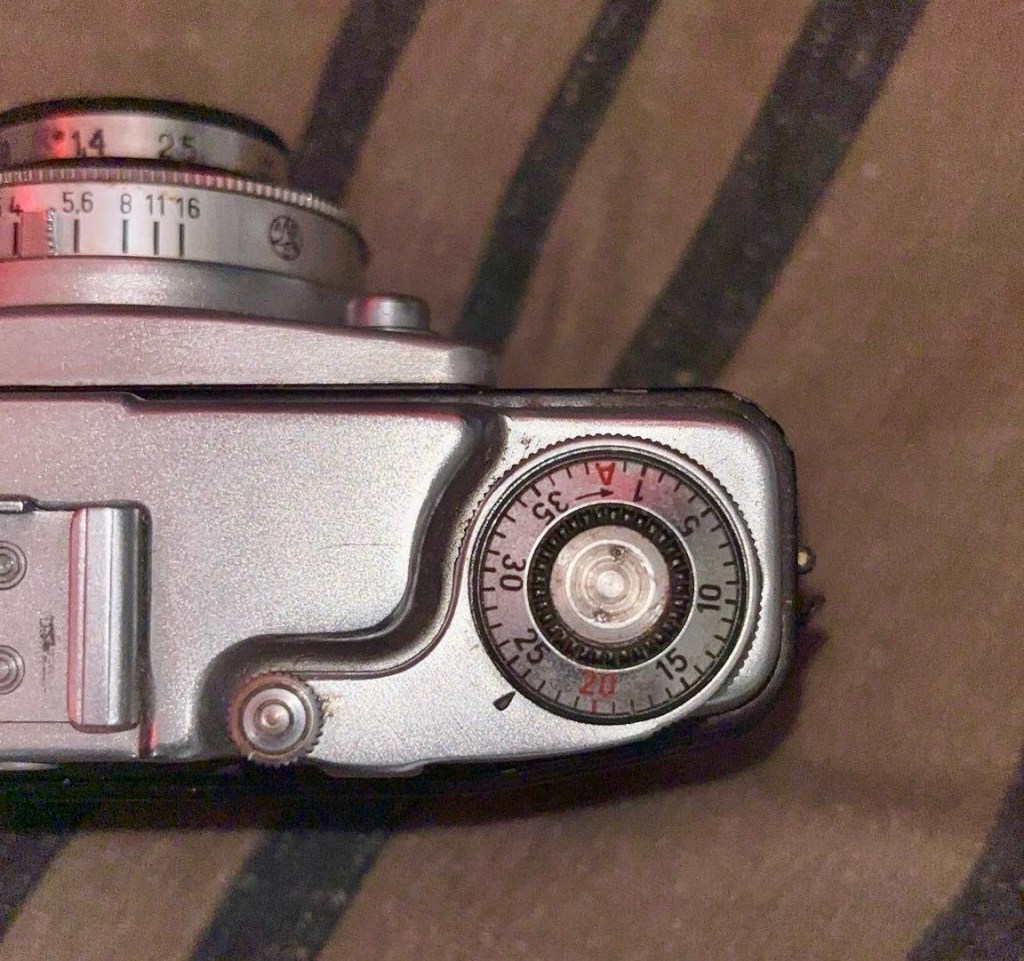
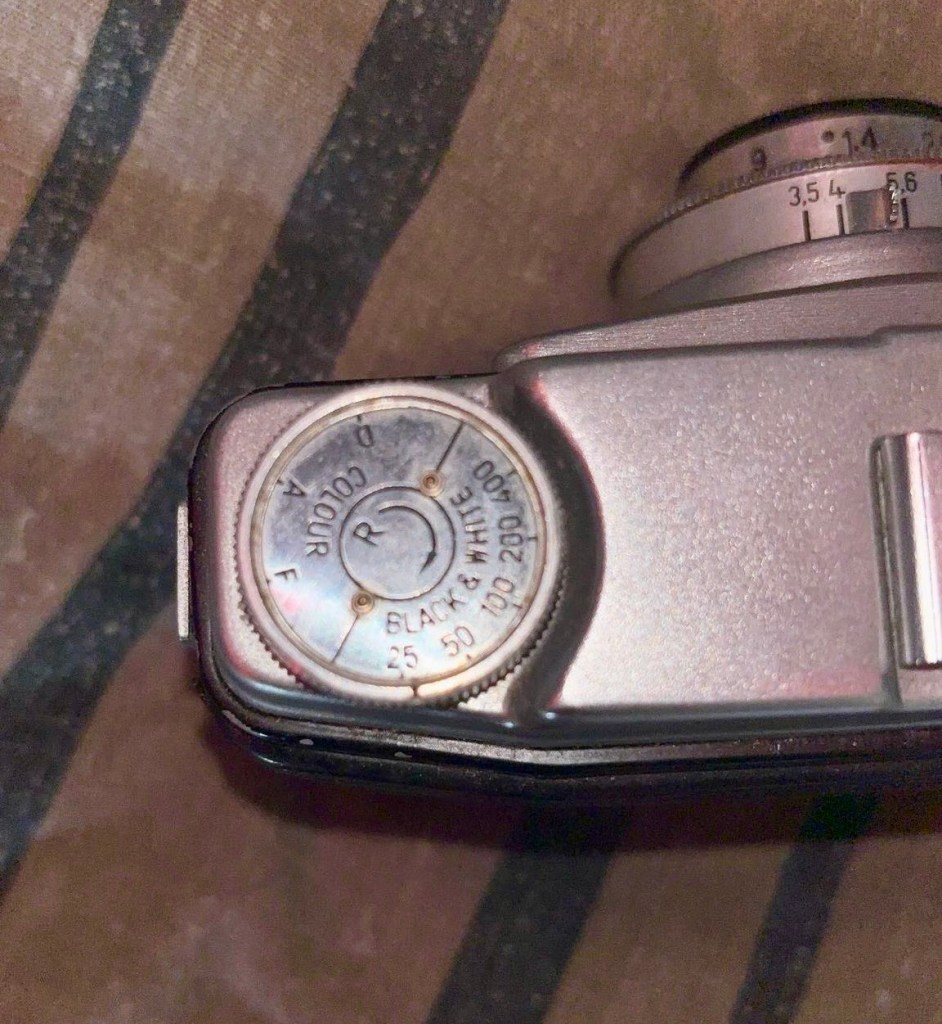
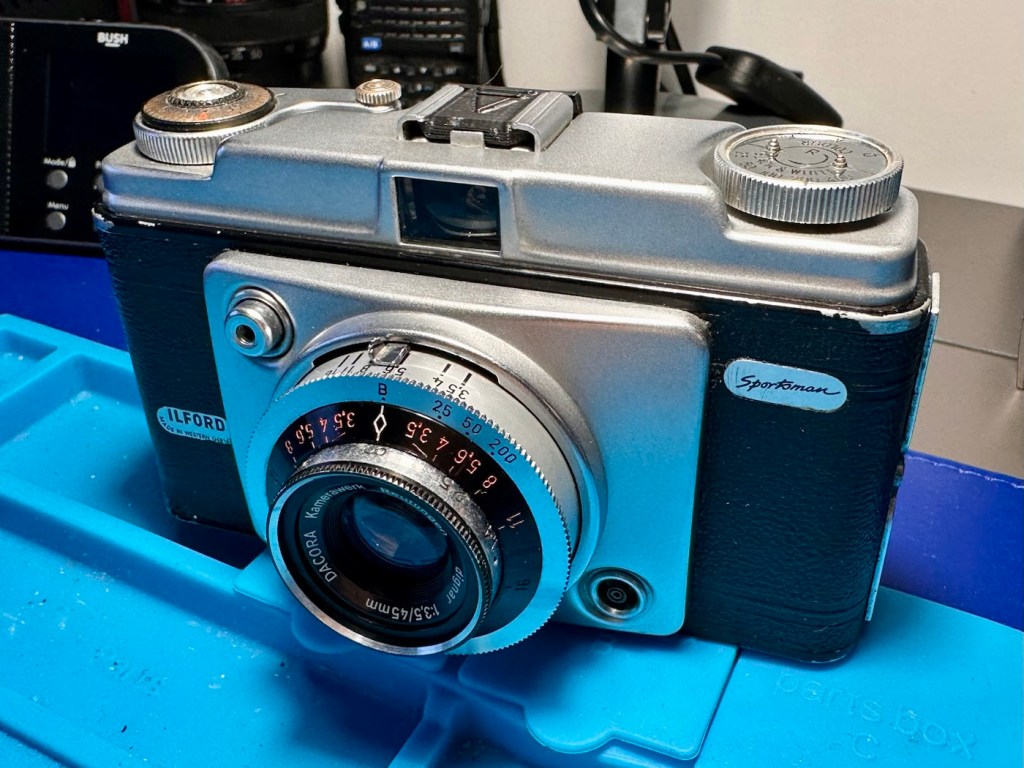
Ilford Sportsman 35mm camera

I’ve been asked to give a little service to a friends old 35mm camera that he’s inherited. Mainly cleaning and making good. An old camera that deserves to maintain its originality.

I received this text message tonight from my nephew:

Hi, my mate “T”, has got an old camera from his sister, from a old antique store, he dunno a lot about it and was wondering if you did and if you’d have a look at it and see if it was in working order as he can’t figure much out about it, no worries if not tho 👍

Family

Now, I love these random out of the blue messages, to me it just says people have a trust in what I do, and I like that. And how can I turn down a request such as this. I’ve jumped on to it and said I’d give it a service and get it checked over and up and running, no cost, I just want to feature it within my blog site. The owner is also a youngster, just starting out in photography and has a thirst for knowledge of the traditional side of business, and wants to find out more about the old ways and how the trade used to operate. He wants to shoot film, and process it, and produce his own prints. I can help him do that. And I look forward to passing that knowledge on. In the meantime, this is the camera we are looking at, and wouldn’t it be just great to get it working and use it to get those results under tuition, that he wants to achieve.

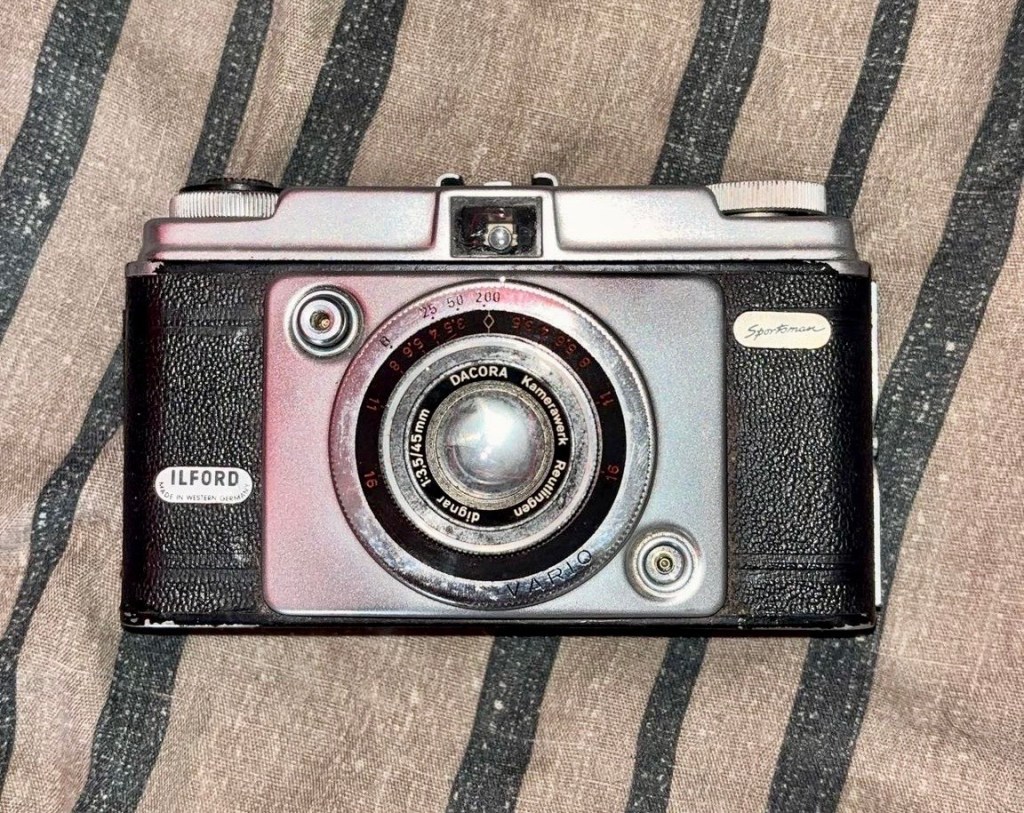
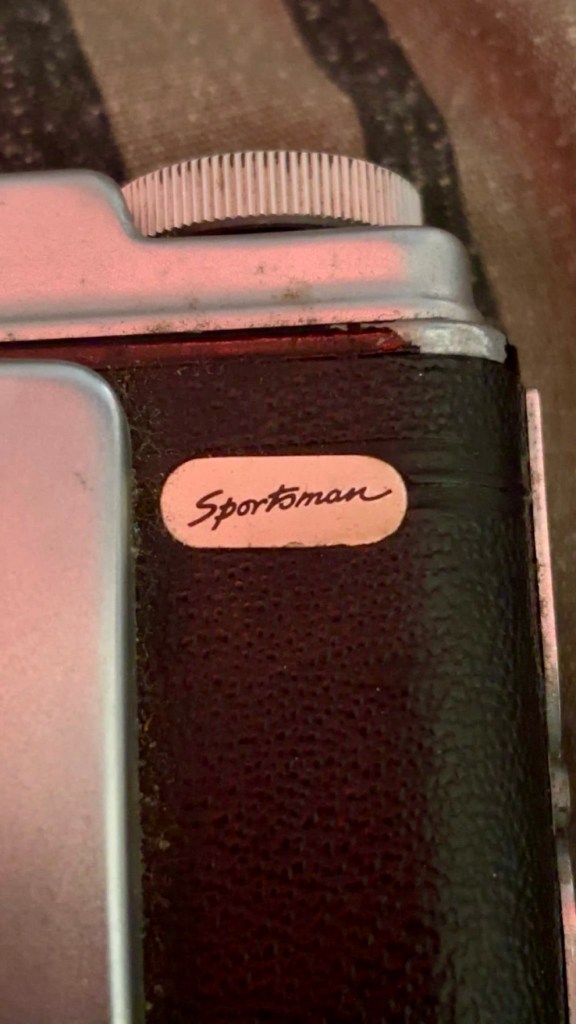
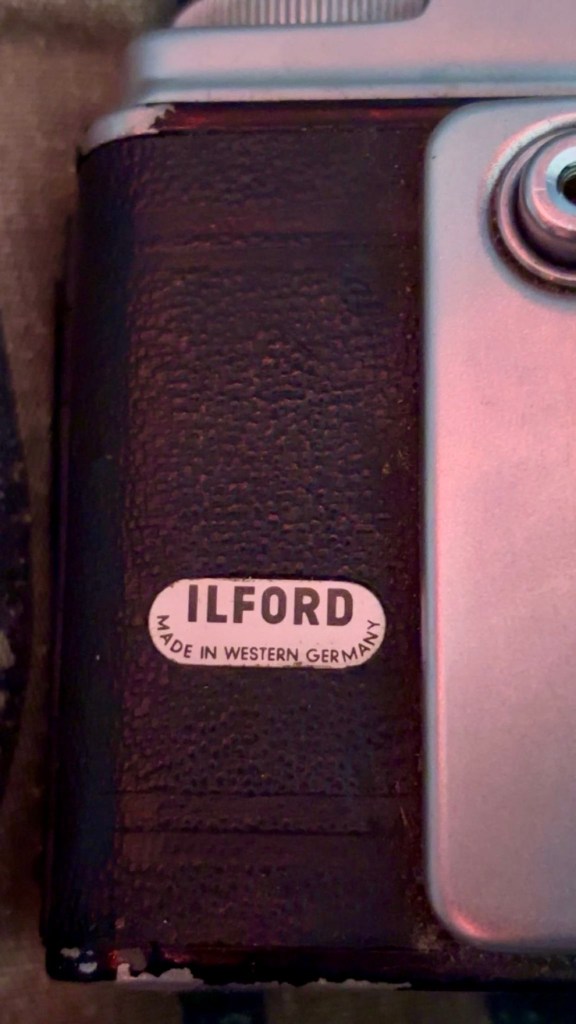
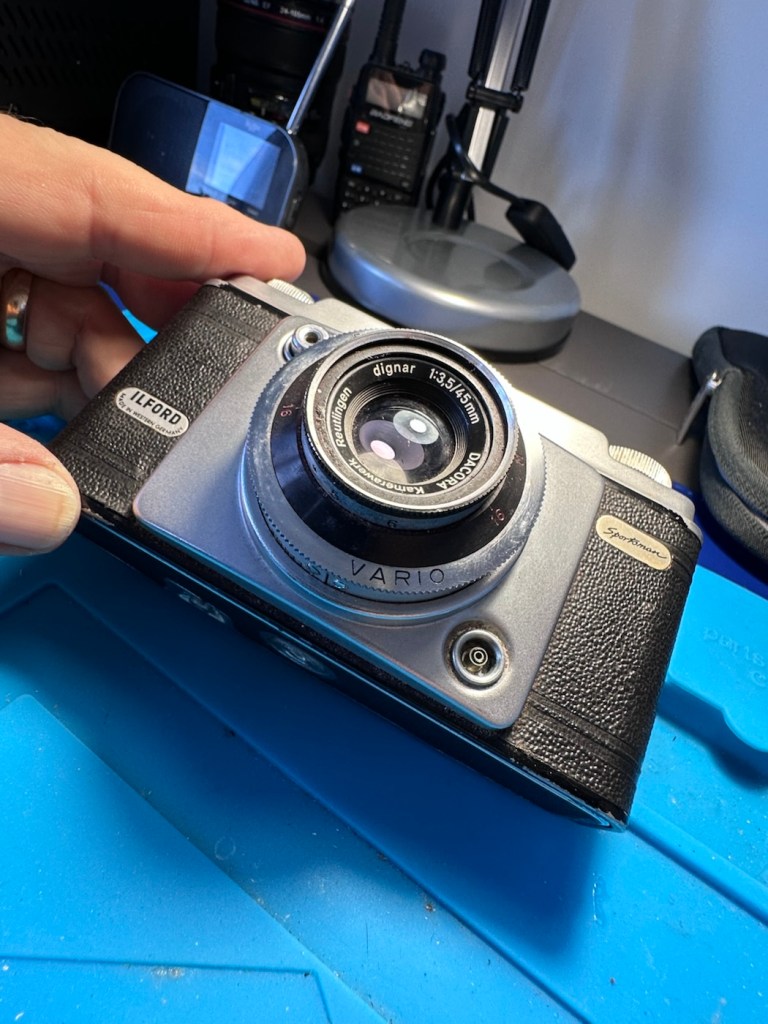
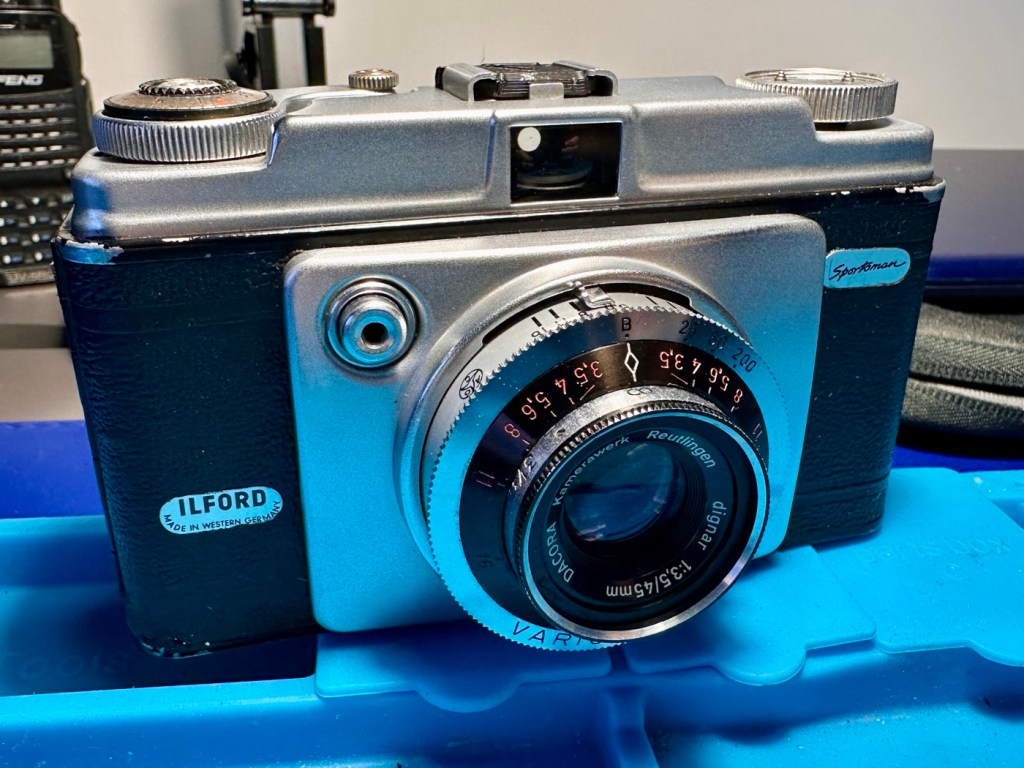
This camera is really a rebadged Dacora Dignette produced in Western Germany for Ilford Uk.

Here’s a little history regarding the Ilford Sportsman camera range:

As the desire to own a 35mm camera blossomed within popular amateur photography during the latter 1950s, in part prompted by the more economical production of projectable colour transparencies on 35mm instead of roll film, Ilford Ltd must have been concerned that they did not have their own range of such cameras.

Kodak was importing their 35mm Retina/Retinette range from Kodak A.G. in Stuttgart, a factory they purchased in 1931, (originally the Nagel Camerawerks).

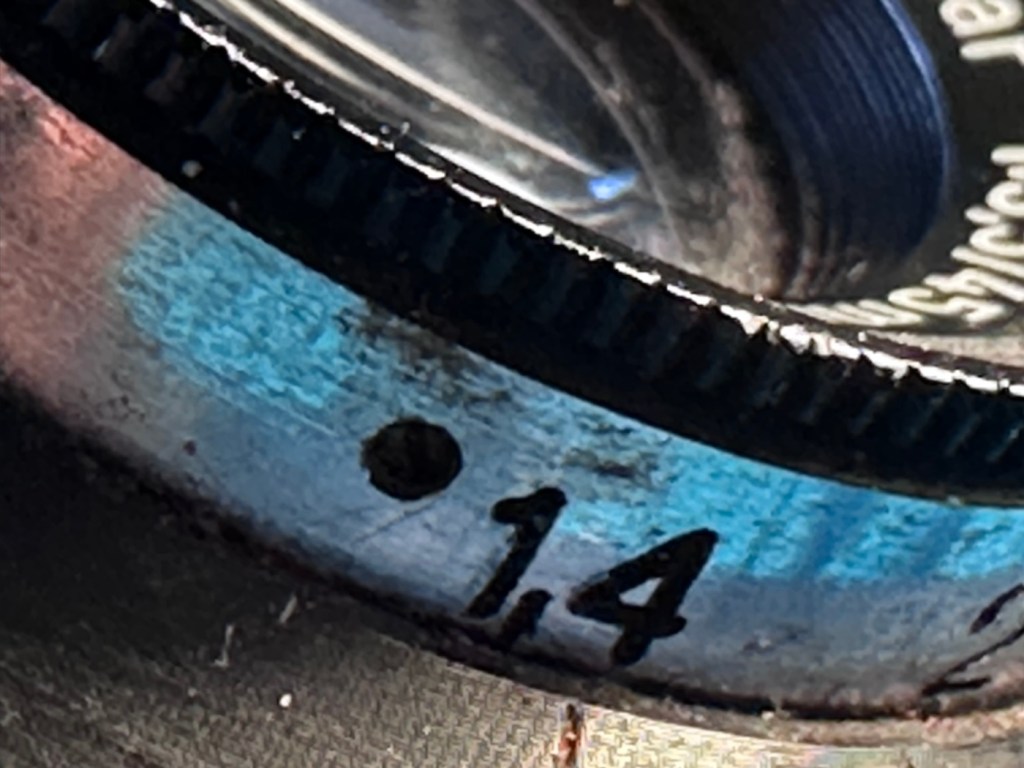
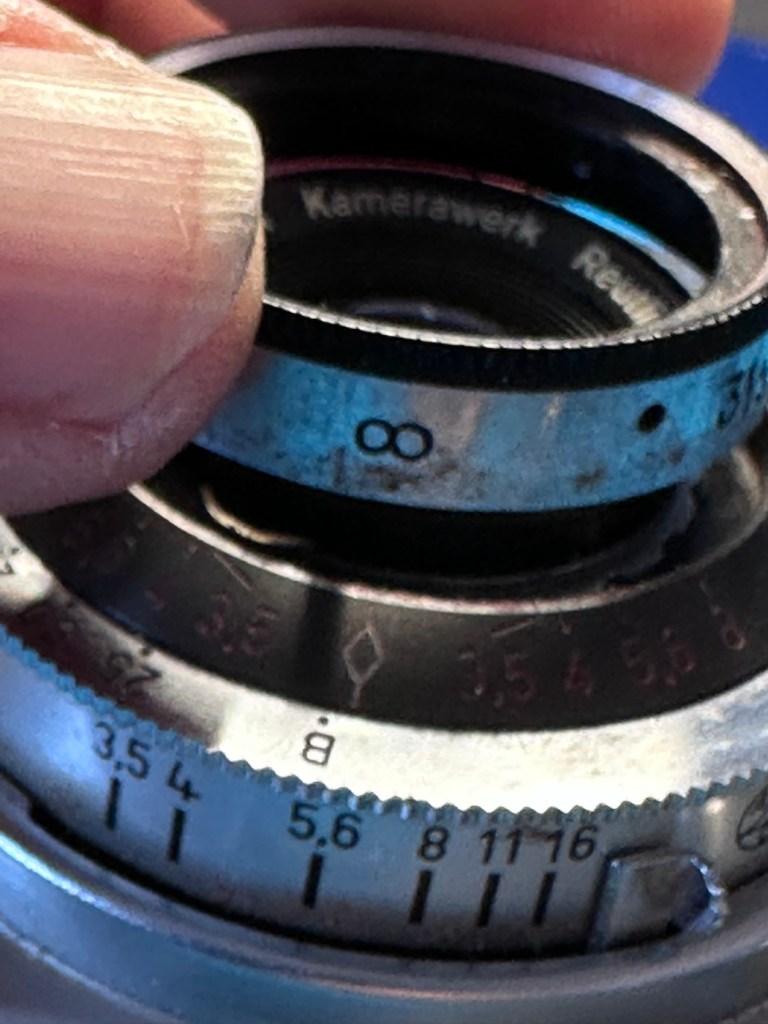
To provide a suitable ‘popularly priced’ 35mm camera, Ilford entered into an agreement with Herr Dangelmaier of the Dacora Kamerawerk, Reutlingen, near Stuttgart, (West) Germany. Dacora produced a simple 35mm camera, the Dacora Dignette, but rebadged it as an Ilford Sportsman for sale in the UK.

Ilford’s Sportsman cameras were a range of viewfinder- and rangefinder-cameras, made for Ilford in Germany by Dacora; the first was introduced in 1957. They were a cheaper alternative to the Kodak Retina and Retinette series for the newly-popular 35mm format at the time. The Sportsman cameras were rebadged versions of Dacora models, including the Dacora Dignette. There were a variety of shutters fitted, including Vario and Prontor mechanisms, housing a selection of lenses such as the Dacora Dignar, Steinheil Cassar and Isco Color-Isconar. The range included basic models, with the Vario shutter and Dacora lens, through fitted meters to sophisticated rangefinder cameras with light meter, Prontor 500LK shutter and Cassar lens.

There were five body styles; the last (Mk.5) introduced c.1967.

Wikipedia/photomemorabilia.co.uk

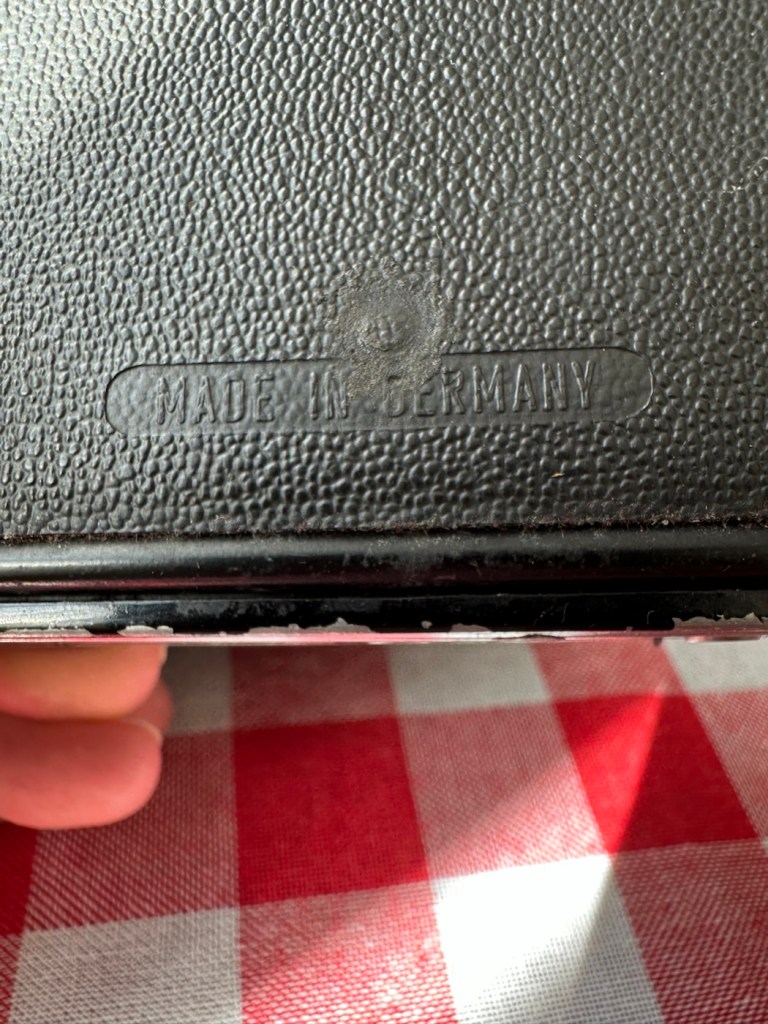
This version dates from 1957 and is one of the later issued Mk1 versions of that year. It has the Vario shutter mechanism and the Dacora-Dignar lens. The badging indicates that this is a latter 1957 produced variant. The very early versions had the “Ilford” badge printed on the camera leatherette and I suspect this would have rubbed off due to hand positioning whilst photos were being taken. This is probably why the white badge on this variant was then applied. This camera retailed in 1957 at the princely sum of £13.87GBP.

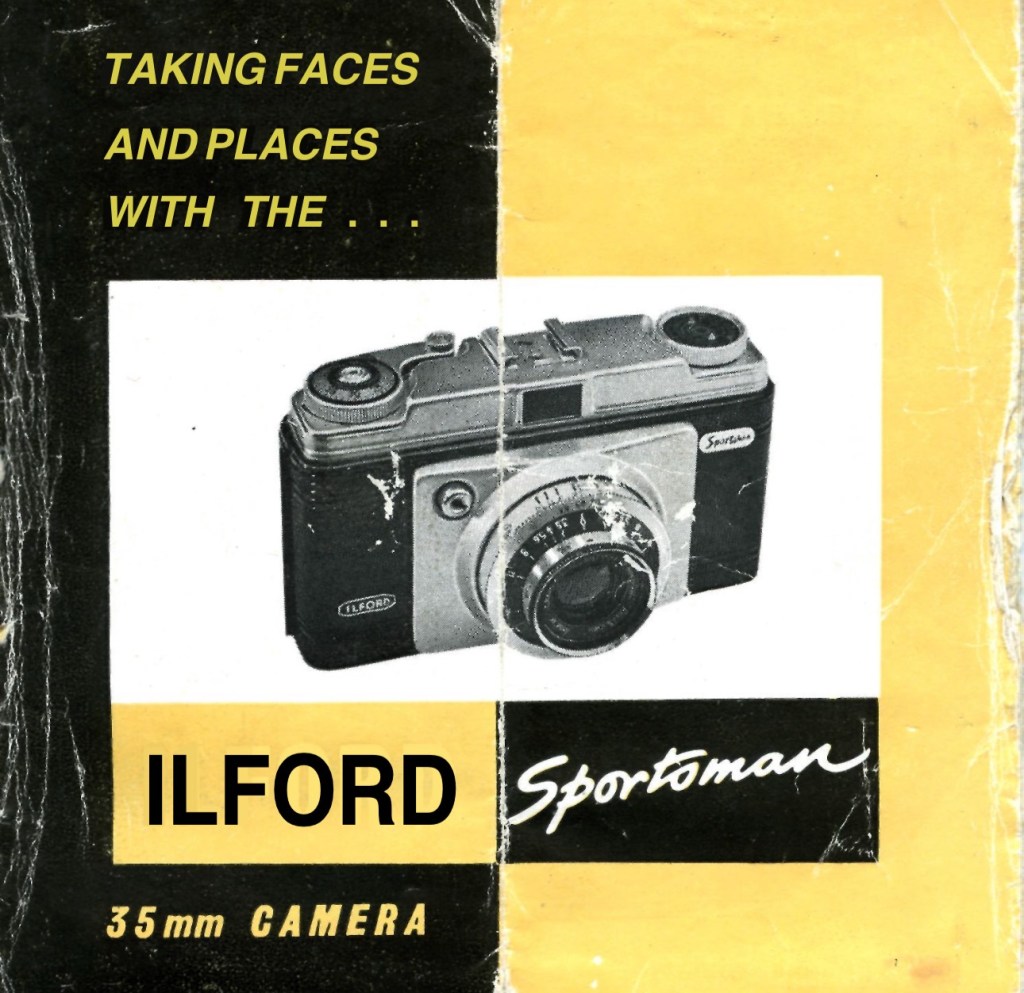
I am now in possession of the original instructions that I will download and pass on to the owner, they are extremely basic instructions, befitting of the year of production.

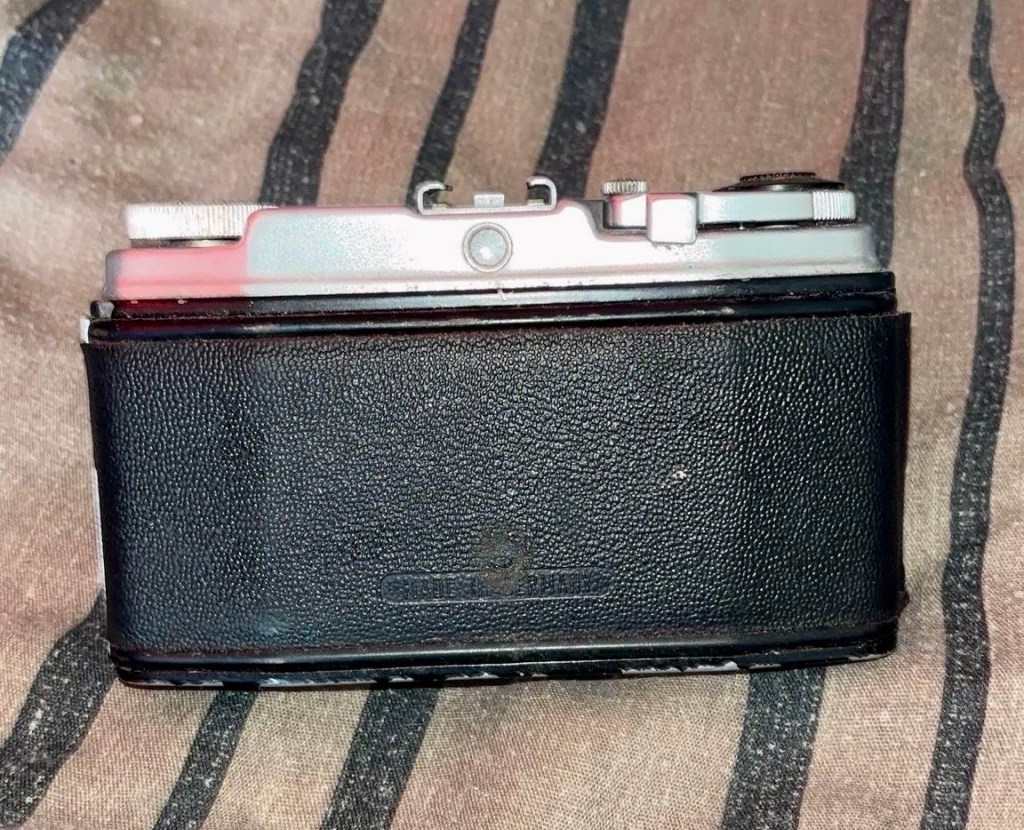
Front page of instruction manual

Assessment:

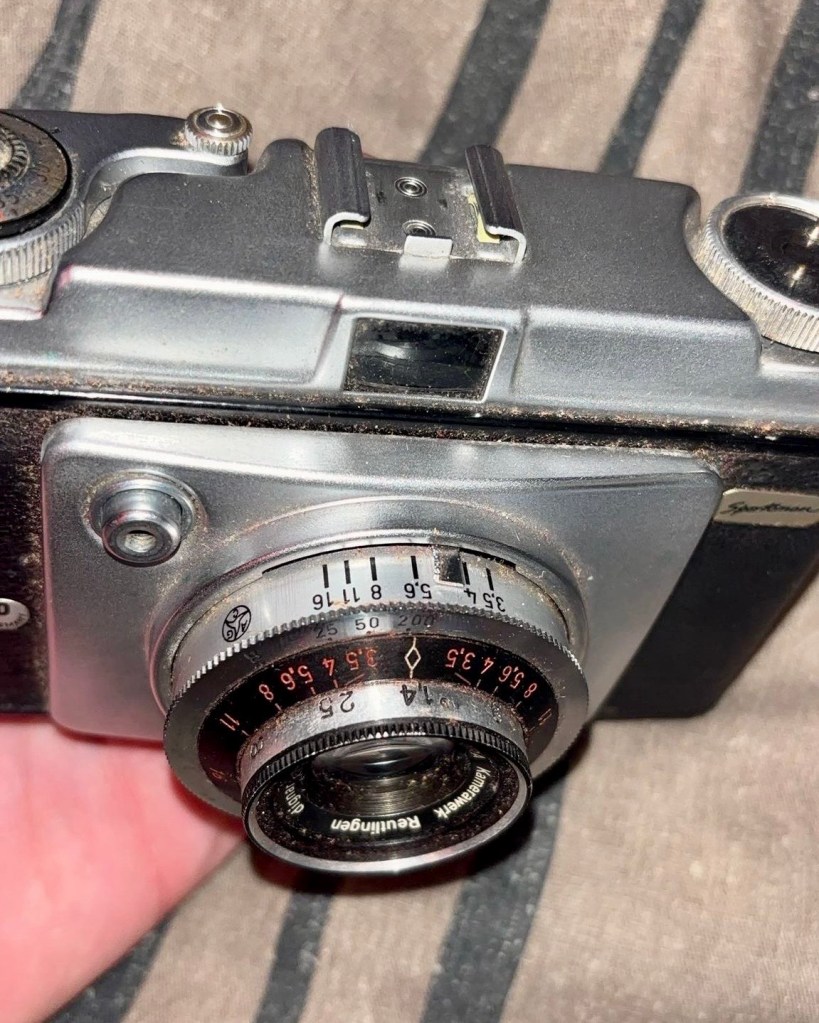
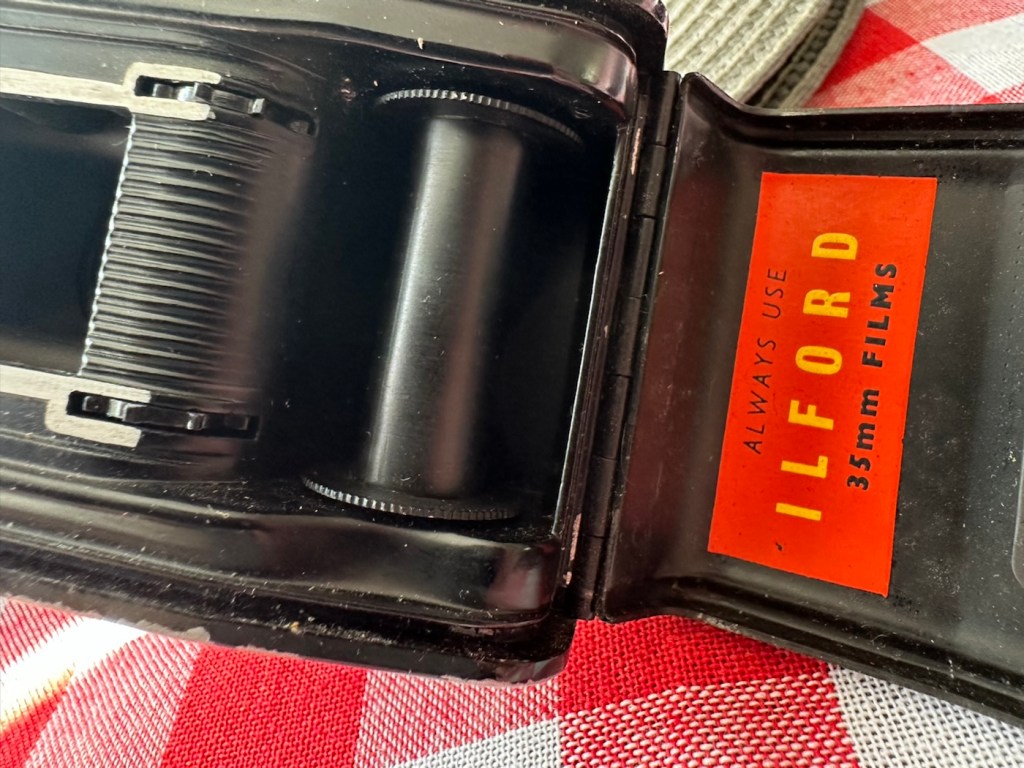
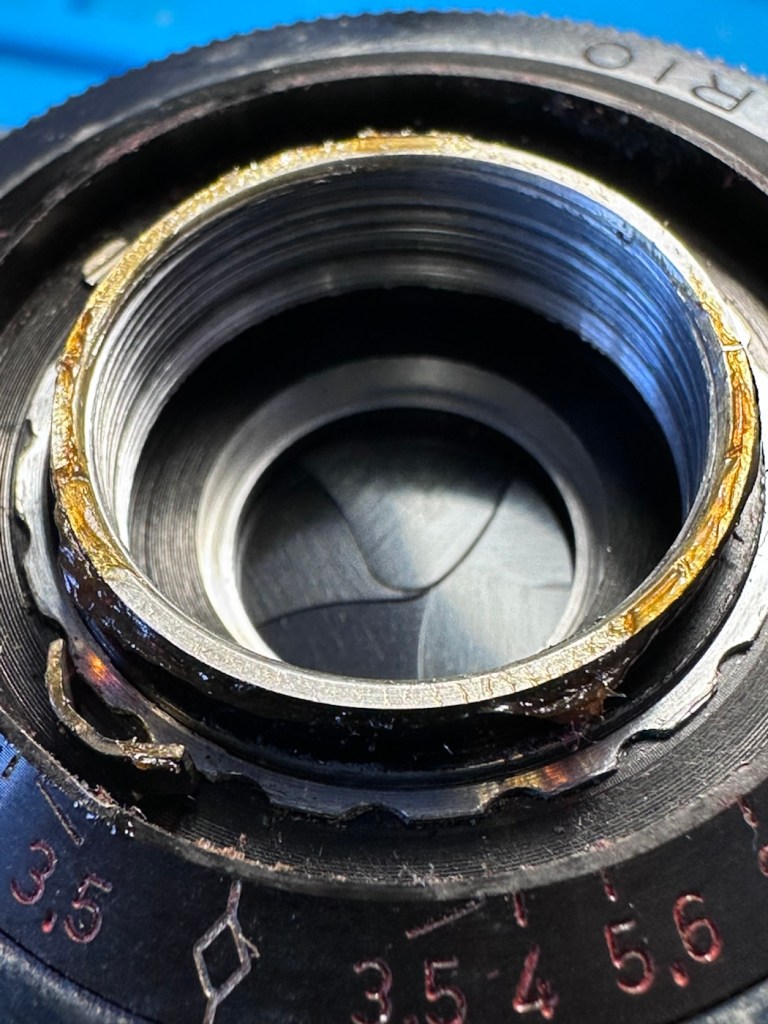
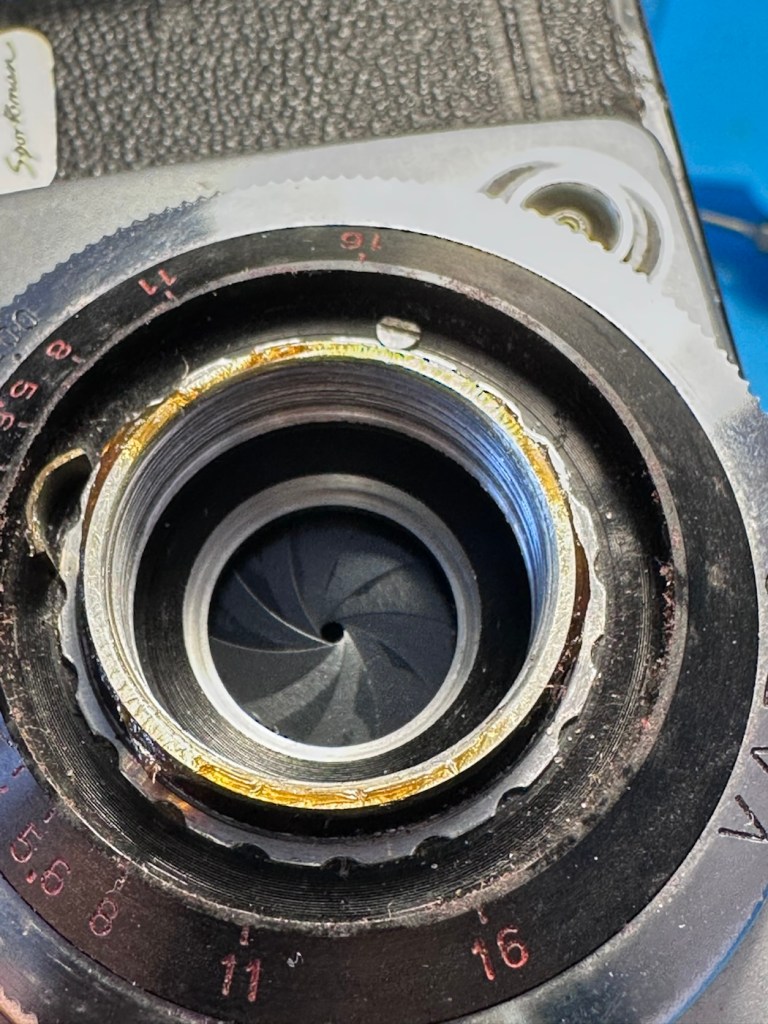
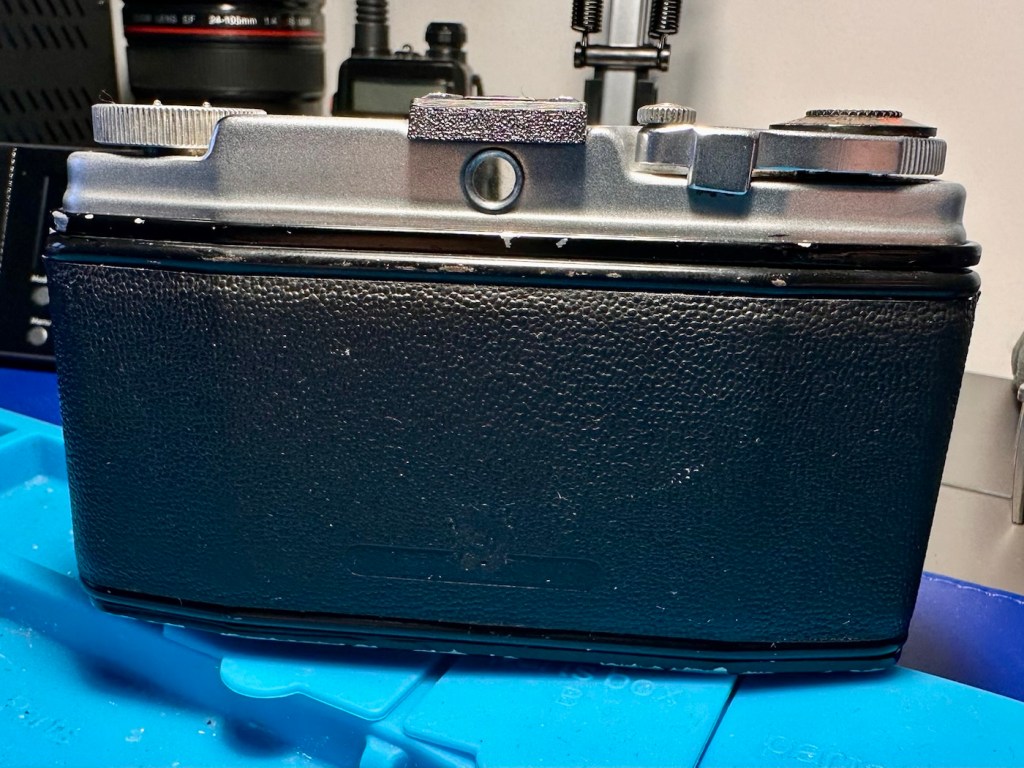
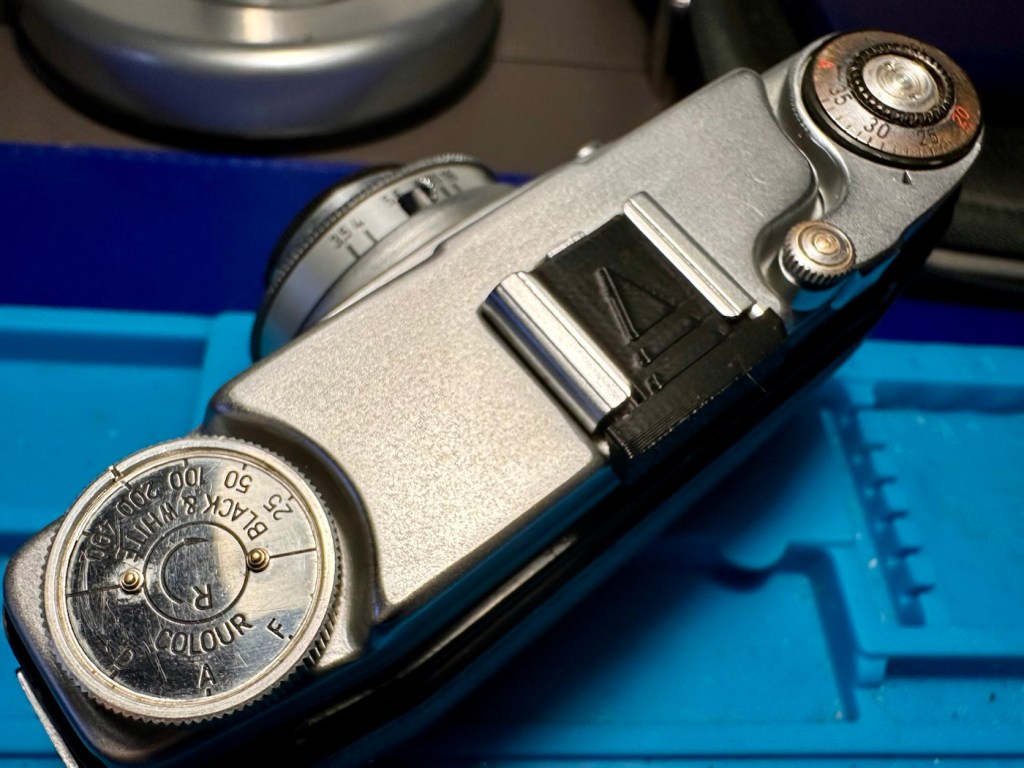
The camera is in an overall good condition in an original Ilford leather case and I think this alone has helped keep the camera in good cosmetic condition. It winds fine, it shoots with a little bit of stickiness, but I believe this is on the exposure button only. The aperture leaves stick a little and respond slowly when you leave the shutter on a time exposure and move it through the whole range from f:3.5 to f:16. The focus ring seems to operate smoothly, and shutter speeds of B, 25, 50 and 200 seem to work, but occasionally stick. I suspect the shutter and its aperture leafs are dirty and are sticking, they probably need a clean.

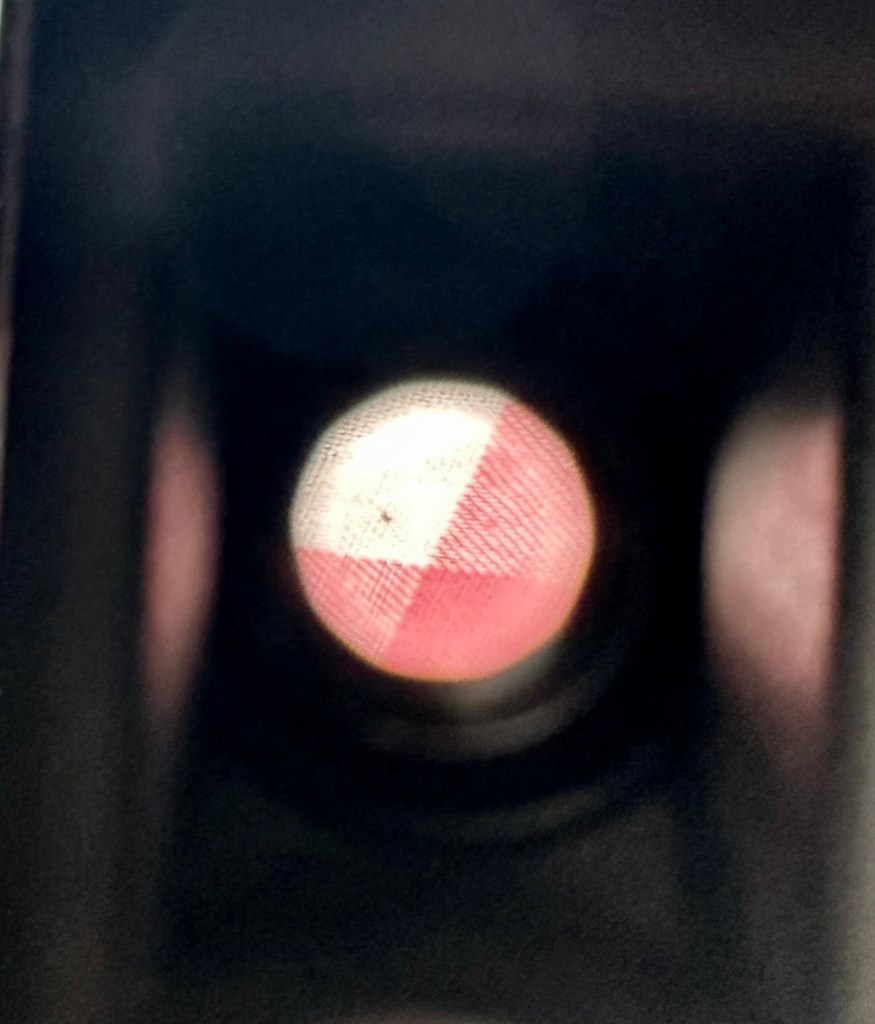
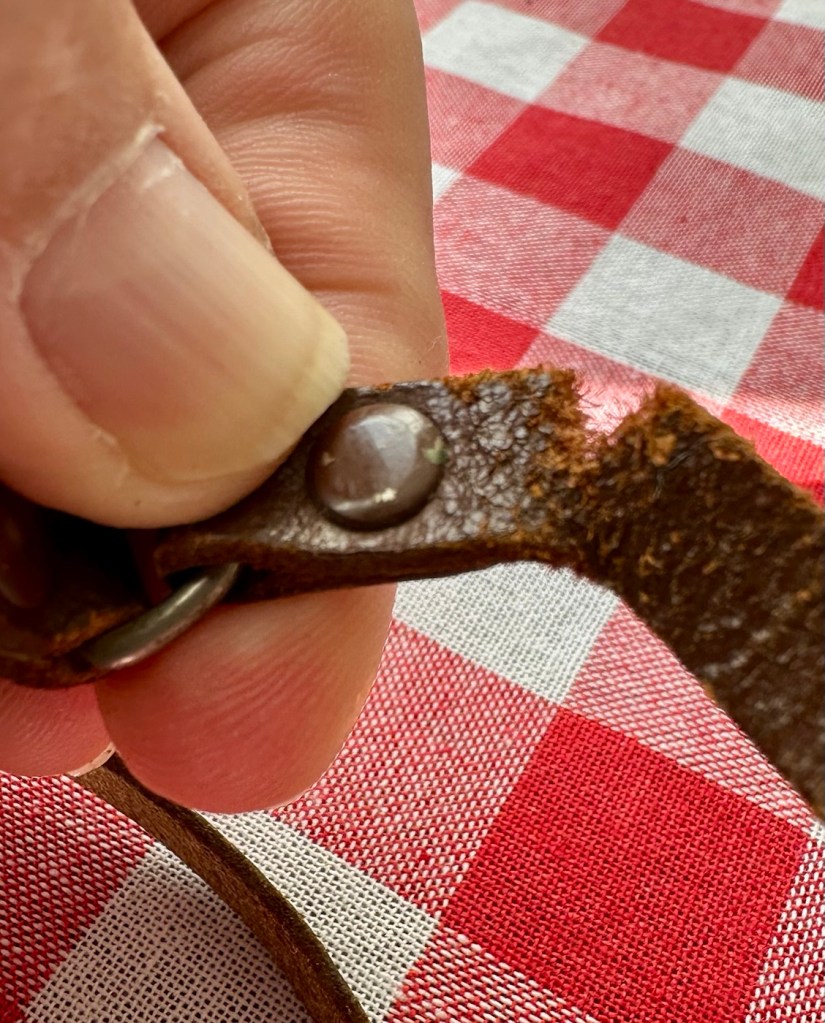
Now I’m not going to do too much to this camera and want it to retain its old character. The leatherette on a couple of parts of the body has lifted, I will probably leave this as it is, I will dismantle the lens turret as there is a general fog in the lens that I suspect may be fungus. I will give the whole unit a good clean and polish. There is a slight break in the leather strap, I shall repair this so as it doesn’t break. There really is nothing of concern that I can see that should be of detriment to the working of this camera. It just needs a clean, and that’s what it will get as I really want to maintain the character of this camera.

Repair:

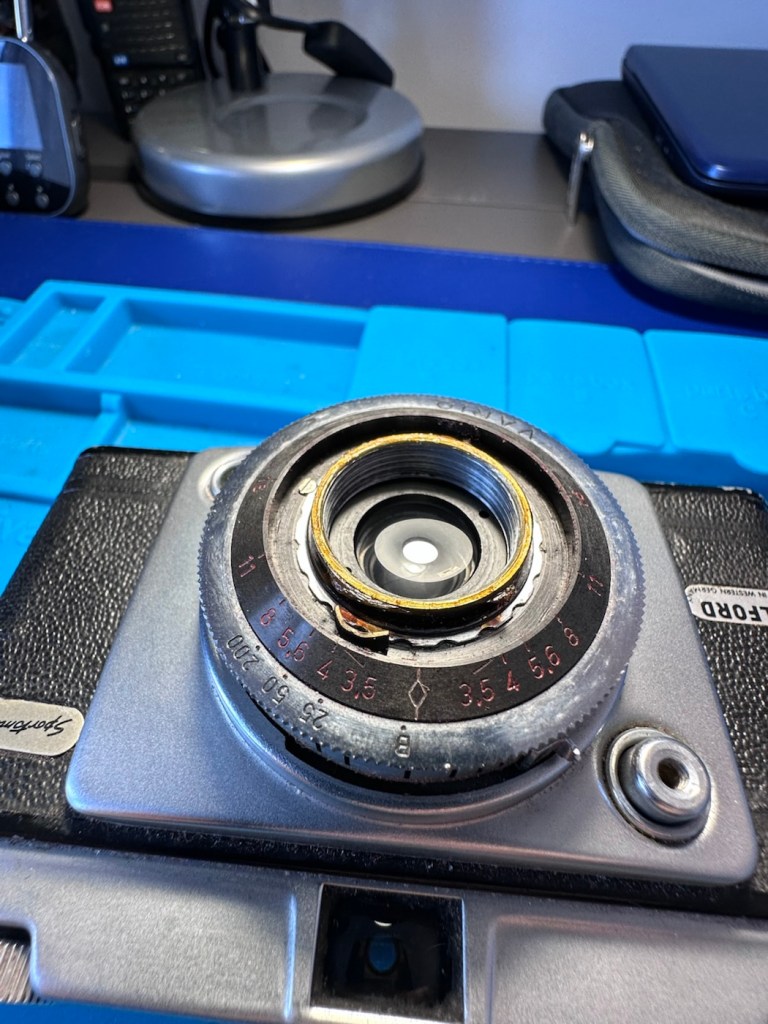
To get to the lens and shutter area we have to start dismantling the lens turret, that starts with removing four of the tiniest screws you will ever find.

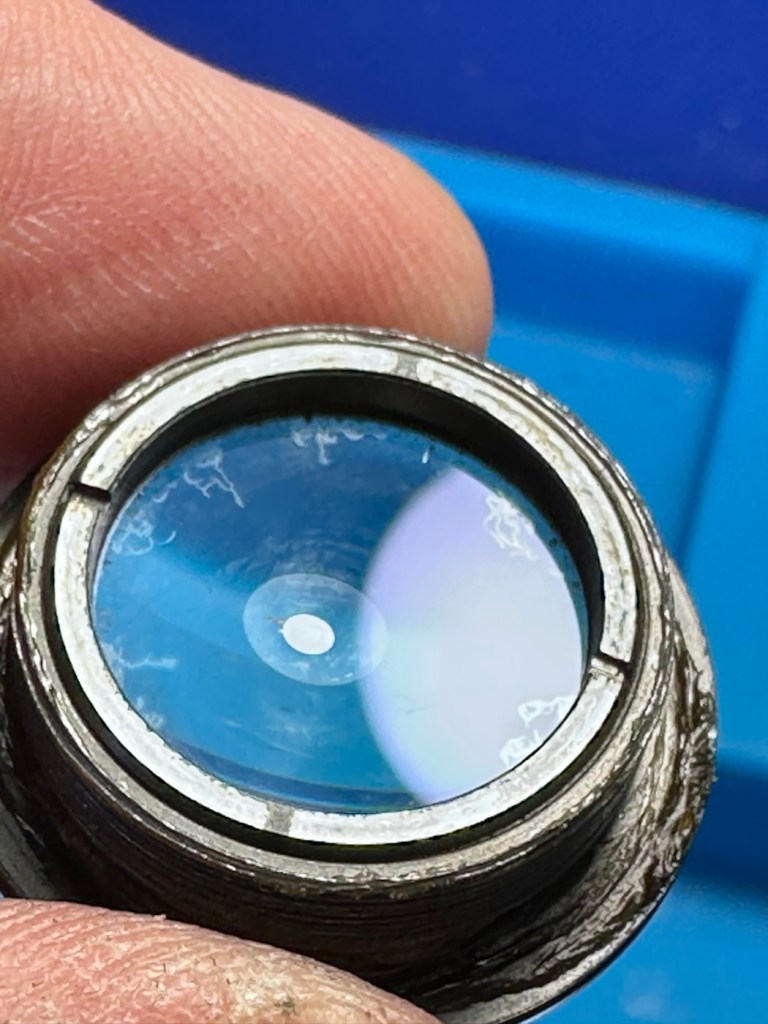
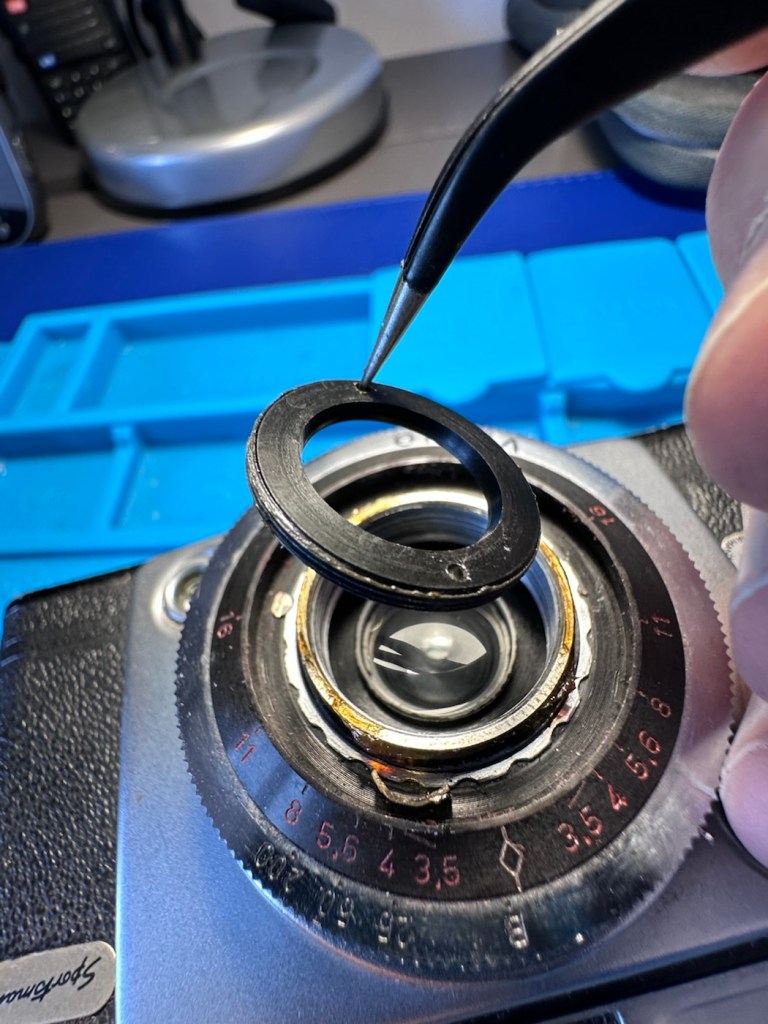
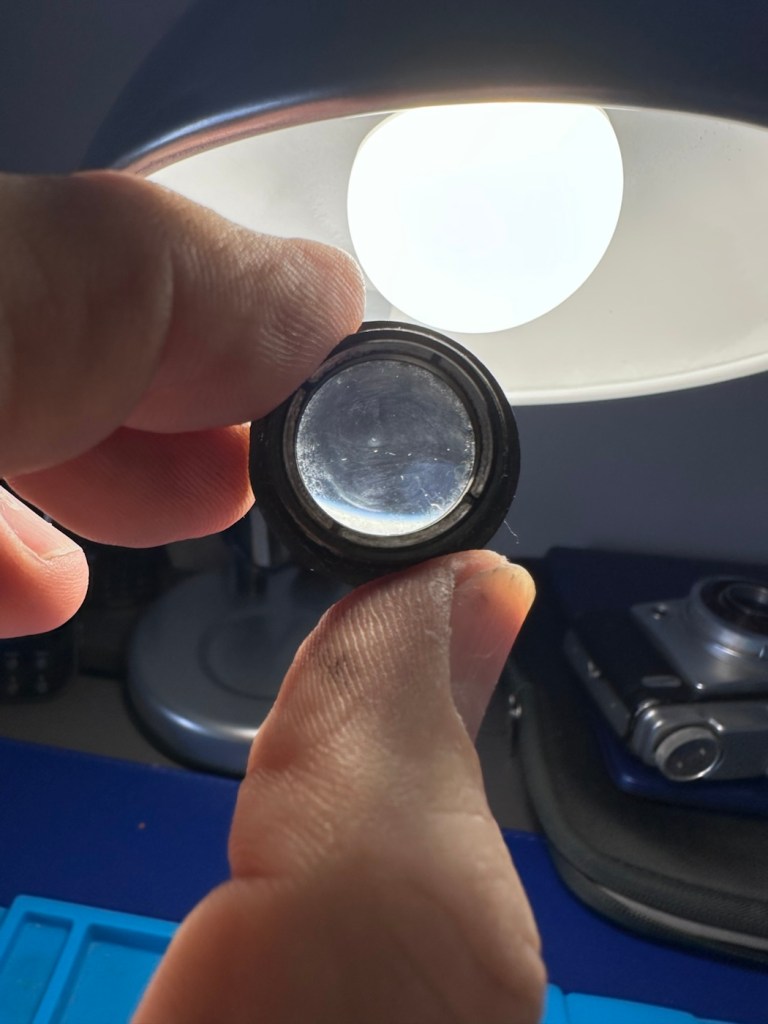
We now unscrew the first element, the outer one, and it’s clear to see that there is fungal scarring of the element.

Fungal scarring evident

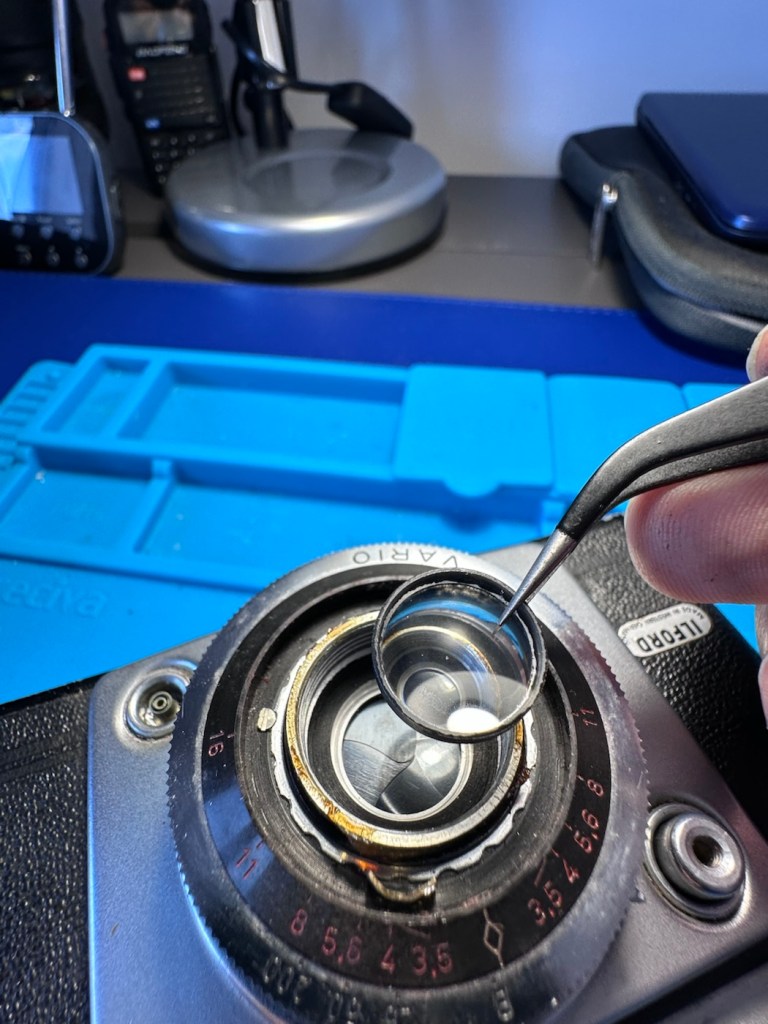
Next we unscrew the next part of the lens barrel that gives me access to the inner lens element.

We can now reach in and delicately remove the inner element

Removal of the inner element

We now expose the shutter blades and underneath these we find the aperture blades.

I start by giving these sections a clean with a a little “lighter fuel” to remove the old grease and oily deposits. With the shutter blades I clean them very carefully, let them dry a little and then fire the shutter a few times, I blow off any build up and do the process again until I’m satisfied they are free from any contaminants. Now putting the shutter on “B” setting, I open the lens and do the same with the aperture blades opening and closing them manually using the same process as with the shutter blades. Happy with how this has gone I now head onto the elements.

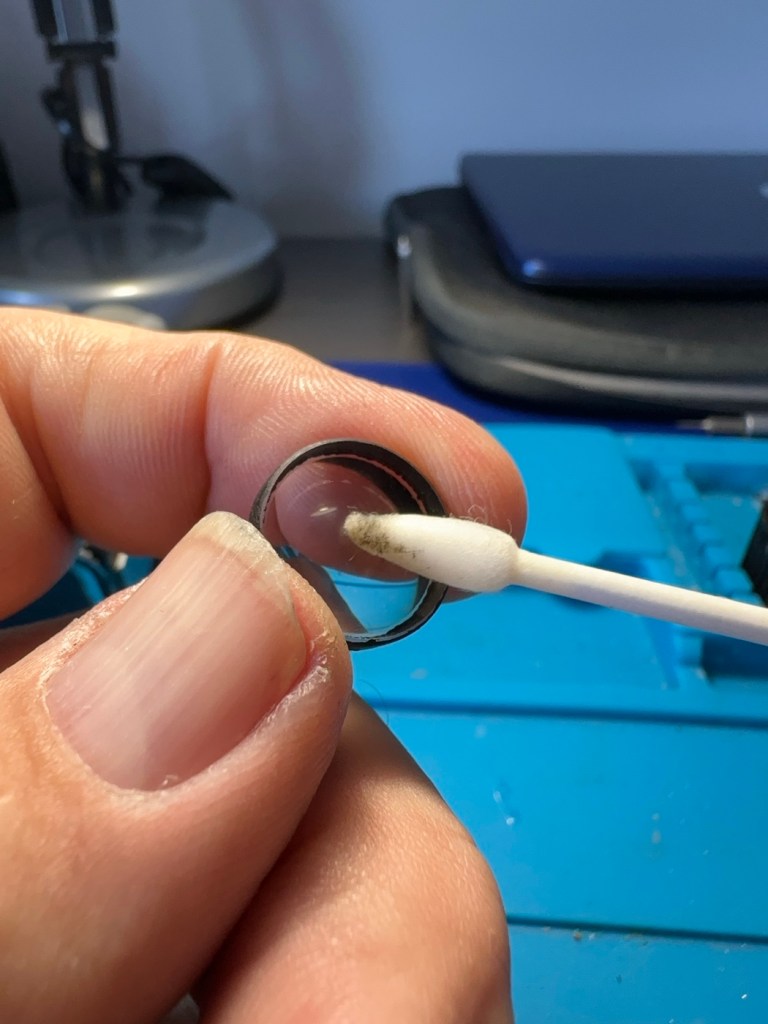
Using a mix of pure water and peroxide I use a small bud to coat both sides of the inner element to give it a clean, it is very dirty, no fungus on this element though, just years of dirt and grime.

Inner element was very dirty

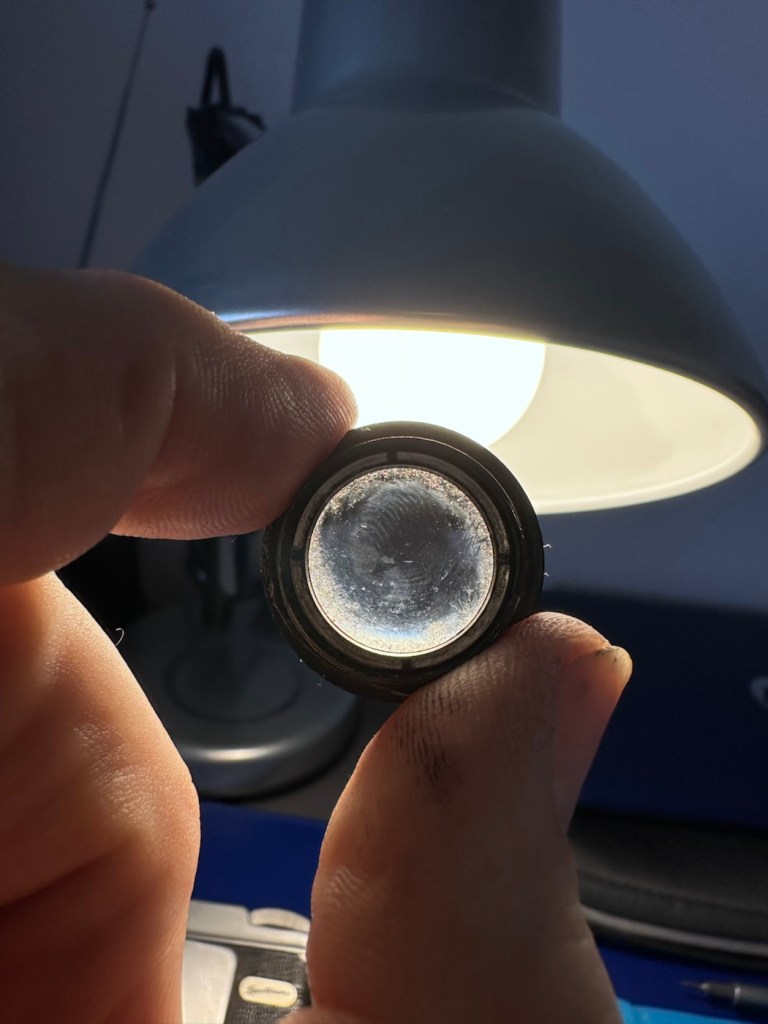
The outer element was a different story, it had such bad fungus that the edges of the element had been etched by the fungus, as it had been there so long. I don’t think it will be too much of an issue through as a lot of it was removed. Below are two photos before and after, the after looks quite a bit better and when it was dried and polished it did look considerably better.

Once cleaned I rinsed the elements off and dried them using a lint free cloth. A good blow with some air dispersed any loose dust or fluff, prior to reassembly.

Reassembly was simple and without issue, I cleaned as I went along replacing any grease and oil with fresh lubricant (sparingly of course).

Reassembled and ready for cleaning

Cleaning wise I’ve used IPA, detailing polish, cocktail sticks (to get into the nooks and crannies) and good old elbow grease. It’s looking good.

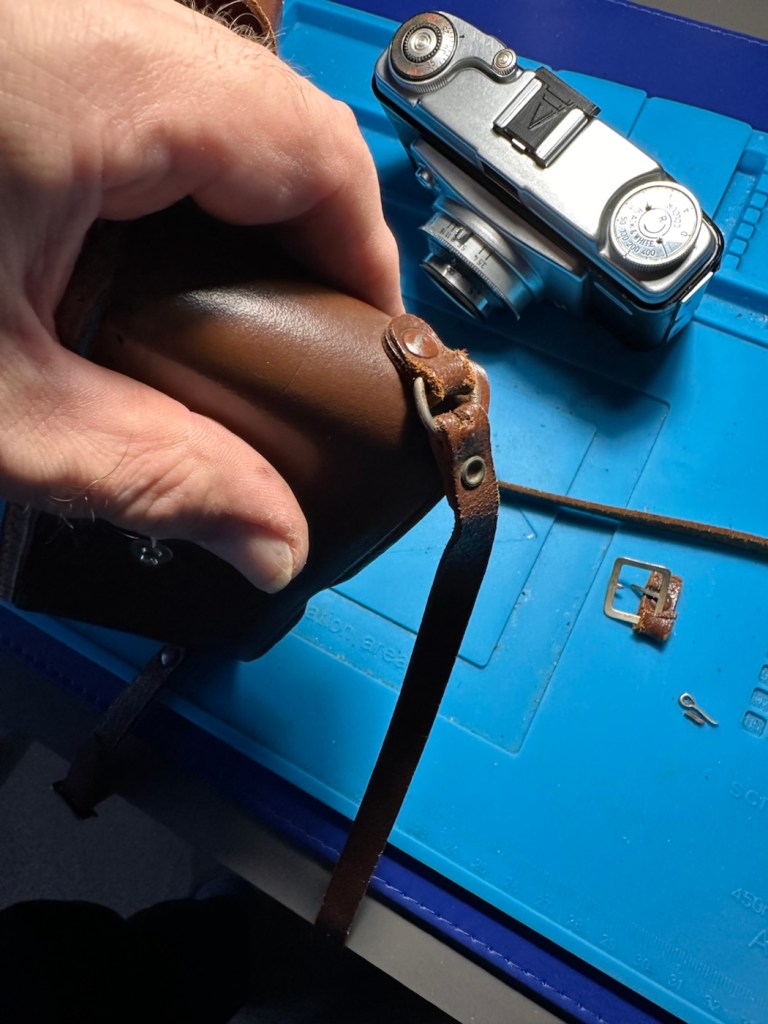
Leather strap repair

I’ve repaired the broken strap by just removing the damaged part and creating a new strap loop, it looks ok, but I’m working with a strap that’s almost 69 years old, very thin, and has seen better days, but it looks okay. There are loose bits on the case where the leather stitching has deteriorated, however leather work is not my forte, so I will be leaving this alone, letting it maintain its old appearance and patina if you like.

Result:

The result is that I have been able to maintain the original appearance of this camera, only carrying out a sympathetic maintenance regime, allowing the camera to be used as it should, but maintaining its age and individual characteristics.

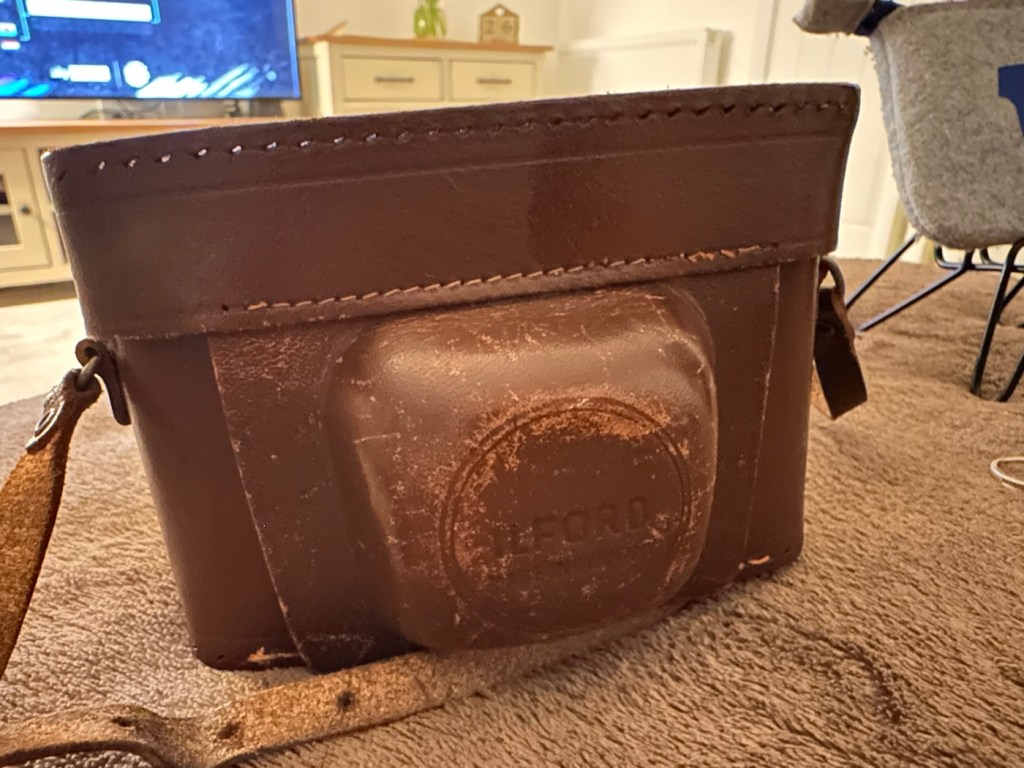
That case with repaired strap

It’s been nice to just tidy up a camera and give it some attention, TLC if you like. These cameras are remarkably easy to maintain and operate, I’m sure a roll of film through it will give some superb results. The viewfinder is so clear now, the lens is clean and the shutter, aperture, and all buttons and levers are working just fine. It’s been a pleasure to work on this camera, and I sincerely hope that my friend is happy with the outcome. One thing you really struggle with though is the old musty smells these cameras carry with them. If I had a solution I could use to negate these aromas I’d probably be a rich man, or at least my wife would probably forgive for once, for bringing these aromas into the house.

Oh well, you can’t win them all.

Thank you for passing by, it’s always very much appreciated.
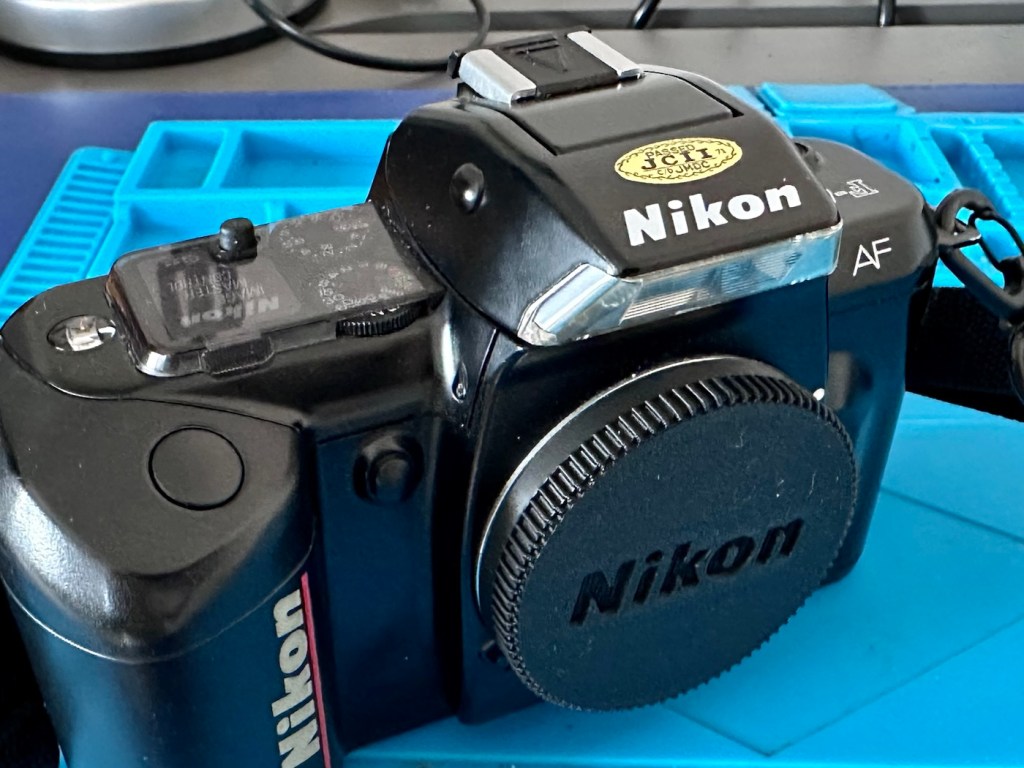
Yashica 35 ME

An old Yashica camera from 1972 with a non functioning light meter. Time to get it back into a working condition.

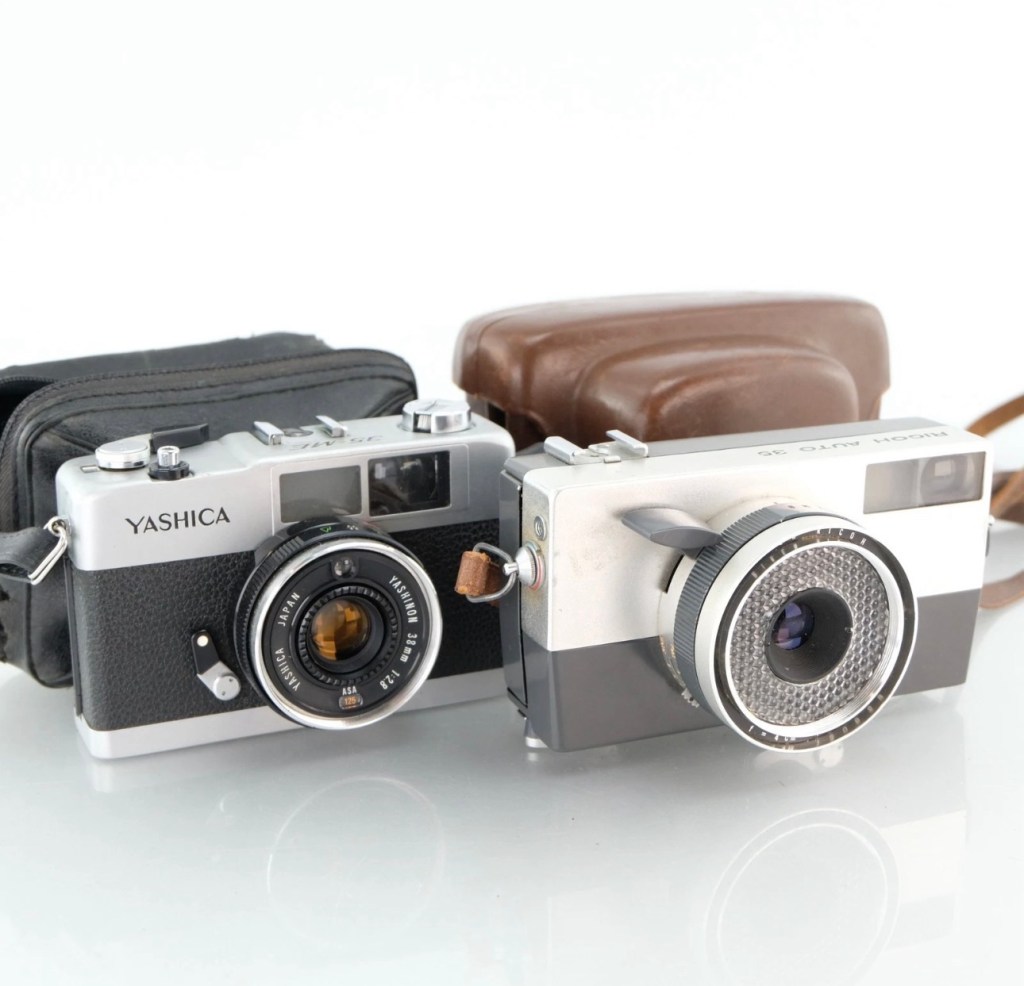
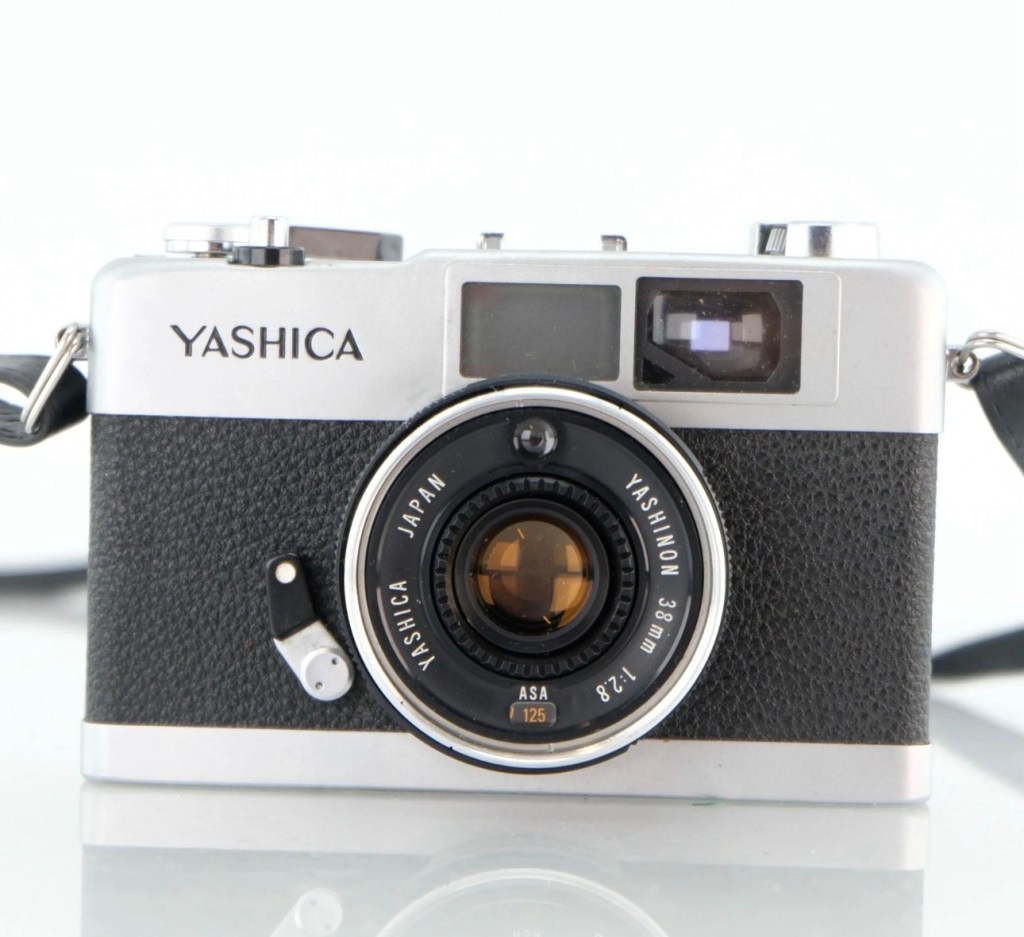
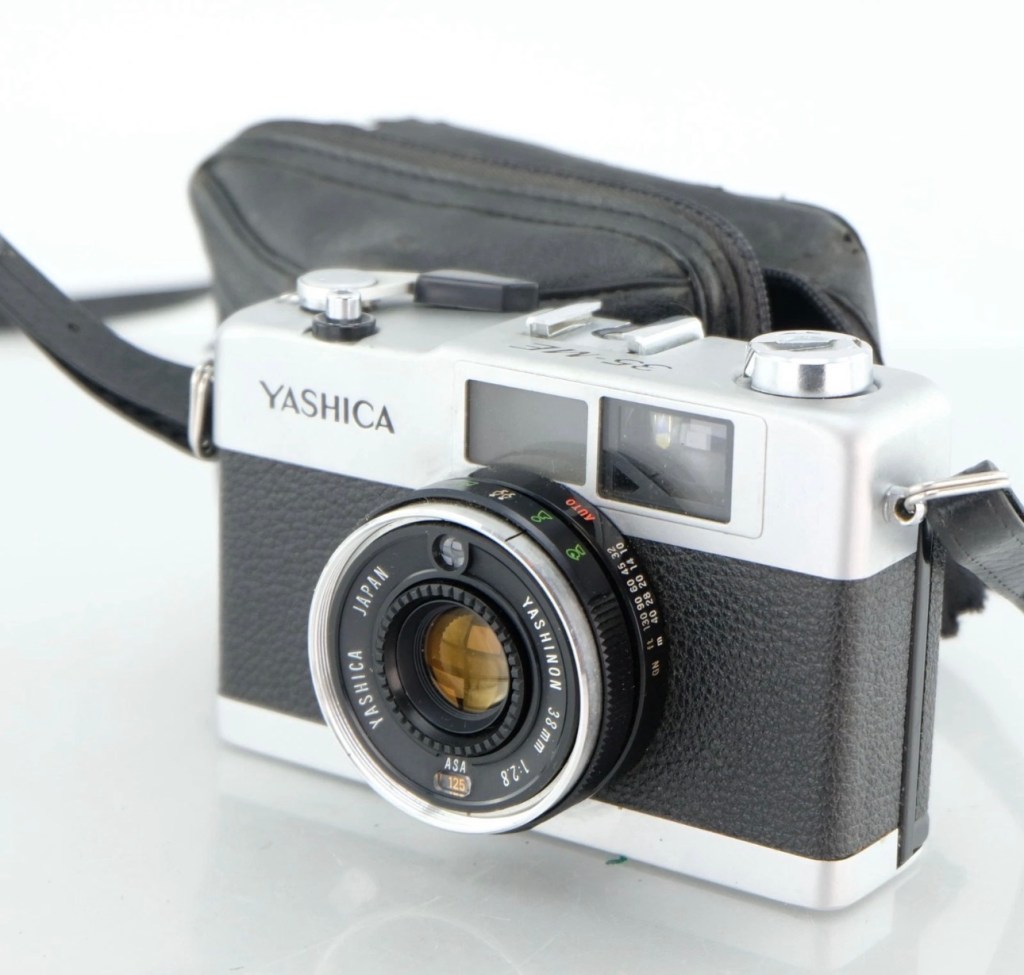
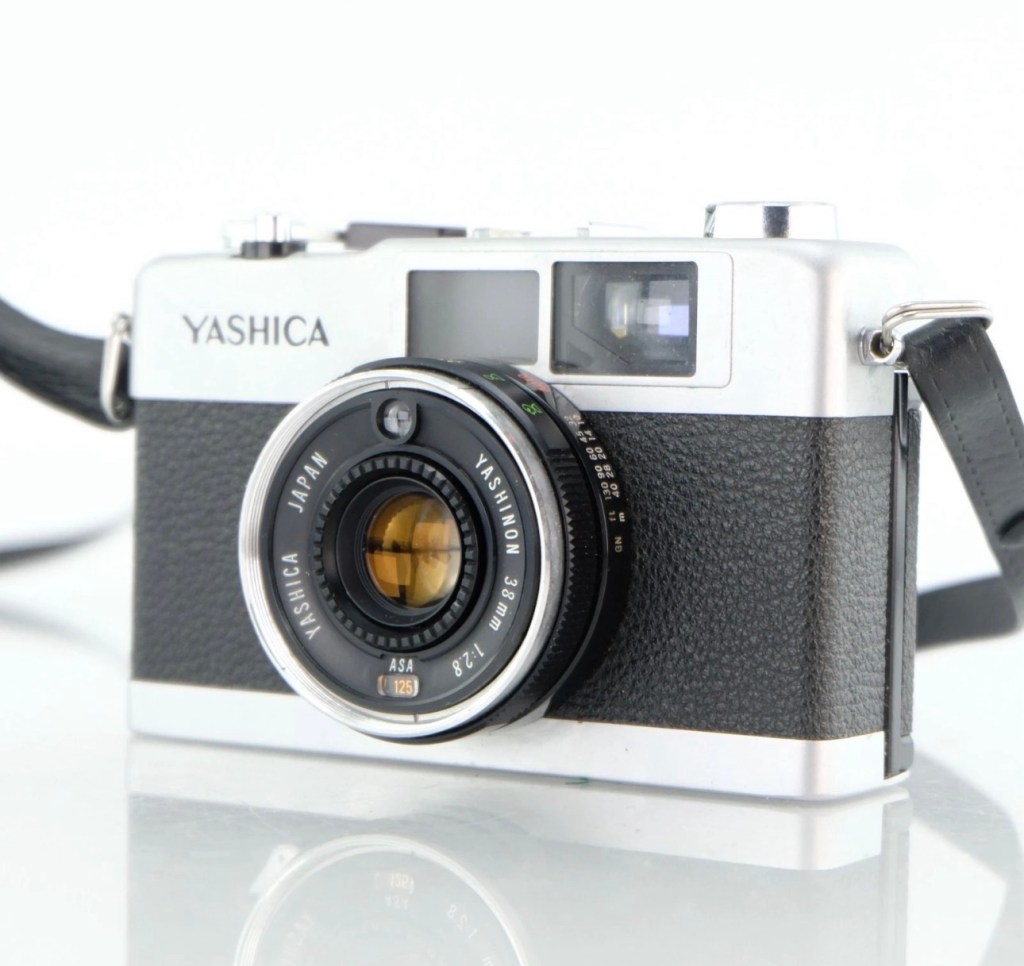
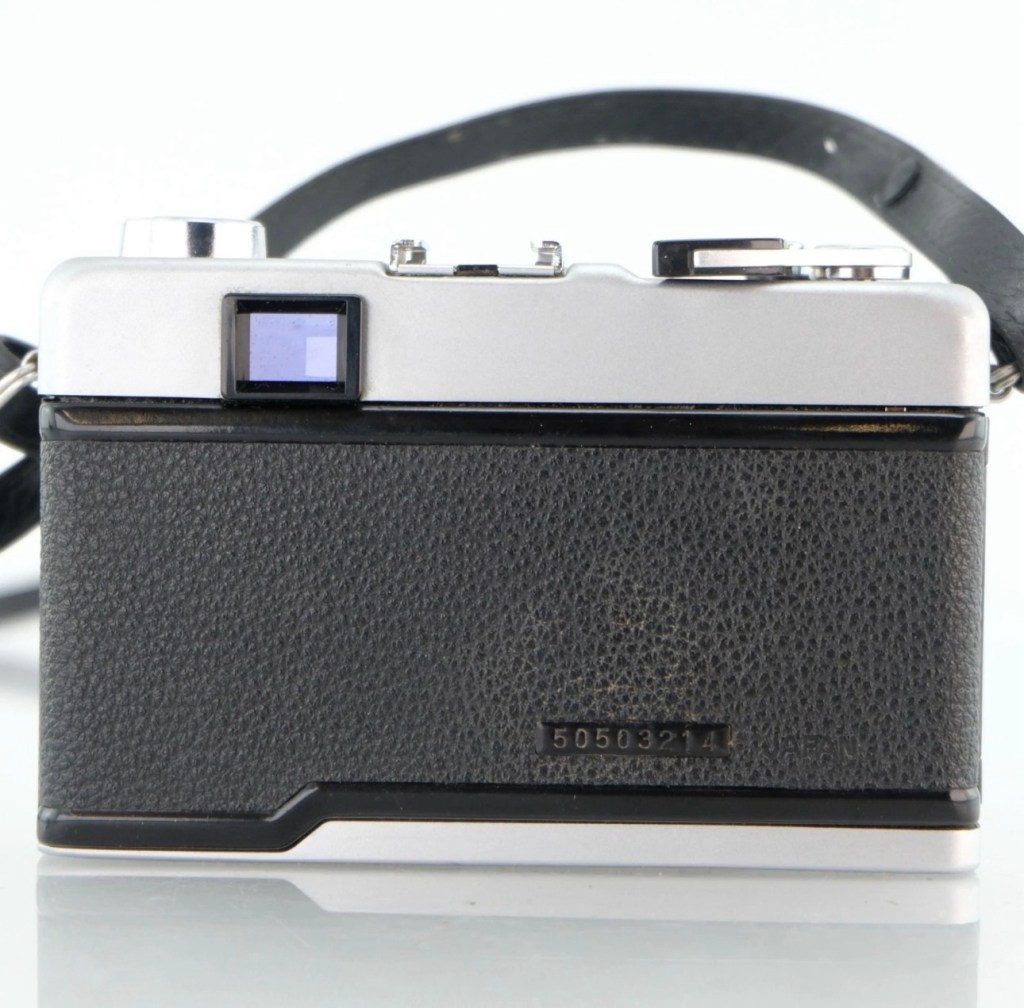
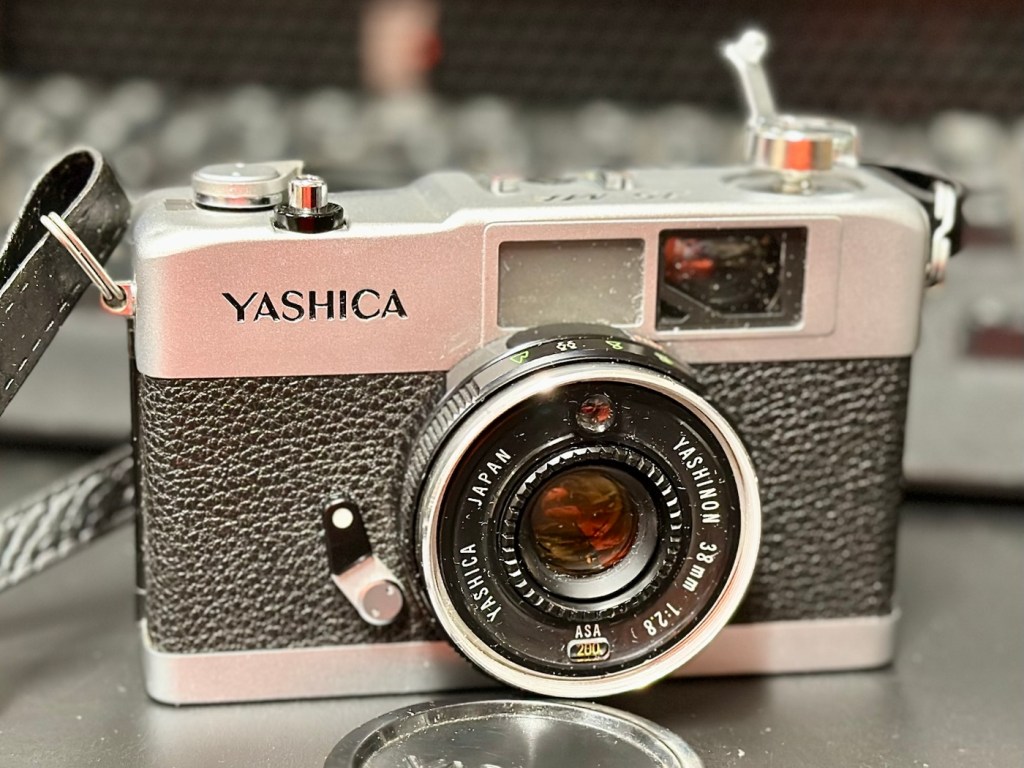
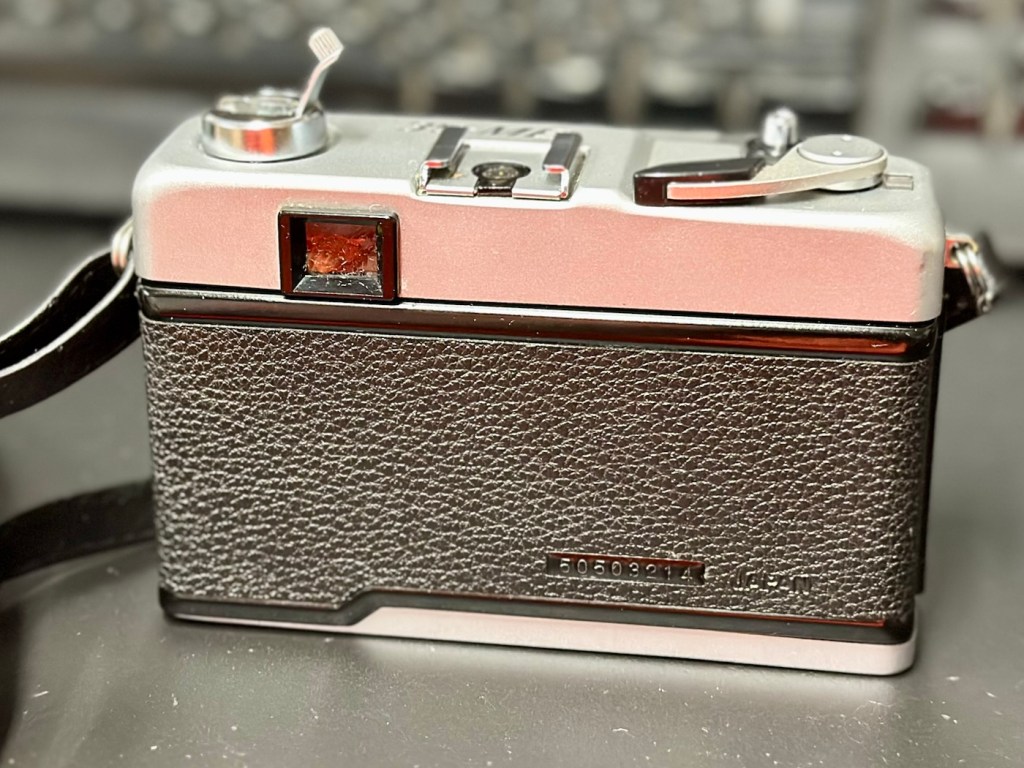
I purchased two vintage point and shoot cameras, and this post is related to the Yashica 35 ME. Both cameras were purchased for the princely sum of £4:99GBP and that equates to roughly £2:50GBP each. Both cameras were sold with the following sales statement:

This bundle includes a Yashica 35 ME and Ricoh Auto 35, two vintage 35mm film cameras ideal for collectors or those seeking parts for repair projects.

These cameras are being sold as faulty and for parts or repair only. They have not been tested for functionality and may have issues with their mechanical or electronic components.

Cosmetically, both cameras may show signs of wear consistent with age and previous use, such as scuffs, scratches, or dust. No accessories, batteries, or additional items are included, €”only the two cameras as pictured.

EBay

Having purchased from this seller before, I suspect the cameras themselves are in perfect working order mechanically, but as one camera – the Ricoh, is from 1960 and now in its 66th year of existence, I very much suspect the issue would be with it’s Selenium light cell that is more than likely now very dead. The Yashica however is from 1972 and has a CdS light cell that could also be an issue, more than likely related to the old Mercury 1.3v battery that used to supply it. Either way, even without the light sensors both cameras are very capable of doing what they were built for, however you’d just have to use a separate light meter or use the “Sunny 16” rule. Let’s wait their arrival so we can asses the issue. You can read more regarding the types of light metering used on these two cameras by reading a recent post of mine regarding their differences Photographic light sensors in older point and shoot cameras

Some more photos from the seller:

Whilst we await their arrival here is a little bit about the Yashica 35 ME:

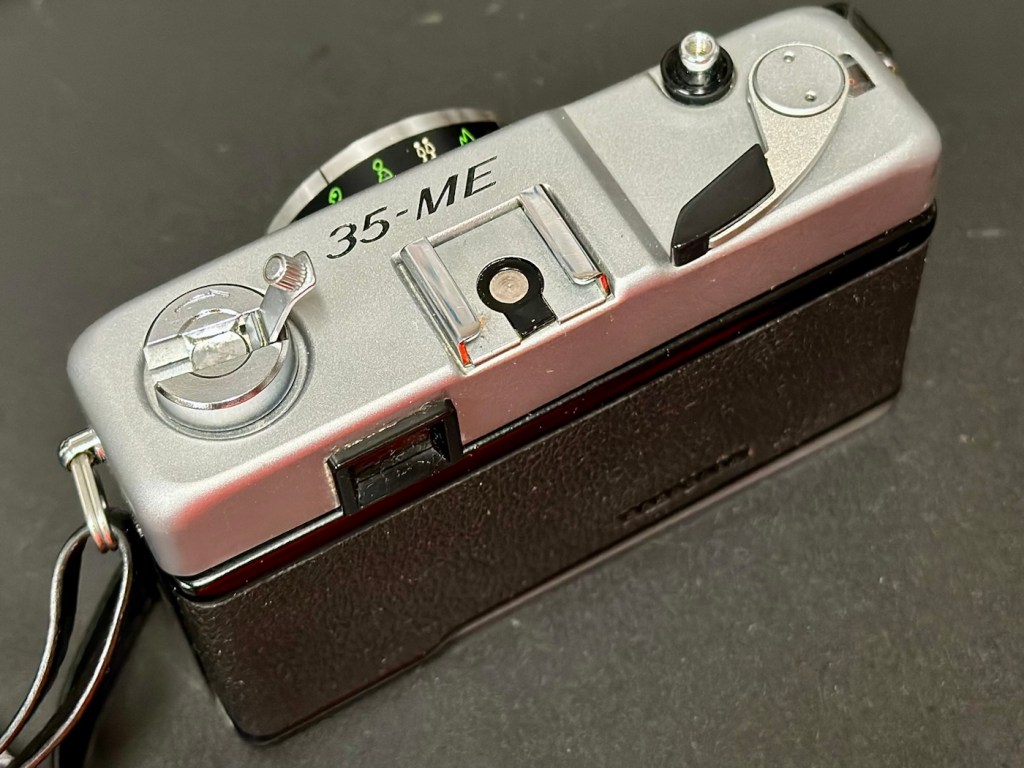
The Yashica 35-ME is a small, compact 35mm viewfinder camerawith auto exposure, made in Japan by Yashica, introduced c. March 1972. 

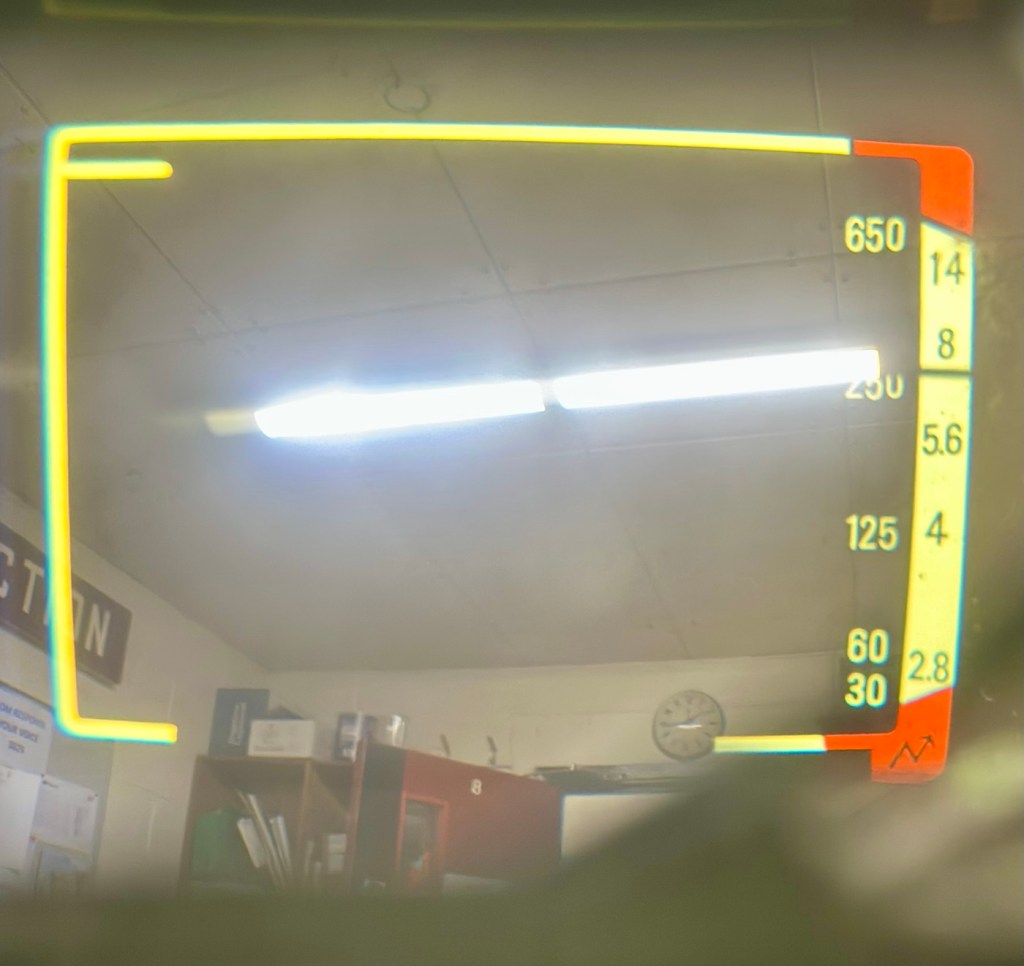
It uses a 38mm f/2.8 lens made of 4 elements in 3 groups with a screw-in filter size of 46mm. The film speedis set using a ring around the lens, with the setting window on the bottom face of the lens. The metering system uses a CdS sensor with a sensitivity of 8 to 17 EV. The viewfinder has bright line frames with parallax correction marks for focus distance of 1.5 meters or closer. The shutter display scale is on the right of the finder has speed markings 1/30, 1/60, 1/125, 1/250 and 1/650 of second. Aperture scale is also displayed at 2.8, 4, 5.6, 8 and 14. The setting for the meter uses a pointer type indicator. Correct exposure is assured when the pointer is in the yellow areas of the scales. Also in the finder scale is over exposure, under exposure zones along with symbols of the selected zone focusing settings. The top plate carries the shutter release, hot shoe and frame counter.

Specifications

  • Lens: Yashica 38mm f2.8; zone and feet/metres scales
  • Shutter: Copal auto, speed set by metering, 1/30-1/650 sec.
  • Meter: CdS sensor
  • Film speed: 25 to 400 ASA
  • Flash: hot shoe, flash sync 1/25 of a sec.
  • Power: 1.3v mercury

Camera-wiki.org

It’s arrived, it has that familiar aroma of age old mustiness, but looks a nice item, in good condition for a camera that is now 50+ years old.

Assessment:

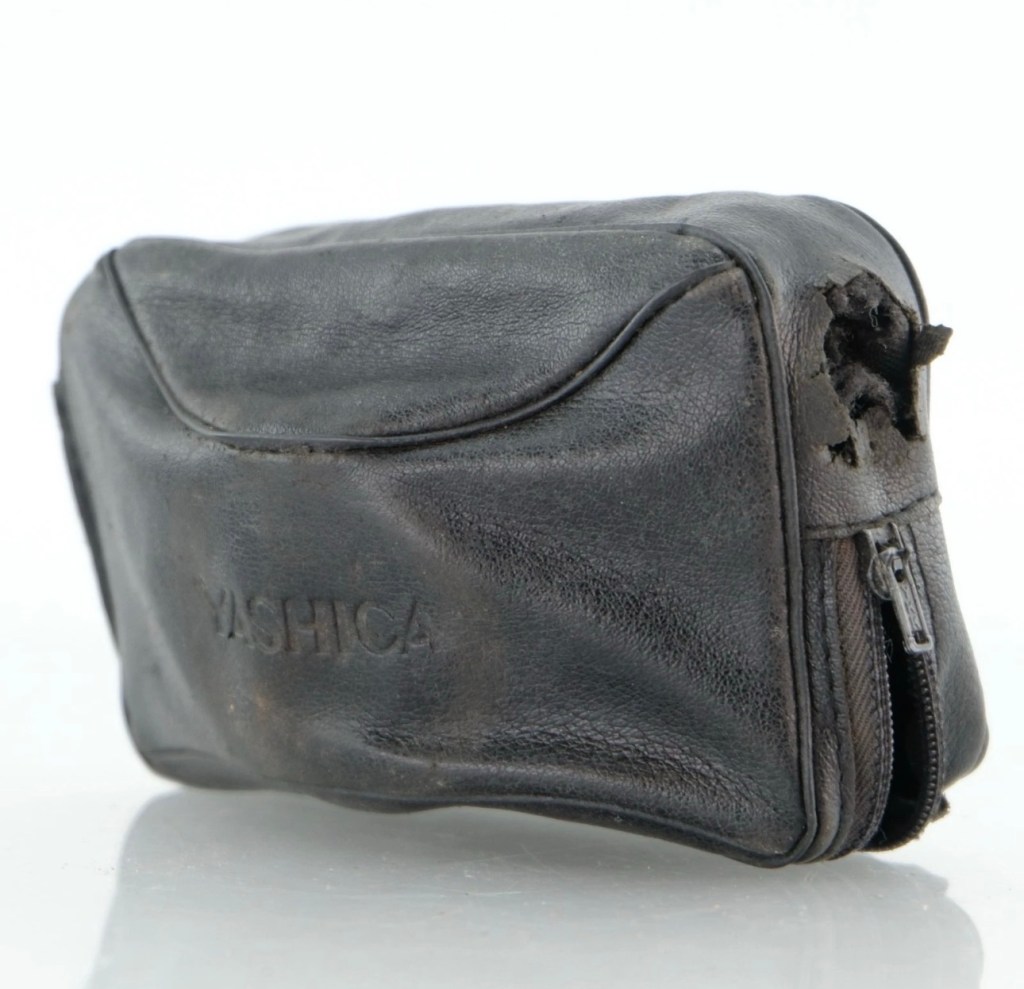
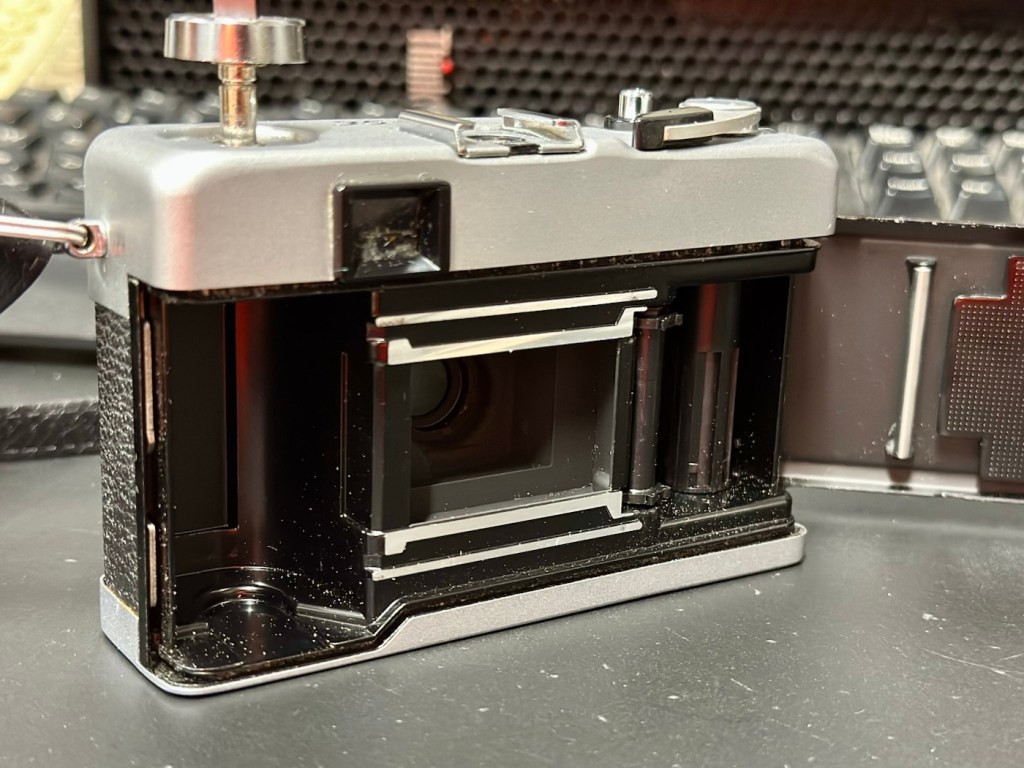
The case is quite tatty, but it does the job. The body is dusty but free of any dinks dents or scars. Inside the rear of the camera all is good, it’s clean and the light seals are ok. They will need replacing at some point, but currently they appear to be ok.

The winder works fine, the shutter fires and there is no sticking of the shutter leafs.

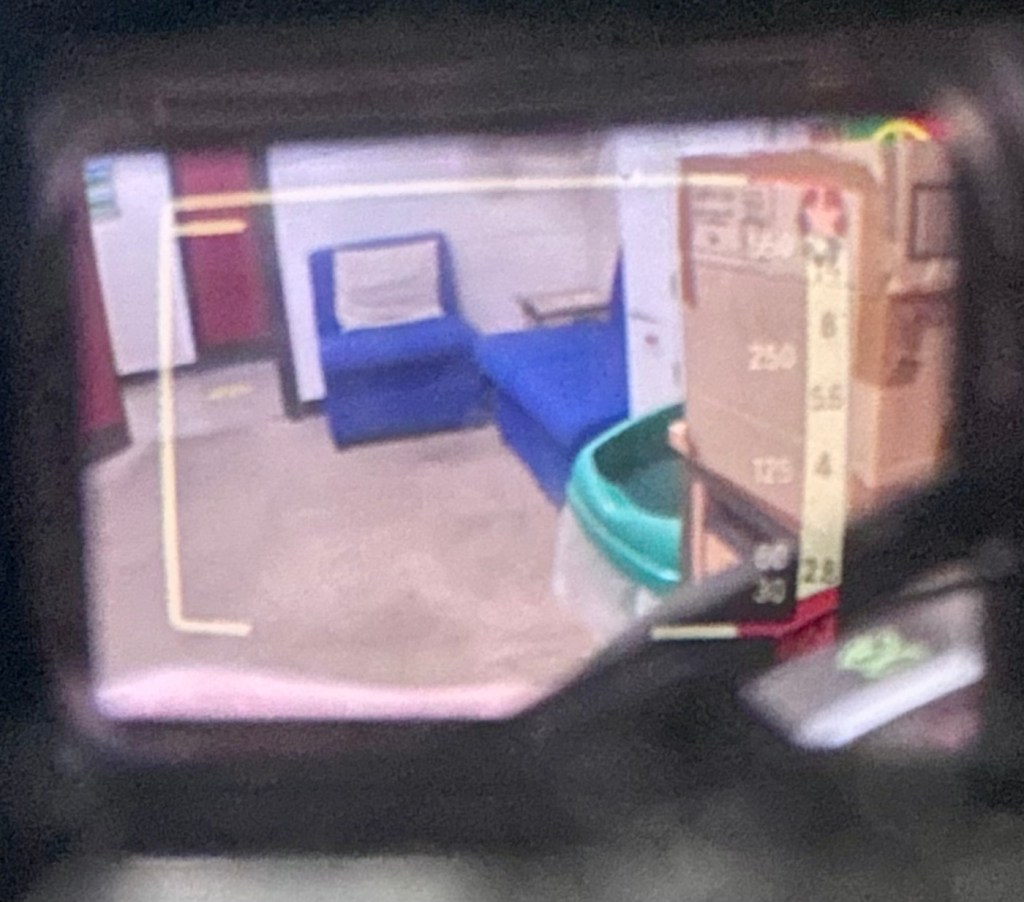
When you look through the viewfinder it’s a fairly clear view, however the exposure reading needle on the right is sitting firmly on the bottom of the scale. Moving the camera from light to dark makes no difference, the meter is not responsive. Let’s check the battery.

Meter reading does not move

Repair:

The battery that was used is an LR44 cell rather than the old Mercury 1.3v cells that used to be installed on these cameras. They are hard to come by nowadays and people tend to go with the more modern LR44 cells that have a slightly higher voltage of 1.5v. They work, however some have stated that they notice a slight overexposure of about one stop, personally I haven’t really had issues when I have made these battery changes in the past. Each to their own as they say.

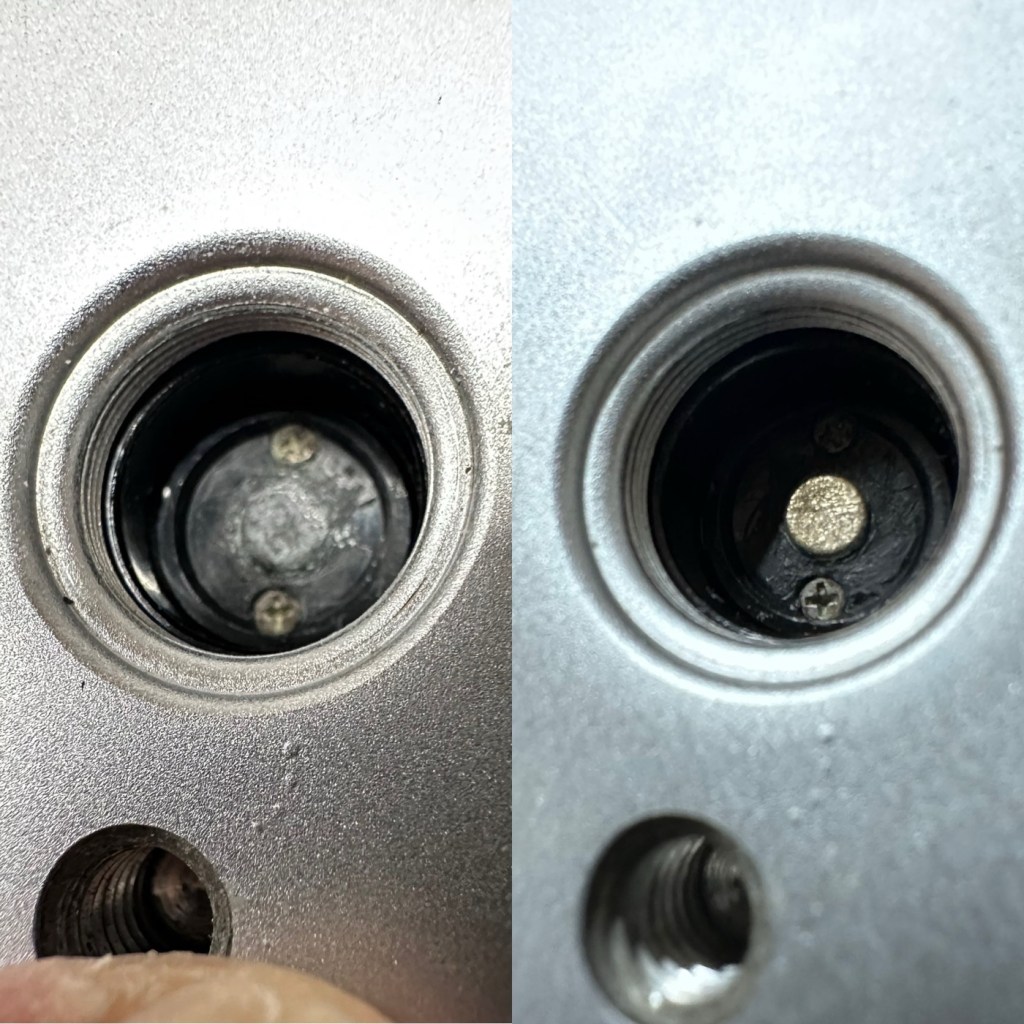
The battery currently in place was dead so I tried a new battery to no avail. When I opened the battery chamber again I then noticed some oxidation of the contacts, so a quick clean with some contact cleaner and they looked a lot different.

Before and after battery contacts

A new battery back in place, and hey presto the light meter is now working.

Light meter now working

I’ve given a good disinfectant clean. Buffed up the case to make the best of a bad thing, and it all looks good. The only thing I can do now is run some film through it to give it a final test. I have some old out of date colour film at home, so I will use one of these to run a test roll. As I stated at the beginning there is not really a lot that can go wrong with these point and shoots, and I’m confident that the only issue was with the exposure meter as everything else seems to be fine. let’s get that film run through the camera to check things out.

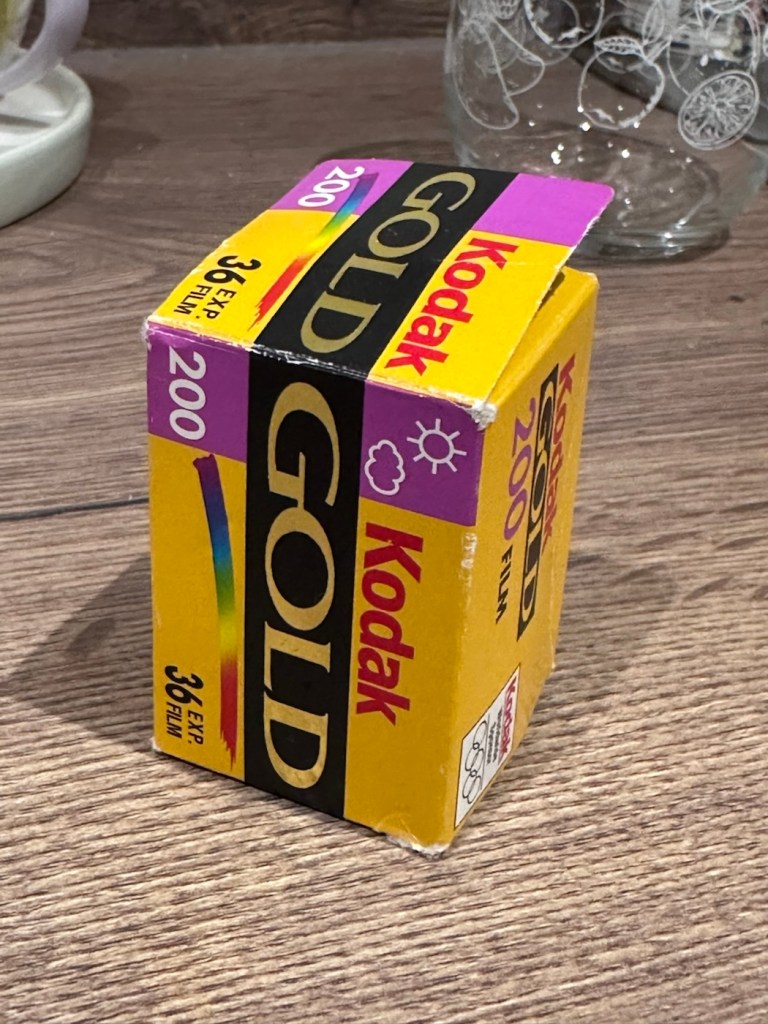
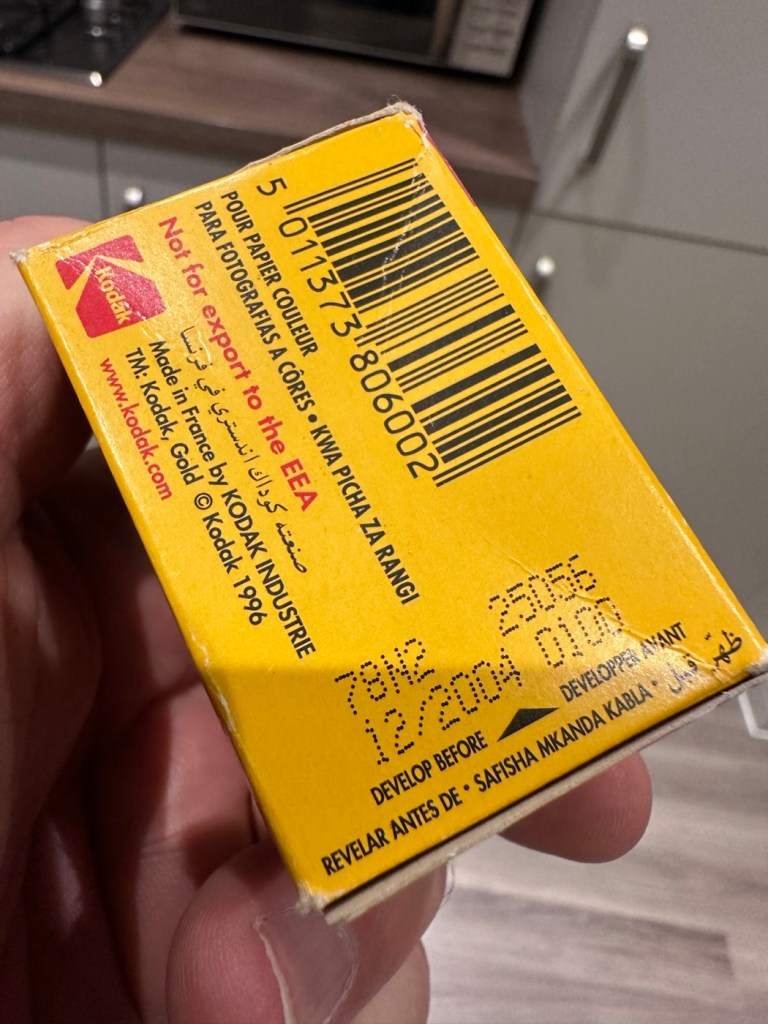
I’ve taken the film out of the fridge. It’s a roll of Kodak Gold 200ASA film, and it’s only 20 years out of date. I’ve tested a roll of this before, you can see that post here: 20yr old Kodak Gold.

The results won’t be anything spectacular, it will be grainy, it will have a colour cast and in fact might not even work at all. After this period of time the sensitively Will have dropped so I’m going to over expose this roll by one stop to attempt to compensate a bit. This 200ASA film will be exposed on this occasion at 100ASA. When I’ve exposed this it will be off to a local film developer- Classic photo supplies – for them to do the developing and scanning. Read this post regarding my rationale behind using this film: 3..2..1 – 20yrs out of date.

Result:

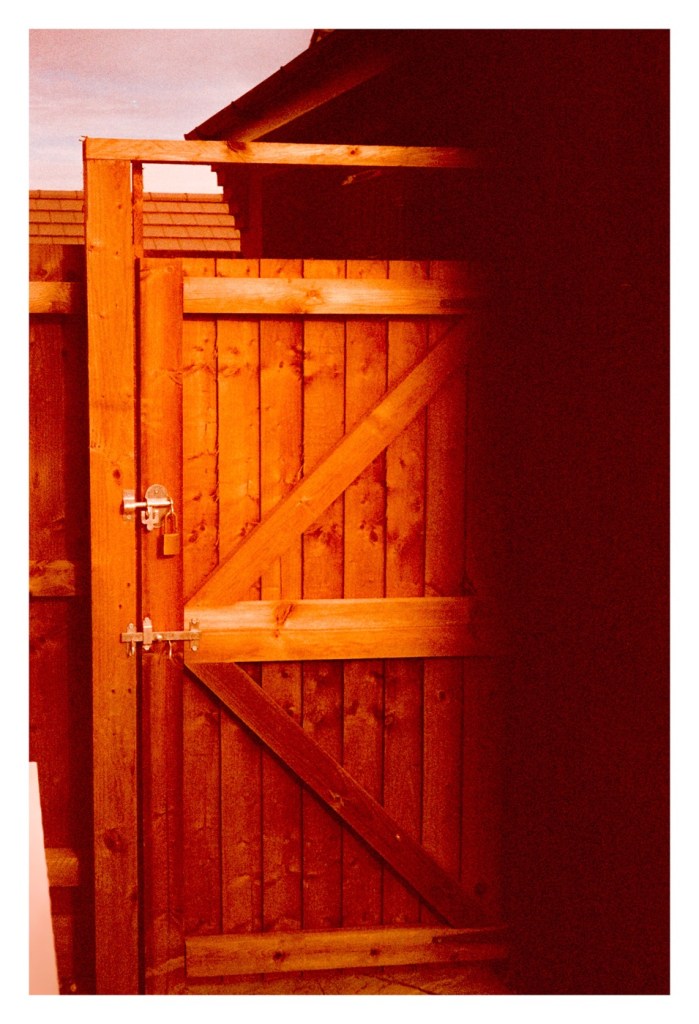
Well, the scans of the developed film have arrived back and it has proven a couple of things, one that the camera does actually work and two, that the film has definitely reached its limits, as the negatives show immense grain, and a colour cast due to the chemical structure of the film breaking down. I’m glad I only overexposed by one stop, I know that the recommended +2 stops would have been too much for this film. Below I have displayed a selection of pictures from this film, you can see the age related “colour cast” along with grain size if you zoom in. These aren’t the high quality pictures as the originals came back at about 30mpx each, and that would be far too high a resolution to show on this site, and I’d probably use up all of my photo allowance as well. So here are the greatly reduced results of those scans.

To be totally honest if you switch to B/W in editing mode, all the pictures come out fine and are completely presentable and maybe that’s the way to go with the next batch, don’t bother trying to get a good colour balance as that will never be achievable, just display in good old black and white, you can’t go wrong.

So the camera works, and this one will now be put aside until I decide how I’m going to move it on. It’s such a basic camera, the distance selections are questionable, but that’s just a remnant of the 70s technology behind it. It’s a good little point and shoot, but I do believe the likes of the Olympus trip totally outshone all other competitors in the point and shoot category.

Job done. Another old camera saved from the scrap heap, and given a new lease of life, and it probably took no more than 10 minutes to get it back in working order.

Thanks for passing by, it’s very much appreciated.
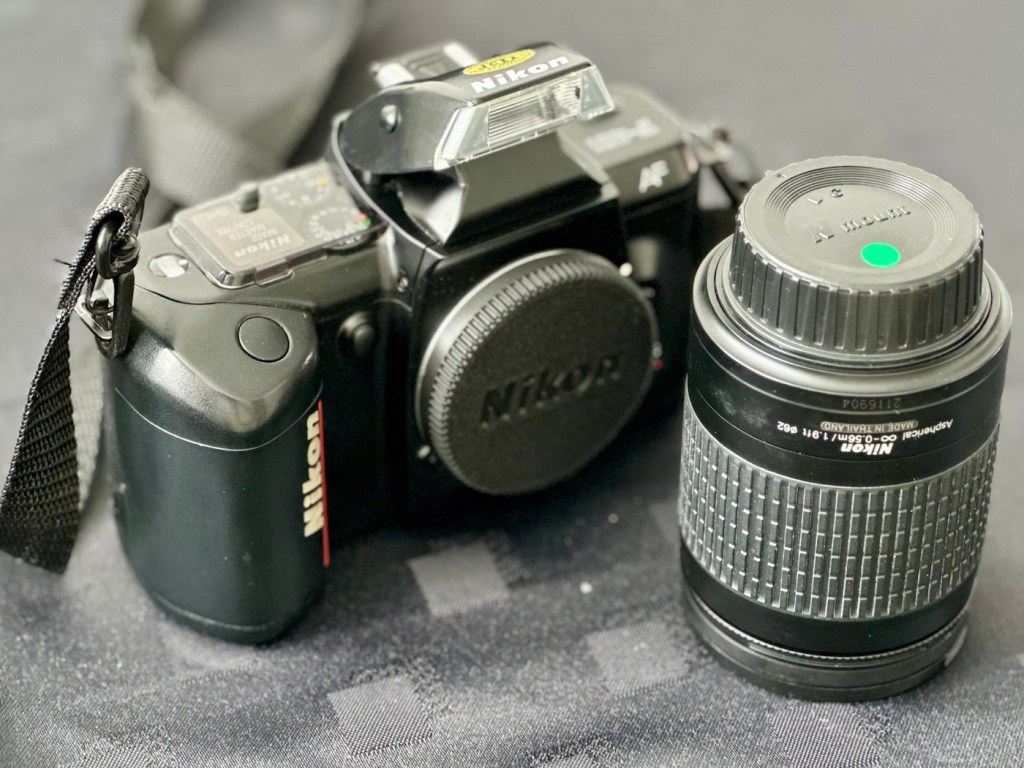
Photographic light sensors in older point and shoot cameras

A little explanation of the differences between the light sensors of two vintage point and shoot cameras produced 12 years apart

I’ve recently purchased two old point and shoot cameras as a lot. One was from 1960 and the other one was from 1972 only 12 years apart, but a world away in technology regarding light sensing ability and technology.

Yashica 35 ME & Ricoh Auto 35

These two cameras only cost me £4:99 In total, they were sold as spare parts, and I suspect the issues could be around the light metering, as to be honest there isn’t a great deal else that could go wrong with them. Here’s a quick breakdown of the metering methods on each camera, followed by a more complex explanation around just what each method of metering involves.

Ricoh Auto 35 – Circa 1960

The older camera, the Ricoh, dates from 1960 and just by looking at it, you can see its light sensing system is built around the face of the lens barrel, it’s that glass honeycomb concoction that is so typical of a number of cameras and light meters of this period. Here is a post I previously made regarding Selenium light meters – (Sangamo Weston Master V light meter) The meters were known as selenium meters, there was no electrical components such as batteries, it was a little bit of scientific magic, here we go with a little explanation….

How the Selenium Cell Works in This Camera:

A selenium light cell operates on the photovoltaic effect (similar principle to modern solar panels):

The cell contains a thin layer of selenium coated onto a metal base. A very thin transparent conductive layer (often gold or another metal) is placed on top. When light hits the selenium, it generates a small electrical current. That current directly drives a tiny moving-coil meter needle.

The honeycomb ring is the selenium cell, light hitting it generates a small electrical current of approximately 0.5v. That current directly moves a needle inside the camera, the needle mechanically links to the exposure system. On the Auto 35, the meter is coupled to the shutter/aperture system, meaning that in “Auto” mode, it helps set exposure automatically. In manual mode, you match the indicator.

No battery is used — it is entirely self-powered by light.

Expected life span:

The Ricoh’s selenium cell is now about 60+ years old, so condition varies.

Typical selenium lifespan:

Originally: ~20–30 years

Many survive 40+ years

After 60 years: often weak or dead, this one probably is

Common Conditions Today:

✅ Still accurate (rare but possible)

⚠️ Works but underexposes 1–2 stops

❌ Needle barely moves or is dead

They usually fade gradually rather than fail suddenly.

So that gives an idea of how 1960s light metering works, and to be quite honest it probably means that as this camera is now over 60 years old the metering cell is long dead. It does not mean the camera is useless though, it can be used manually using a third party light meter or you can always use the “Sunny 16” rule.

Yashica 35 ME – Circa 1972

Now moving on 12 years to 1972 and the selenium meters have now gone only to be replaced by the CdS system- Cadmium Sulfide sensor, otherwise known as an electrical photocell. The sensor can be seen at the top of the lens ring, a little glass bubble. The downside with these sensors are that they contained Cadmium which is a toxin, replacements are no longer available so modern cameras use photo diodes instead. Here’s the explanation of CdS technology:

Unlike selenium (which generates electricity), CdS works by changing resistance:

In bright light → resistance drops

In dim light → resistance rises

The camera contains:

A CdS photoresistor, A battery, A small electronic circuit, A meter or automatic exposure mechanism

The battery sends current through the CdS cell.

Light changes the resistance, which changes the current.

That signal controls the exposure system, and a 1.3v battery cell is required to power the meter.

Why CdS Was an Improvement:

Compared to selenium cells, the CdS photocell was much better in low light, it was smaller, more accurate and required a battery that could be replaced to extend life whereas the selenium cell in time would naturally just die away.

CdS cells generally last a very long time — often decades — and usually outlast selenium meters.

Hopefully this gives an explanation regarding the two types of metering sensors that were present between the 60s and 70s. It is always worth considering when purchasing such cameras that the light meters may not, and will probably never work again, the camera itself is probably fine, you’ll just have to find other ways to ensure your lighting conditions are sufficient, and that really is no big issue, it’s easy and second nature to most camera users. As stated earlier just use the “Sunny 16” rule. Just enjoy your photography, experimentation is half the fun.

Reviews on these cameras will be following soon.

Thank you for passing by, it’s always appreciated.
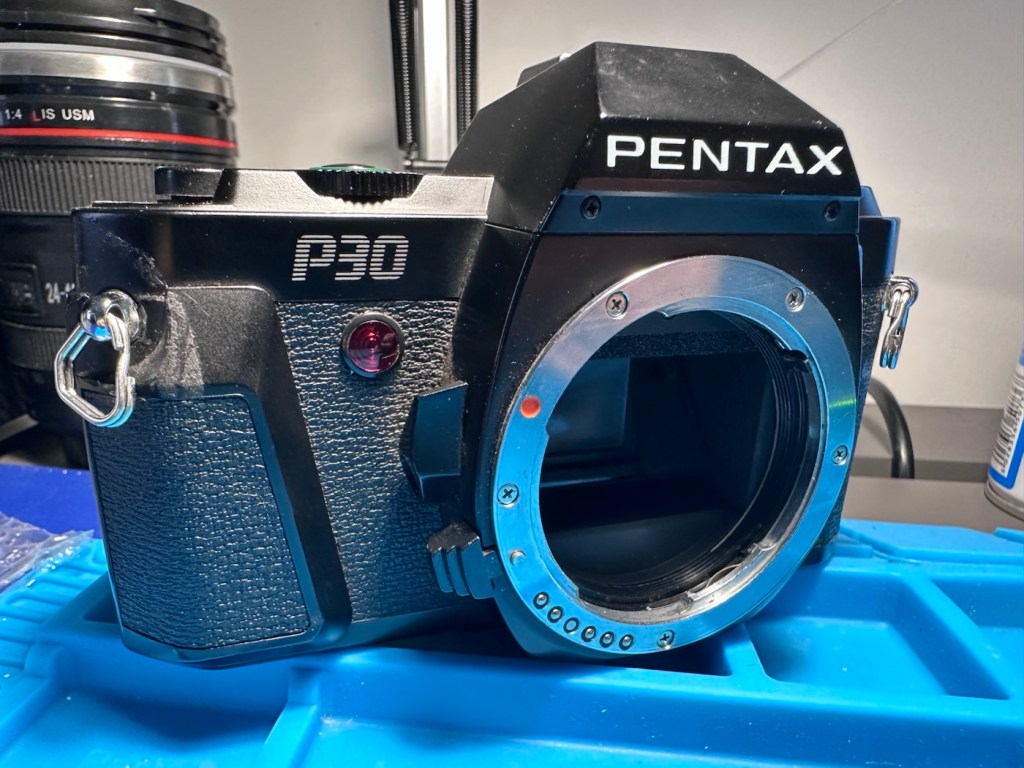
More camera odds & sods

Another bunch of photographic waifs and strays have arrived at my door. Can they be saved or are they beyond redemption?

What the listing stated:

Job lot of 5 slr film camera bodies 

Canon ae-1 program, Olympus om10 x 2, Pentax me super, Fujica stx-1 

Sold as spares and repairs only, all have some sort of fault 

Please see photos for condition

EBay

I’ve just purchased a job lot of old cameras all requiring repair, god knows what the real issue with them is, however they all do seem to have all knobs and buttons available which in many cases is quite a rarity. I’ve paid a grand total of £40:00GBP so if you break it down to a total of £8:00GBP per camera then I’m quite happy with that. Even at this price, i get some good spares, should that be all they are useful for.

The collective purchase

My intentions here are thus. The AE1 program is the only Canon camera I need to complete my “A” series collection so my main focus will be on that. The two Olympus OM10s I will be looking at repairing then selling on as I already have a good example of this camera. The Fujica and the Pentax I will possibly look at adding to my collection as I do not have either of these.

I have my fingers crossed that there’s nothing seriously wrong with this purchase, and i will be featuring their respective repairs over the coming weeks. Firstly I’m going to carry out a very basic assessment on their arrival, just to see whether or not I have purchased a collection of proverbial Christmas Turkeys.

Quick assessment:

Canon AE1- Program:

This is the one I’m most excited about as it could possibly be my last piece of the puzzle for my Canon “A” series collection. Cosmetically it’s ok, it’s grubby, it has a broken battery door and a missing winder cover from the base. All dials, buttons and levers are working as they should, and when a battery is installed everything is as it should be. The battery check audio is fine, all indications in the viewfinder illuminate as they should, the camera fires (with a little camera cough) but other than that all seems well. The mirror and prism need cleaning and there is possibly some ingrained marks on the prism but this will not affect picture quality. All light seals need replacing and a good CLA is required.

Is it a Turkey 🦃 no it isn’t. I’m convinced this camera will soon be back in good working order.

Olympus OM10 – No:1:

Olympus OM10 No:1

In really good condition, battery terminals have a slight corrosion due to old batteries being in place. However new batteries work fine and shutter fires and viewfinder is clean. To be honest, this camera is in a better cosmetic condition than the one I currently have. This is an excellent camera that requires little attention.

Is it a Turkey 🦃 ? Most definitely not.

Olympus OM10- No:2:

As with the first OM10 this is cosmetically a nice camera just a little more grubby, and missing the battery cover on the base. But it has a nice Nikon neck strap – strange. The battery chamber looks as if it has had some minor battery leakage but nothing too serious. Using the battery cover from No: 1 camera I’m able to test all the electricals, and there is no issues here, with the camera displaying the exposure in the viewfinder correctly, and the self timer and battery check all as they should be. Again a good CLA of the camera should have it back and working in no time at all.

Is it a Turkey 🦃 it most definitely isn’t. This is a good camera just needing some TLC.

Pentax ME-Super:

Again, cosmetically in good condition but missing the battery cover on the base. I was able to overcome this and load some batteries and had movement in the metering via the viewfinder. It’s quite dirty and the function dial on the top is jammed, I couldn’t get the shutter to fire. I suspect it needs a good CLA, and will make a good little project .

Is it a Turkey 🦃 ? I’d say not at this stage. It needs attention on the bench. It’s promising.

Fujica STX-1:

Fujica STX-1

The batteries were dead but the chamber was free of any contaminants. New batteries in place and the light meter in the viewfinder is working fine. Everything works, the shutter fires and winder operates without issue. This camera is in a good but grubby condition. Will require new light seals and a good CLA, but nothing beyond that.

Is it a Turkey 🦃? Absolutely not, this is a good sturdy camera just itching to get back to taking photographs again.

Conclusion:

So out of five cameras, I’m exceptionally pleased that every single one of them can be brought back to a working condition, with very little intervention. every single one of them will need a Clean, lubrication and adjustment (CLA) and also new light seals as the majority of them have turned to a dusty residue that gets everywhere. I need to buy some replacement parts, so I will get on with sourcing those items, and then I will also get some body caps to protect the cameras when I’m finished.

I will create individual posts to cover these repairs, and they will be delivered here on this site over the coming month or two. I’m in no real rush and to be honest, time is a rare commodity at the moment as I will be working as one of the “Orange army” (It’s a railway term) over the Christmas and New year periods, and on top of that we may also still be moving home, fingers crossed 🤞 in early January 2026.

Thanks for passing by. It’s most appreciated.
Random acts of Cameraness

House sale collapse and expectations, and some random photographic chuff

Just invented that word, I think.

Lately there’s not been a great deal to write about. Our continuing saga regarding the house sale that has been going on since August this year, has had the chain collapse yet again for the third time. Not our end but lower down the chain. It’s a pain in the ass, the whole system of selling in this country is crap, it’s poor and only allows the legal people a way to squeeze more money out of you. Meanwhile we have a load of stuff in storage, and guess what? Every thing you need is now in that storage about 15 miles away. Damn it.

Hey ho, the house went back up on sale for the fourth time last Tuesday, we had five viewings on Wednesday and four offers on Thursday, it was sold on Friday. Wow that’s quick, but you watch it slow down from here on in, it will believe me.

Meanwhile here are a few pictures taken recently on multiple media types, just to fill some space.

Have a happy day, behave yourself and stay happy.

Olympus OM10

Always liked and wanted an Olympus OM10. 46 years later I now have one. Of course, it needed repair.

Much to the wife’s annoyance, and because I was feeling a little low and in need of some retail therapy, I’ve purchased this lovely little camera from the Barnardos charity. It looks like it’s been stored in a full Hoover bag, it is so dusty. It has a few dents and dinks, this one is going to be a challenge. I like challenges. I’ve paid the grand total of £17:67GBP for the camera and the standard Zuiko 50MM F1.8 Lens. I think that is an excellent price.

These cameras were produced between 1979 and 1987. I’m hoping I’ll be able to date this actual camera more accurately when I receive it.

This is what the original listing stated:

This listing is for a vintage Olympus OM-10 35mm Single-Lens Reflex (SLR) film camera, bundled with a Zuiko 50mm f/1.8 lens and a leather neck strap. This is a single bundle containing the camera body, lens, and strap, ideal for collectors or film photography enthusiasts.

UNTESTED. This sale is for spares/repairs. There are some marks and cosmetic imperfections. Please see images for more detail.

The standard untested post from the auction sites, but I’m not really bothered to be honest. It’s a charity, and I’m happy to pay for these items as the charity always benefits, and that’s all that matters to be honest.

I have some history around this camera and whenever I see one I think of Bruce Springsteen and here’s why.

1984, Bruce released this Album

Born in the USA was released in 1984, so I can kind of pinpoint the first time I’d ever really heard him, courtesy of my friend David K, when I used to live in a small town in Hertfordshire called Bushey. David had been a school friend, we were now in our mid to late teens, he was working in a restaurant whilst I was in a photographic lab. He introduced Bruce to me and for many months after he first purchased that album, we played it non stop and knew it off by heart, beat for beat, and word for word, we were totally smitten with it. It was the Bruce effect. At this time i would have been about 18-19 years old, and had a very basic Russian Zenit camera, it took some great photos. However, David had recently had a bonus payment at work and purchased himself the Olympus OM10. I was envious, who wouldn’t be? What a camera and this is where it all ties in with our hobby, we loved photography and used to always discuss it with Bruce in the background singing his heart out. It all ties in now, fantastic memories, and a single camera can bring back these memories. Amazing isn’t it?

Anyway here’s some pictures where you can see the amount of dirt, and what looks like some bumps on the outer edge of the lens.

Here’s some information regarding this camera:

The OM10 was the first consumer OM series body. Launched in 1979 it accepted the full line of OM lenses and most of the OM accessories for a lower price. The lower price was reflected in the construction of this camera and the features available, however, it was still a very competent performer and it reflected the elegant lines established by the compact OM-1 and 2 designs. Early production runs of the OM10 have known malfunction issues with electronics, metering, and shutter magnets. Olympus later changed the shutter to a ‘Type II’ design to correct the latter problem.

In its standard configuration the OM10 offered aperture priority automatic exposure, simple and accurate enough for a consumer camera in most lighting situations. It also offered exposure compensation for more complicated lighting situations and for more advanced users. A small plug-in manual adaptor was available as an accessory to enable manual control of shutter speed. The manual adaptor is possibly not as easy to use as the typical shutter speed ring around the lens bayonet on the OM-1.

While not well known to consumers, the focusing screen for the OM10 is indeed interchangeable, though not as easily as the OM-1. It shares the same focusing screen as the OM-1, but the extra protruding tab needs to be cut off as the OM10 doesn’t have a placeholder for it.

The OM10 can accept all the lenses of the OM system. 

The finder screen is fixed, as well as the back. It can accept the winder but not the motor drive. It existed in chrome and in black finish.

In 1980 the OM10 Quartz was released with a fixed databack (equivalent of a Recordata Back 3) to print the time or date on your pictures. The OM10 Quartz was only released in black finish.

The OM10 was sold in large quantities before production ceased in 1987 and many working examples are still being used today. Largely overlooked in favor of its more professional ‘single digit’ siblings, you can easily pick up a working example for $50. Try to find one that includes the manual adaptor though, as this accessory alone can fetch $30 at auction.

Camera-wiki.org

Assessment:

In a perfect world this camera would just need a clean. But this is me and to be honest I’d like a little bit more of a challenge, as a lot of the cameras I have worked with lately did not need a lot of maintenance because they’d been well looked after. This one may be different.

These cameras were renowned for electrical faults especially with their mirror motion magnets, very similar to the issues suffered on Canons earlier EOS cameras such as the 1N. But to be honest I am just surmising at this point as the camera is not yet in my hands. I need to be patient and await its arrival.

Well, it’s arrived so let’s have a look and see what’s good, what’s bad and what’s indifferent. It has dirt, yes, quite a bit of it, so it will require quite a deep clean as we need to get into all those little crevices, where the dust has settled.

Cosmetically it looks really good with no dinks, dents or scratches, so that is very much a positive. It’s in not too bad a shape for being 46 years old.

The capstan to open the camera film door, along with the operation dial are a little loose, so they will require tightening.

Batteries are long dead, this camera requires two LR44 button batteries to do even the basics, I have tested the batteries with a multimeter and they are so low that they hardly register, they are very dead indeed. The good thing however is that they have not leaked in anyway and the battery chamber is clear of corrosion.

The mirror is stuck in the halfway position, this could be purely to do with there being no battery in the camera. It would be good to see with new batteries installed, if the mirror magnets would then kick in, and then they’d be no further issue. However, knowing my luck they are probably inoperable as well, we will just have to wait. And for this same reason the winder is also stuck, again the batteries may well solve this problem 🤞

Good news is though that the mirror and curtain are in really good condition, because the old lens has been kept in place preventing any contamination getting into that area.

Viewfinder looks clear apart from a little dust build up

However the lens, does appear to have fungus in it, and will require a clean at some point along the way.

There are also a number of light seals that need replacing as they have perished.

To be quite honest, the easiest part of this camera to clean will be the standard plastic and rubber neck strap. This can just go in some warm soapy water to rejuvenate it. However, my first priority will be to get some batteries in place and see what occurs. I may have to rethink my approach to this camera dependent on the outcome of this simple action.

Repair:

Straight home and I’ve found a couple of LR44 batteries that had a little more power than the old ones. In they go….and nothing. There is a check position on the main dial that should light up and a buzzer should sound to confirm that there is sufficient power, obviously there isn’t in this case. I run all the other LR44 batteries I have through a tester ( I had a packet of 12 ) and they all show as low power, they’ve died during storage. I then pop over the road to see my brother in law who always has a good supply of batteries and bingo, he has a couple of spare LR44s.

We have the check light, and a little buzz…intermittently

With these in place I get an intermittent buzz and a light, it appears the capstan control and operation dial that I mentioned earlier was loose, and has intermittent contact issues, it will need removing and cleaning then reseating.

If I hold the capstan in place I do get a good signal, with both buzzer and light operating in the check position, and when I move the control to “On” position I can now cock the shutter lever. It will then fire but again only to the half way position as it did earlier. If I gently push the mirror down and let it spring back it will then fire. But you have to do this on every stroke of priming the advance lever. Not good.

This is pointing towards an issue with the magnets and I believe I’m almost there, and that’s when I have a eureka moment.

Eureka moment

In the bottom of the mirror and curtain bay on the base of the camera is where the mirror magnets are situated, along with a light sensor that takes a reading off the shutter curtain behind, that is checkerboard coloured. Something here didn’t look quite right for me as it did not look level, the base seemed quite uneven. I just simply put my finger in here, applied some light pressure on this base and it just clicked into position, nice and level and then the stuck mirror fired, just like that. Every single prime of the shutter and actuation since, has worked just perfectly, I wonder if this camera has been dropped at some time just knocking this part out of true configuration? Or has someone been here before me? I’m going to have to remove the base to check a few things anyway, so I can then make sure this issue doesn’t happen again. For now, I’m satisfied that the shutter and winder are working fine. I just need to make the contacts and the electrical continuity a little bit more reliable.

I’ve dismantled the faulty switch. Inside, the old tracks on the camera and the pickups on the switch were showing signs of tarnish so I used some contact cleaner go get these looking better. I’ve re assembled the switch and used a new circlip to hold it all together. It’s a lot more secure and responsive now with no interruption to the check signal. It’s quite solid as it always should be.

Here’s a small video regarding the switch repair.

Switch working as it should

With the switch sorted I’ve now removed the focus screen to give that a bit of a clean.

And after this I have gradually started to remove the old light seals in preparation for their replacement. They really are in quite a bad way and creating a lot of dust and dirt as they degrade.

Now to get the remainder of the old seals removed, clean the troughs they sat in, and then put the new seals in place.

With some IPA, and a large bamboo stick it’s time to remove the old seals

I’ve replaced all the seals on the camera body apart from the mirror damper. I need to get some adhesive first, to secure the plastic plate that sits above the damper. Hence I have to wait for this to be in place before I can finally put the damper in situ, i will do this in the next 24hrs.

Now, the plastic piece that covers the focussing screen access is now secured in place and the mirror damper has been installed, all light proofing has now been completed.
Mirror damper installed

The original lens that was suffering with fungus has been dismantled and given a clean, however because the top two optics are a sealed assembly, guess what? The fungus is within the sealed section and is unable to be accessed. Therefore the lens will never be cured of this issue, it has been improved by cleaning the other optics but it’s not in anyway good enough to use with film in the camera, I will therefore use the old lens purely for testing purposes, it works fine for that and will be just fine for testing other Olympus equipment. In the meantime I have purchased two further OM 50mm std lenses, one is an earlier “Silver nose” model with a single lens protective coating whilst the other is a later production “Black” MC (Multi coated) model. Both are in an excellent clean condition conducive for film photography.
The two new lenses – “Silver nose” to the right

I’m happy that the repairs have now been completed, all that is left now to do, is to give the unit a thorough clean, and to clean that original plastic/rubber camera strap with some warm water.

Result:

Here we present a fully cleaned and maintained Olympus OM10 35mm SLR camera from the 1980s looking quite resplendent after all the work on it has been completed.
All cleaned
Looking superb with a new lens

It’s been a lovely camera to work on. The make of this camera is superb, and back in the 80s Olympus were on a high note with the high end advertising, using many well known celebrities, and their cameras as a result became extremely popular. They are very well made and have stood the test of time. This one camera will go on to continue being used, and has many good years of life ahead of it. Another one saved from the scrap heap. As with all my cameras I have an immense backlog of units all awaiting the time when they have a roll of film run through them, and this one is no different. When I do pass a test roll through it I will post a link to the results here.

As always, thank you for passing by and glimpsing this post. It is always very much appreciated.