Amstrad Notepad NC100

What the listing said:

Amstrad Notepad NC100+ Vinyl Case 

Not working not powering on, the vinyl case has some marks and scratches.

EBay
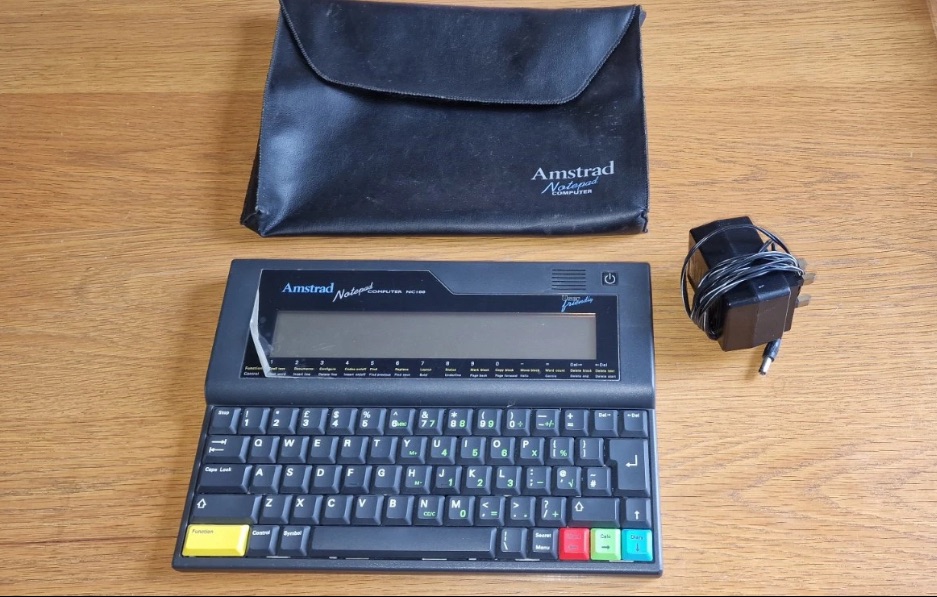
I’ve been after one of these for a little while, I’ve just been awaiting one at a good price and this one became available, post included at £30GBP, they retailed for £199Gbp back in 1992. It says it is not working but that’s good in my eyes as it makes these posts more appealing, as it gives me something to repair. I don’t know what the issue is off hand as the post didn’t state that, but I do know these items have suffered with capacitor problems over time, but that is not necessarily the case here. We will just have to wait until we do the assessment on its arrival. And as it comes from around the early 90s it fits right in with my modus operandi. And this little cutie dates from 1992.

Here’s a little history behind this unit courtesy of Wikipedia:

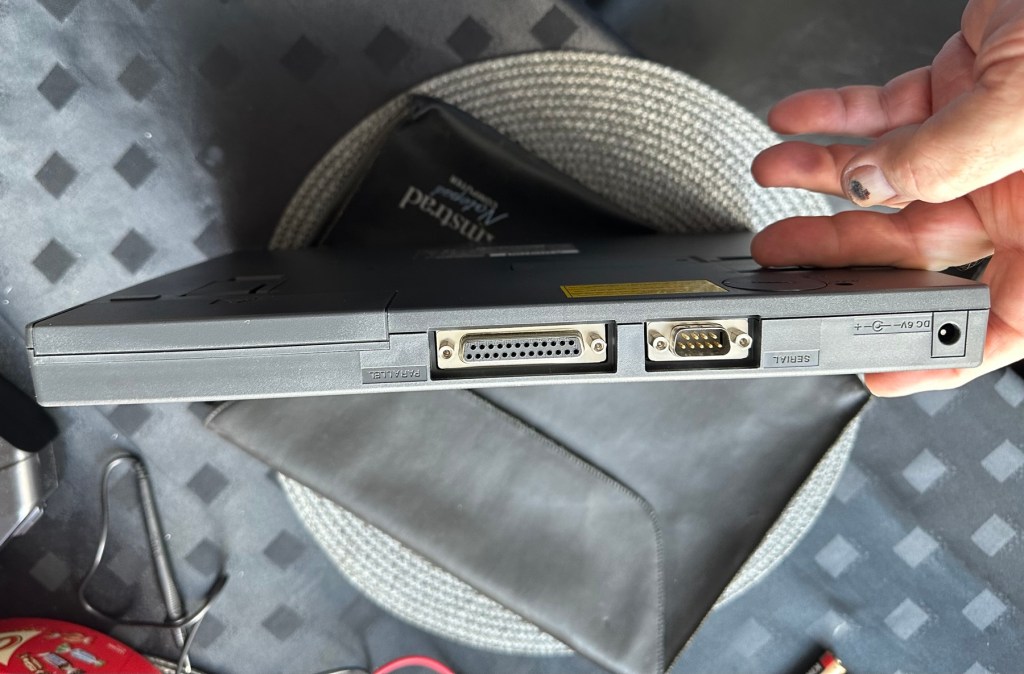
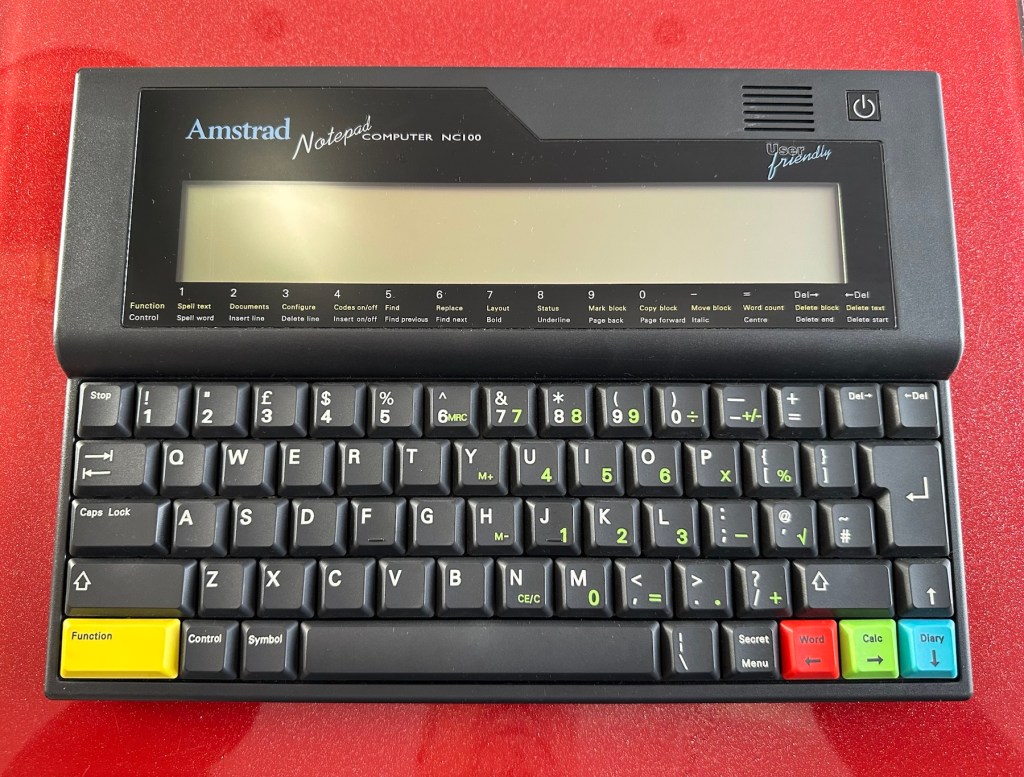
The Amstrad NC100 Notepad is an A4-size, portable Z80-based notebook computer, released by Amstrad in July 1992. It featured 64 KB of RAM, 256KB of Rom, the Protextword processor, various organiser-like facilities (diary, address book and time manager), a simple calculator, and a version of the BBC BASIC interpreter. The computer’s design, evocative of the TRS-80 Model 100, features a screen with 80 character columns by eight rows, and not backlit, but this let the NC100 run for up to 20 hours on four standard AA cellbatteries. There was an RS-232serial port, a parallel port for connecting a printer, and a PC card socket, by means of which the computer’s memory could be expanded up to 1 MB.

Assessment

The unit has arrived and cosmetically it is in very good condition apart from the peeling plastic screen cover. A little bit of dust and grime, all keys in good order and no dinks or dents. the vinyl bag is a little tatty but that’s not a problem, it’s obviously done it’s job over the years due to the good condition of the unit.

So down to testing. First thing I’ve done is check the power supply is giving a 6.5 v output and this is ok.

Power supply doing what it should.

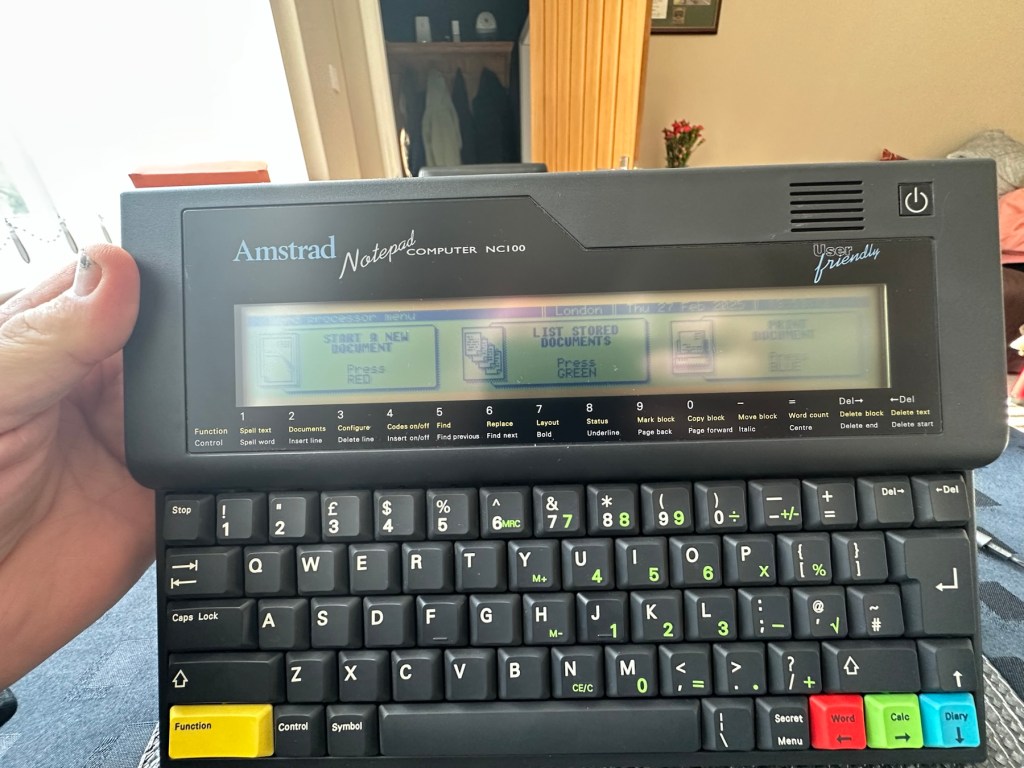
Secondly I’ve put 4 AA batteries in place and turned the unit on but then it abruptly stops, displaying a lithium battery issue.
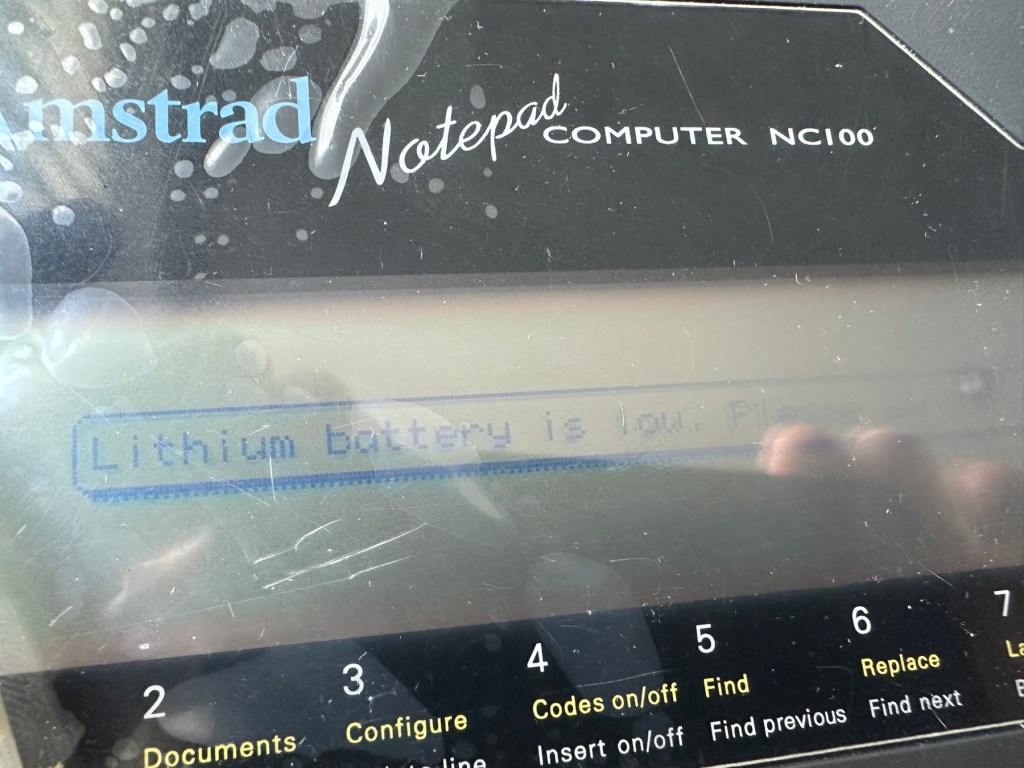
Lithium battery warning

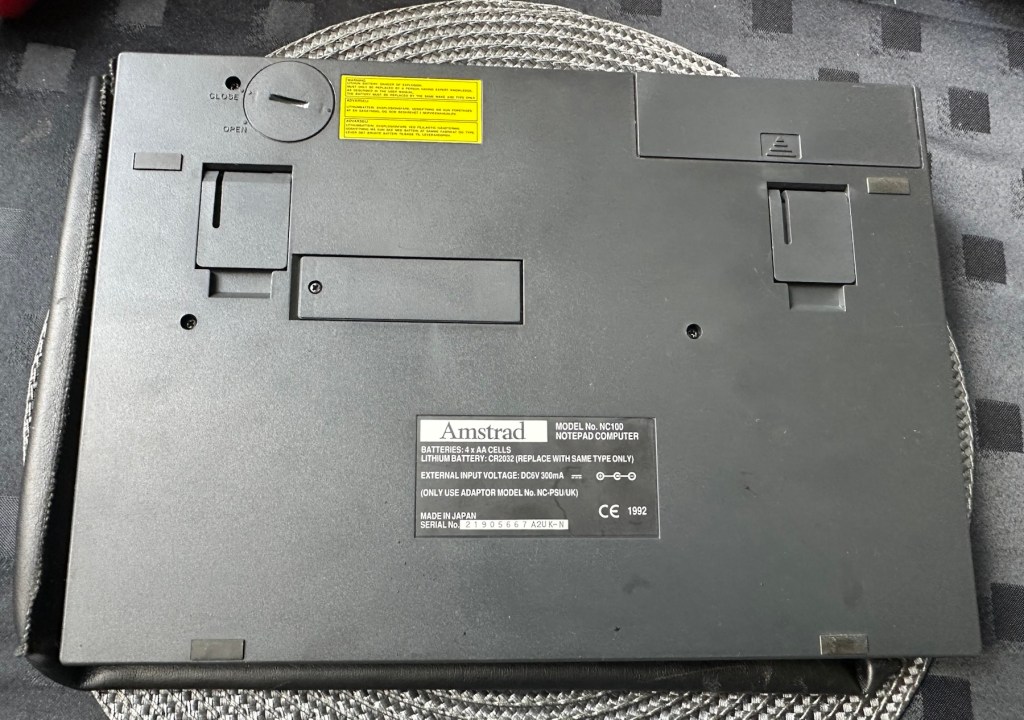
The lithium battery is an old CMOS type battery, a CR2032 coin battery. This is the battery that keeps the info in the system when you turn it off. I thought I’d run this through the multimeter and was surprised with the voltage I saw, the battery seemed fine to me at 2.8v, so I replaced it with a new one measuring 3.4v. And the issue came up again…..head scratching time!

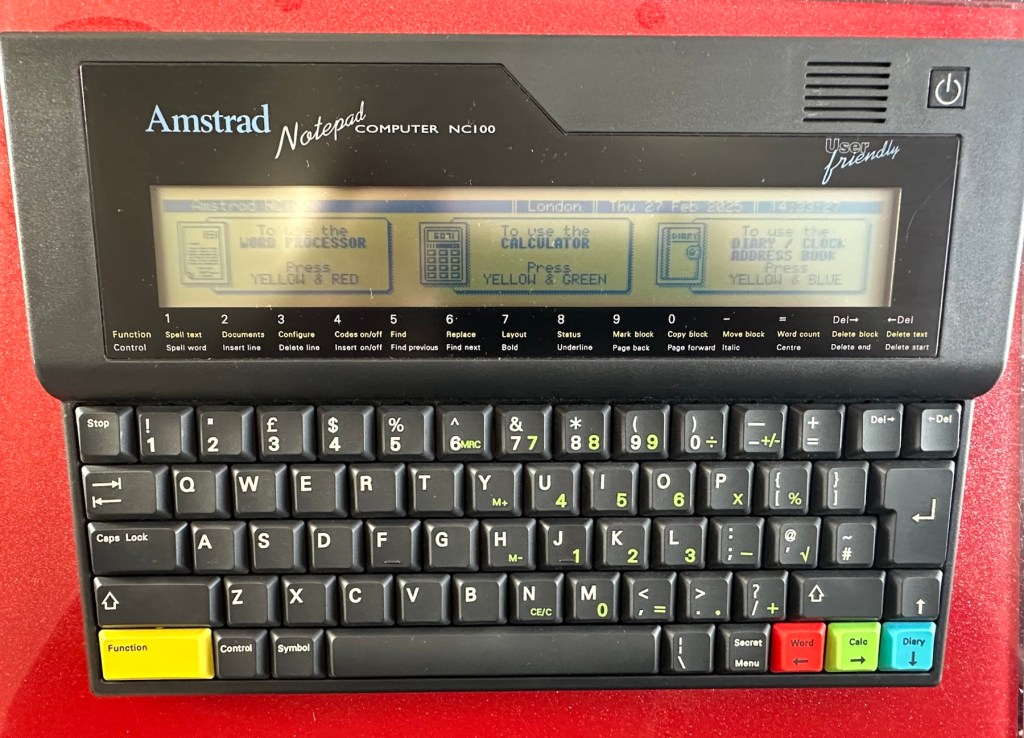
Looking on line it seems there is an issue with the lithium cell battery contacts on these units when they are being resurrected to modern day usage, time has not been good to them. The coin contacts have now been cleaned and slightly bent to ensure a better contact and hey presto it’s operational with no further issues.
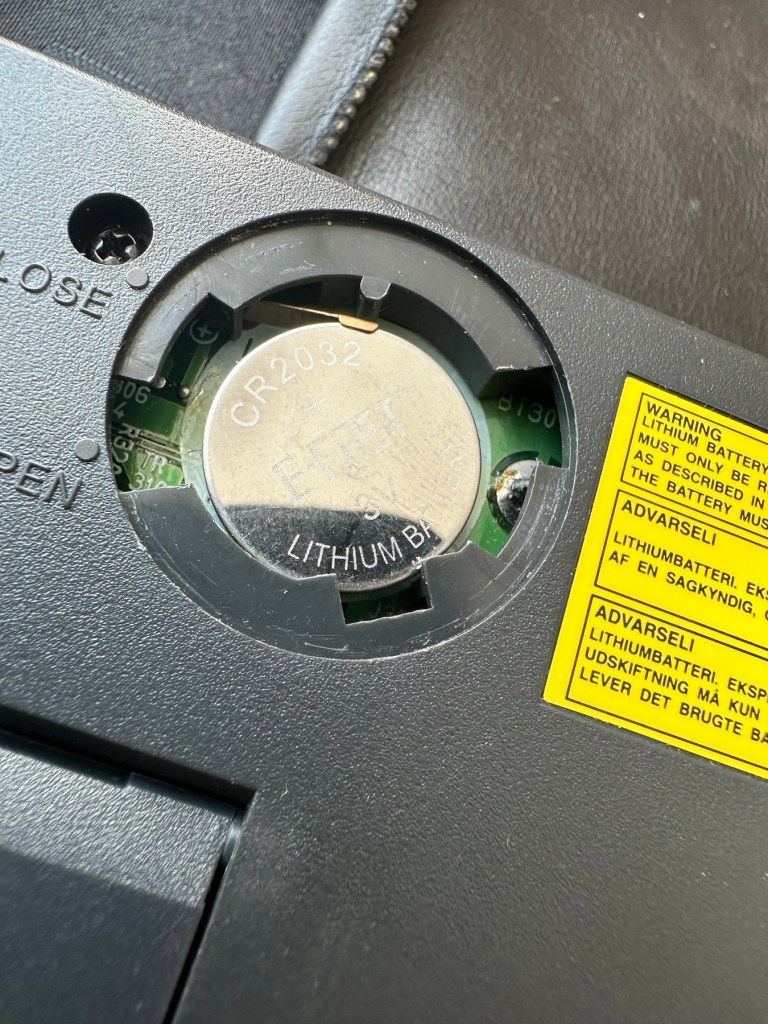
Battery contacts needed cleaning and repositioning

The main AA battery contacts are fine and the external supply is doing what it should. Now let’s look at sorting that screen issue.

Quite simply there were two options, use a bit of heat to try and stick the plastic down, but I decided against this as it would not lay flat, it had too many kinks in it. So the only other option was to remove it and this is what I did, it peeled off with no issues. In time I will see if I can get a suitable replacement but to be honest it isn’t really required as I’m not going to be using it that often.

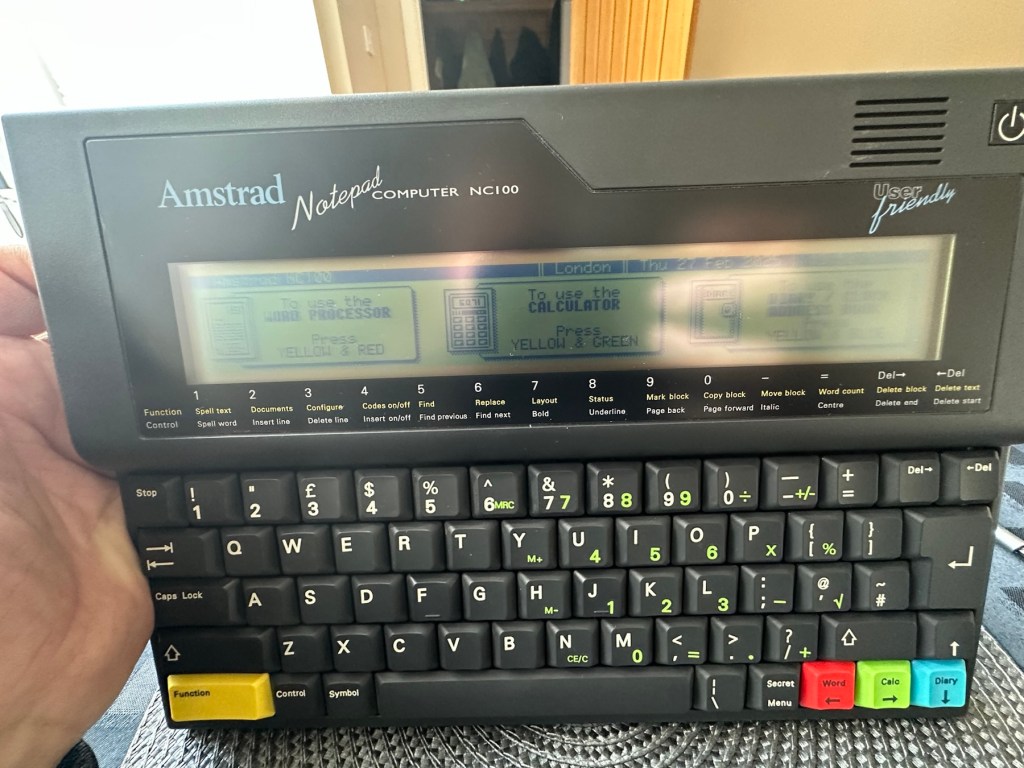
Let’s get that screen cover off

I’ve tried every function and keystroke of the board and all is good there are no issues and I now have a perfectly acceptable unit for my collection. It looks like i have had a second win against the “Untested” brigade who sell on EBay. This was the simplest of repairs and the issues are readily available to research on line. There is no excuse for not looking into the issues, when a good unit like this can now sell for up to three times the amount that I paid for it.

Your loss my win. Another one kept from landfill.

I’ve given the unit a good polish and I think you’ll agree that the project has come up good.

Now to just go and read the user manual on line to see if I’ve missed anything. Thanks for passing by, as always it’s most appreciated.

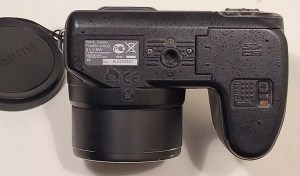
Fuji Finepix S1500

Why do I do it?

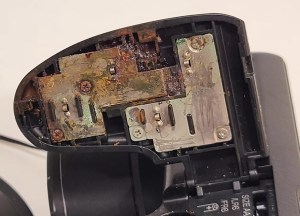
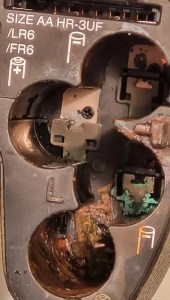
Serious battery damage

EBay listing

I like a challenge like most people. But this listing note above should have put me off, but no, I have the equipment, I have the time but do I have the patience to see this repair through. The guy wanted more than I was prepared to pay for such a camera, I got him down to less than a quarter of his original asking price paying just £6 gbp for this camera. Hopefully if it all goes bottoms up I’ll at least have some spares that can be used, if the corrosion has got to the circuitry it might be a different story.

Fuji Finepix S1500

On the market in 2009 this camera was amongst the digital assault from the far east that earned the title of being a “Bridge Camera”. Unfortunately this was not one of the better versions but however was well received by the casual snap shot photographer. I had one back in the day and that was my introduction to digital photography. This particular camera will go to a young family member who is getting into photography, if I can get it working.

The plan with this one is to get it open and do a full review on just how deep the “serious battery damage” goes. I’m not too hopeful, but sometimes luck does go your way.

Keep an eye out for updates when it is received and the work I will be doing to restore it to working order.

Thanks for passing by.

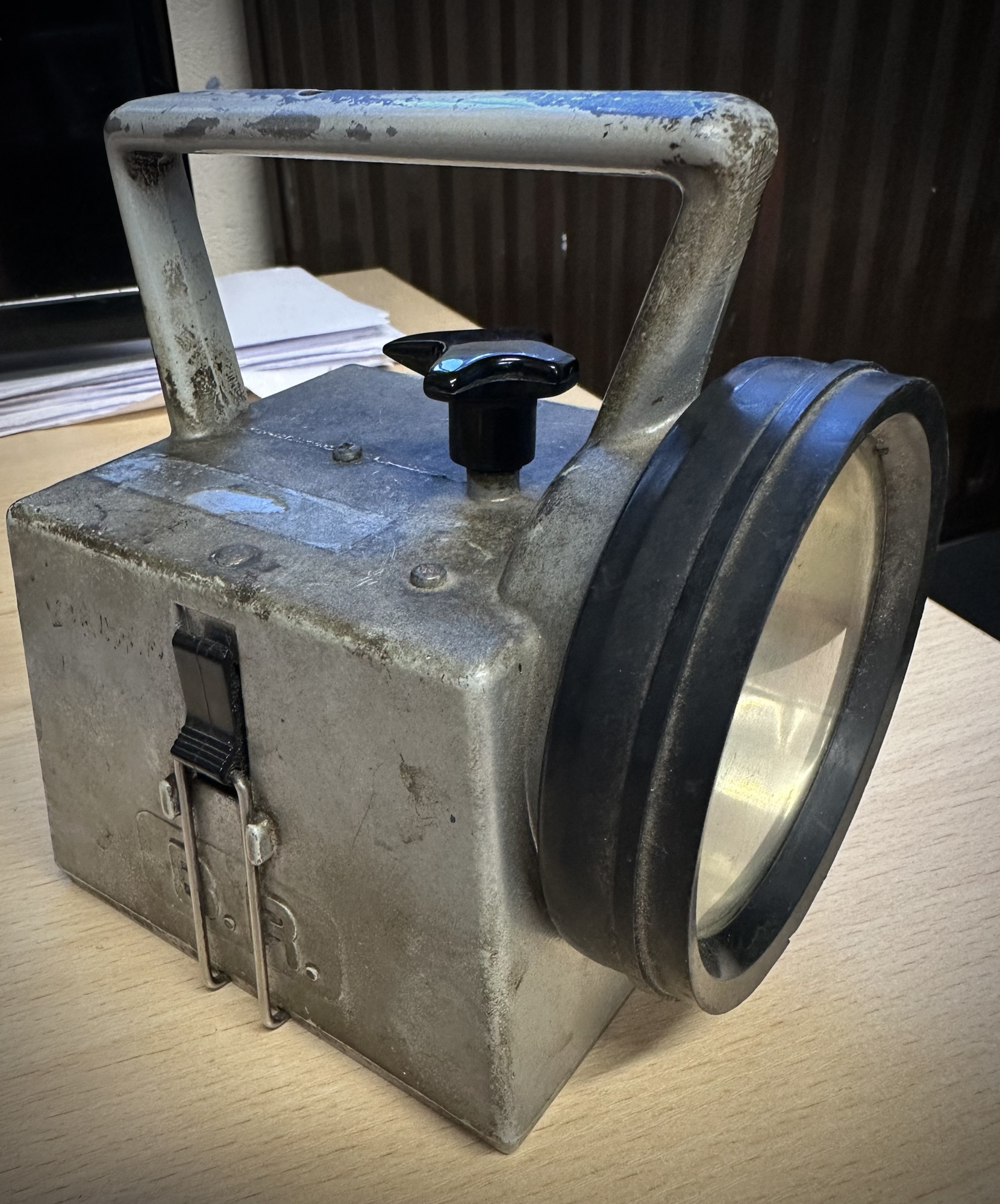
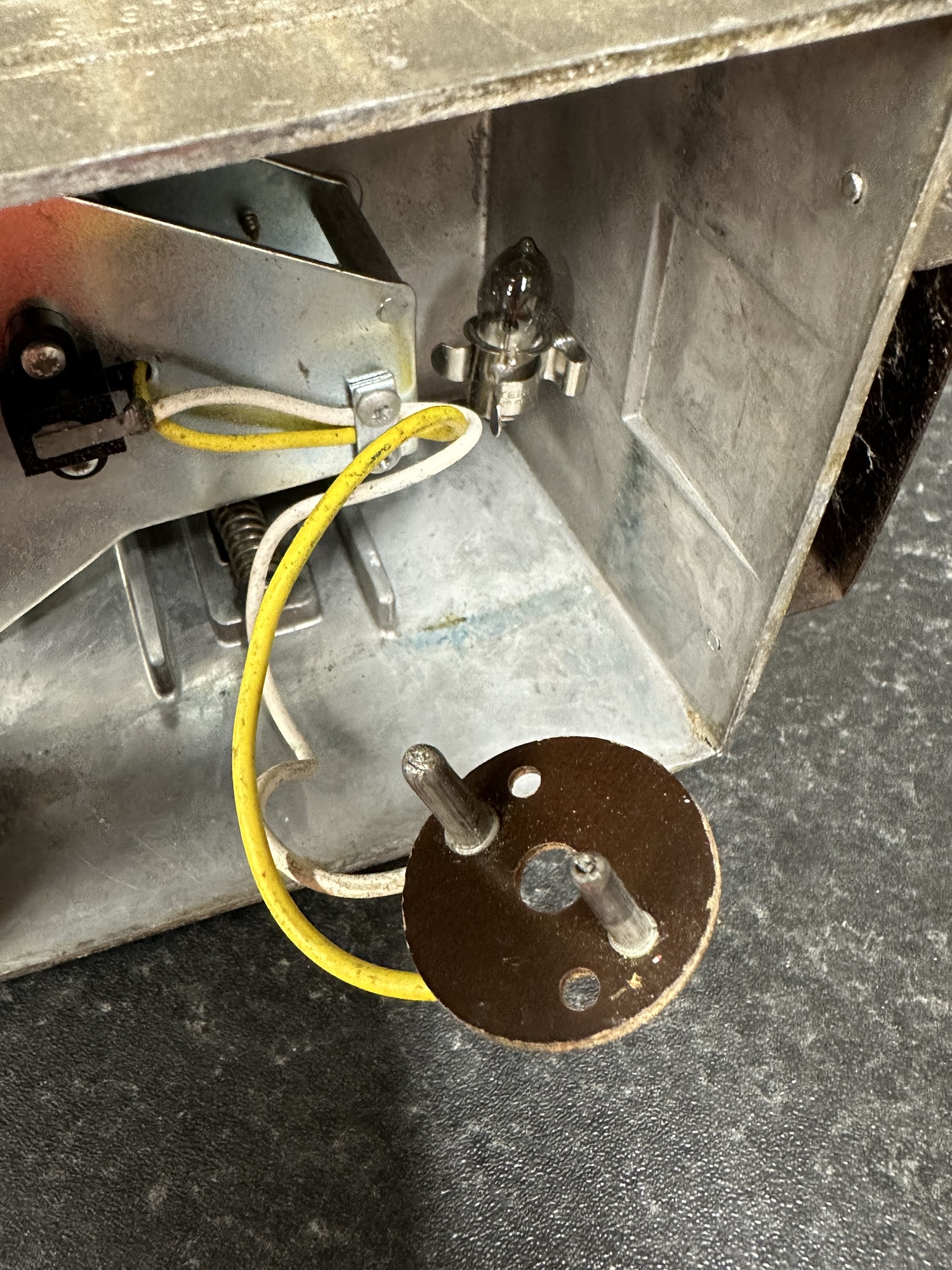
Bardic Lamp…A railway classic

The Bardic lamp was introduced into the British railway system by the Bardic company of Southampton sometime around 1962. Just about everyone who has worked on the railway since then in a trackside role was given one as a personal issue.

Fast forward to today and new plastic LED lamps are being issued, however they don’t have the appeal of the old lamps, they break easy and the lens colours are not true Red, Green and Amber that they should be. The old style Bardic lamp is still in use many of which are still being used today. I still have the original one issued to me back in 1992.

This post is going to cover a basic power conversion for these lamps that will hopefully result in them being used for many more years.

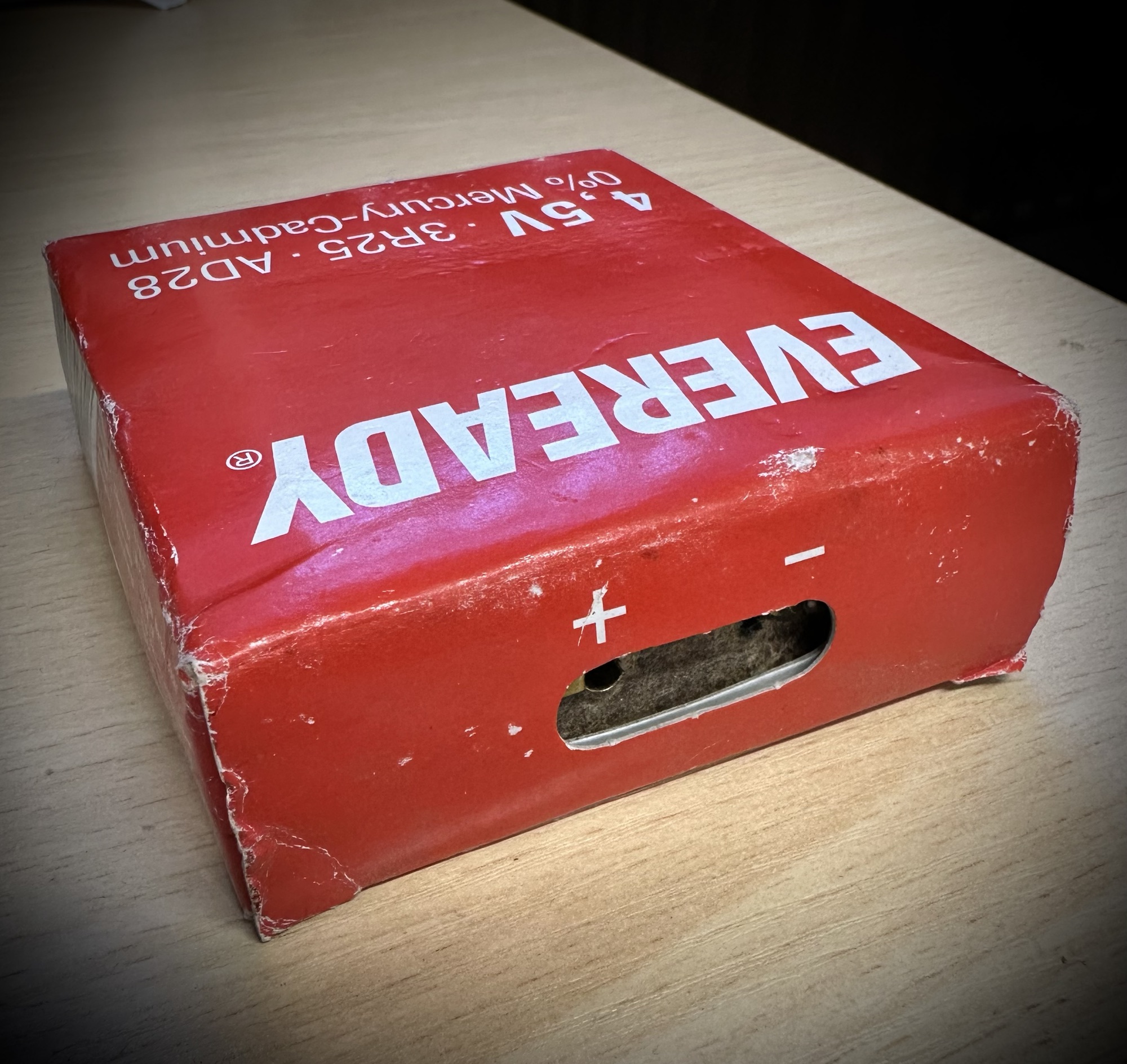
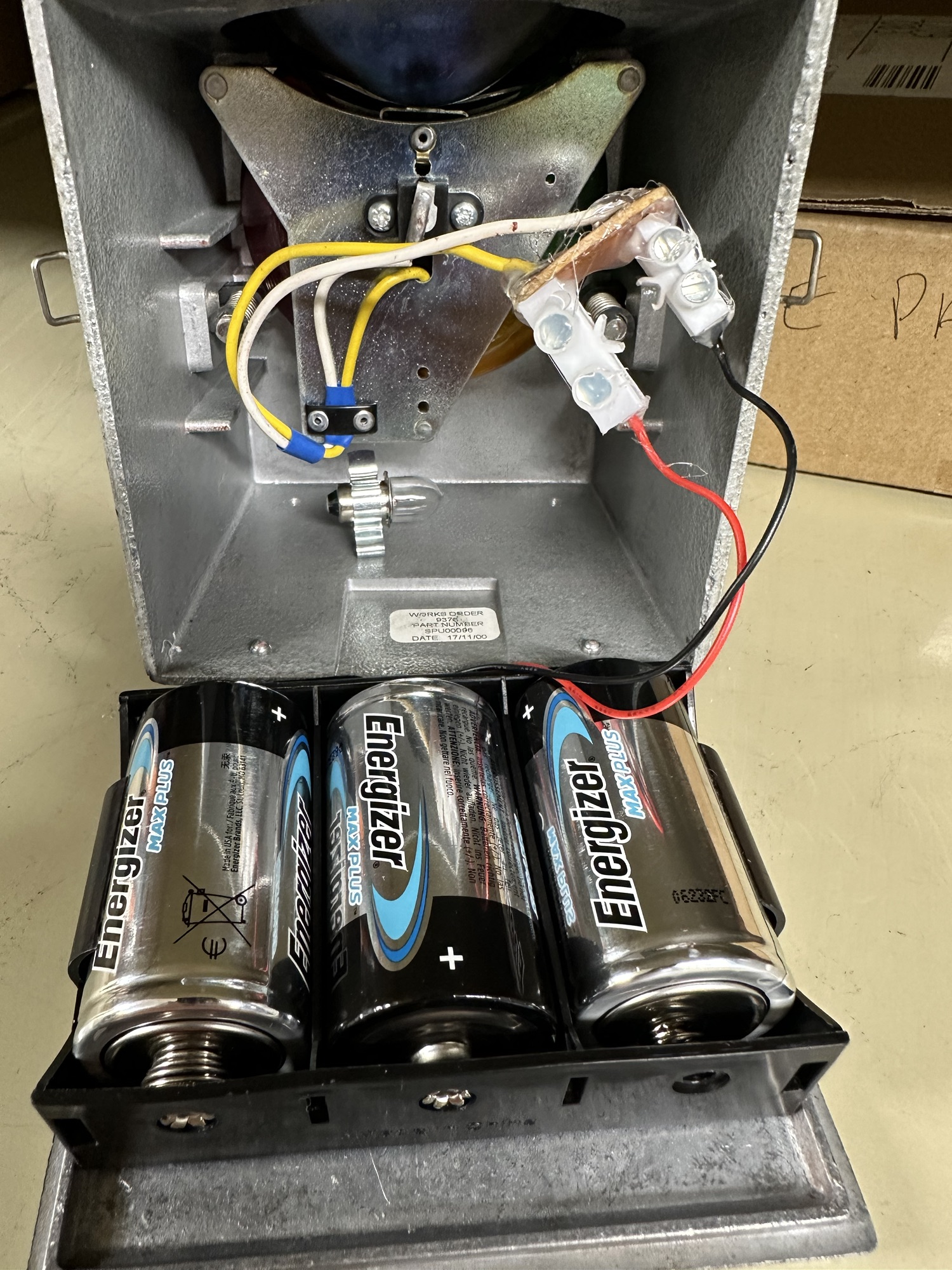
The fundamental issue with these lamps is that they use an old Mercury cadmium battery that accepts two pins that insert into the top of the cell. Even though these batteries used to be available for a reasonable amount of money, nowadays it is unethical to purchase these batteries due to their construction they have in theory been banned, so they are no longer manufactured. They can though still be purchased via the web at extremely inflated prices, however they can’t guarantee that they would still work – so you take your chances.

With this simple conversion we can extend the life of this unit and save it from being cast aside as waste. The conversion is very cheap, uses std “D” cell batteries and can be converted by anyone – even me. Kits to do this can be purchased for around £10 (GBP) on line, but this one should not cost more than £2 (GBP) even less if you have the parts as spares.

There are two ways of doing this conversion, the way the kit works is to use a couple of electrical “Choc bloc” adaptors to connect to the male pins of the AD28 connector (I’ve used that example on this page). The cheaper option is simply to have a 3 cell “D” type battery holder, cut the old AD28 connector off, solder the two wires together and use some heat shrink to cover the solder joints. Simple.

This really is a ten minute job that increases the lifespan by years.

The conversion is completed with the D cell battery holder being stuck to the base with some hot glue. I’ve also put some on the chocolate bloc connectors for some extra strength and protection from the damp.

We recycle these batteries at work with a company that we have connections with, I also take spent batteries to the local supermarket that also recycles. The old AD28 batteries go to a specialist company for recycling/disposal.

Pretty basic and I now have a constant supply of these coming into us from our locations throughout the East Midlands awaiting conversion. We now do the basic simple conversion with our own stock and I think we have the conversion cost down to about £1.80 GBP per unit. A very cost effective simple conversion that will keep a 50+ year old lamp going for a few more years.