Soon, I will
Post a report I have done of a repair on an old 1972 camera. But first I want to test it with some film that expired 22 years ago.
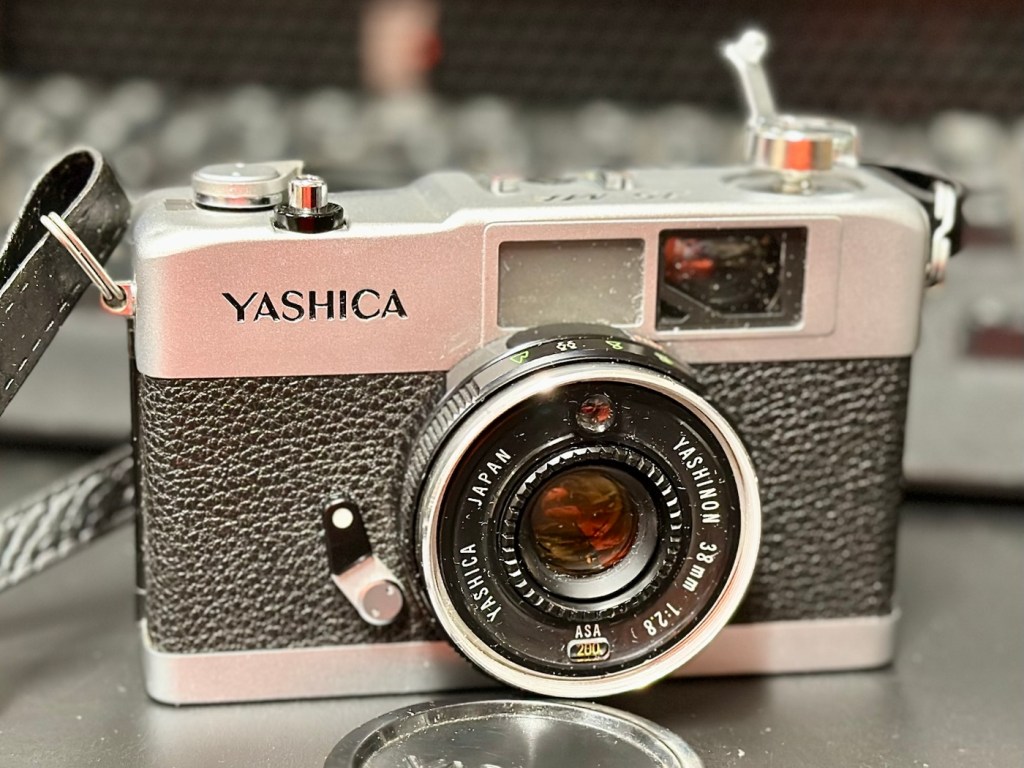
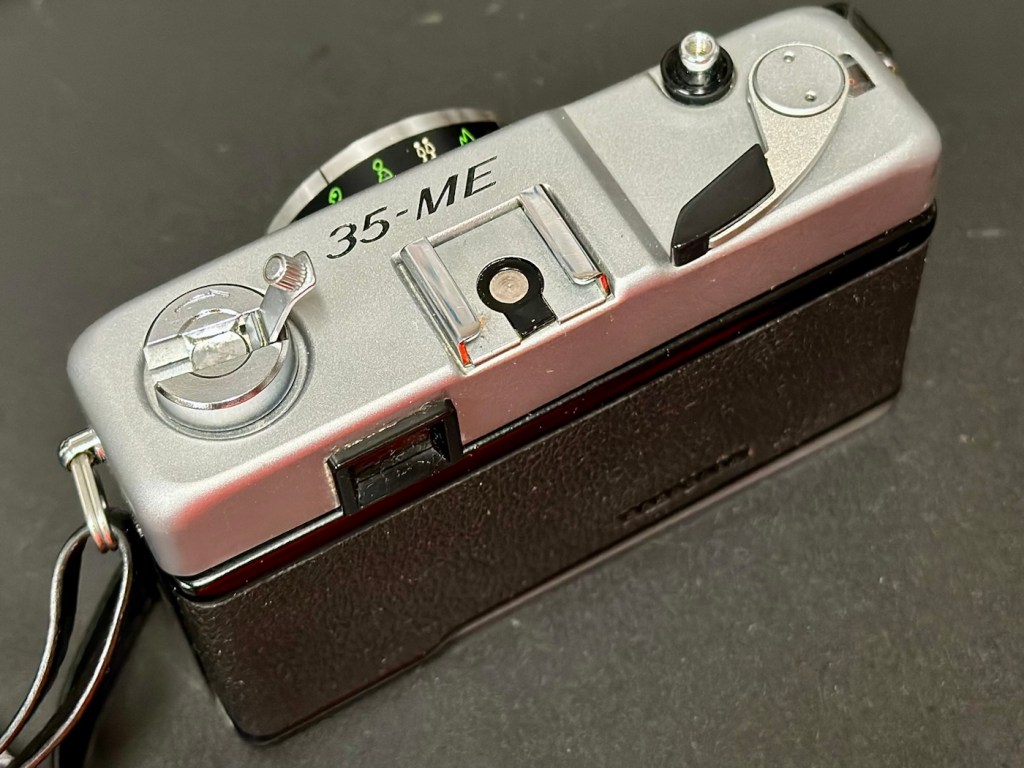
I recently purchased a 1972 Yashica 35ME. It’s an old point and shoot, from back in the day, similar in looks to an Olympus trip, but an Olympus trip it is not. A very basic 35mm camera, with a CdS light meter that was not working, it is now.
Yashica 35ME
I shall have a post out soon about the camera but the final testing involves running a roll of film through it to test. And all I currently have is a few rolls of old Kodak film that all expired about 22 years ago in 2004. You may recall this post I wrote regarding my last involvement with this film stock a few months ago –20yr old Kodak Gold
As a result of that test you will understand why I am over exposing this film by only 1 stop, even though I’m being told by “Professional dudes” it must be at least 2 stops. I understand their reasoning, but I’ve tested this batch previously and they haven’t, so i’m sticking to my guns on this one. If I’m wrong I’m wrong, but I will have learned. Let me do things my way ok?
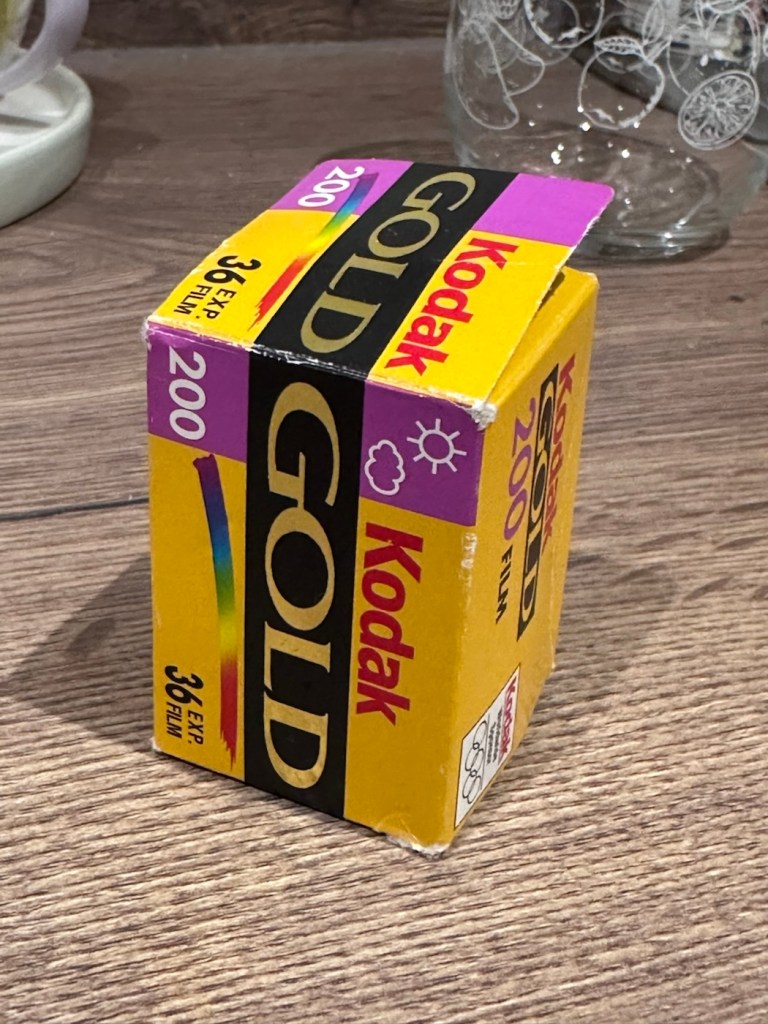
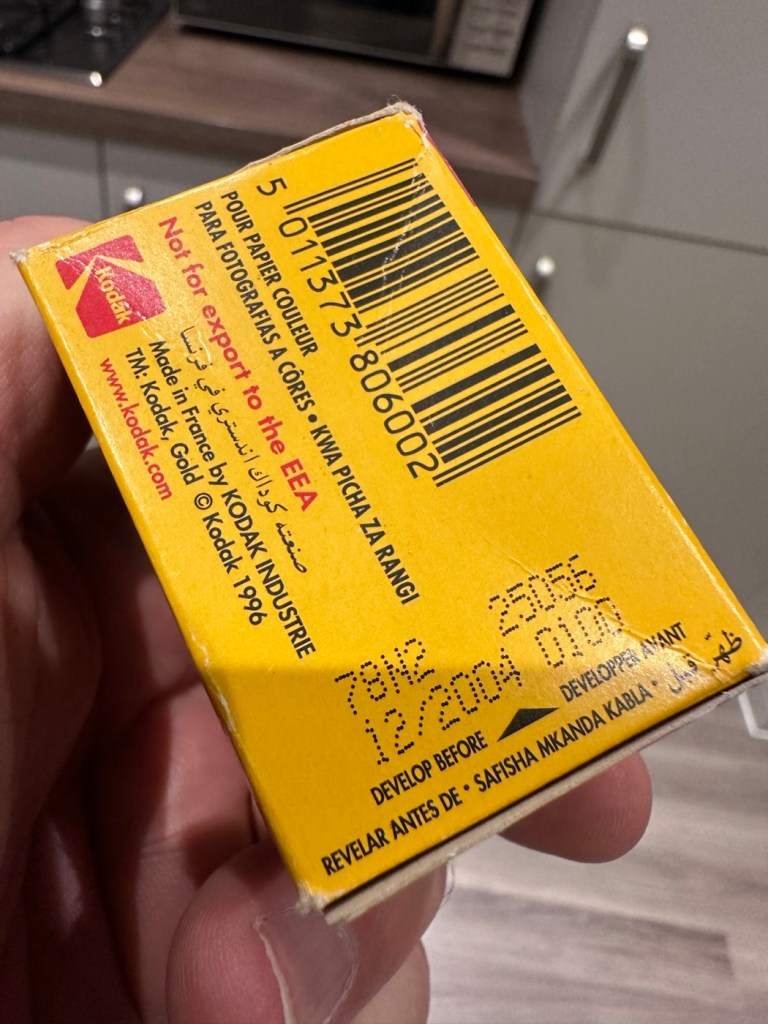
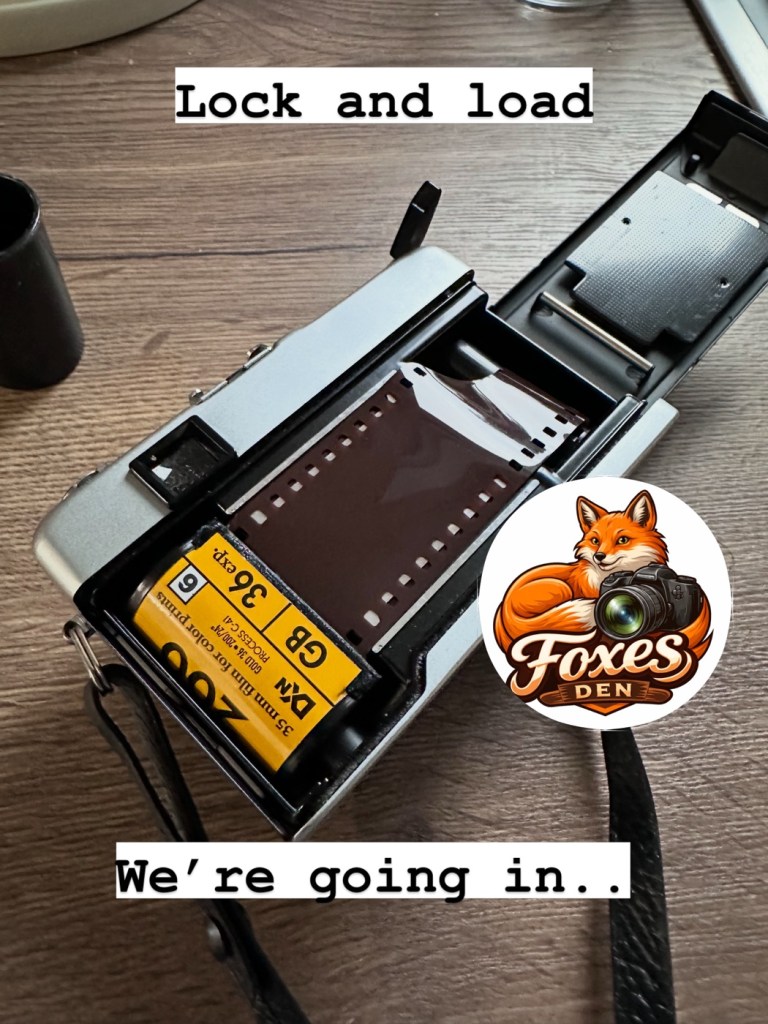
I’ve loaded up with Kodak Gold 200ASA that I will be overexposing at 100ASA, it expired in December 2004.
Old Gold…..literally
I’ve locked and loaded a roll into the camera today, but I’m just waiting for some good light. So I can get out and give the camera a real test taking random pictures, in various locations to give the camera a fair test.
Just awaiting some decent light.
I’ll post the repair on here shortly, hopefully with some pictures once the negatives have been processed and scanned.
But as we are waiting some nice conditions, and this is the East Midlands of the Uk, we could be waiting a little while yet.
The repair and photo results can be found here: Yashica 35 ME
Learnings from testing an old camera with expired film stock
Earlier in November 2025 i repaired a Canon Eos 10 camera from the 1990s and then took it out to test it with a roll of Kodak 400 asa film. You can find the repair here: Canon EOS 10
Canon EOS 10
The caveat is that the film expired in 2005, 20 years ago. As a result I have overexposed it at 200 asa to compensate for the deterioration in sensitivity from such a long storage period. It may work, it may not, previous tests on a 200 asa film showed that a one stop over exposure was quite sufficient. Fingers crossed 🤞 on this one.
I don’t expect anything much, I expect quite a bit of grain and a definite colour hue over the entire roll. Who knows there may be nothing on it at all 🤷♂️
I’ve sent the roll off to our local photo guys in Leicester : Classic Photo Supplies and hopefully something will be on the medium res scans that i have requested. If there are pictures below, then there was some success, if not, enjoy the blackness.
Well, the scans are back and to be quite honest this one is a bit of a disaster. As stated the film is over 20 years out of date and there appears to be two problems here. Underexposure is one issue, I over exposed this by one stop but I don’t even think that is enough. If I’d overexposed at 2 stops though I might have improved the brightness, the already heavy grain would have been even more exaggerated. I think it’s fair to say this 400 asa old film stock I have is passed its time and not really fit for use.
Look at the grain at plus one stop overexposure
Hello what’s that line?
Heavy grain and a magenta cast
That shutter sync problem
Slower speed, shutter ok
So. Though the results were not good and I have now realised that this old stock film is probably best for me to use as test film only. There is heavy grain, a distinct cast over the film and a quite obvious shutter curtains sync issue. These frames above a shutter speed of 500 seem to be the issue, and that is where the shutter speed has not synced the curtain, it’s definitely running slow. The film has been beneficial in identifying an issue in this part of the camera. I will now do a CLA on this camera shutter assembly to try to remedy this issue. I wasn’t using flash here, it was a dull cold English Sunday afternoon.
This is an old camera that has been sitting idle for many years, it may sort itself out after a few more rolls of film, however I can do something about it now. And this is really a lesson to be learned for anyone buying old film cameras, they do need that little bit of tender loving care to get them back into a good working condition.
I’m pleased I’ve highlighted this issue, I will get the work done to improve the shutter sync and then run another roll of film through it.
Maybe now is the time to buy a shutter speed optical tester. That may save me a bit of expense on processing costs and will also allow me to make these checks before committing to film.
How did the old film trial go? Come in and take a peek.
I posted earlier today Well, that was most enjoyable! Regarding popping out for a morning stroll and taking a 48 year old camera with me to shoot a roll of film that had expired 20 years since.
The camera
At 20 years old, the roll was an experiment where i exposed at normal settings, +1 stop overexposed and +2 stops overexposed. I obtained 39 exposures, always possible from a 36 exposure roll, I won’t bother you with them all, just 2 from each exposure range with a brief description. Don’t expect fine art here, it was a snap session to test a number of factors and to see how the film has deteriorated over time.
These pictures have not been retouched apart from having a frame put around them. They are as scanned, for authentic representation.
200ASA
The advertised, original roll ASA rating. Very low expectations and it didn’t disappoint.
Extremely underexposed
Again under exposure, and a brown hint
At 200ASA the shots were certainly under exposed. The pictures have a cast over them and after development there is a lot of curl on the emulsion (Age) and the base of the film also has a darker tone, creating that yellow brown cast.
100ASA (+1 stop overexposed)
The best two exposures represent the first overexposure of one stop from 200ASA to 100ASA.
Pretty nice overall exposure
Again nice exposure and highlights very prominent
At 100ASA everything seems quite acceptable. There is that hue over the film still, and highlights seem quite prominent. Grain is present but not too distracting.
50ASA (+2 stops overexposed)
If you work by the suggested standard of one stop of exposure for every 10 years then this should be the standard. However I’m not so sure.
Nice colour, highlight prominent and quite a bit of a yellow hue, would need adjustment post processing
Could have been taken in the late 70s or early 80s
So with the exposure at 50ASA we have now introduced quite a bit of grain, a yellow hue and quite prominent highlights. I’m sure all of these pictures would post process fine if run through photo shop or light room. But to be quite honest I love that retro look that they have.
For me i’d probably aim at the 100ASA +1 stop of overexposure on the remaining rolls I have, I believe that would be quite enough, however even the 50ASA option is not too bad though you would require a lot of post working and you’d have quite a noticeable size grain.
Horses for courses as they say, but I’m going down the +1 stop overexposure route for the next film.
I found a little local photo store here in Leicestershire called Classic photo supplies, who specialise in all film processing, supply, printing and Sundry items. The owner Brett invited me in and we just chatted classic photography whilst my film was developing. He’s a super guy, and I’m all for supporting small businesses, so this is my new go to lab. The scans were done and over to me by email within an hour, super quick service. I’ll pick the negatives up in the week when I drop off another film to be developed and scanned.
Thanks for passing by. As always I am honoured by your presence.
I’ve just purchased three of these cameras for a total of £24:98GBP. All non working of course but when healthy they normally command a price around £35:00GBP each. Here is what the listing said for each one:
Camera one:
Camera one
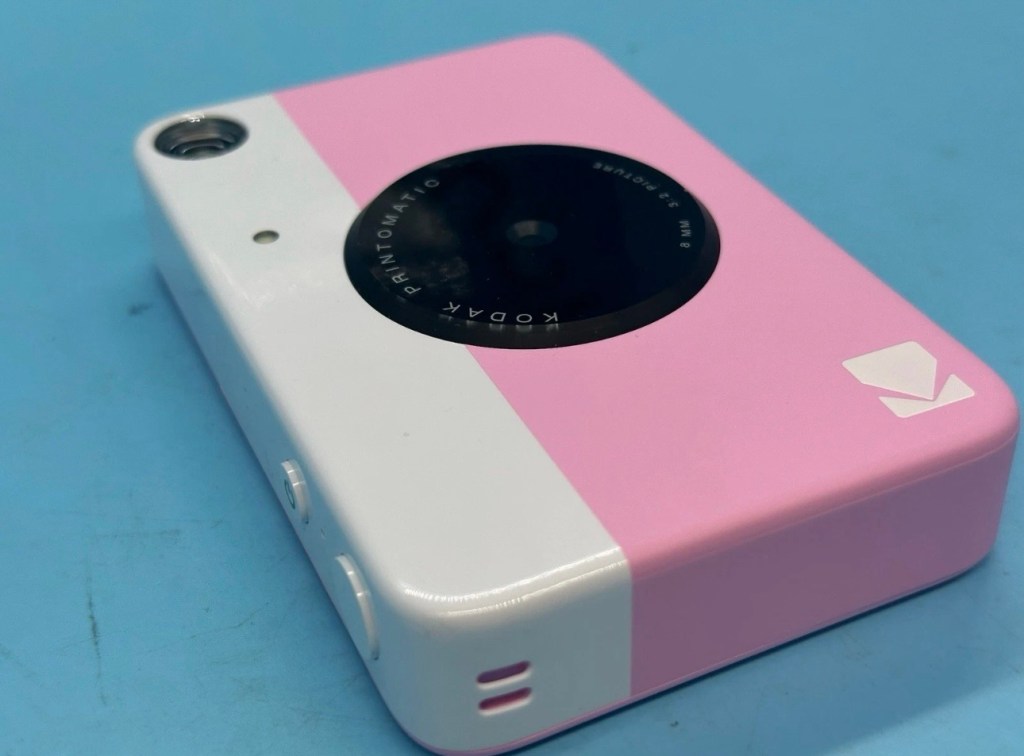
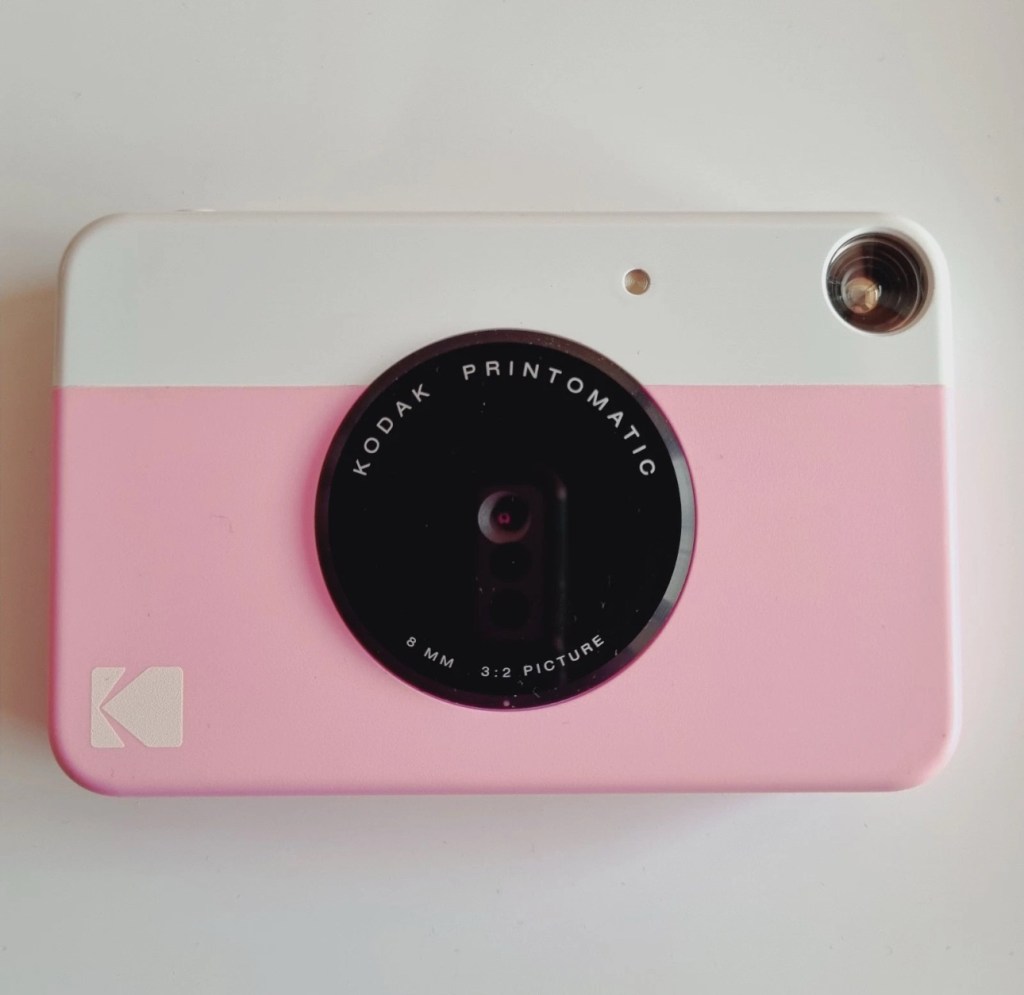
Kodak Printomatic Digital Instant Print Camera
Camera does not print
Can be repaired or used for parts
EBay
Camera two:
Camera two
Camera is in good cosmetic condition.
Camera doesn’t charge. Battery charging light flashes but it doesn’t hold battery.
It hasn’t been tested further.
EBay
Camera three:
Camera three
Please look at the photos carefully, as they make up the majority of the description.
It has two faults
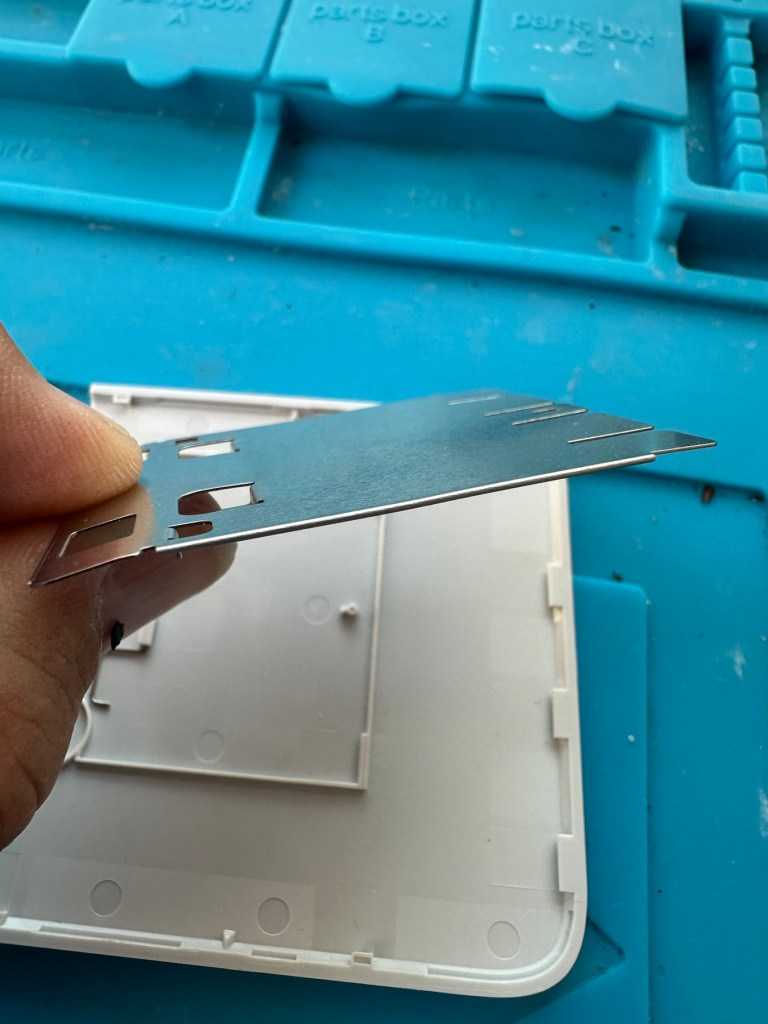
The springs on the back are broken, meaning the rear metal plate is bent , and it often doesn’t push photo paper through correctly.
The shutter button is also depressed.
EBay
This third one might be a longer term repair as I’ve never known a quick fix for a depressed button, that requires a psychiatrist… (That’s me just trying to be humorous, I’ll grab my coat and leave now 😂🤦♂️)
To be honest the issue with the third camera seems to be a regular problem based around the design of this camera. Too much pressure on the button normally results in the switch inside detaching from the main board, it’s poorly positioned at an angle and usually not soldered in place too well. The springs should be an easy fix.
I’ve brought these cameras from three different sellers. if I’m lucky I’ll be able to get all three up and running, worst case scenario is that I use one for spares and have two good working examples.
Anyway I’ll just have to wait for their arrival to assess them all, and decide what repairs are required. In the meantime here’s a little bit about these cameras that are again very similar to the Polaroid “Snap” camera range, that also use zink paper. And seeing what is quoted below, the Polaroid “Snap” and this Kodak Printomatic are in all aspects one and the same camera.
Well, since Kodak doesn’t really make its own consumer cameras anymore, the Printomatic is actually being produced by a company called C+A Global, which is just licensing the Kodak name and branding. C+A also licenses Polaroid, and was behind the two-year-old Snap. Both cameras were designed by Silicon Valley firm Ammunition Group, which confirmed to The Verge that the Printomatic is basically the same camera as the Snap, though simplified and rebadged. (The cherry on top of this corporate synergy sundae is that C+A also works with Zink.)
Released 2017
The PRINTOMATIC camera instantly and automatically prints high-quality, full color photos with point-and-shoot ease. It uses KODAK ZINK Photo Paper, so no ink cartridges or toners are needed. The photo prints are durable, water resistant, and adhesive backed for extra fun. The camera’s speed allows you to shoot a new photo while printing the previous shot. The KODAK PRINTOMATIC is fast, fun, and easy to use.
Features
5MP image sensor
Prints automatically when image is captured
Vibrant 2″ x 3″ photo prints are durable, water resistant, and adhesive backed
Built-in flash
Optical viewfinder
microSD™ card slot
Kodak Ltd & The Verge
The reviews all vary, from very good to downright diabolical, I’m not really surprised since Kodak “Hoared” out its brand name to the lowest bidder many years ago. Am I bitter? A little, as I used to work for Kodak in the days when they were a world leader, the mistakes they made, the decisions and leadership were absolutely awful. And the fact that their demise has lowered my pension pot by about 40% due to their financial mismanagement is another axe that I regularly grind. Yes I am bitter, and since I’ve recently repaired and reviewed their competitors cameras I thought I’d give these a try. Will I be impressed or disappointed? Who knows but I do have an inkling on which way this may swing. But for what I’ve paid for three cameras I’m not really that fussed, it’s just pocket money.
Assessment:
Camera one:
Apparently doesn’t print. Well I’ve put a couple of sheets of Zink paper inside and two pictures were produced. The sd card slot is fine, the charging port is in good condition. Transport is working perfectly. It certainly does print. Just needs a bit of a clean. To be totally honest there is nothing wrong with this camera and for an outlay of £8:00GBP in total I have a working bargain. Kerching – a rare EBay win.
Printer works, camera works
Charges fine Looking nice after a light clean – no marking
Nothing more to do on this one. So on to camera two.
Camera two:
It’s a bit grubby cosmetically but nothing that a light clean wouldn’t sort. This particular one cost £8:99GBP all in. It was dead on arrival so I’ve checked that the charging port was ok, and then put it straight on charge.
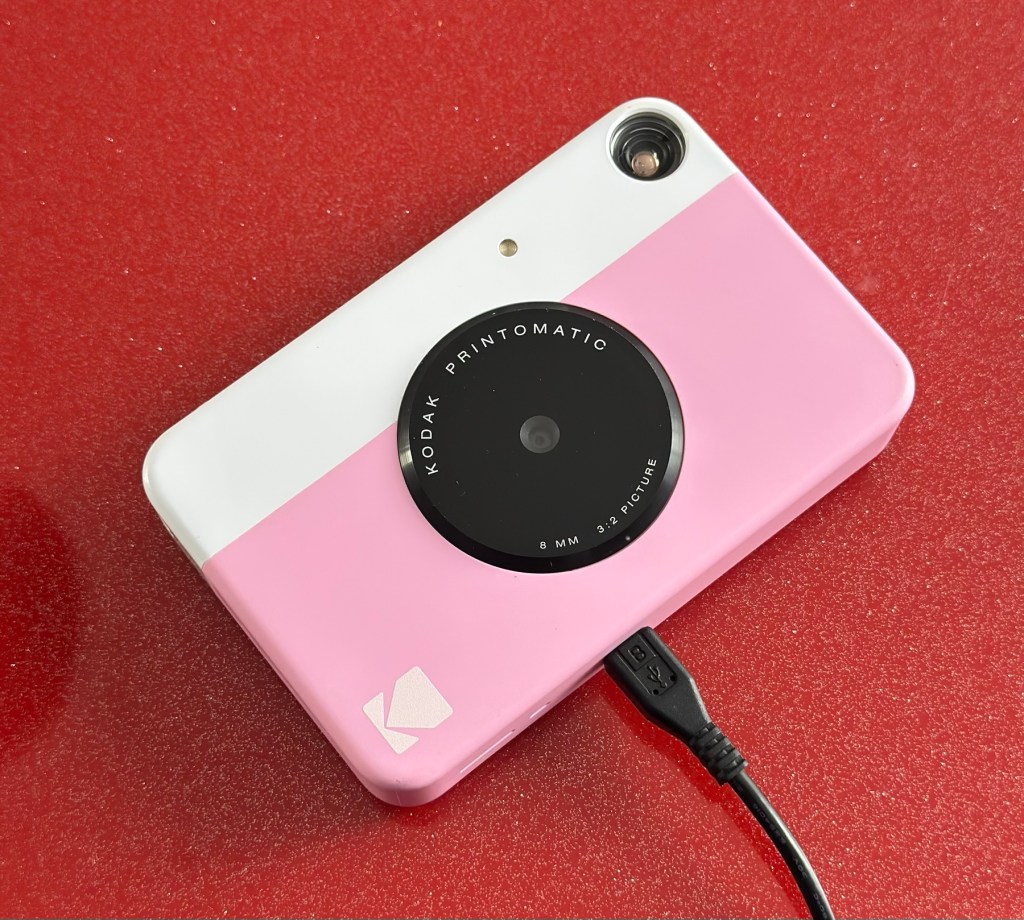
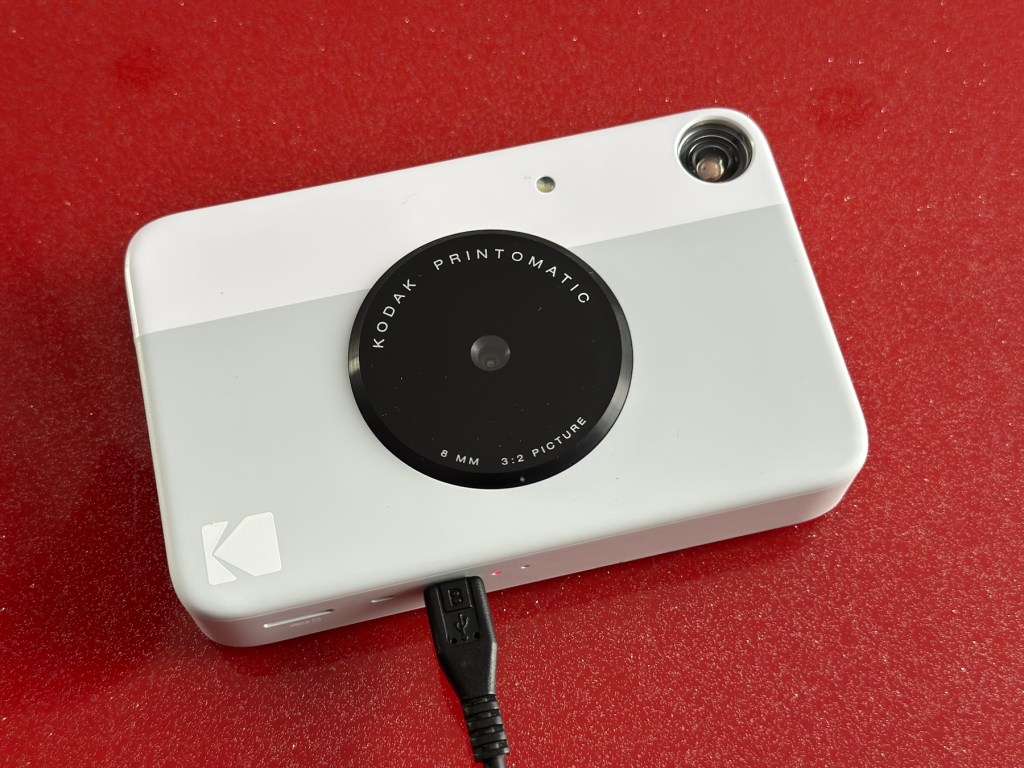
On charge
I’ve also given it a light clean whilst charging and the overall appearance has greatly improved. I must just be patient and wait and see if the unit does take a charge, or the original fault appears.
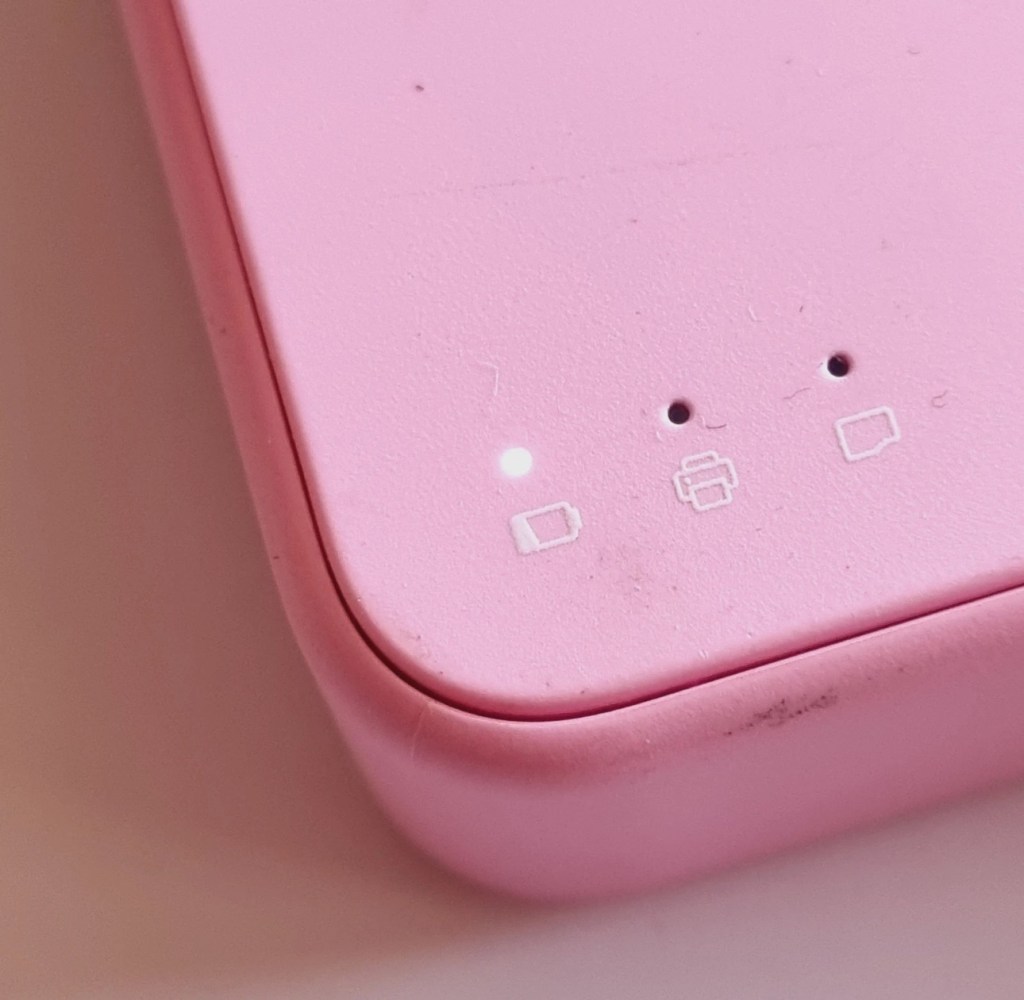
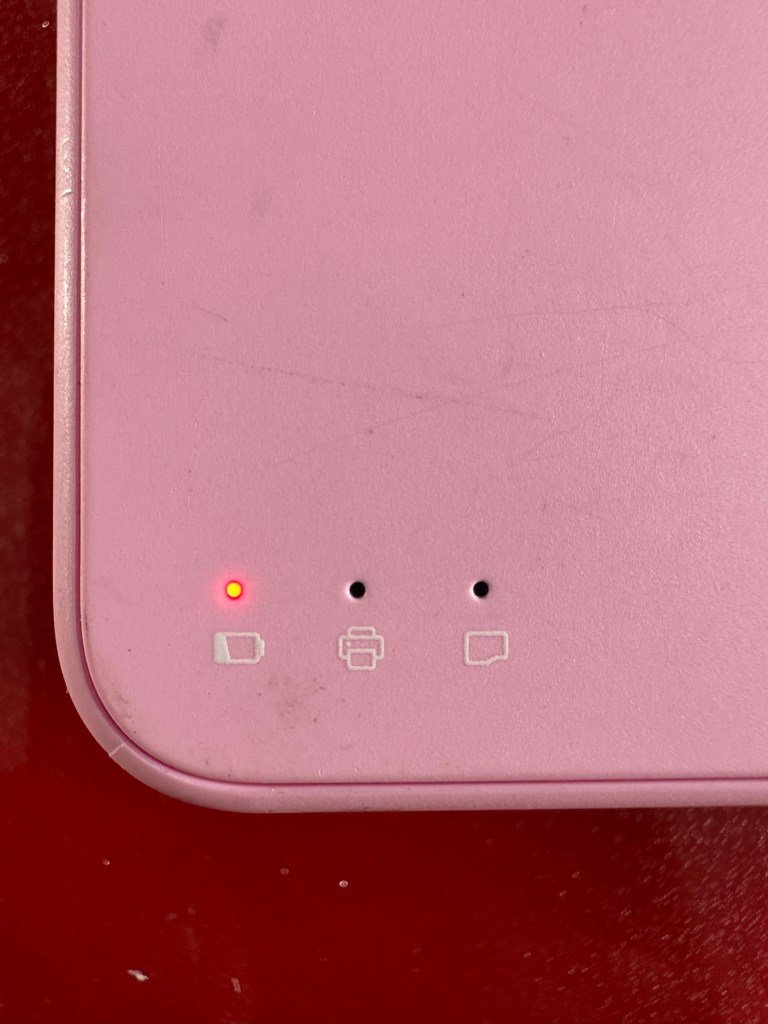
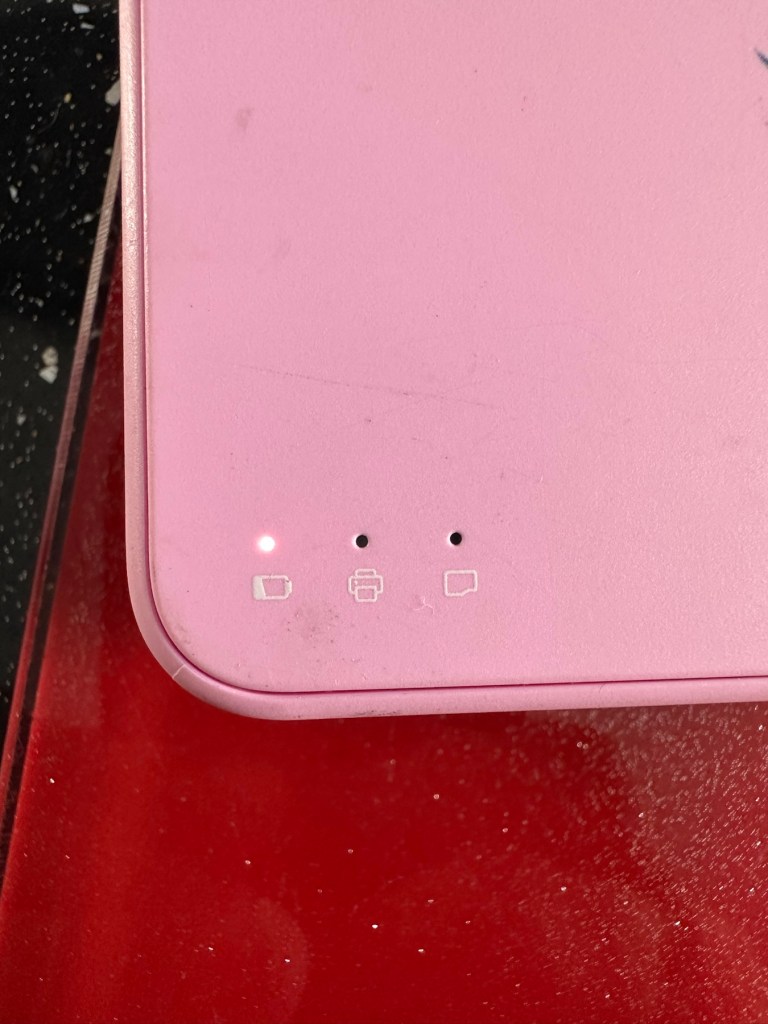
Initial red indicationNow a rapid flashing white indication
Whilst on charge the originally mentioned fault appears. The charging light was showing a steady red, it is now a rapidly flashing white light with the occasional steady red indication for all of a few seconds and then it’s back to the rapid white indication and it then all repeats. I’ll leave it for a while to see if there is an improvement, the battery just might be so dead that the inbuilt battery management system may just well be refusing to cooperate.the on/off button on the front doesn’t work as well, this might be also related to the battery issue.
Camera three:
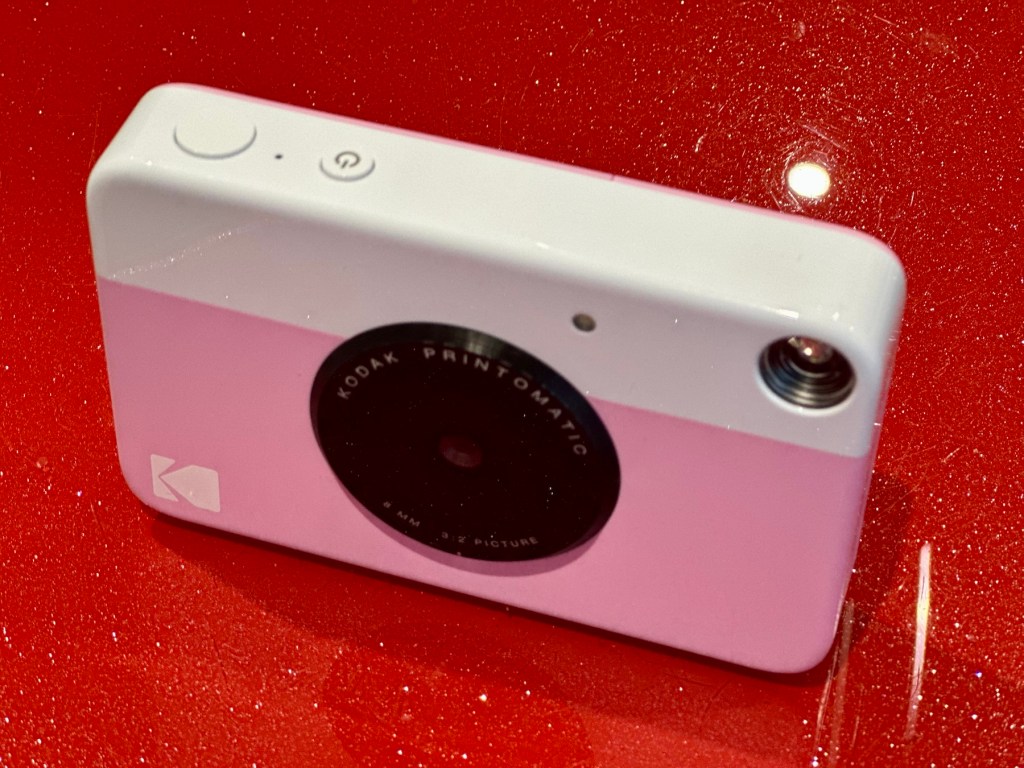
Looking very nice and cosmetically very clean.
Nice camera
This one cost £7:99GBP all in. This one is reported to have two issues, a damaged paper pressure pad and a button stuck in the depressed position.
Paper pressure pad is bent and missing two springs Exposure button stuck in, white light flashing as a result
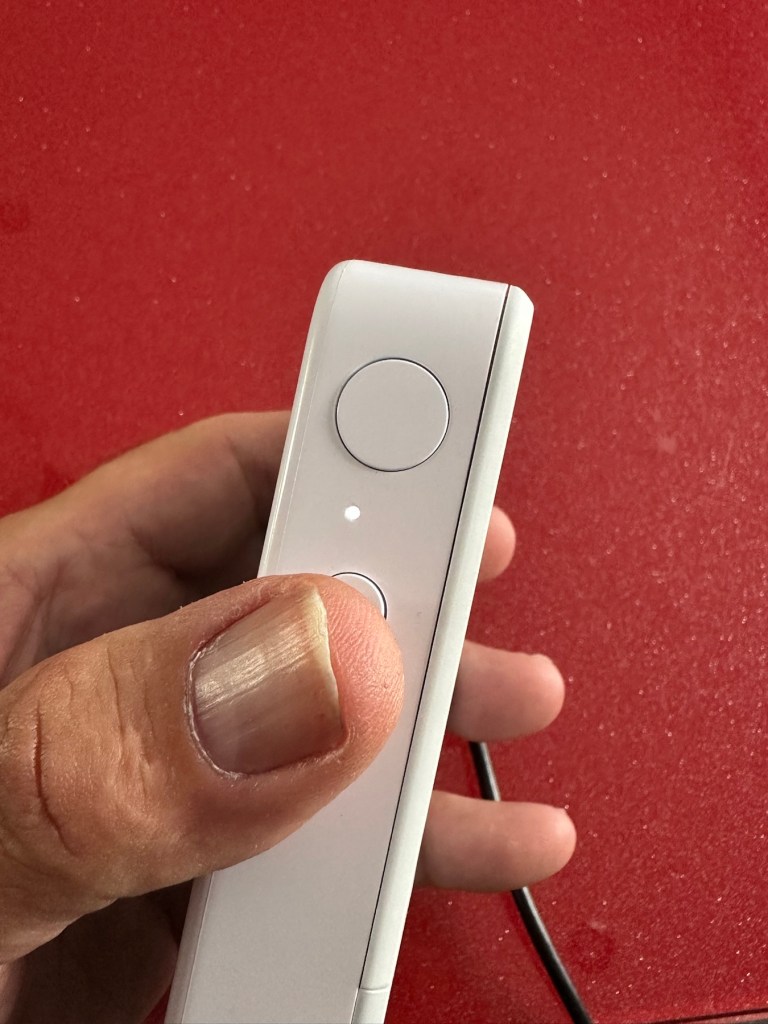
But first I’ve put it on charge to see that it charges, I’m pleased to report that everything is alright in that aspect, and I’m pleased to say it charged fully with the correct lights illuminated. The white light on the top by the exposure button is flashing as a result of the button being stuck in the depressed position, I believe.
Camera has charged fine
This one will need the paper pressure pad repairing as well as the button that is stuck in the depressed position.
Repair:
Camera one:
See above. No repair required. Just a light clean and some TLC. Why did they sell it as damaged? Who knows just what goes on, in the mind of an EBay seller.
Camera two:
This will need to be opened to get near the battery. We may well be able to get the battery to accept a small charge and this may be just enough to fool the battery management system in the camera to take over and continue charging.
Cover off and the confusing lights
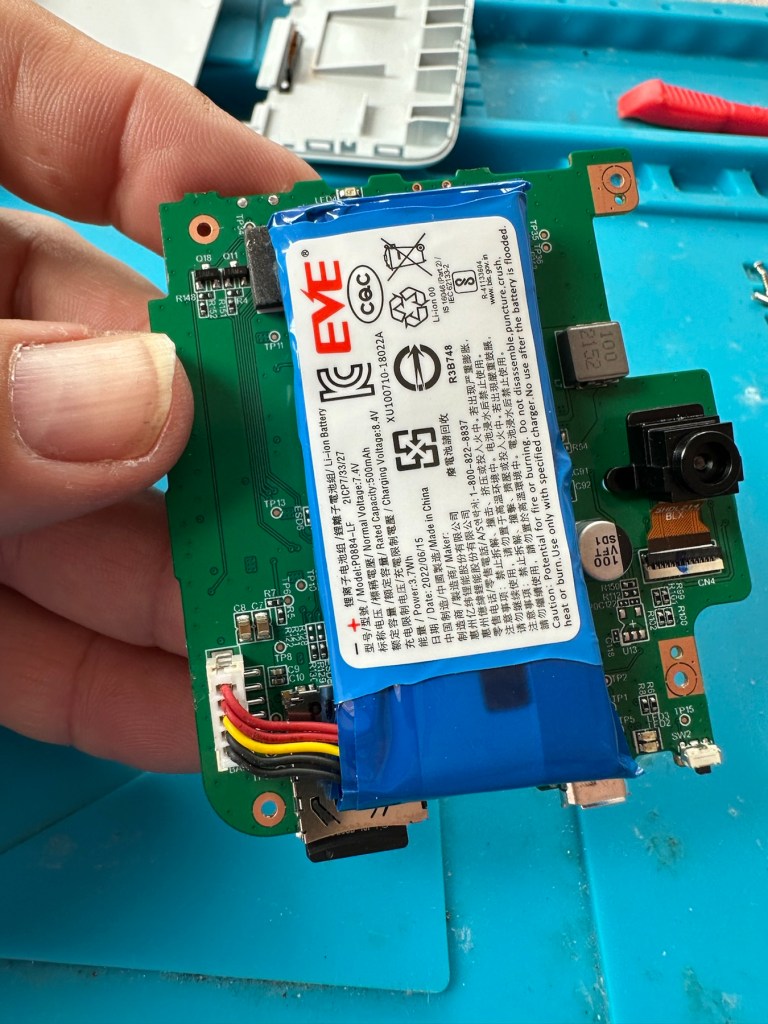
Cover off I’ve checked the battery readings and it’s reading a healthy 6.5v and as it’s a 7.5v rated battery I believe this to be healthy, it holds a steady charge the battery is fine. Looking at the led lights they are capable of two indications, red or white and that’s it. I believe the charging light flashes when it’s charged as it cannot possibly show a green light as there isn’t one. This is confusing as normally a flashing white/red light normally indicates that the battery needs charging. Everything that is happening goes against what the producer has published regarding the led indications. But I am convinced the battery is good despite it not turning on. Hold on, I think I’ve found out the problem here…..
Cable disconnectedCable now connected On off button ribbon connector was not in place
It appears that someone has been here before me or that the on/off button ribbon connector has disconnected itself over time. Either way it’s not where it should be. I’ve put the connector back in place and secured it. I now have power and control of the camera.
All lights working, transport whirring away let’s put some paper in to give it a try.
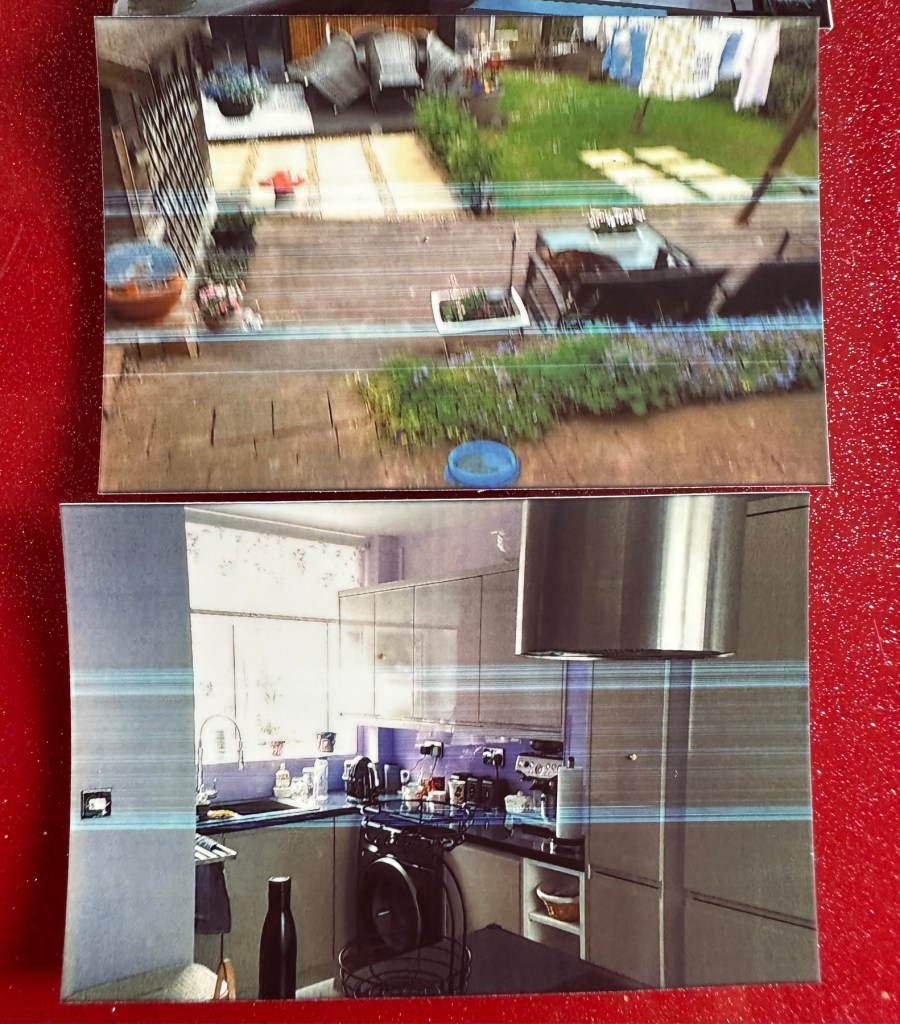
PrintingDirty print roller
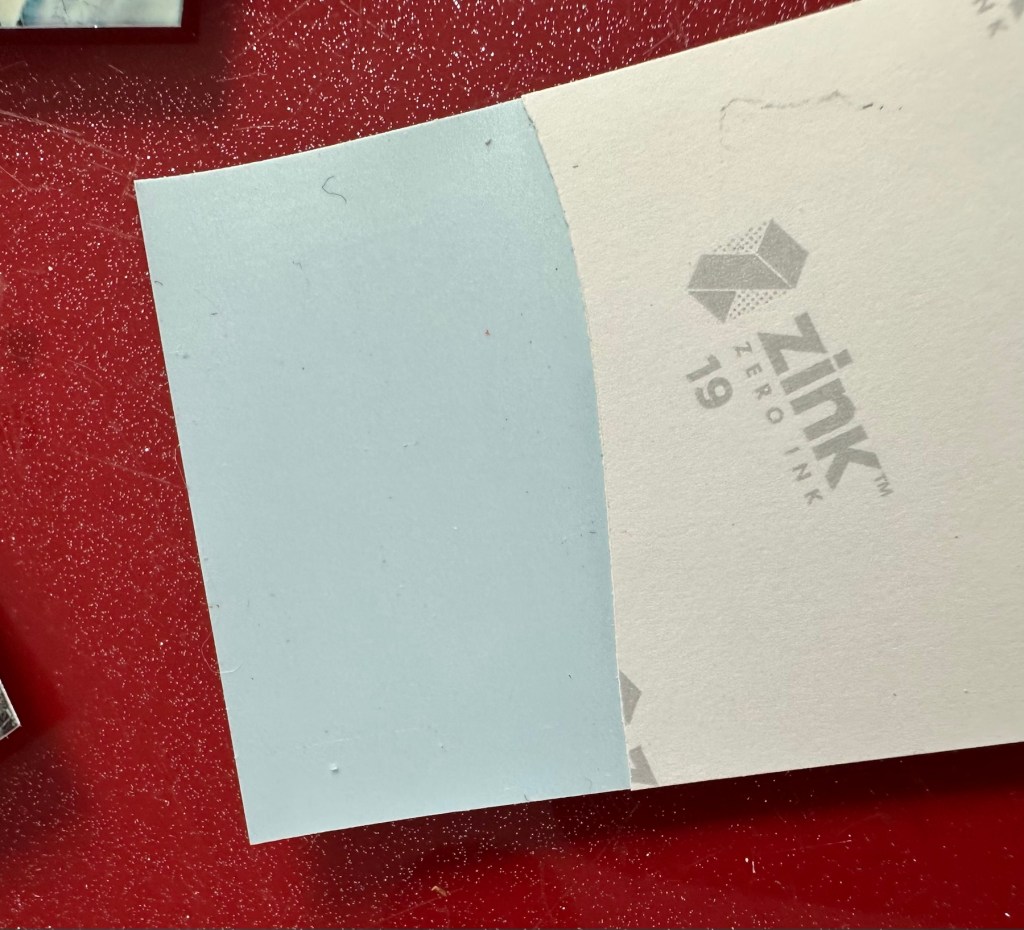
Well it prints ok, all pictures appear to have a “blue tint” to them, however there are big tramlines across the print as you can see, this indicates a dirty roller. What I’m going to do here is peel half the backing of a sheet of Zink paper as the back is adhesive allowing you to stick photos on whatever takes your fancy. By running a half sheet of exposed adhesive, upside down through the camera with the adhesive being the trailing edge, it should allow any debris and dirt to be collected on its way through. I will do this three or four times and even though I will no doubt get error lights appear I can just reset the camera with no further issues.
Zink adhesive exposed
And that worked. The tramlines have gone.
Tramlines on bottom left picture as a reference. All other pictures now clear.
I’ve also tried the black and white mode as you can see above. I’m very confident, in fact I am positive this camera is now working as it should. I have also put an sd card in the base and all pictures are being recorded as expected. A quick clean and we now have a perfectly good working example of this camera. Let’s move on to camera three.
Camera three:
We have to open up the camera to get to the issue with the button.
The paper pressure pad needs to be dismantled, straightened up and two compatible springs need to be found to keep the required pressure in place on the paper pad. I’ve dismantled the pressure pad and straightened it out, just needs a couple of springs to complete, I’ll sort these out later.
Bent upStraightened out Back in place just awaiting new springs
On opening the camera it was as clear as day that the depressed button was as I first thought, the three solder points below it had come loose, no longer making contact.
The working switchThe faulty switch that looks like it’s smiling
It’s plain to see in the pictures above that the button that is damaged has all three points of contact broken. these need re soldering to strengthen them. You can see this issue in the microscope pictures I took below.
Top: Before, Bottom: after
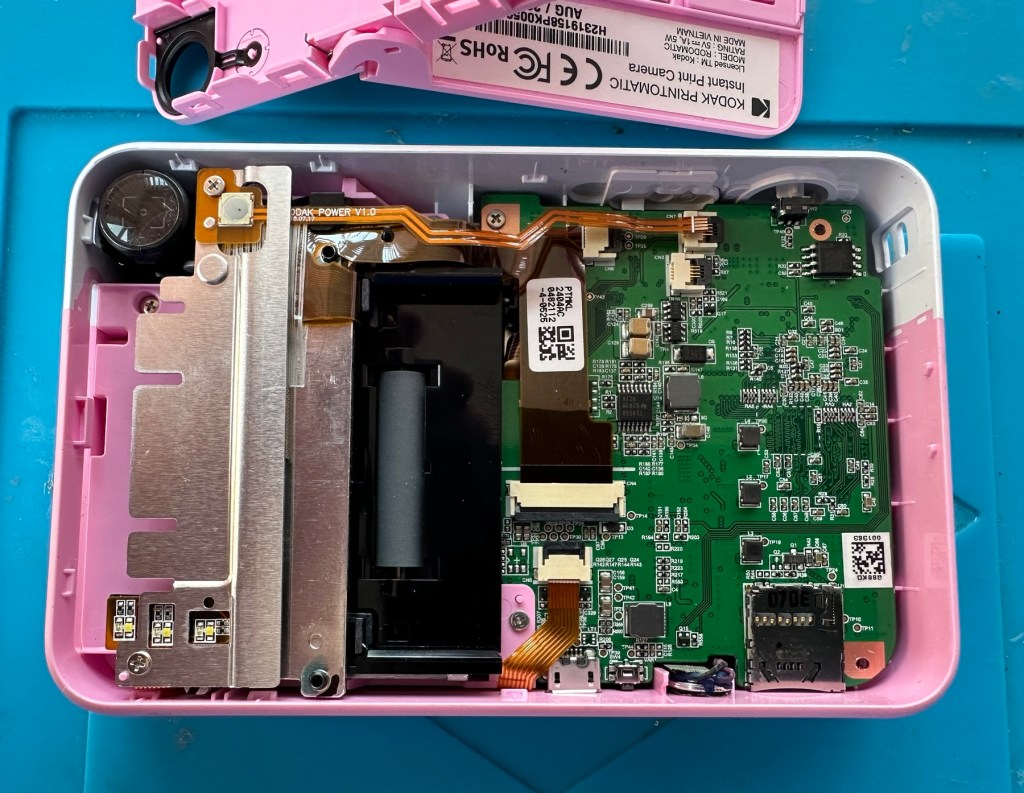
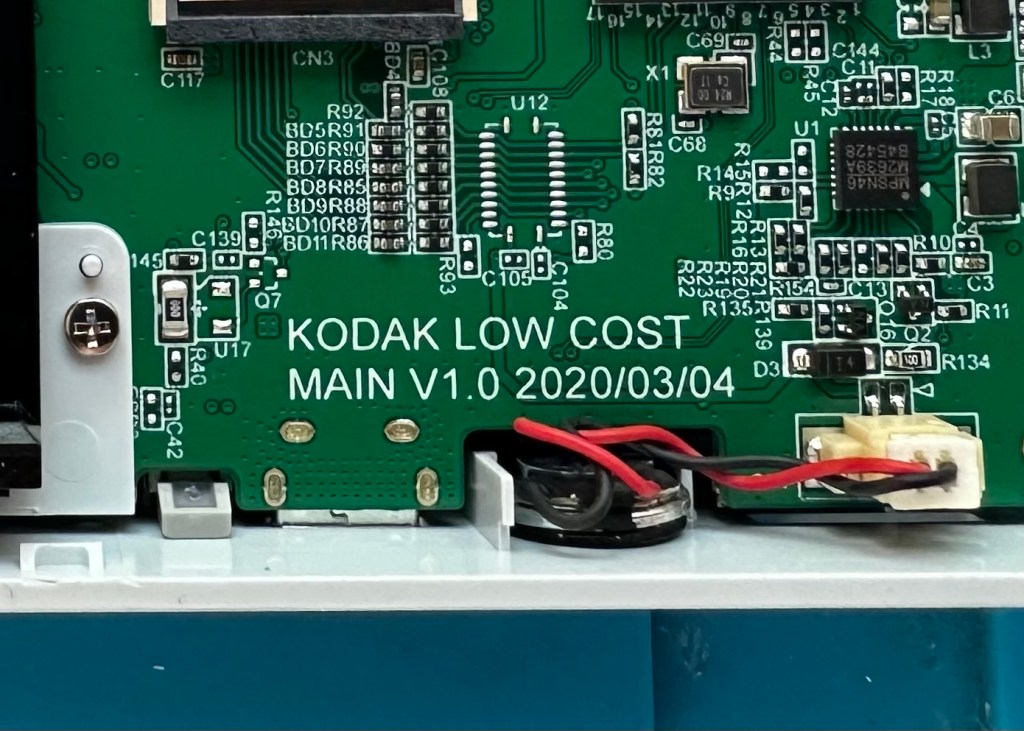
The switch has been tested and it clicks and operates as expected, this is a known weak point with these cameras and a design fault as well, although the manufacturer would probably deny this. It’s a given fact that the manufacturer wants to sell as many as these units cheaply to the throw away consumer, you only have to look at the main board below to see this…
Says it all really….
It really saddens me to see the levels the Kodak name has sunk to, these units are just replicas of the Polaroid touch/snap range, but even at this stage in the repair the Polaroid versions are far superior. Quality control and the cheap design of these Kodak units is borderline awful.
This unit is proving to be a right pain in the ass. The original fault with the exposure button has been repaired and the paper pressure pad is all but repaired, but it seems that being hidden by these two faults is a totally different issue. I have had this camera completely dismantled and have also separated the printer from the motherboard, but this issue of the permanently flashing white light still exists, so the fault is definitely only being carried on the motherboard.
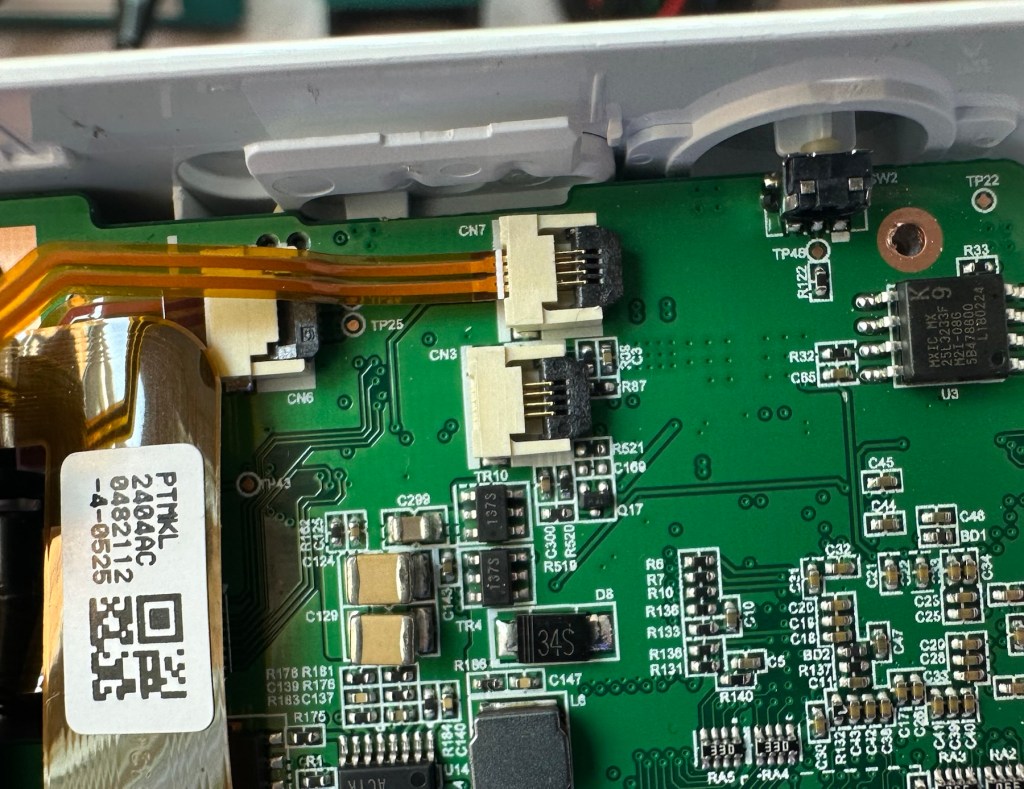
Motherboard under microscope Lens ribbon cable insecureMotherboard separated from printer unit
I’ve checked the motherboard thoroughly using my microscope and there is nothing glaringly obvious at fault. I have checked for shorts on the board of which there are none. The only issue I found was that the lens ribbon cable was sitting off centre, however I corrected this but the flashing light issue still remains.
There are two faults that are connected with this flashing white light. One is that the light occurs whilst printing, this is not the case with this unit as it even occurs as stated with the printer disconnected. The other possibility is that it flashes when doing a firmware update, I have attempted to update with the latest firmware and the only difference is that I cannot turn the lights or camera off at all, I have to crash it by removing the battery.
It’s looking as if this could be the issue. The previous owner has probably bricked the unit by interrupting a firmware update and it has corrupted the system. I’m going to have one more attempt at updating the camera with a clean unused sd card to see if there is any possibility of recovery. If this cannot be done then this unit will become a spares unit that to be honest I’d rather not have as I don’t really want to purchase any more of these cameras. But you never know, someone may want one repairing.
Result:
Well in the wise old words of Meatloaf, I guess “Two out of three ain’t bad”. The grey one is bricked, as after numerous attempts of updating the firmware it just isn’t having it. It is just a brick. However there are numerous spare parts that can be used including a good battery, lens mechanism and a number of other pieces. I just didn’t want that though as i don’t really see myself going out of the way to obtain another one, they are as cheap and nasty as you could possibly find. The Polaroid versions are of a far better quality in my opinion, and they are hardly high class.
2 out of 3 ain’t bad
The positive here is that 3 cameras, quite obviously built for the throwaway generation have been saved from landfill and can be used again. What I’m going to do with the two I have is probably put them both back on to eBay to recover my out goings. If not, I will pass them onto our local hospice to sell on.
Been an interesting fix, but I’m not venturing back to these Kodak models anytime soon.
This picture was painted on an iPad. I did this one back in 2012, I’d just received notification that my pension pot with Kodak had almost halved due to them declaring bankruptcy and moving production back to the USA. Sod everyone else who worked for them worldwide.
We lost out big time and that’s why I had a rant in this obscure painting I did at the time.
I read this post from Hackaday. I thought you might like it, as it rang true to me because i was working for Kodak at the time of its inception. I was producing graphics art film at their factory in Harrow just outside of London. In my eyes the company went downhill from this point, as they became totally engrossed in the dying traditional silver halide process and totally ignored the advance to digital that floored them in in the late 90s early 2000s – I was made redundant as a result of their “ignorance”.
Having a penchant for cheap second-hand cameras can lead to all manner of interesting equipment. You never know what the next second-hand store will …
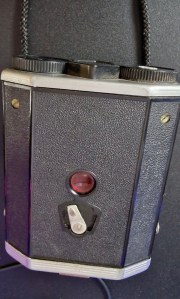
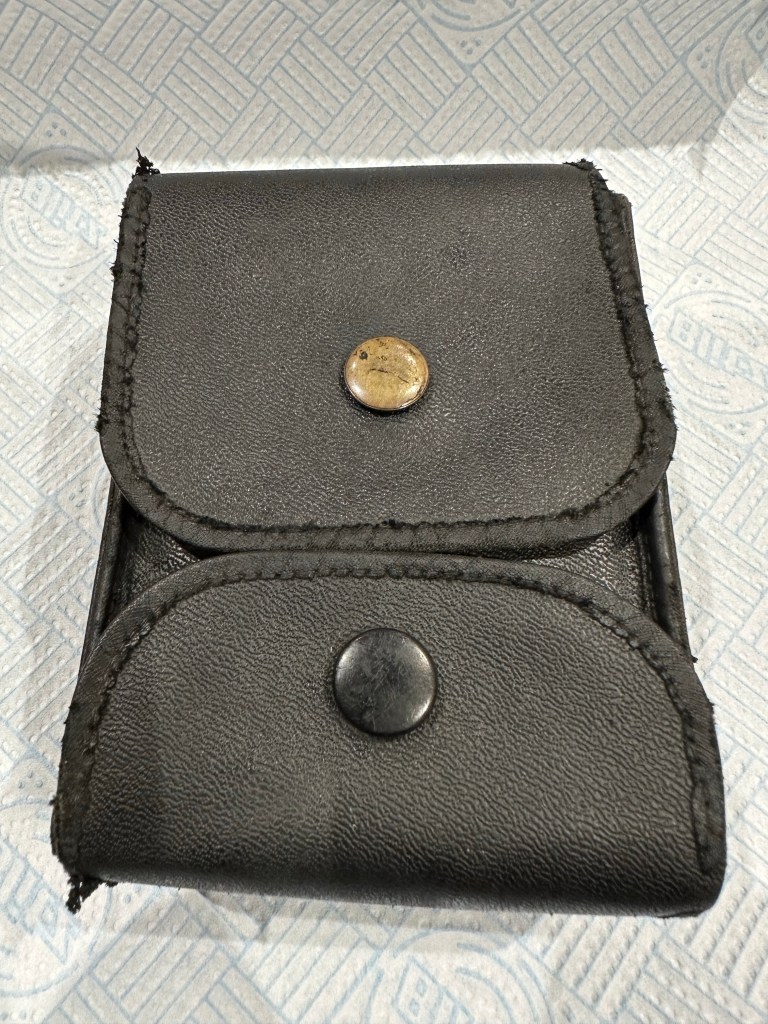
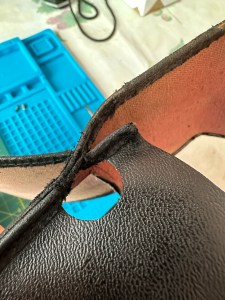
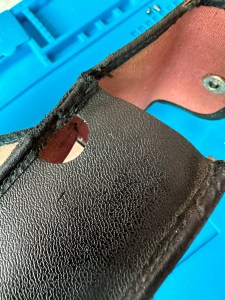
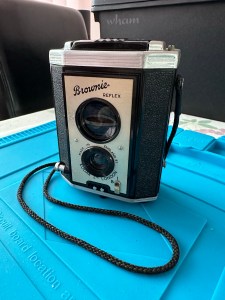
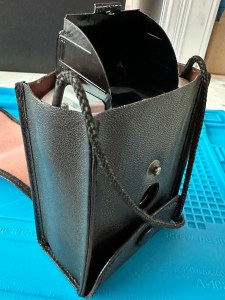
A cracking little example of a unit that was in production between 1946-60. The leather pouch is showing signs of age and wear and tear, it has a small split and needs sewing, seeing it’s age this is to only be expected. I shall attempt to clean the cloth with a light detergent solution to remove the dirt and will then treat the leather to make it supple again, the buttons can be retouched with some black paint.
The unit itself just needs a clean inside and out, the hood needs a repaint, the mechanism seems to be good and both exposure settings are operating as they should. The exposure setting switch as well as the two synchro pins show signs of corrosion, I may need to buff these up or again source replacement parts. I may need to source a new strap. On close inspection it seems the mirror is damaged, looks like water damage on the underside but I won’t really know until I get it all dismantled.
Brownie reflex dismantled
Well today I have taken the unit apart, I’m really surprised just how clean the unit is inside after all these years, however there are a few issues. The hood is rusty and restricted in its movement, I have fixed this issue by smoothing out a few small bumps and freeing the spring mechanism with some camera oil, it works well now (see video below) however I still need to rub down and repaint. The lenses have been cleaned, the viewing prism has been cleaned and I am happy with these, the shutter works well so I won’t be touching this.
Brownie reflex mirror damage
The mirror that I mentioned earlier in this piece is not water damaged as first thought, it looks as if the original glue used to fix the mirror has damaged the backing hence the mark you can also see in the video.
Lens hood working and damaged mirror
To repair this I will be using a very thin piece of acrylic mirror that I will cut to size, I’ll show you how I have done this later in the report. The case is to be cleaned and a stitch repair is needed, some small touch ups are required but in general there is not an immense amount to do to get it back to how it used to look.
Lens hood: The lens hood is opened to look into the lens. It was quite pitted, rusted and chipped so I have buffed it down, cleaned it and repainted it. I’m pleased to say it’s a good finish and I’m pleased with it. Job done 👍
Lens hood before and after
Neck strap: this is the original strap or should I say cord. Severely frayed both ends this needed repair, one of the easier tasks to do. I’ve cut the ends off losing about 10cms of cord, the crimps are unusable however the two crimps where the screws attach to the body were salvageable and I rewound the cord back around these and secured this with a pair of pliers.
Cable neck strap pre fixing
Next I sewed the two pieces of cord together to make up for the loss of the original crimps, I then used two lengths of heat shrink tubing to further secure the cord and screw crimps.
Cord sewn, and then heat sealed
I think you’ll agree, nice simple repair, sympathetic to the original and will last a few years longer. Job done 👍
Camera case: in layman’s terms the word knackered should be used. As old as it is, it was quite dirty and the leather was tired and brittle. I’ve only used the suds off of hot water and tablet soap to clean the exterior and interior and this will do as it’s quite delicate anyway. If it doesn’t survive this treatment then I will dismantle the case and use it elsewhere. However the clean up was successful, I’ve now given it some treatment to moisturise it as such and it now looks completely renewed.
Before and after case cleanup
I will leave this overnight for the treatment to be absorbed I’ll then give the case a light buff up.
Leather repair complete. Leather stitching not my favourite pastime
Apart from a couple of stitches that needed putting in I’m happy with the case and will not attempt anything else with it. Job done👍
Mirror: Today the very thin acrylic mirror sheet arrived so I could cut out the new mirror I required to replace the damaged one. It’s exceptionally thin and I have glued it to the original mirror to cover the imperfection. I didn’t fancy seven years bad luck for damaging the mirror whilst trying to remove it.
Before and after mirror replacement
I was really pleased with the outcome here. This is a photo of the view through the new mirror
New mirror viewed through top of camera
I’ve cleaned the lenses as best as I can however the years have left them slightly pitted, no concerns with this though as the viewer is separate from the actual capture lens.
With this I am satisfied the camera has been sympathetically restored, it’s been reassembled packaged in an airtight bag with a silica desiccant sachet and put back into my personal collection
The completed project.
Time to put this little project to bed now. I’ve really enjoyed this one and I think these little old cameras will become my go to’s of the future. I’ve learned a lot and have learnt well from my mistakes along the way. Time to look for the next subject. So, for the last time on this project I get to say…..
































 Foxes Den
You must be logged in to post a comment.