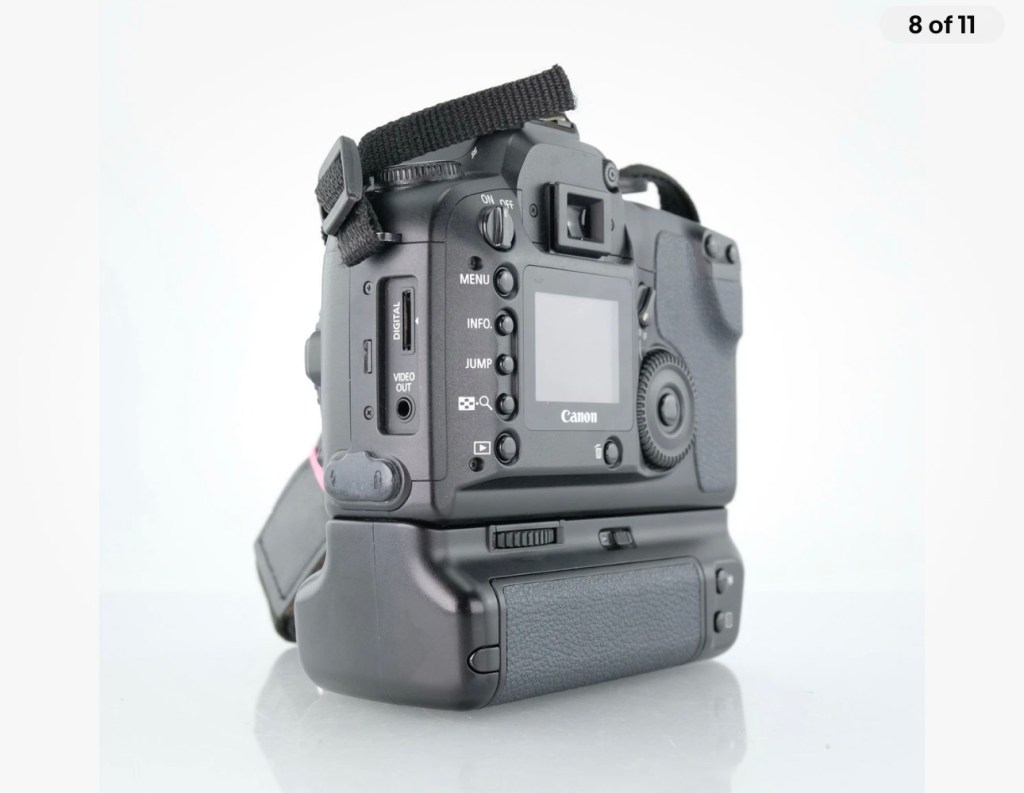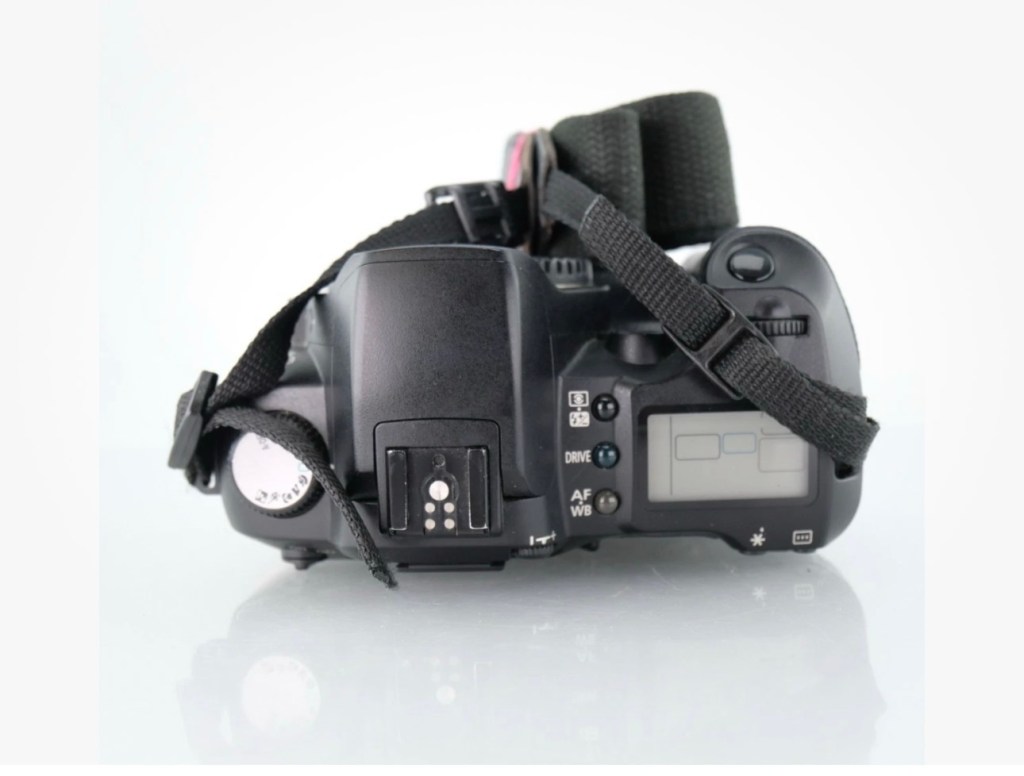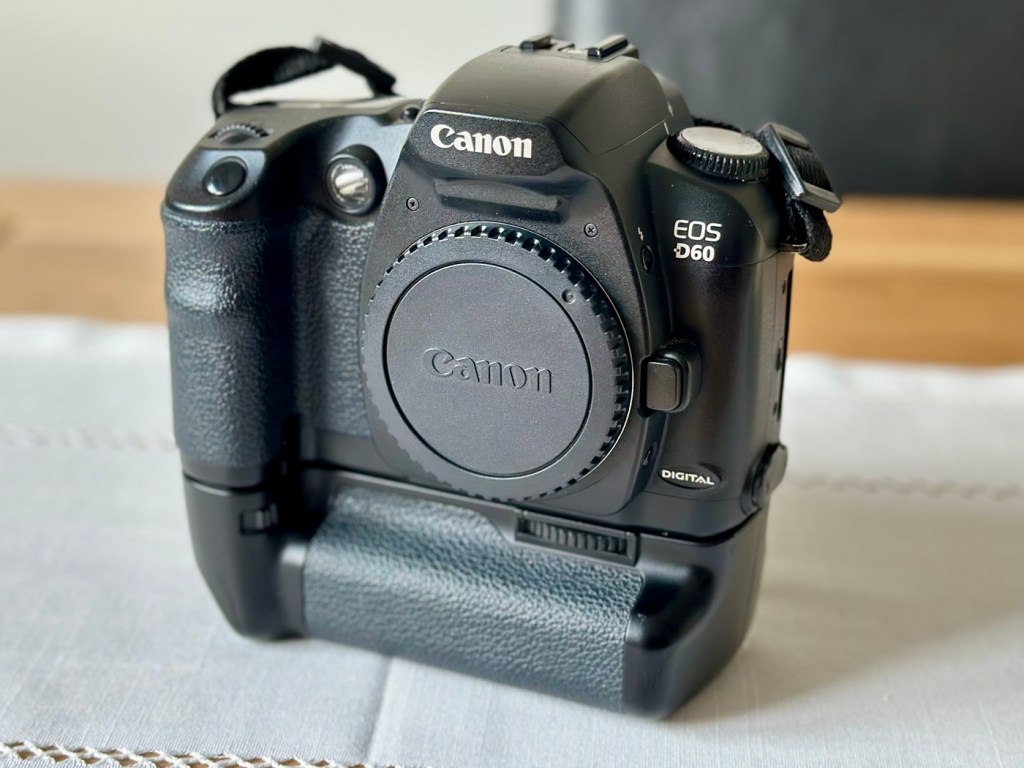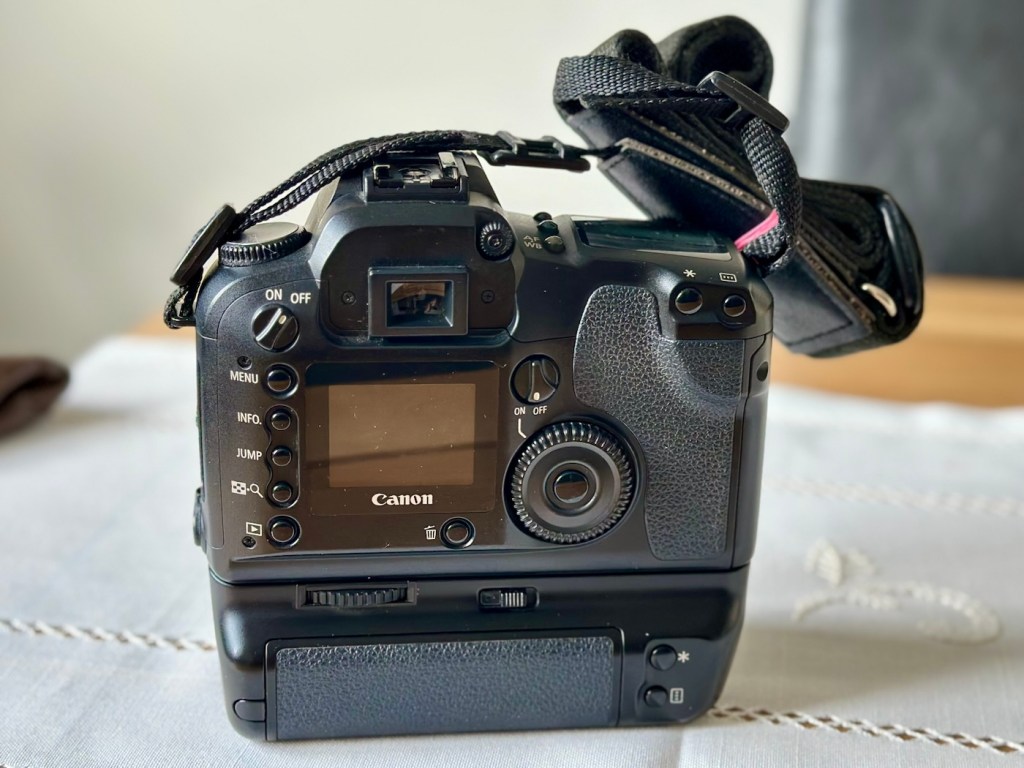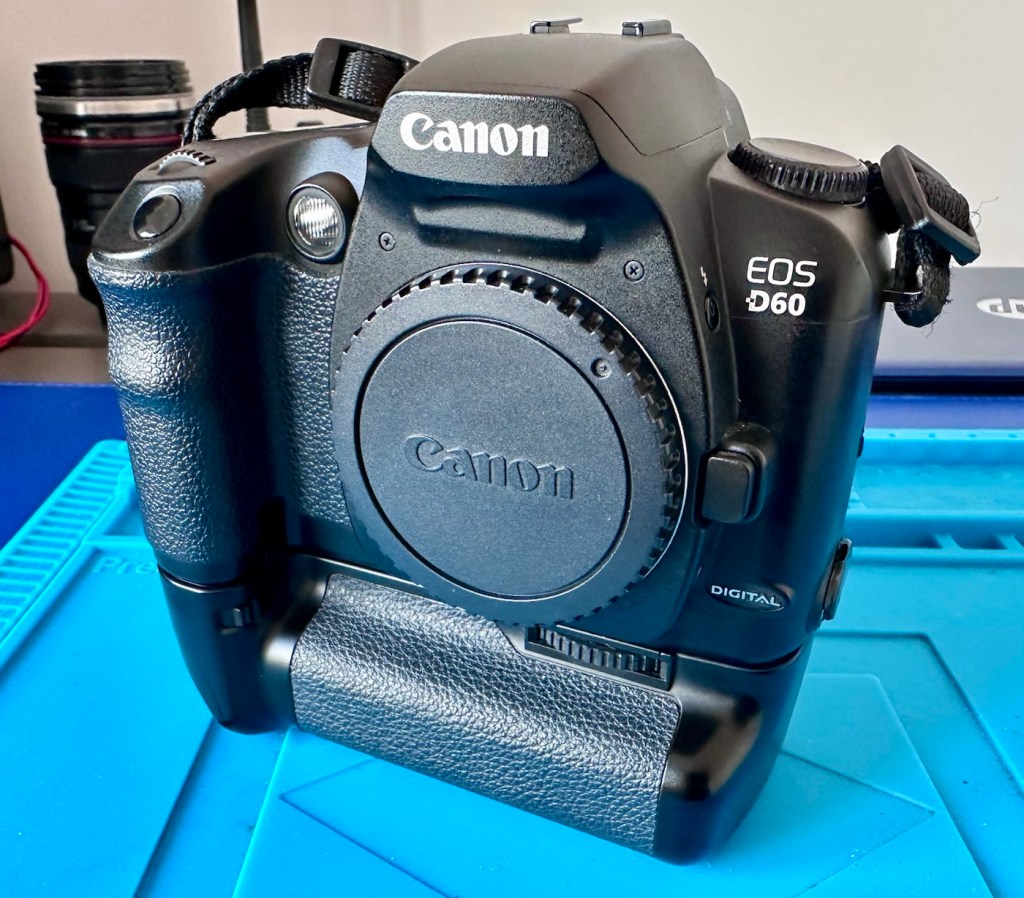

Canon EOS D60

Who would have thought a button the size of a grain of rice could declare this camera defunct and dead. Let’s have a look at it and see if we can get it working again.

What the listing stated:

The Canon EOS D60 DSLR is a digital SLR camera body offered here for parts or repair, ideal for those seeking components or a restoration project.

This digital camera has been tested and does not power on. It is being sold as faulty, for parts or repair only.

Cosmetically, the camera body and battery grip show typical signs of use, such as surface marks and wear. Functionality has not been restored, and no further testing has been performed beyond confirming it does not power up. The battery grip (BG-ED3) is included but requires two batteries for operation; only one battery is supplied. No charger, lens, or additional accessories are included.

Accessories Included: BG-ED3 battery grip, 1x battery (no charger).

EBay
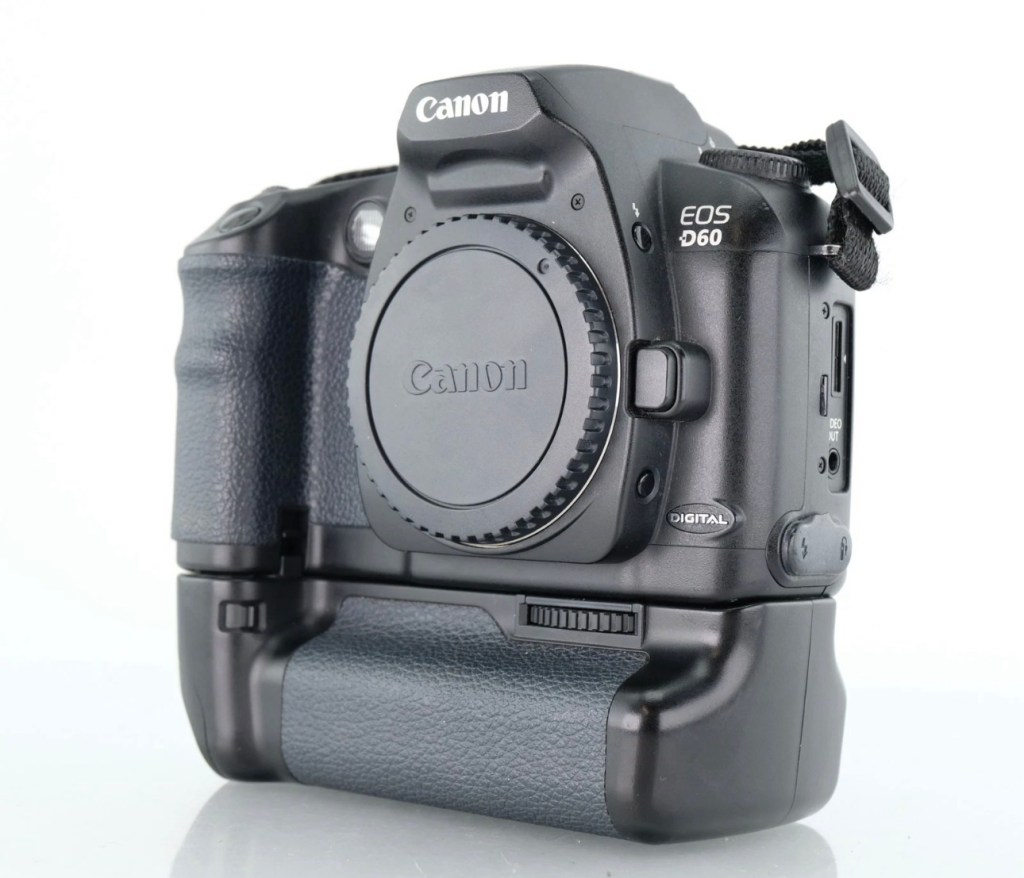
I’ve purchased this camera kit for the princely sum of £14:24GBP. An absolute bargain, even if it doesn’t work. It’s worth more than that to me, even for spare parts if I can’t get it working, however let’s not go down that route just yet. This camera also comes with a BG-ED3 battery grip that on its own currently retails on the auction platforms for around £20-£30 so before we start I’m on to a winner.

Here’s a little bit about this camera that was released in 2002, don’t get it mixed up with the later EOS 60D that was released in 2010…a different camera entirely:

The Canon EOS D60 is a discontinued 6.3 megapixel digital single lens reflex (DSLR) camera body, announced by Canon on February 22, 2002. It is part of the Canon EOS range, and accepts Canon EF, TS-E and MP-E lenses, but not Canon’s later digital-only EF-S lens range.

The EOS D60 sits in the prosumer (professional-consumer) line of digital SLR cameras. It succeeded the three megapixel EOS D30 and was replaced by the improved, six megapixel EOS 10D.

The EOS D60 features:

  • 22.7 x 15.1 mm CMOS sensor (APS-C)
  • 6.3 megapixel effective (6.3 megapixel total)
  • Max resolution 3072 x 2048
  • FOV crop (1.6x)
  • Canon EF lens mount (excludes EF-S)
  • 3-point auto focus
  • 100, 200, 400, 800, 1000 ISO speed equivalent
  • 30 to 1/4000 s shutter speed and bulb
  • TTL 35 zone SPC metering: evaluative, center weighted, partial
  • Exposure compensation -2 EV to +2 EV in 1/3 EV or 1/2 EV steps
  • Auto White Balance (plus 5 positions & manual preset)
  • Eye-level pentaprism viewfinder
  • 1.8 in (46 mm) color TFT liquid-crystal monitor
  • E-TTL flash mode
  • 3 frames per second continuous shooting (max. 8 frames)
  • Dimensions (WxHxD): 150 x 107 x 75 mm (6.0 x 4.4 x 2.9 in)
  • Weight (body only): 780 gm

Wikipedia

So, as usual let’s await its arrival so we can carry out a full assessment of the camera and related equipment.

Assessment:

The package has arrived, and wow, this is a lot of camera for a very small price.
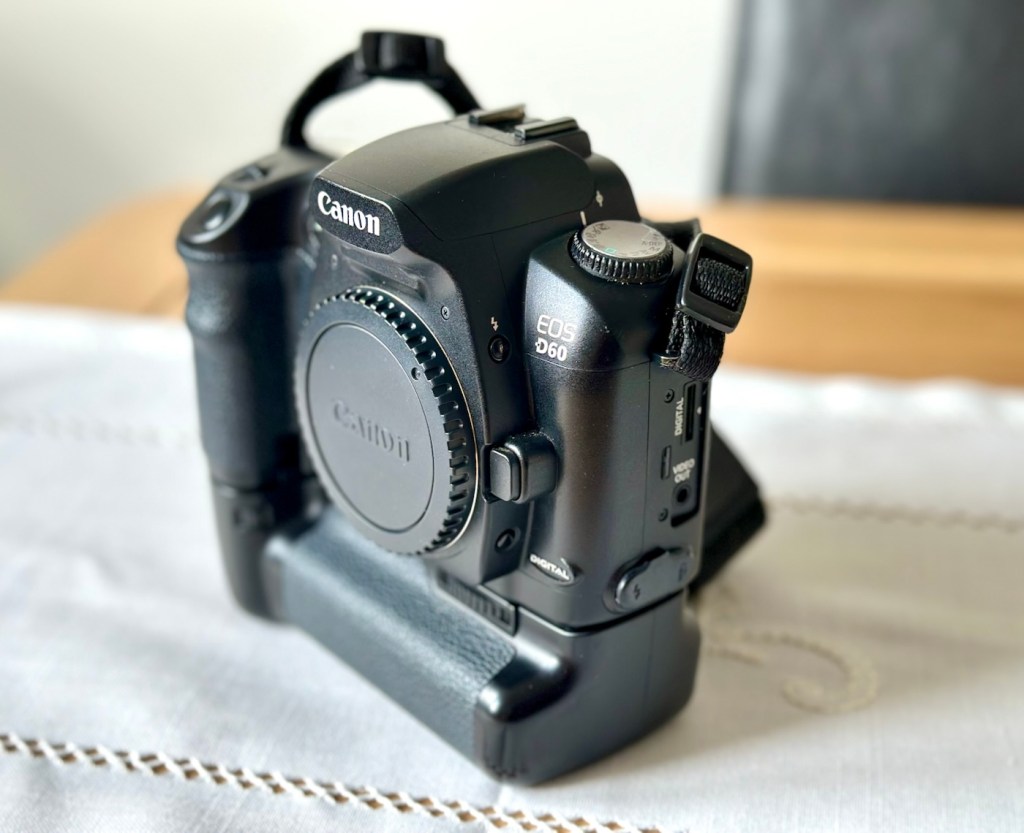
The condition cosmetically is fantastic, I’d call it almost mint but the seller thinks otherwise, he certainly has some high standards, I’m pleased I know him if it means I can purchase items such as this. The only thing that is missing is a small rubber cap that covers the digital and video out ports, not an issue for me, and definitely not detrimental to the operation of the camera, this can be replaced but it really isn’t worth the bother or the extra expense.
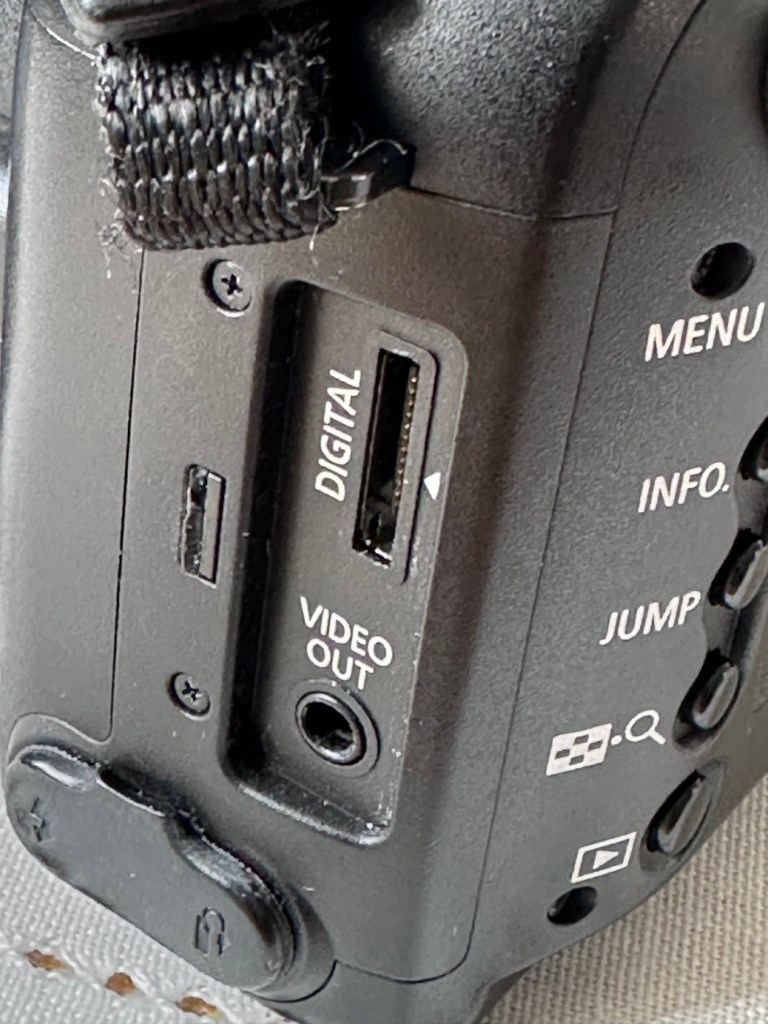
The missing rubber port cover

The camera has come attached to the power winder and has a Canon dust cap over the lens mount/body aperture. There is a single battery and this does have some life still in it.
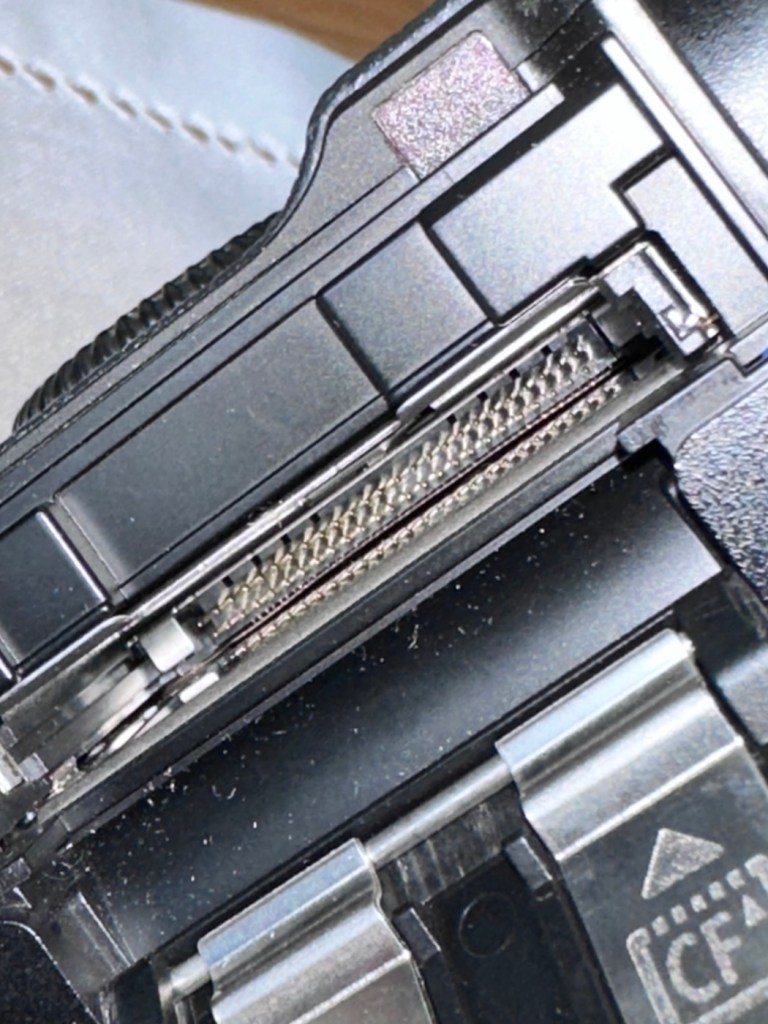
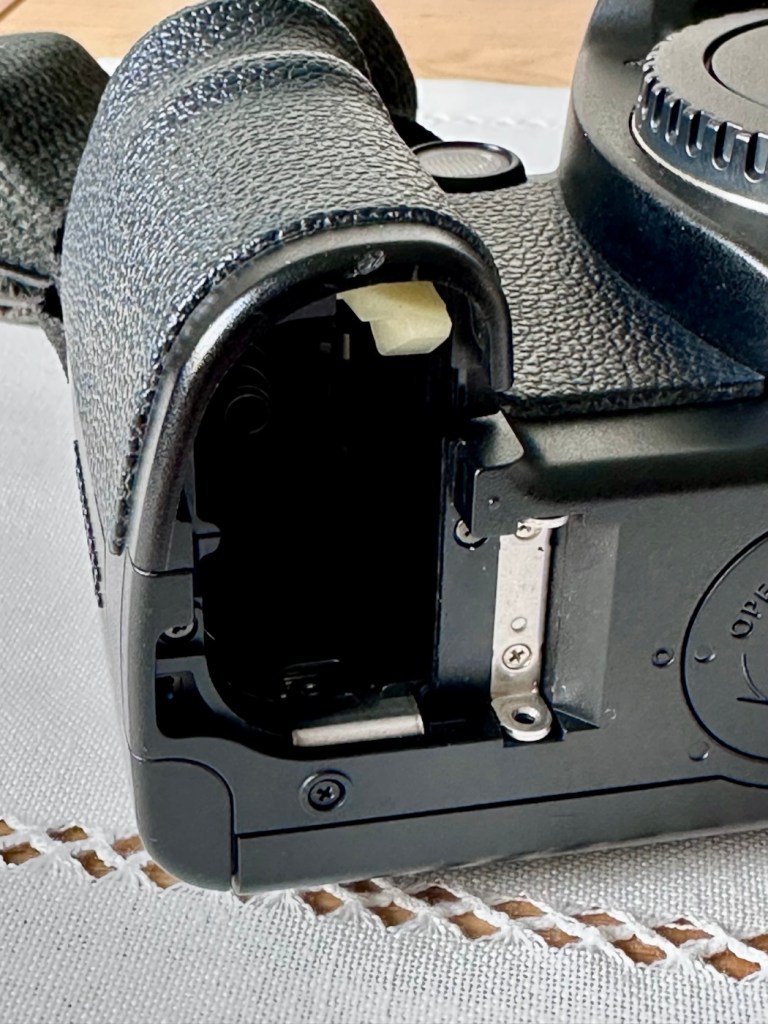
No damage to the CF card reader pins

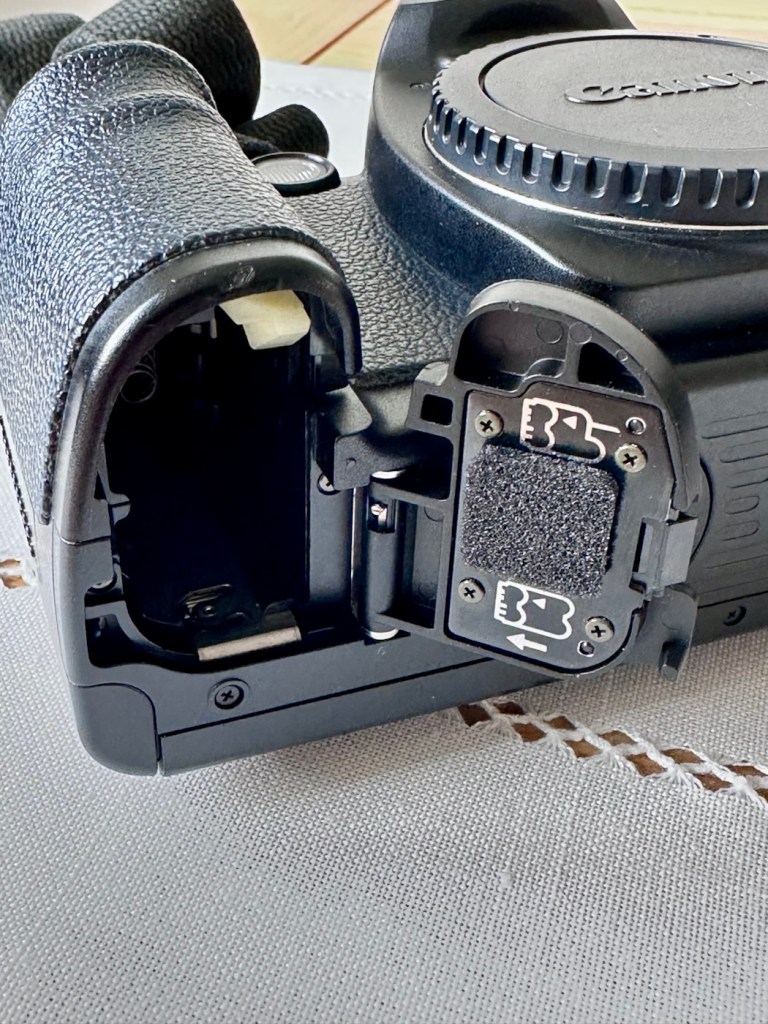
There is a good quality camera strap attached, and when the battery grip is taken from the body and checked, all battery connections are clean and free of any contaminants. There is no damage to the CF card reader pins within the CF card port. An added bonus is that the body battery cover is tucked away on the power grip handle, and all connections are good, these little battery cover doors normally end up being thrown away so that you end up paying some pirate on the internet an absolute fortune to replace a battery cover door, that in theory is only worth a few pounds. Yes there are many robbing bandits out there! (That’s the polite, non sweary word version)
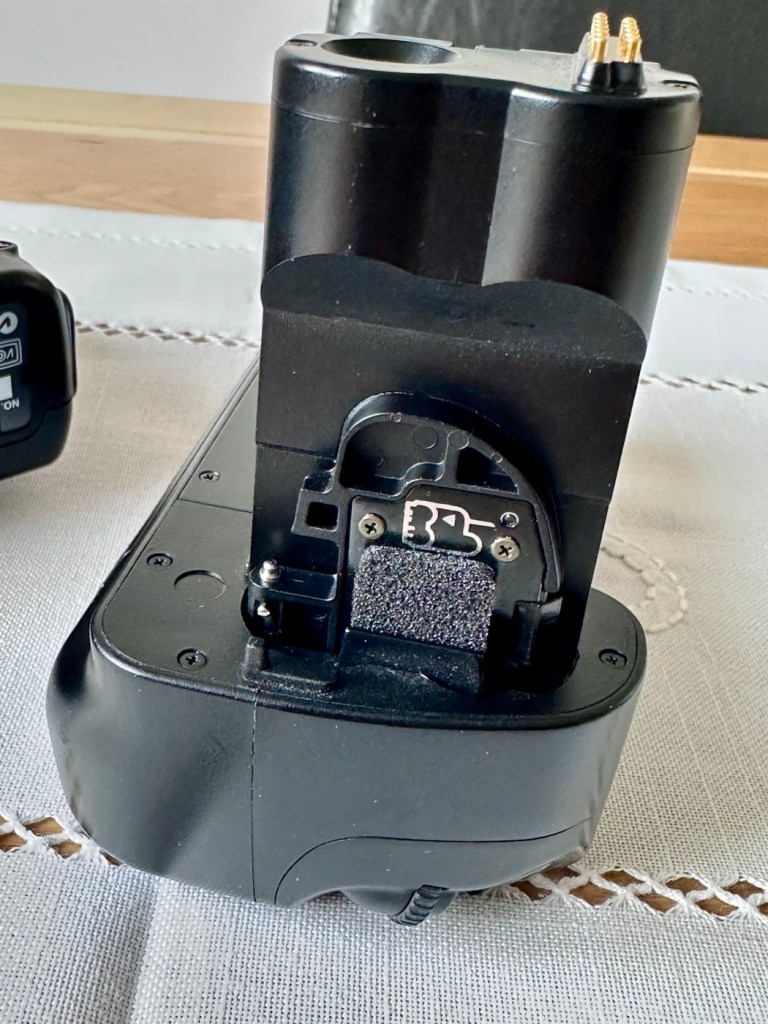
The camera listing stated that the camera grip needs two batteries for operation, this is not technically true as one battery will still operate the camera whilst using the grip. The option for two batteries just extends the usage of the camera, hence saving you the aggro of changing out batteries when you have a longer camera session planned.

And that one battery does have life in it as I stated earlier.

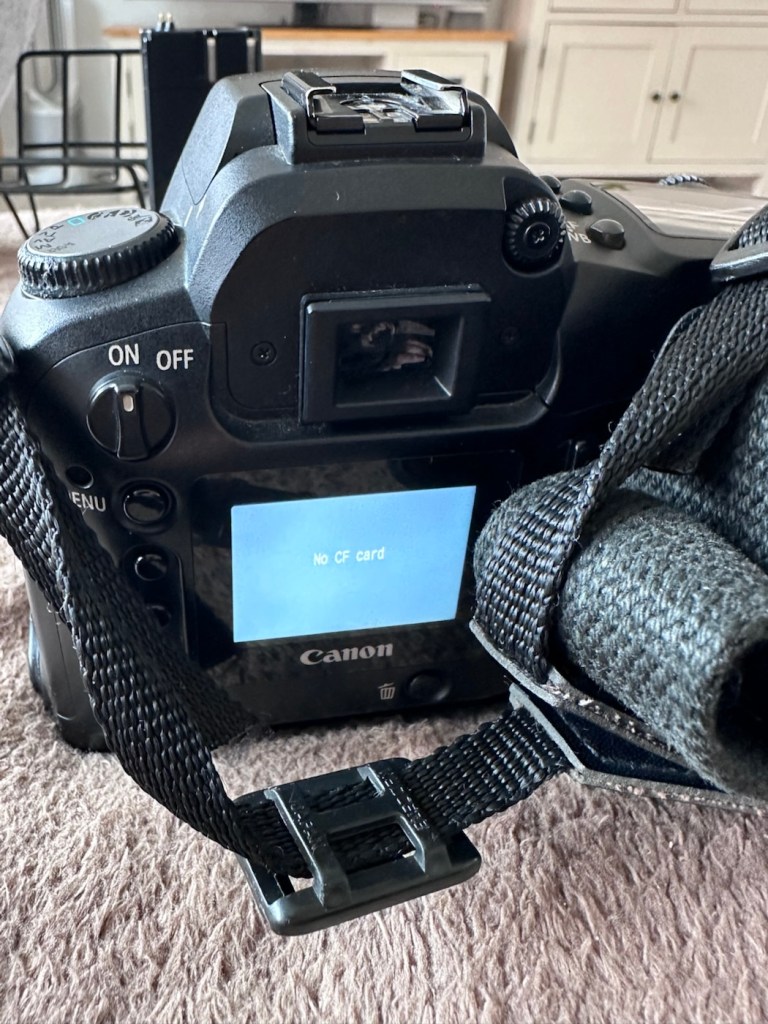
I know this, because I plugged it into the camera grip, I turned the operating switch on and hey presto, there is life
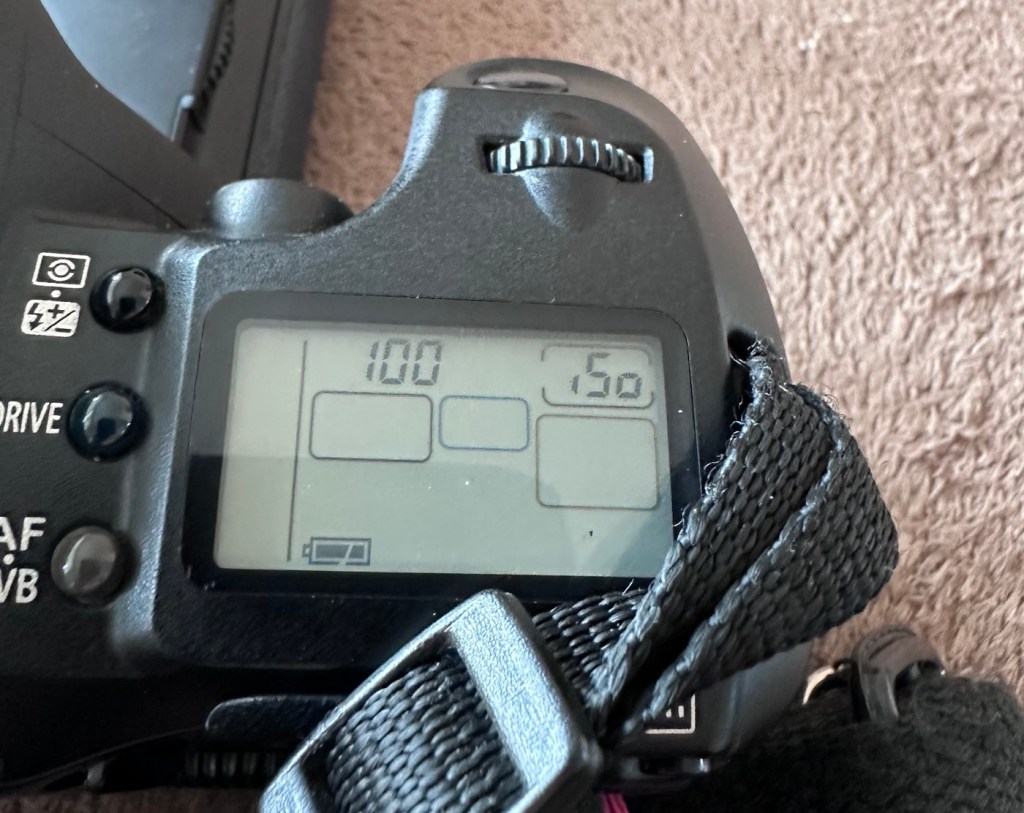
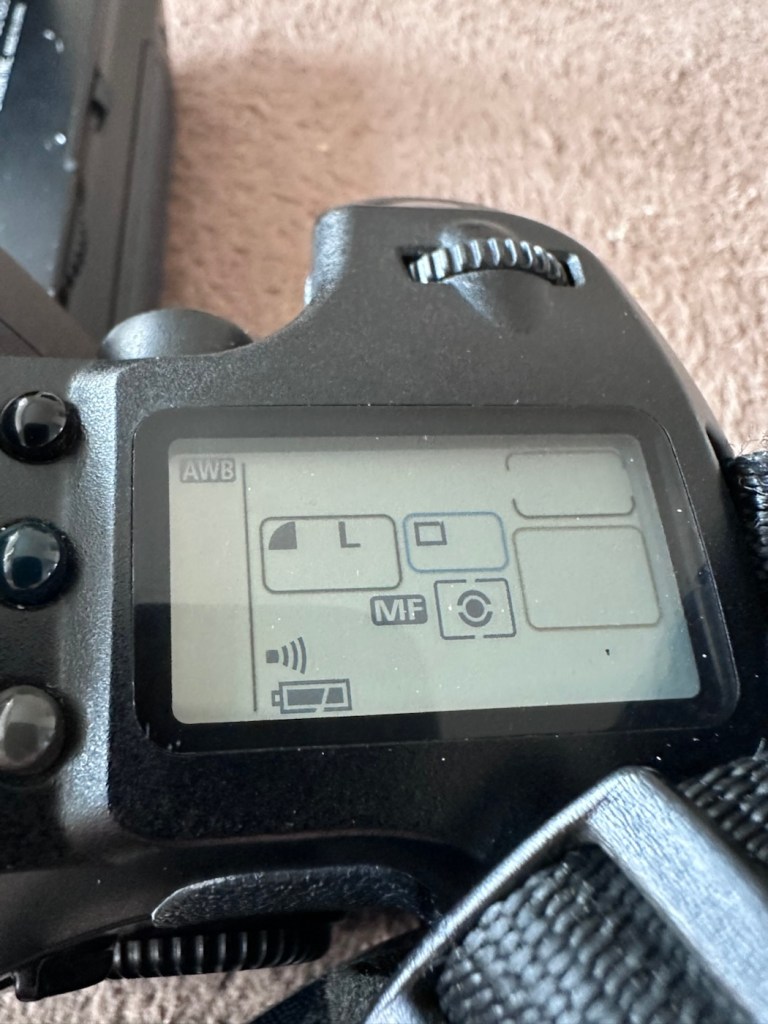
So to further test I have removed the grip, and gone back to using the camera with its original battery cover, and then…it doesn’t operate. How strange!

So I then go back to the power grip and everything works fine!

Back to the original battery cover. Nothing again.

I won’t ruin your reading at this point, as to be totally honest if I tell you what was wrong here, I will have nothing to put in the repair section below. Just read on, I can assure you that you will not be impressed. It really is that mundane and boring, you will probably just roll your eyes and question why I have even called it a repair. But a repair is a repair, no matter how insignificant and minuscule it may be, and if it gets the camera working then we are on to a winner.

Repair:

Thanks for staying with me.

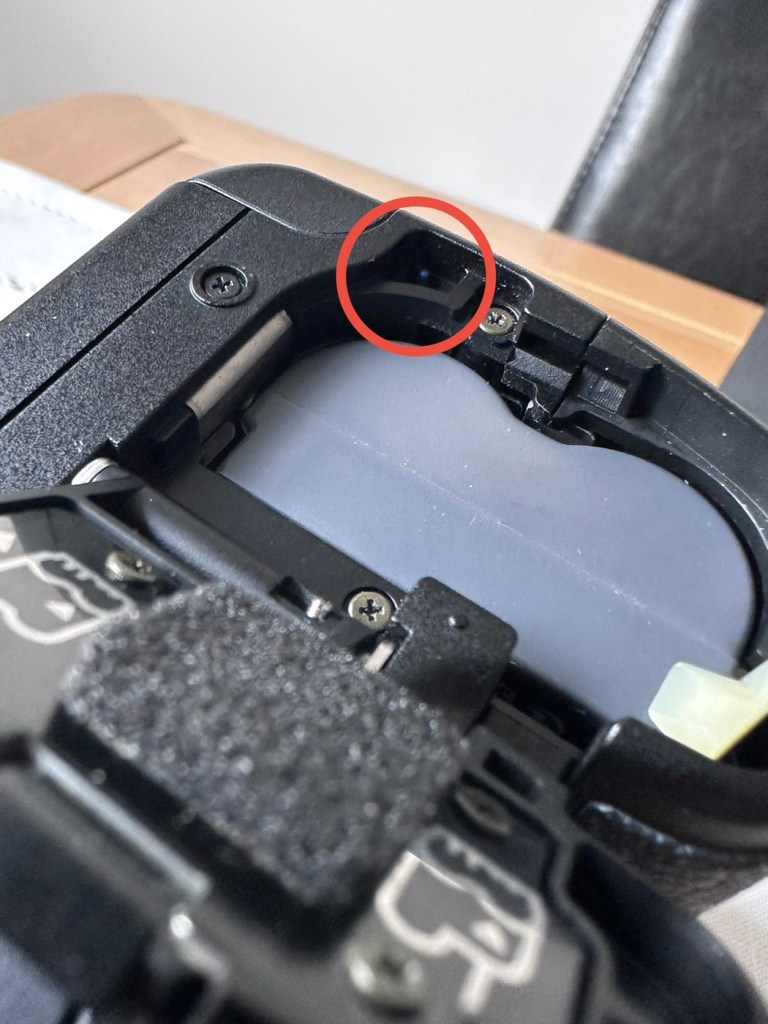
Have a look at the three pictures below.
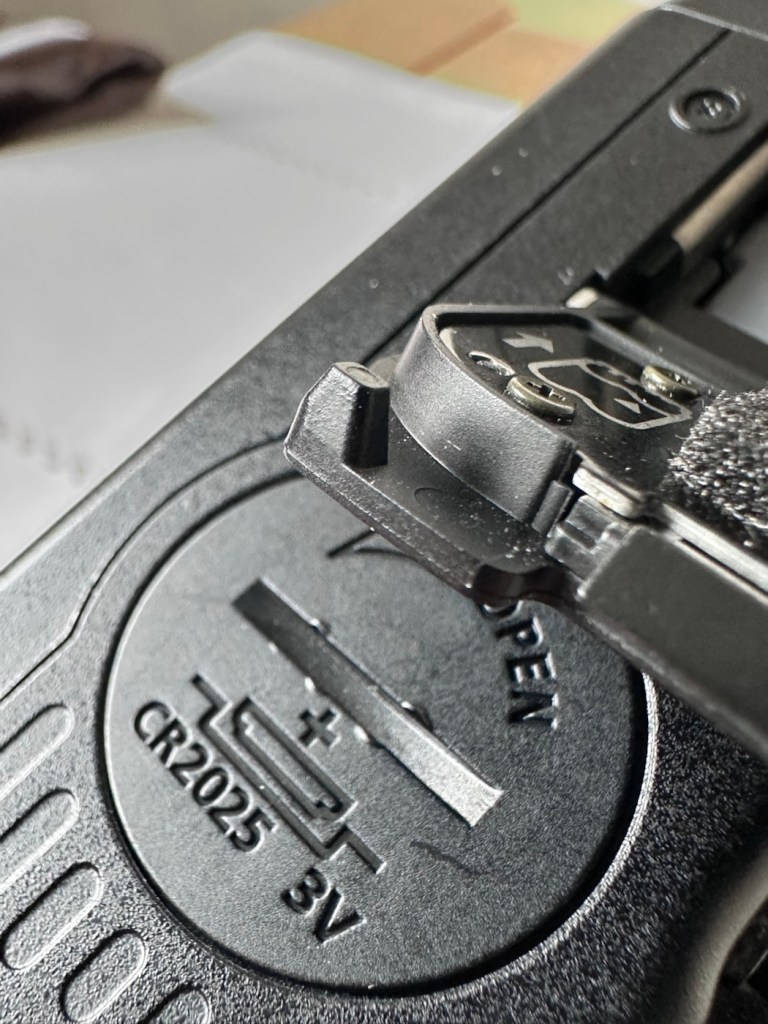
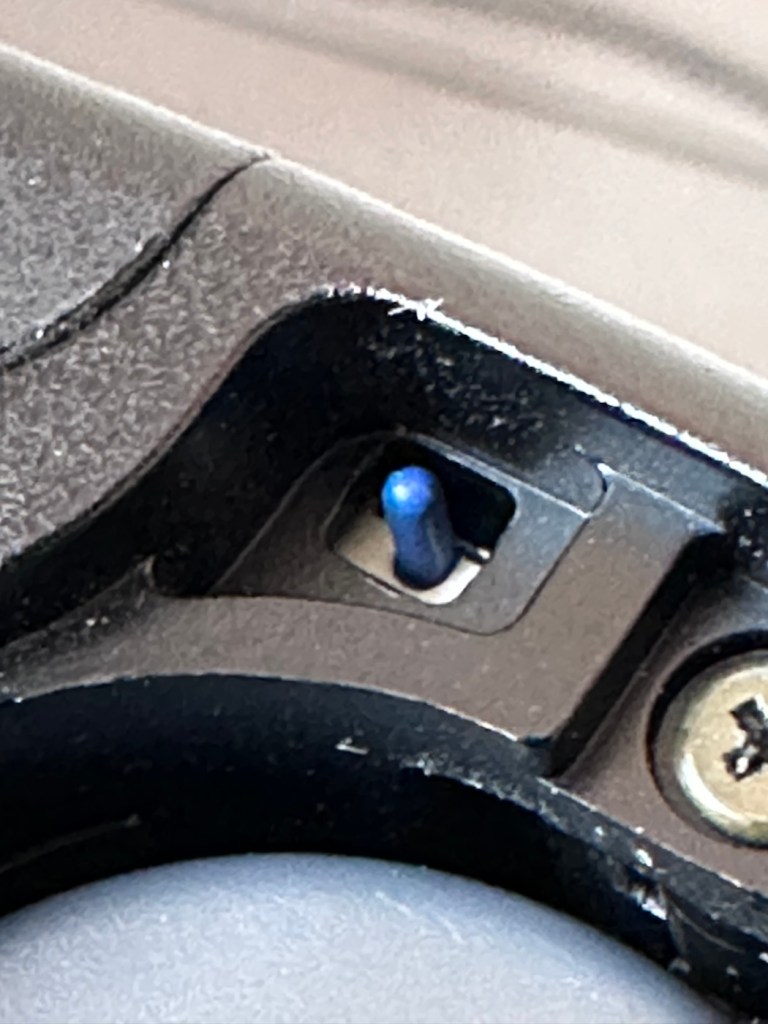
The issue was with the tiniest of buttons. It wasn’t working.

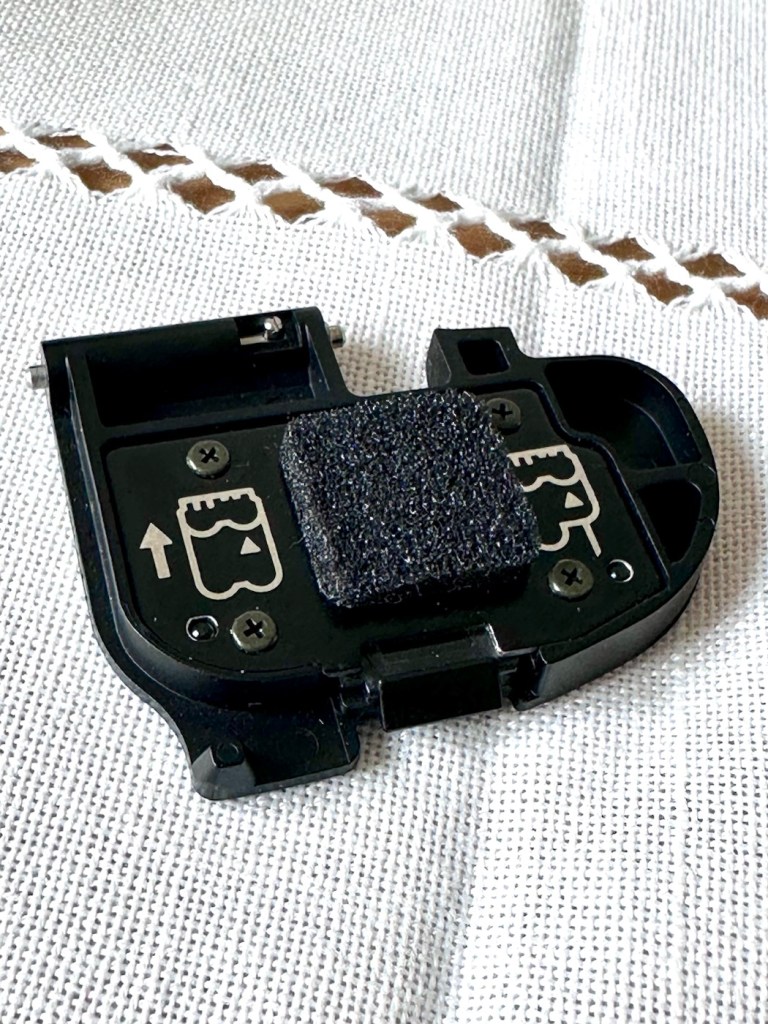
A small tab on the inside of the battery door presses this button when you lock the door. If that tab is broken, or if the switch itself is damaged, the camera may act like the battery is dead or not installed.

The tiny blue button (or sometimes black/white) located inside the battery chamber of a Canon EOS camera is a safety micro-switch that detects whether the battery door is properly closed. It ensures the camera has a solid connection to the battery and that the door is closed to prevent damage. It acts as an instant cut-off switch to prevent data corruption (e.g., if the door opens while the camera is writing to the CF card).

If this switch is not engaged, the camera will not turn on.

And this appears to be the problem. The battery cover was not putting enough pressure upon the little blue switch, the switch also appeared to be a little stiff but soon loosened up when it was cleaned with some IPA and activated a number of times using plastic tweezers. It appears that when the grip was installed and fastened into place there was sufficient pressure to operate the switch, hence the issues I experienced when changing from one battery mode to the other, earlier in this post. Now, when either the original battery cover or the power grip is used, power continuity is restored, and the cameras screen and activities all appear to be working as they should be.

However, we need to now install fully charged batteries, a CF card, and need to get a compatible lens on the front to ensure all the dials, and buttons function and do as they should be doing. I know the flash is definitely working, as this popped up and fired when I was testing the battery earlier, I’m fairly confident we have located and dealt with the underlying issue, though it doesn’t hurt to do a full test of the system just to confirm our findings and to ensure that there is nothing else lingering around, just waiting to be found out.
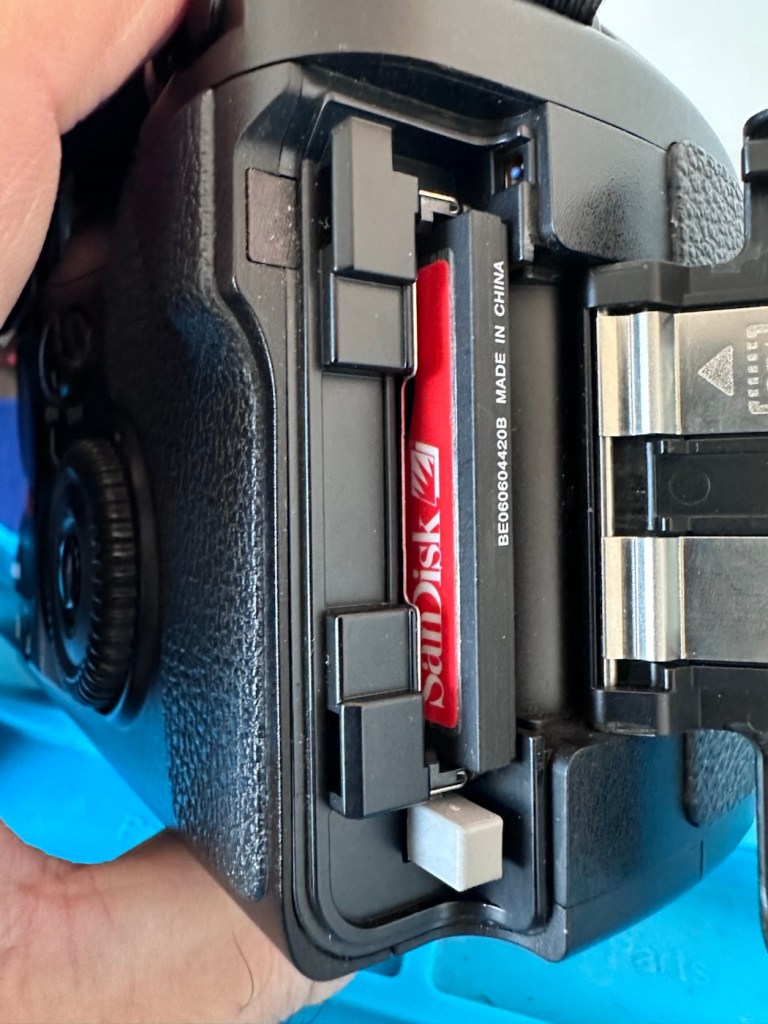
CF card and new battery installed

I’ve now installed a charged battery and a CF card into the camera, no issue here and all systems seem to be operating ok, no error codes or faults showing. I’ve put on one of my test lenses, a Canon EF 28-80 1:3.5 -5.6, and again everything is good, auto focus and manual focus, all works fine and all settings on the function dial are working just as they should. This camera is doing just what it should be. And appears to be working extremely well in all aspects of operation.

Result:

I’ve taken a few pictures in and around the house and everything appears to be working and functioning as expected. I can confidently state that this camera is working perfectly. It’s not the greatest of lenses as it’s just a test one I use for my cameras, but it proves the point though, that the unit is working and communicating well with all points of the camera.
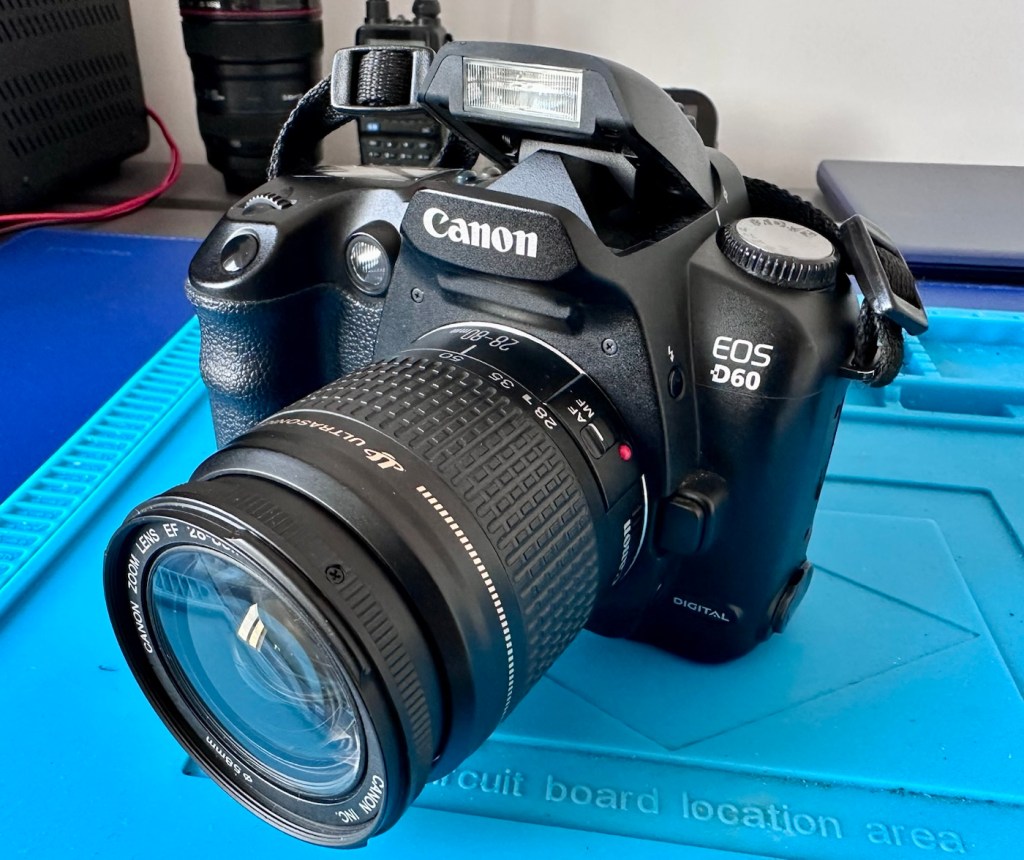
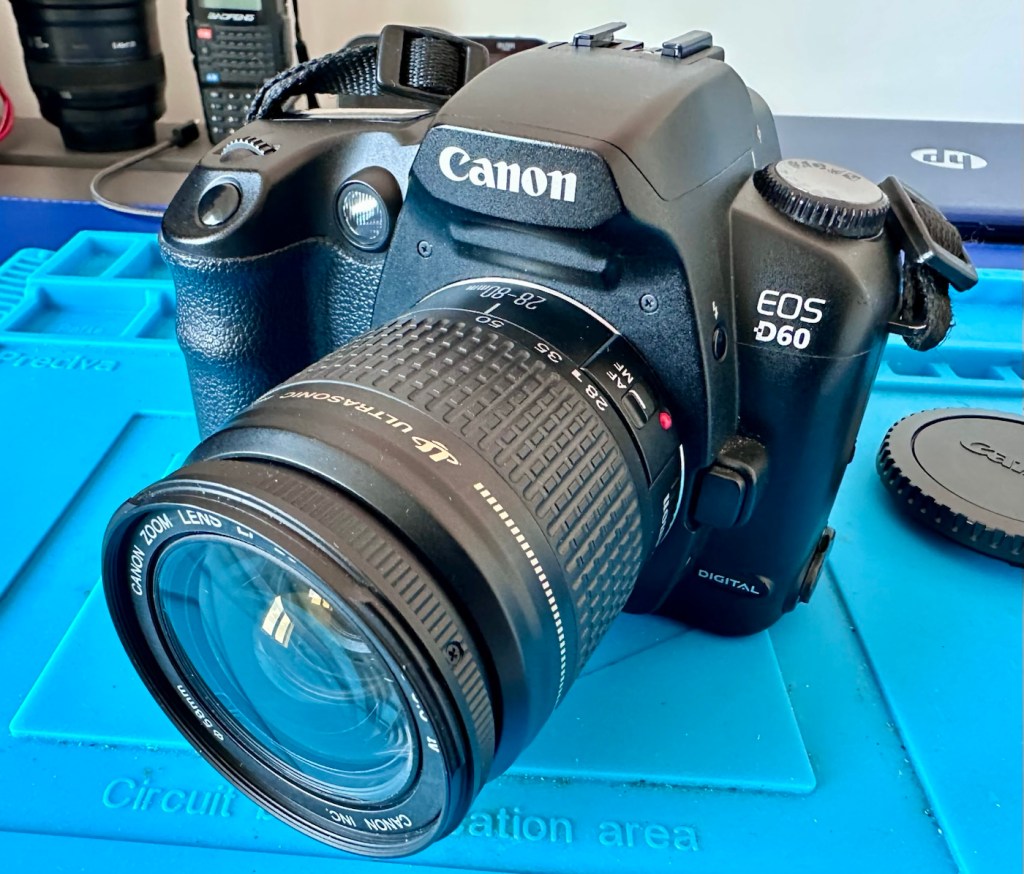
This is a fantastic camera, I only paid £14:24 for a lot of camera dating from 2002, less than the cost of a couple of pints of beer or three coffees, and from my point of view it is an absolute bargain. And it was all down to a little button comparative in size to a grain of rice.
So I am super pleased with how well this repair has gone, such a simple issue that totally killed the functionality of this unit, easily repaired, all it took was a good bit of investigation, probably taking no more than 20 minutes of my time. I must admit it helps to know a little about how these units function. It always amazes me though, that these sellers could make a bigger return on their items if only they had someone to give these units the once over before declaring them dead and fit for spares and repairs only.

However I’m not complaining as i get to add a superb item to my collection for a very reasonable price. Just browsing the sales sites shows that the basic version of this camera without the power grip is commanding a price of between £140-£150.00GBP, I only paid £14:24. I think I’m the winner here.

There are bargains to be struck out there, if you are willing to give a little time and patience into getting them back up and running. Recycling works.

Many thanks for passing by, it is always very much appreciated.
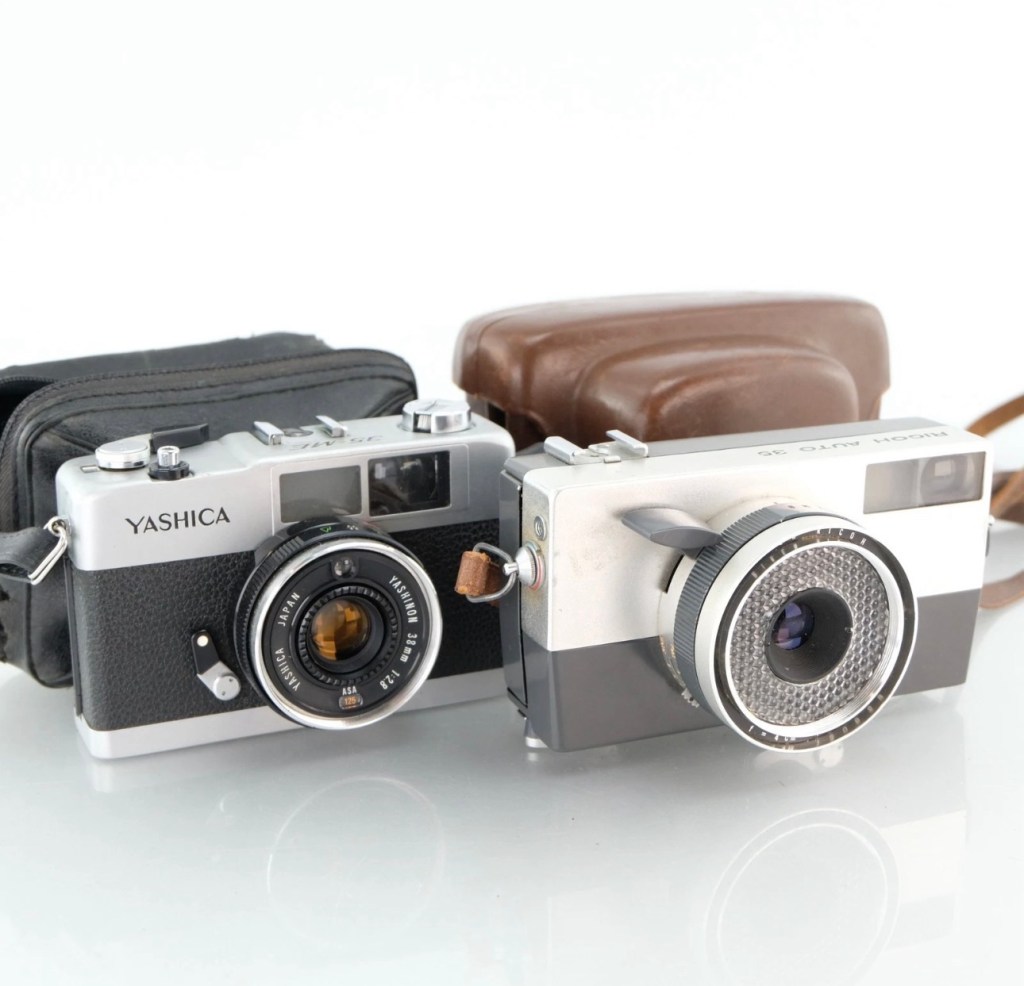
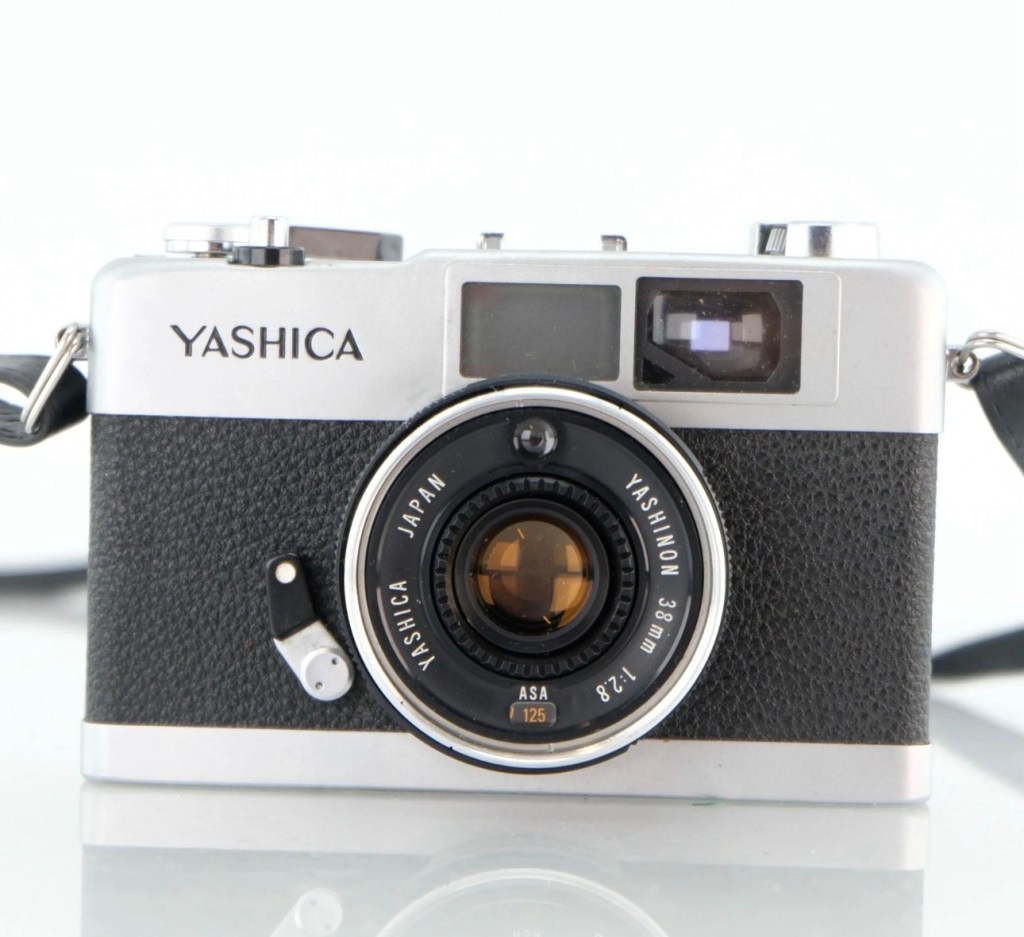
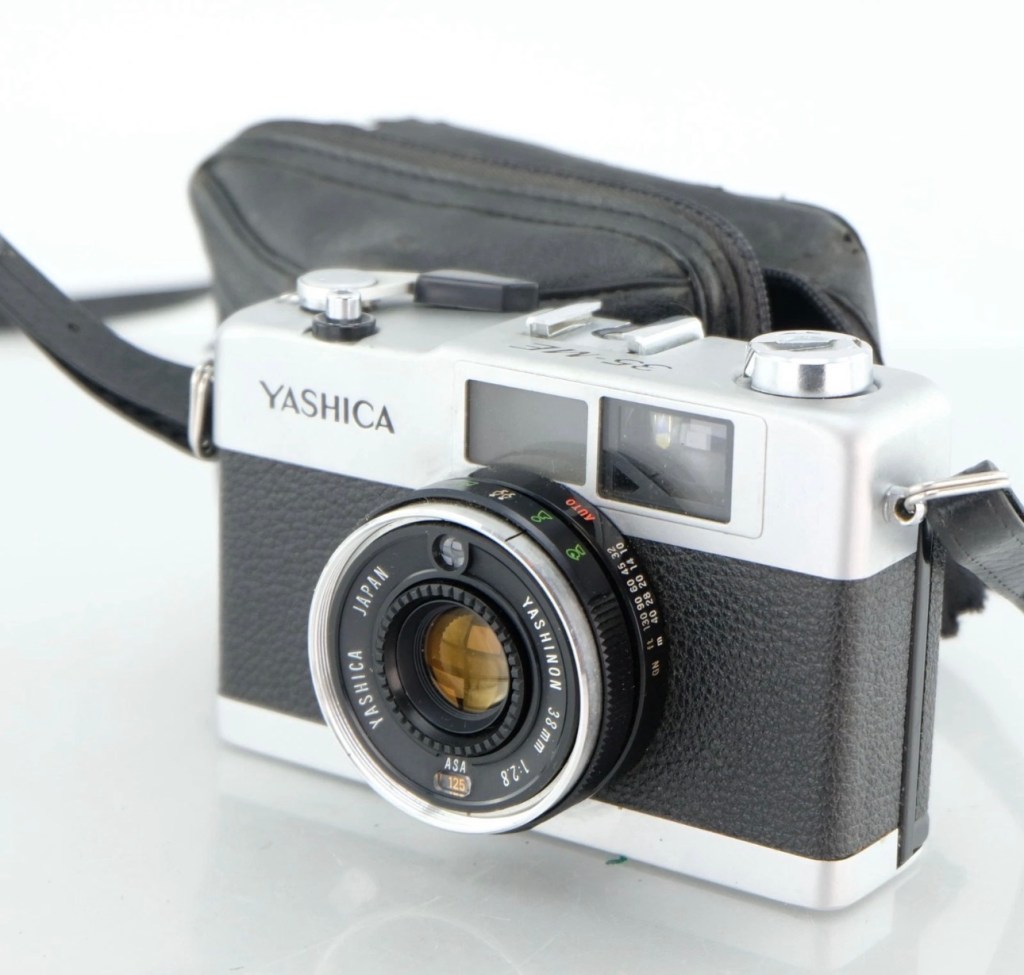
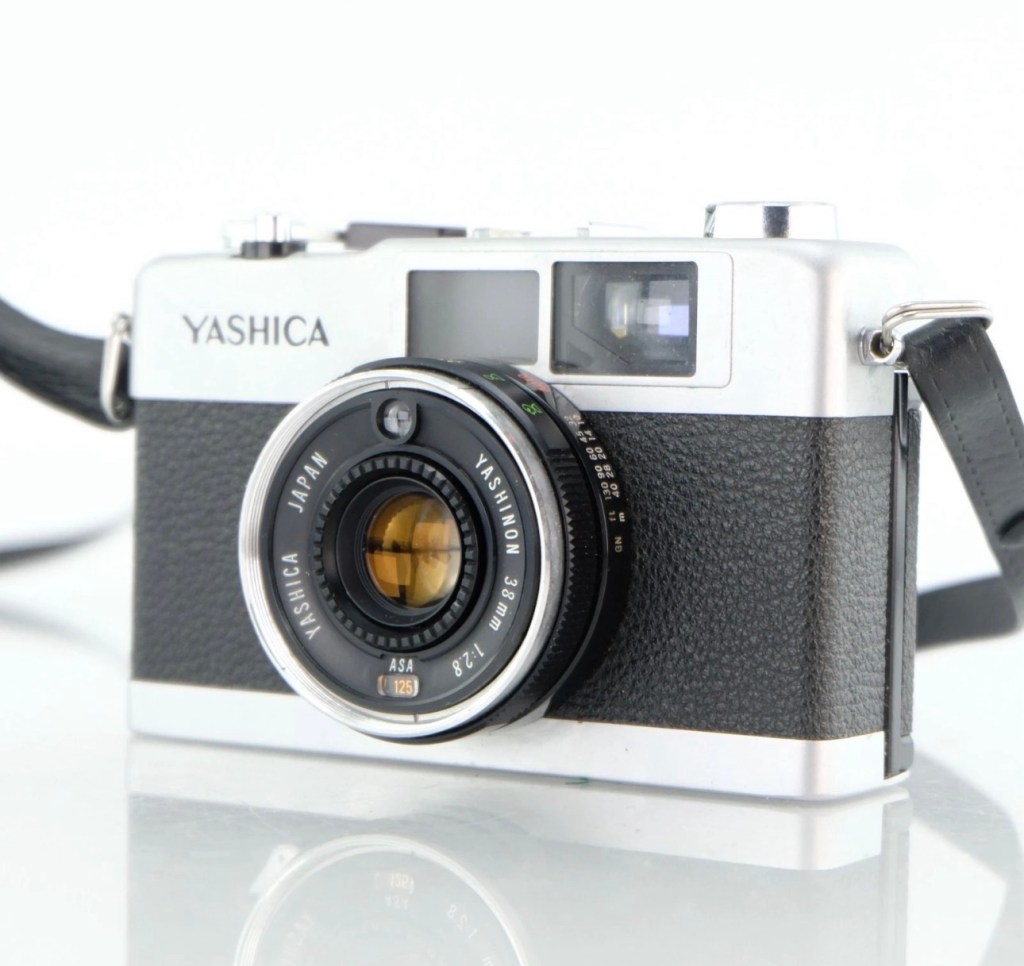
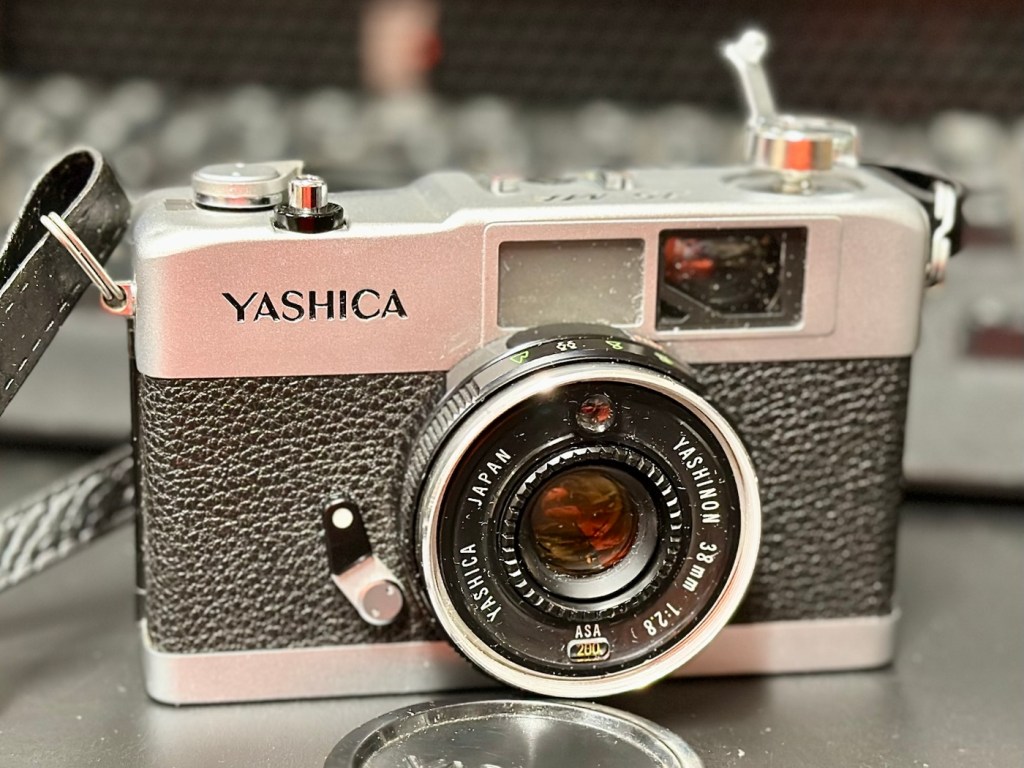
Yashica 35 ME

An old Yashica camera from 1972 with a non functioning light meter. Time to get it back into a working condition.

I purchased two vintage point and shoot cameras, and this post is related to the Yashica 35 ME. Both cameras were purchased for the princely sum of £4:99GBP and that equates to roughly £2:50GBP each. Both cameras were sold with the following sales statement:

This bundle includes a Yashica 35 ME and Ricoh Auto 35, two vintage 35mm film cameras ideal for collectors or those seeking parts for repair projects.

These cameras are being sold as faulty and for parts or repair only. They have not been tested for functionality and may have issues with their mechanical or electronic components.

Cosmetically, both cameras may show signs of wear consistent with age and previous use, such as scuffs, scratches, or dust. No accessories, batteries, or additional items are included, €”only the two cameras as pictured.

EBay

Having purchased from this seller before, I suspect the cameras themselves are in perfect working order mechanically, but as one camera – the Ricoh, is from 1960 and now in its 66th year of existence, I very much suspect the issue would be with it’s Selenium light cell that is more than likely now very dead. The Yashica however is from 1972 and has a CdS light cell that could also be an issue, more than likely related to the old Mercury 1.3v battery that used to supply it. Either way, even without the light sensors both cameras are very capable of doing what they were built for, however you’d just have to use a separate light meter or use the “Sunny 16” rule. Let’s wait their arrival so we can asses the issue. You can read more regarding the types of light metering used on these two cameras by reading a recent post of mine regarding their differences Photographic light sensors in older point and shoot cameras

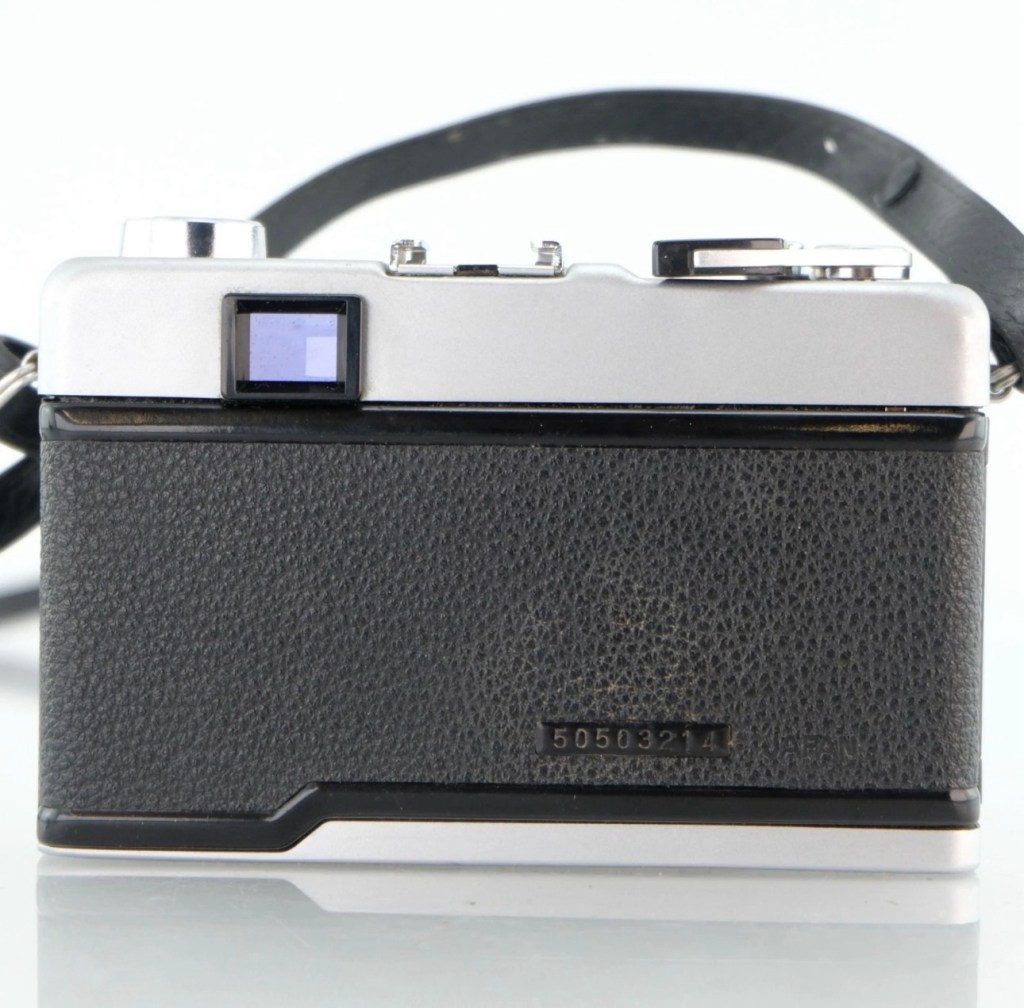
Some more photos from the seller:

Whilst we await their arrival here is a little bit about the Yashica 35 ME:

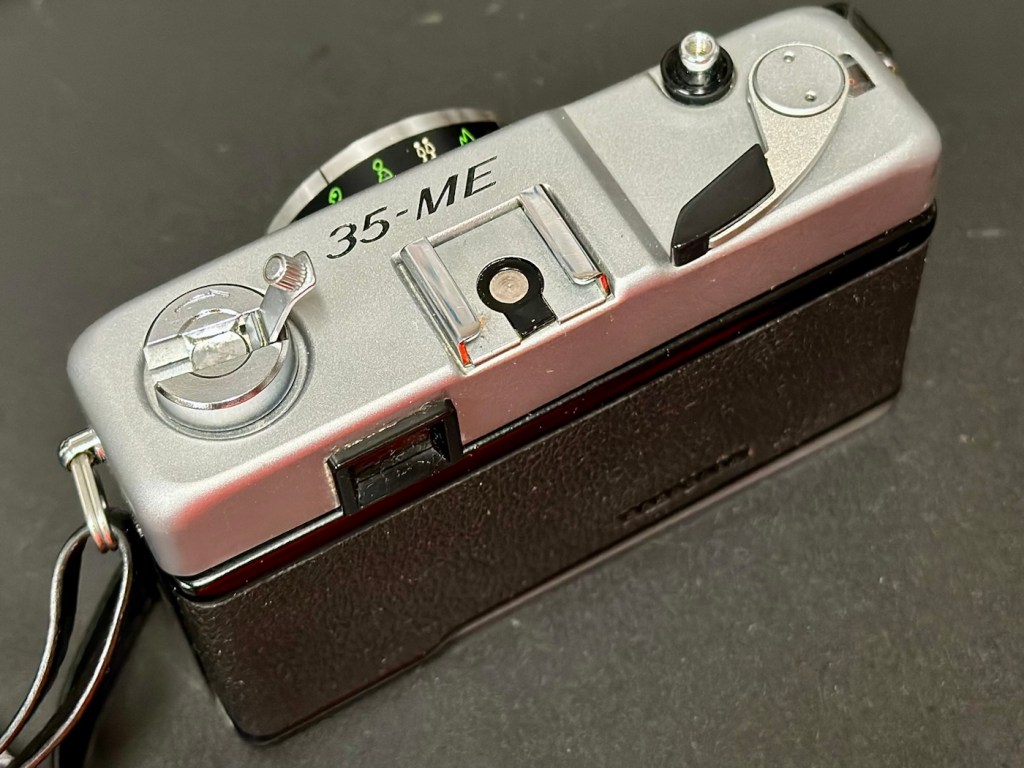
The Yashica 35-ME is a small, compact 35mm viewfinder camerawith auto exposure, made in Japan by Yashica, introduced c. March 1972. 

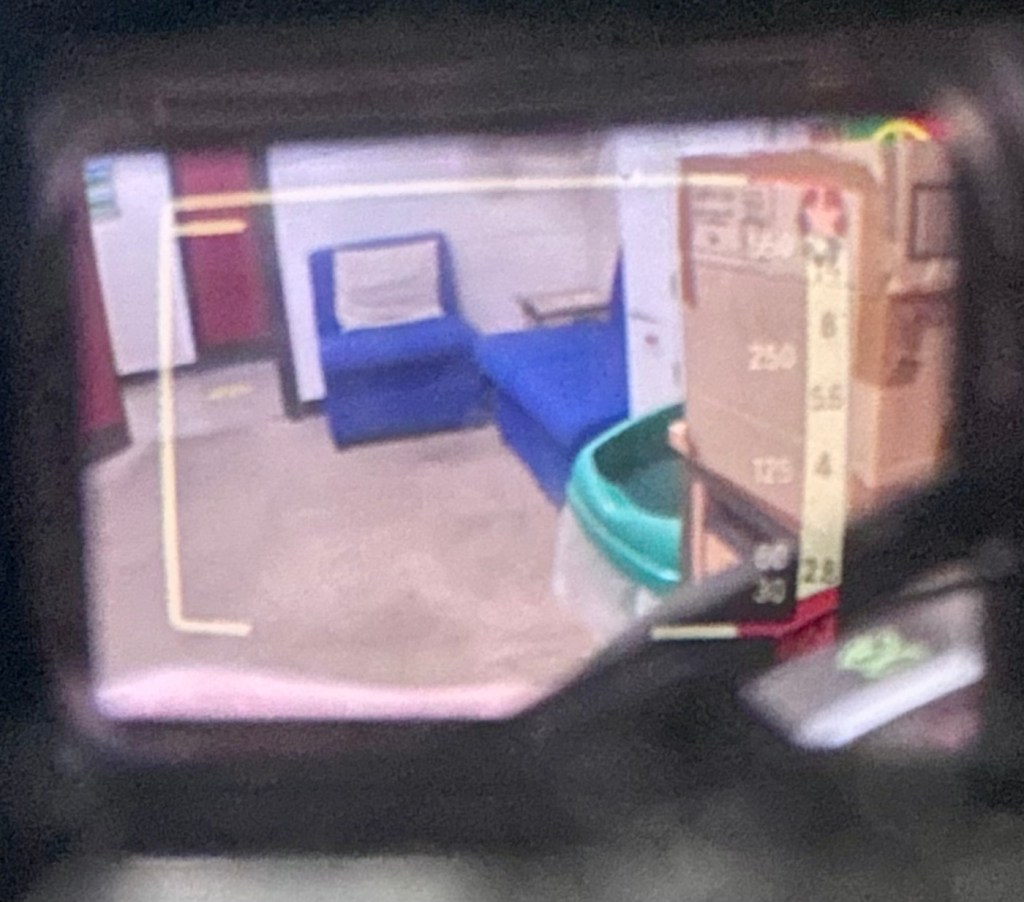
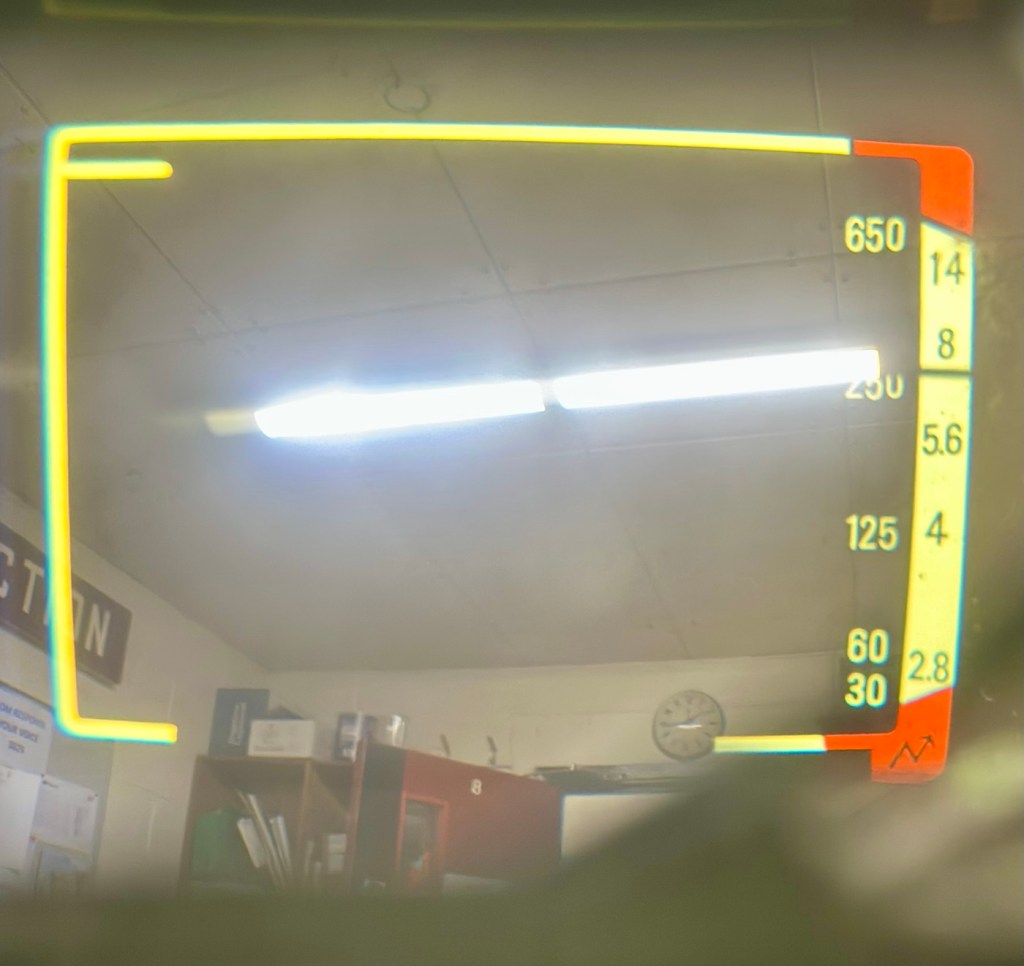
It uses a 38mm f/2.8 lens made of 4 elements in 3 groups with a screw-in filter size of 46mm. The film speedis set using a ring around the lens, with the setting window on the bottom face of the lens. The metering system uses a CdS sensor with a sensitivity of 8 to 17 EV. The viewfinder has bright line frames with parallax correction marks for focus distance of 1.5 meters or closer. The shutter display scale is on the right of the finder has speed markings 1/30, 1/60, 1/125, 1/250 and 1/650 of second. Aperture scale is also displayed at 2.8, 4, 5.6, 8 and 14. The setting for the meter uses a pointer type indicator. Correct exposure is assured when the pointer is in the yellow areas of the scales. Also in the finder scale is over exposure, under exposure zones along with symbols of the selected zone focusing settings. The top plate carries the shutter release, hot shoe and frame counter.

Specifications

  • Lens: Yashica 38mm f2.8; zone and feet/metres scales
  • Shutter: Copal auto, speed set by metering, 1/30-1/650 sec.
  • Meter: CdS sensor
  • Film speed: 25 to 400 ASA
  • Flash: hot shoe, flash sync 1/25 of a sec.
  • Power: 1.3v mercury

Camera-wiki.org

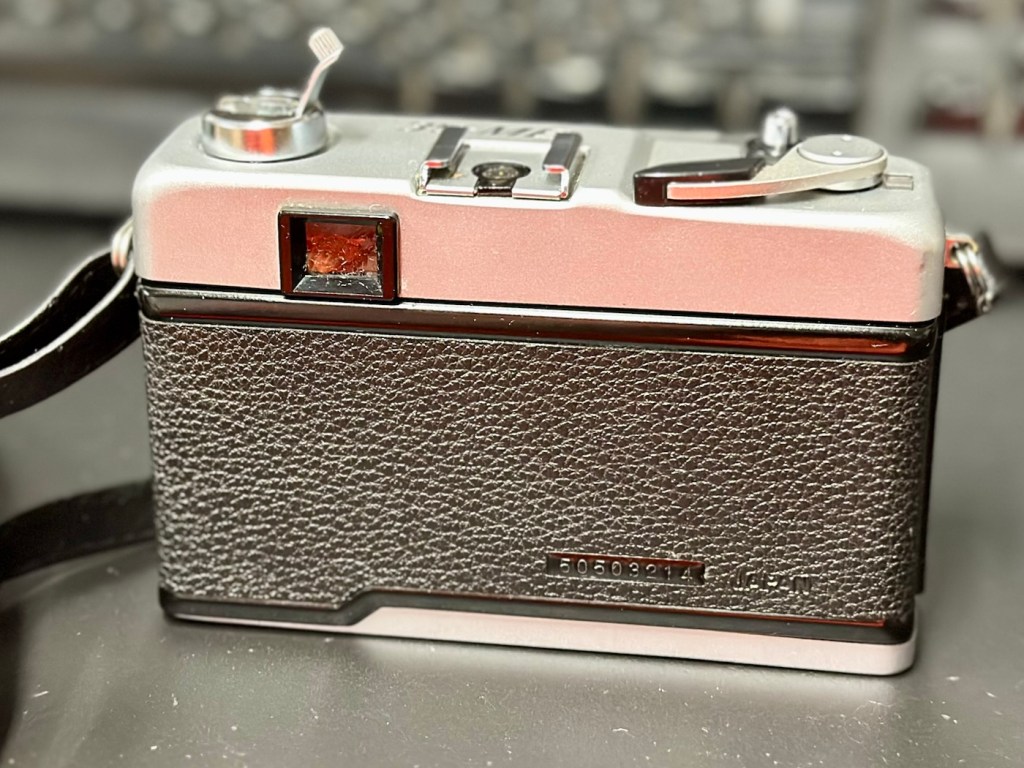
It’s arrived, it has that familiar aroma of age old mustiness, but looks a nice item, in good condition for a camera that is now 50+ years old.

Assessment:

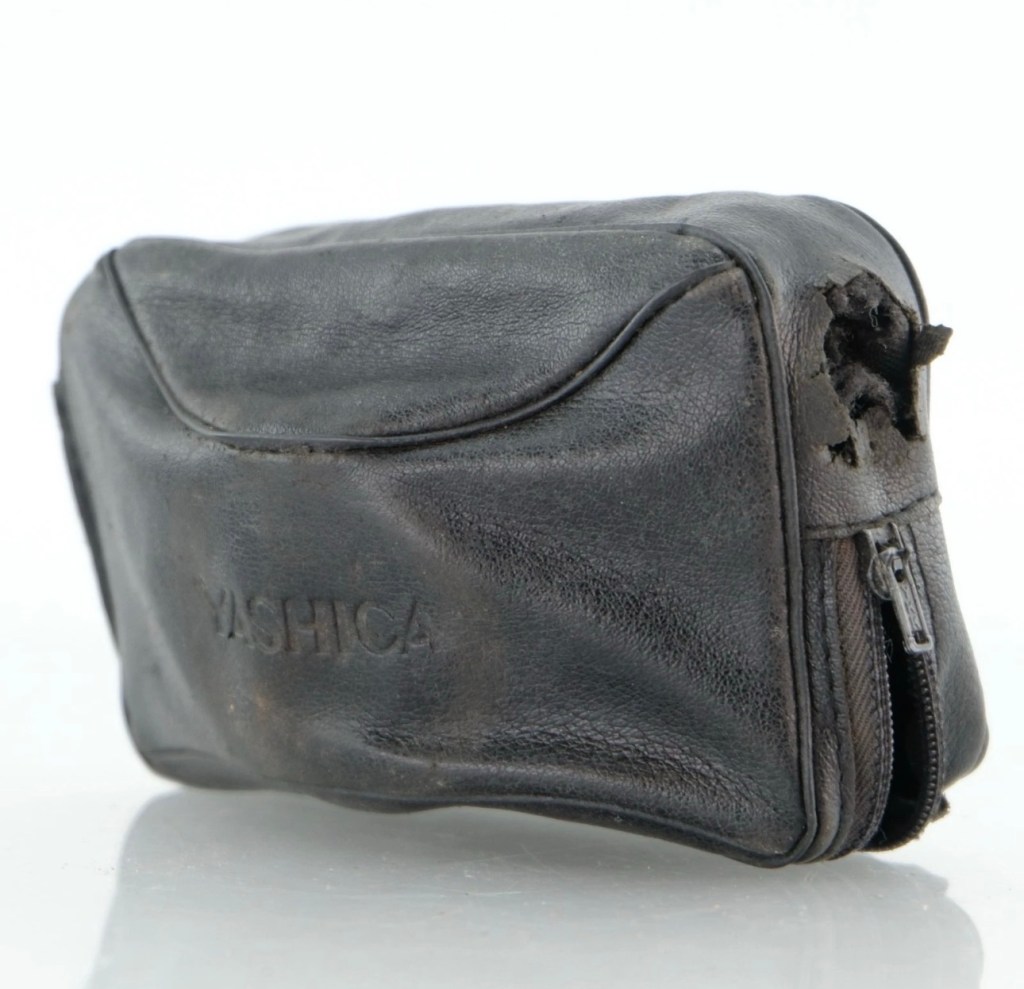
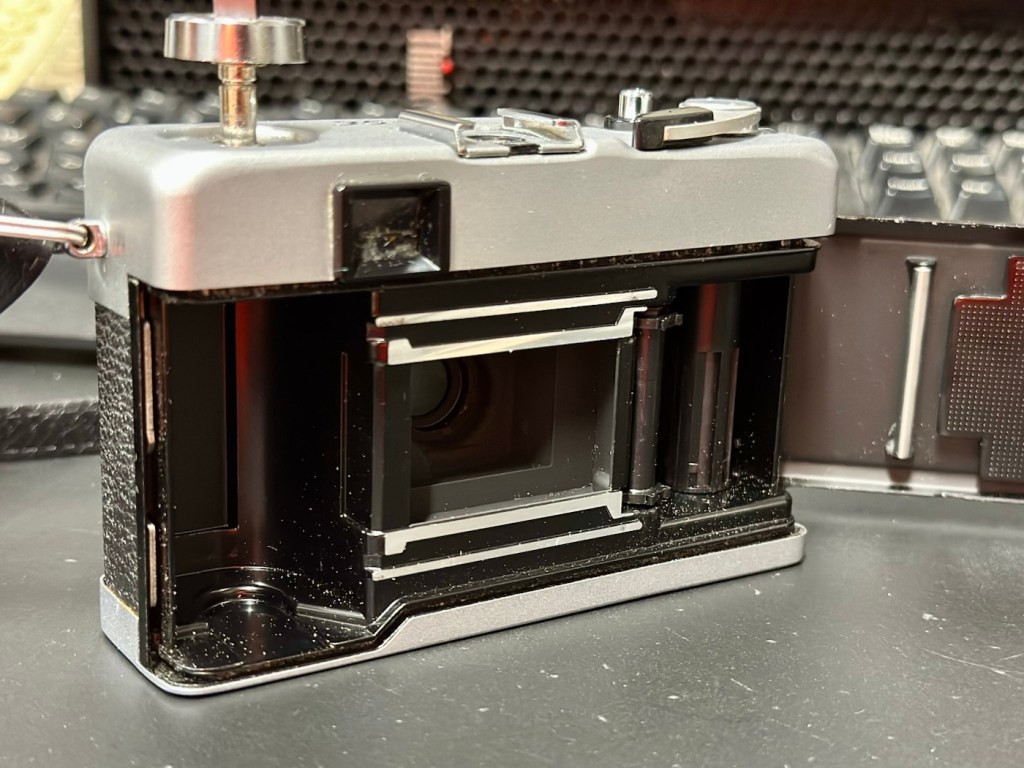
The case is quite tatty, but it does the job. The body is dusty but free of any dinks dents or scars. Inside the rear of the camera all is good, it’s clean and the light seals are ok. They will need replacing at some point, but currently they appear to be ok.

The winder works fine, the shutter fires and there is no sticking of the shutter leafs.

When you look through the viewfinder it’s a fairly clear view, however the exposure reading needle on the right is sitting firmly on the bottom of the scale. Moving the camera from light to dark makes no difference, the meter is not responsive. Let’s check the battery.

Meter reading does not move

Repair:

The battery that was used is an LR44 cell rather than the old Mercury 1.3v cells that used to be installed on these cameras. They are hard to come by nowadays and people tend to go with the more modern LR44 cells that have a slightly higher voltage of 1.5v. They work, however some have stated that they notice a slight overexposure of about one stop, personally I haven’t really had issues when I have made these battery changes in the past. Each to their own as they say.

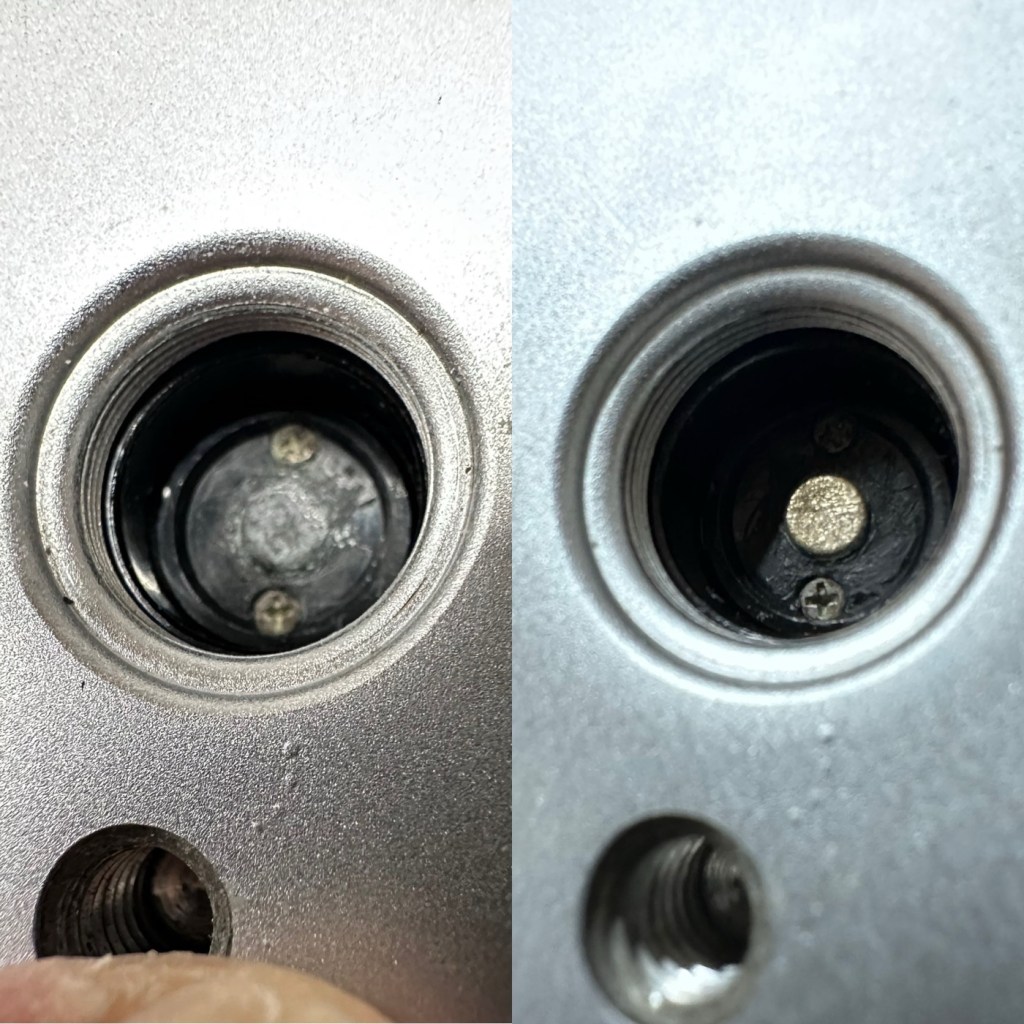
The battery currently in place was dead so I tried a new battery to no avail. When I opened the battery chamber again I then noticed some oxidation of the contacts, so a quick clean with some contact cleaner and they looked a lot different.

Before and after battery contacts

A new battery back in place, and hey presto the light meter is now working.

Light meter now working

I’ve given a good disinfectant clean. Buffed up the case to make the best of a bad thing, and it all looks good. The only thing I can do now is run some film through it to give it a final test. I have some old out of date colour film at home, so I will use one of these to run a test roll. As I stated at the beginning there is not really a lot that can go wrong with these point and shoots, and I’m confident that the only issue was with the exposure meter as everything else seems to be fine. let’s get that film run through the camera to check things out.

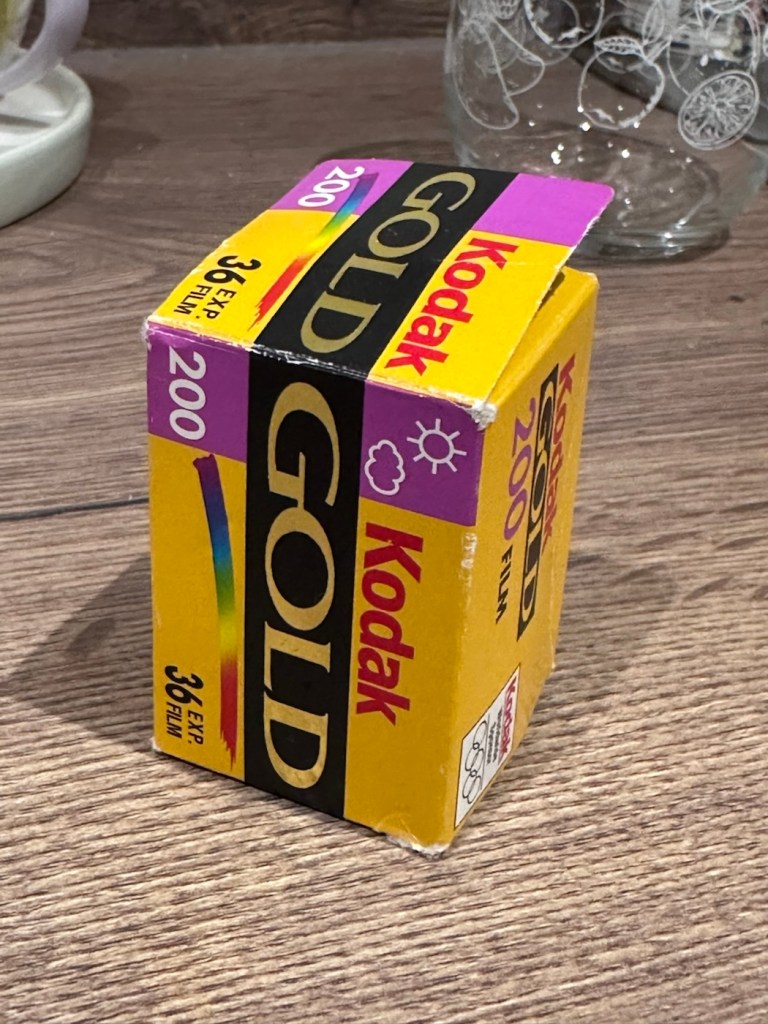
I’ve taken the film out of the fridge. It’s a roll of Kodak Gold 200ASA film, and it’s only 20 years out of date. I’ve tested a roll of this before, you can see that post here: 20yr old Kodak Gold.

The results won’t be anything spectacular, it will be grainy, it will have a colour cast and in fact might not even work at all. After this period of time the sensitively Will have dropped so I’m going to over expose this roll by one stop to attempt to compensate a bit. This 200ASA film will be exposed on this occasion at 100ASA. When I’ve exposed this it will be off to a local film developer- Classic photo supplies – for them to do the developing and scanning. Read this post regarding my rationale behind using this film: 3..2..1 – 20yrs out of date.

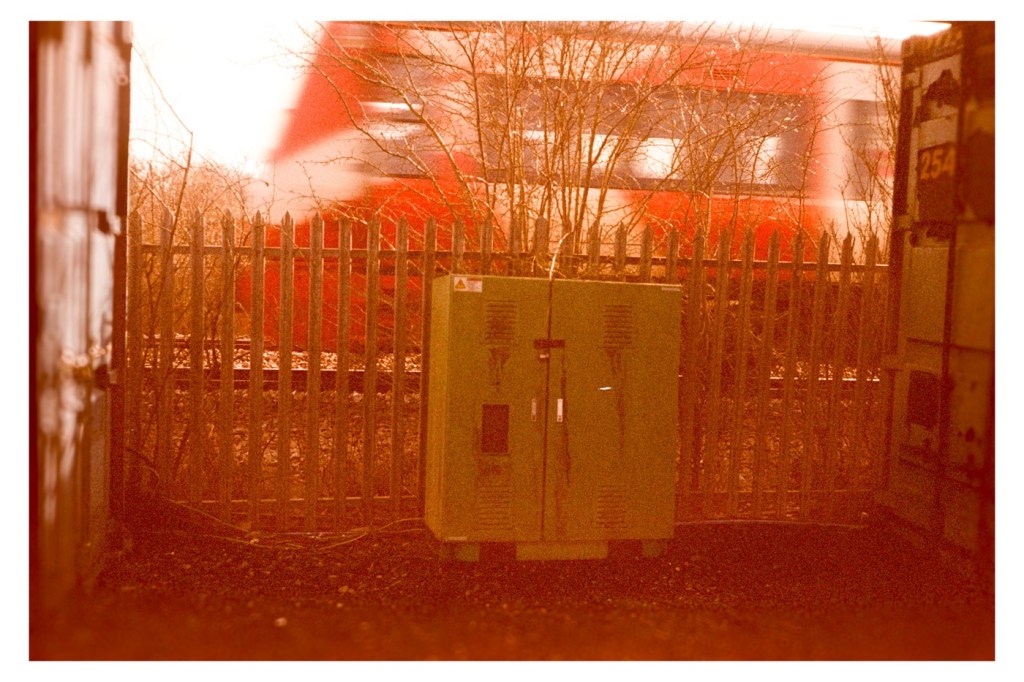
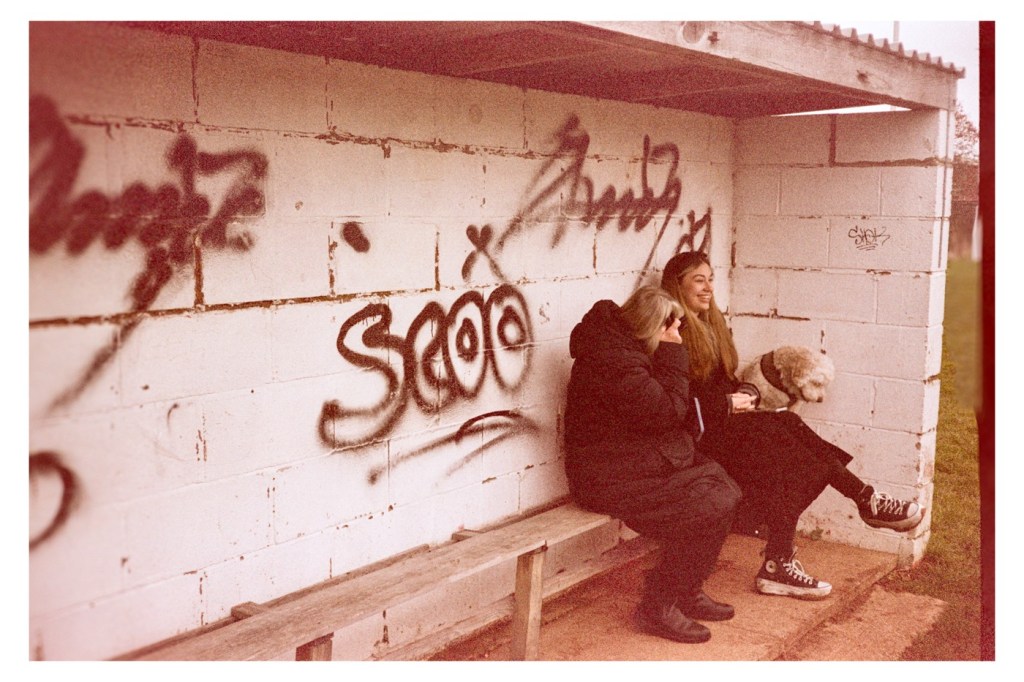
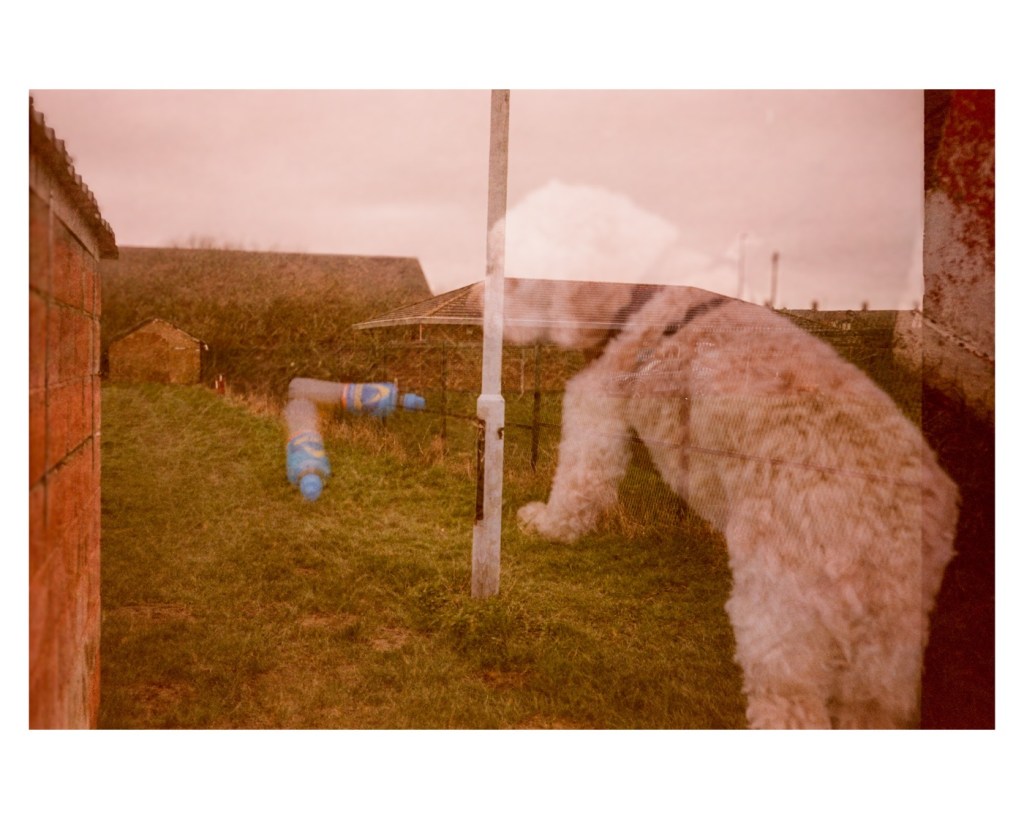
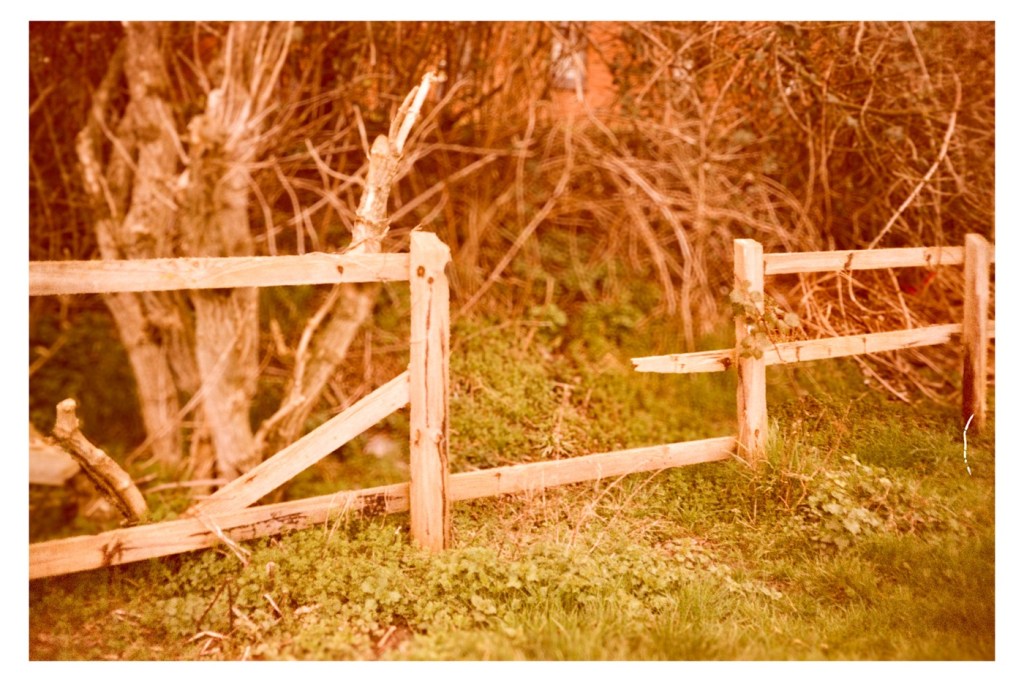
Result:

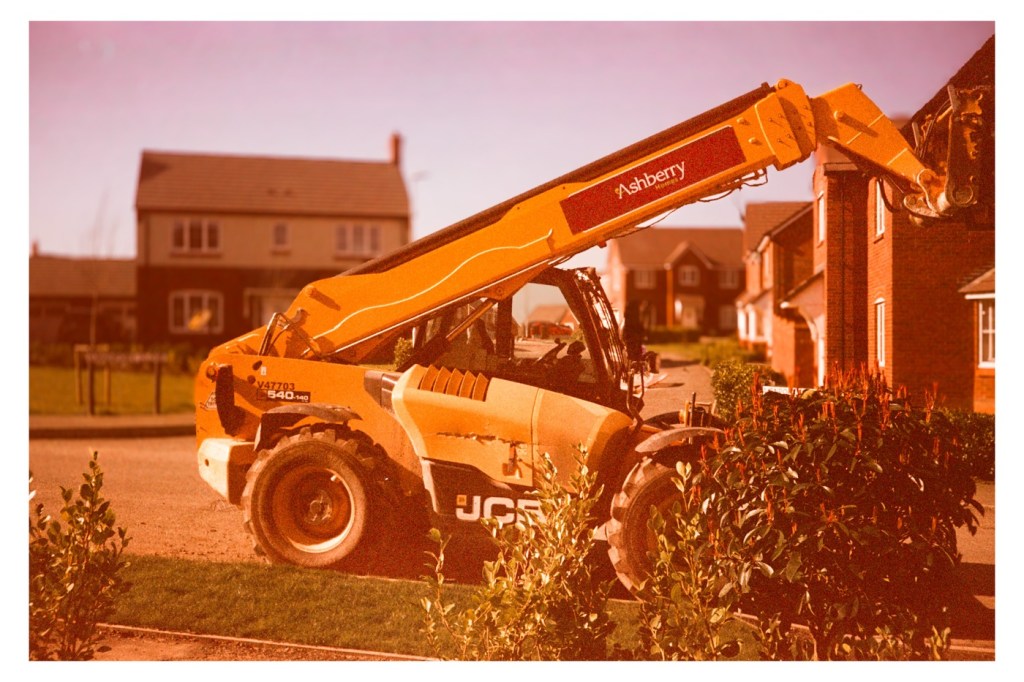
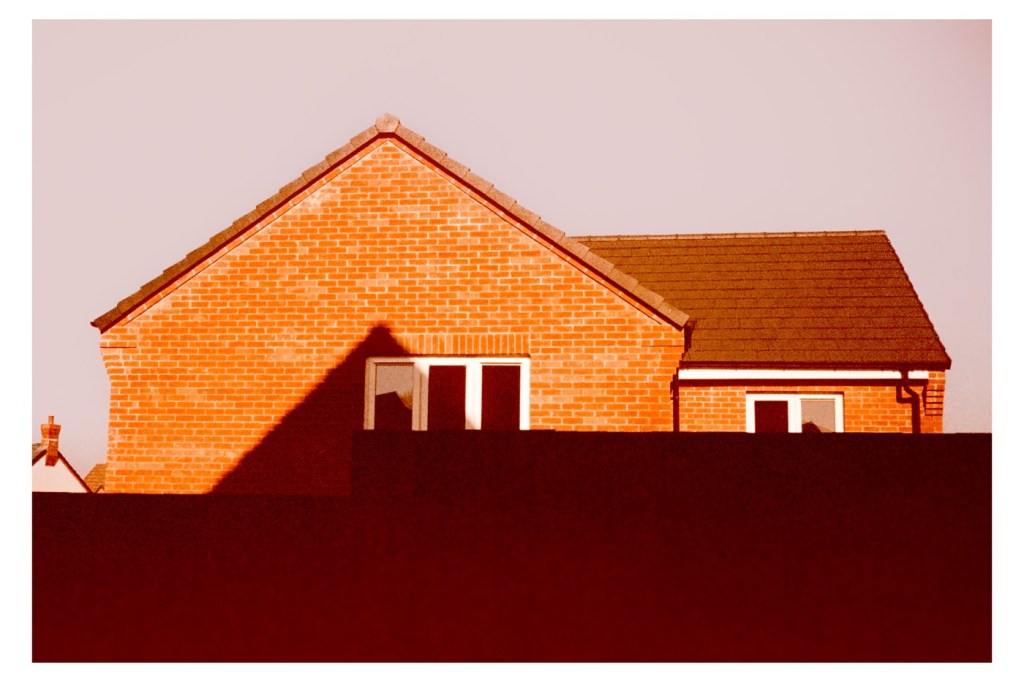
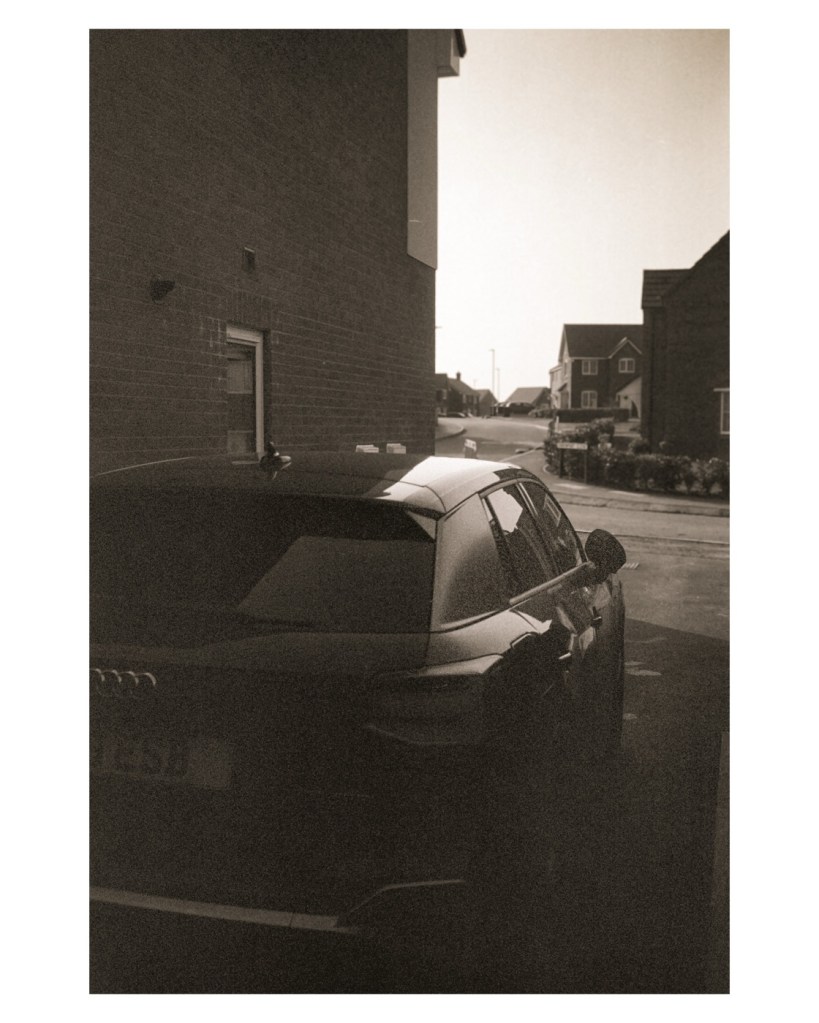
Well, the scans of the developed film have arrived back and it has proven a couple of things, one that the camera does actually work and two, that the film has definitely reached its limits, as the negatives show immense grain, and a colour cast due to the chemical structure of the film breaking down. I’m glad I only overexposed by one stop, I know that the recommended +2 stops would have been too much for this film. Below I have displayed a selection of pictures from this film, you can see the age related “colour cast” along with grain size if you zoom in. These aren’t the high quality pictures as the originals came back at about 30mpx each, and that would be far too high a resolution to show on this site, and I’d probably use up all of my photo allowance as well. So here are the greatly reduced results of those scans.

To be totally honest if you switch to B/W in editing mode, all the pictures come out fine and are completely presentable and maybe that’s the way to go with the next batch, don’t bother trying to get a good colour balance as that will never be achievable, just display in good old black and white, you can’t go wrong.

So the camera works, and this one will now be put aside until I decide how I’m going to move it on. It’s such a basic camera, the distance selections are questionable, but that’s just a remnant of the 70s technology behind it. It’s a good little point and shoot, but I do believe the likes of the Olympus trip totally outshone all other competitors in the point and shoot category.

Job done. Another old camera saved from the scrap heap, and given a new lease of life, and it probably took no more than 10 minutes to get it back in working order.

Thanks for passing by, it’s very much appreciated.
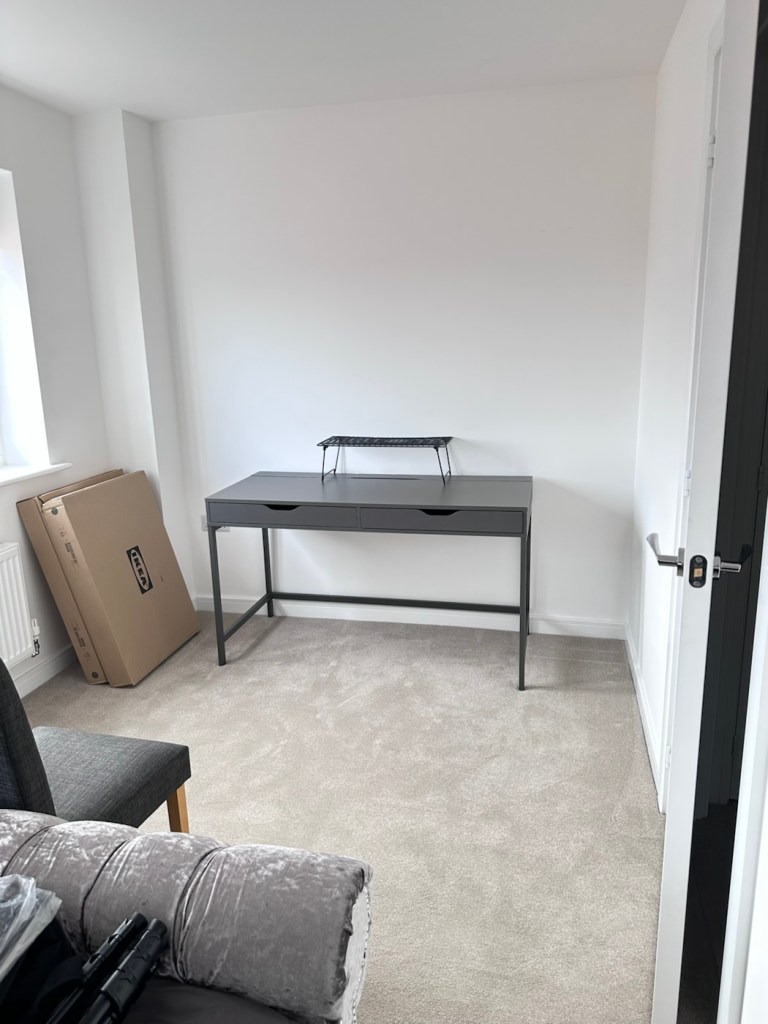
At last, the new work space takes shape.

The workspace is starting to take shape. Normal service to resume soon. Maybe I can catch up with this backlog now.

I’d pretty much closed down my workspace, when we sold our old house back in August last year. Everything I used the most was pretty much moved into storage as we prepared to make the move to our new home. All I was left with was a few screwdrivers, so needless to say, content on this site dwindled, whilst purchasing continued, hence I currently have 29 posts, in draft, awaiting completion as I don’t have a suitable workspace or the equipment available at the moment to complete any of them. I even purchased a 3D printer in November of last year for my birthday, it has been in storage all this time, I have now brought it home and have now made my first 3D print, that post can be found here: My First 3D print attempt

Things are about to change.

We pretty much have every room in the house now up and running. We are settled now and the final boxes have been attended to within the house, and we are finally getting to the point where regular recycling visits to the tip to get rid of the old cardboard boxes are finally coming to an end.

The next stage in my wife’s own words are, “ we can now get Dave’s room sorted.” The words I’d been waiting for.

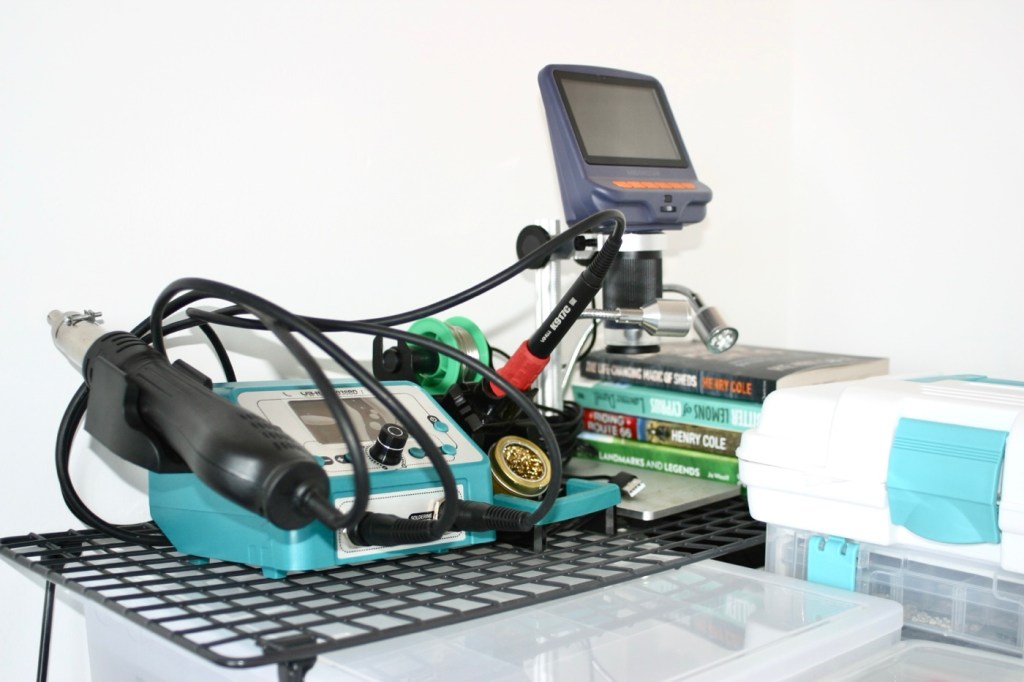
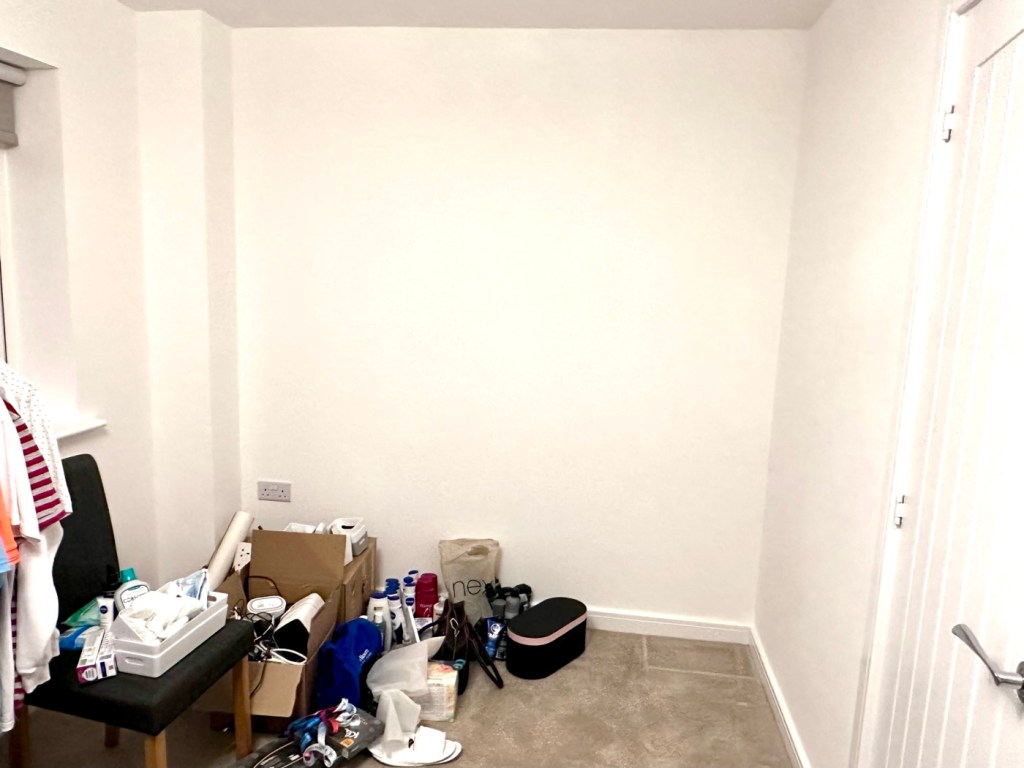
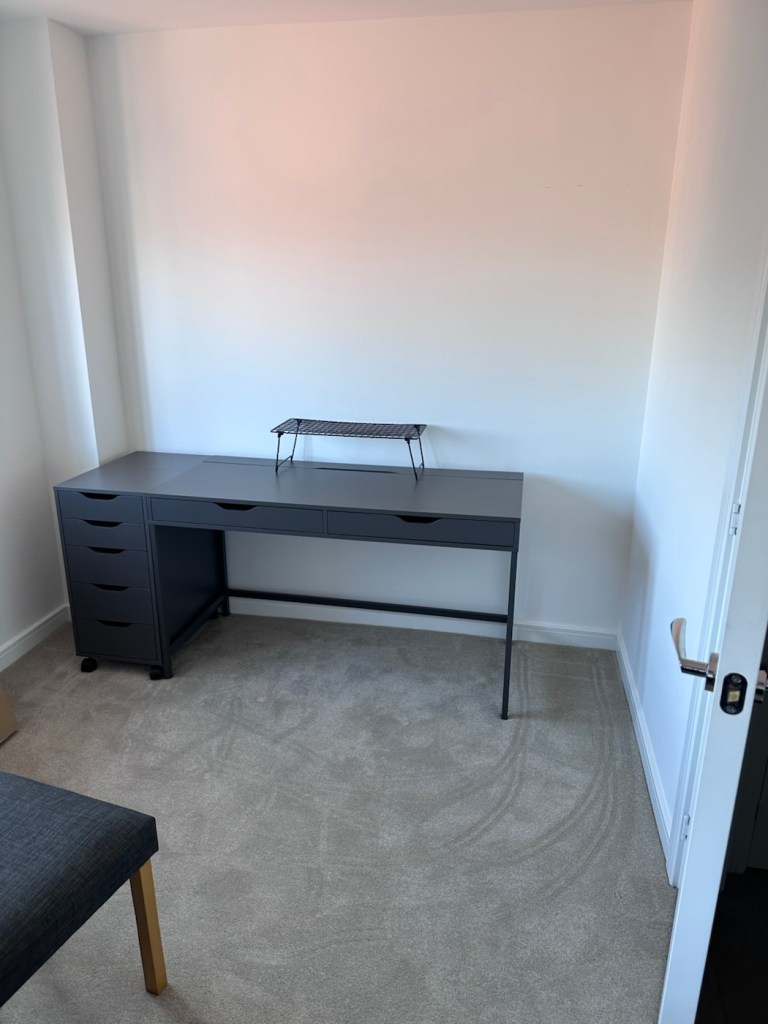
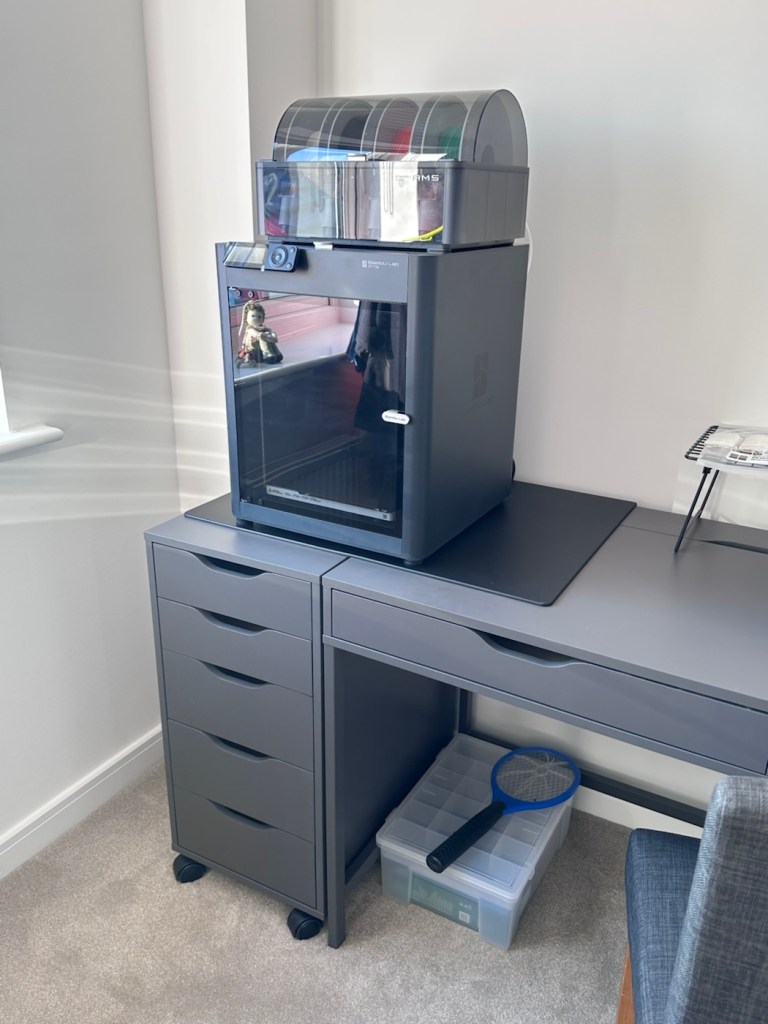
My workspace – a wall in a guest bedroom

I’m calling it my room but in theory it’s not a whole room. It’s part of the third bedroom where I am probably just occupying one wall at the end of a guest bedroom, it’s all I need, I have a Garage to do all the blokey stuff in, this space is purely to work upon all my cameras and other more delicate items of work.

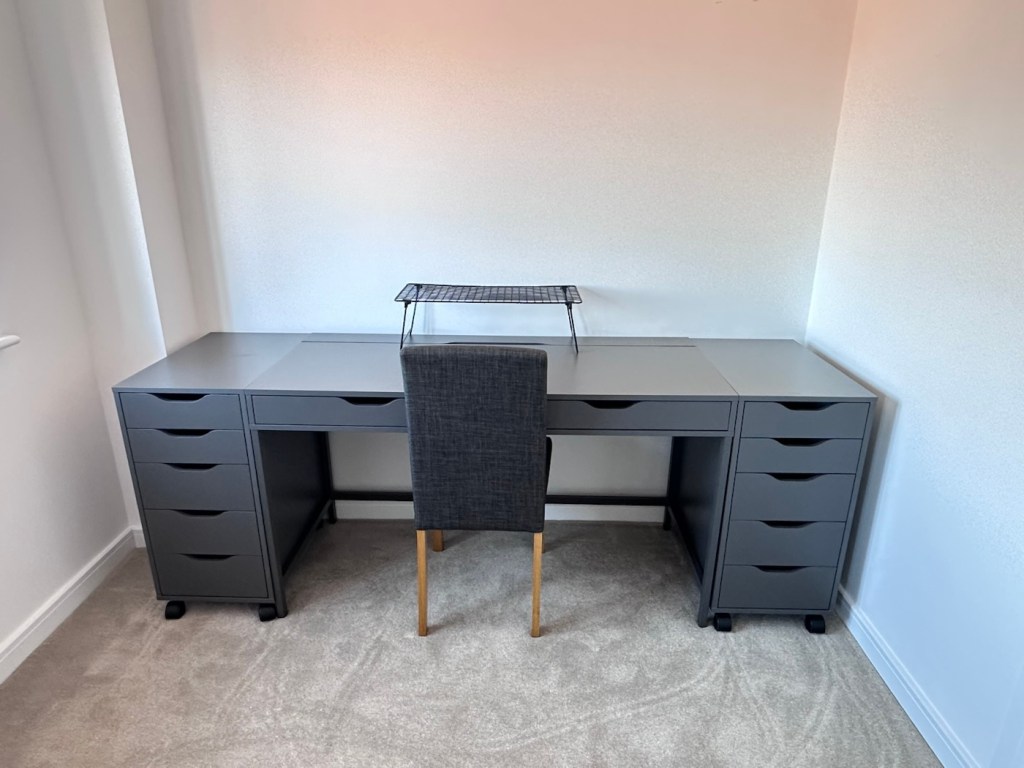
Whilst visiting a certain Scandinavian furniture store i have purchased a basic setup for me to begin working on. The good thing about these furniture systems is that you can start with a basic layout and just expand upon it, and that’s the plan.

I have a desk and drawer system arriving today, and quite a bit of construction to do, once this is in place then I can start getting my gear from storage and get it back into place. It will be nice to have all my equipment in a permanent placement, without having to take it all apart and storing everything back in boxes after I have used it. I’m looking forward to this as to be honest, I’ve really missed it. However I have been pre occupied around the house and there has been an awful lot to keep me busy, there’s been no rest really, I must be very wicked 😂

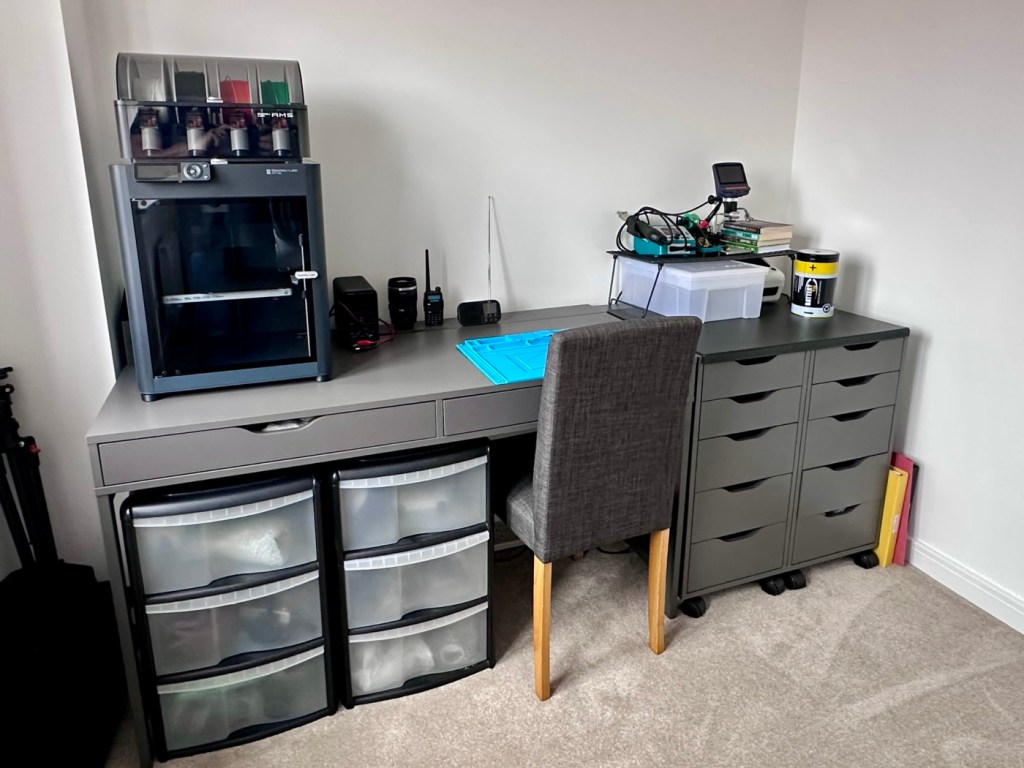
So as of 10th March, I’m quite pleased to say that my workspace is now ready to use. It’s still a way from being complete as I still have stock to bring from storage along with the last few tools and boxes of components. There are still shelves and storage to put in place, but at long last I can now sit down and finally start to play catch up with my ever expanding backlog.

The workspace….liable to be moved about yet again

I must admit I’ve moved things about, and I’m probably liable to move things about again over the coming days and weeks, even months as I can’t quite decide how the setup should look. It’s probably going to be a few sessions of me not being able to find tools, parts and cameras that will help me decide just what, should be where. In the meantime, it’s good that a kind of normality has been restored, and I can now start to resume where I left off all those months ago.

My First 3D print attempt

I’ve had a 3D printer for 4 months now. I am now able to use it and today I have produced my first 3D printed item. A Poop bin. Yes you did read that correctly….

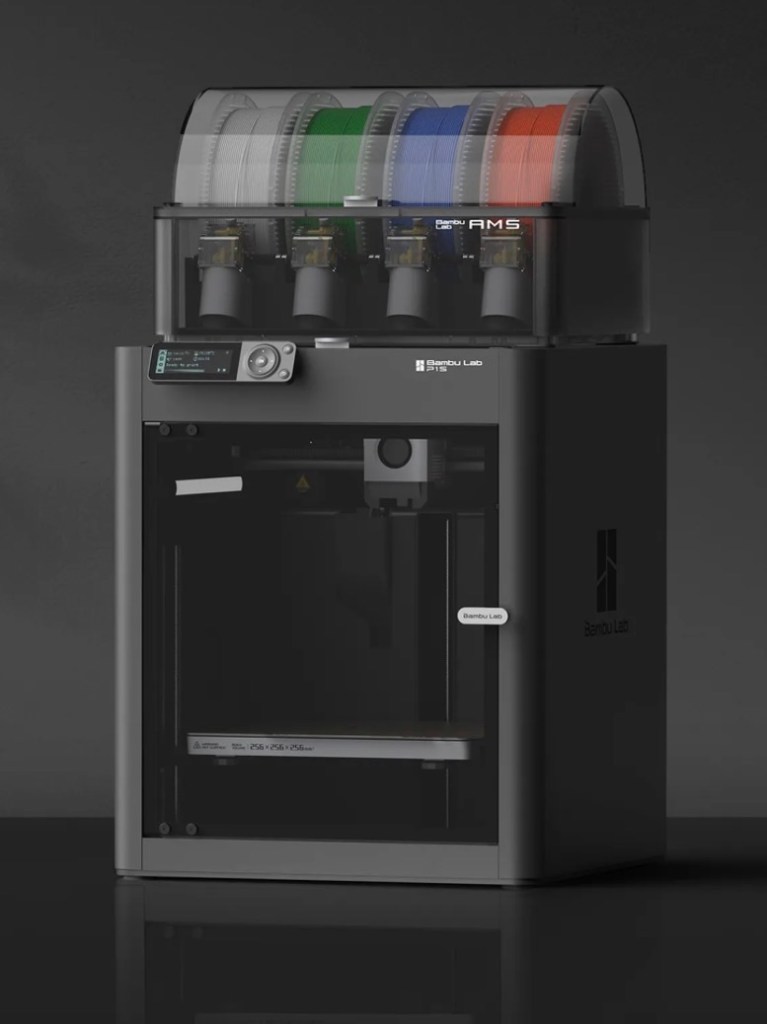
Those of you who watch this site with eager anticipation (I’m joking 🙃) may remember a post that I published in November of 2025, when as a result of all the money I received as gifts for my birthday, I went out and purchased myself a Bambu PS1 Combo 3d printer: I’ve taken a dive….

My Bambu PS1 Combo

I’ve not printed a single thing 3D in my life and to be quite honest I haven’t got a clue on what to do, but as usual I’m willing to learn. I’ve had a number of occasions over the past couple of years where I’ve needed an obsolete part for a project, I’ve had to go as far as Italy to get parts printed whereas with this equipment I could have done so my self, cogs and gearing are a regular item that I come across that I could also use this equipment to produce. See, it will serve a use to me once I have my workspace configured.
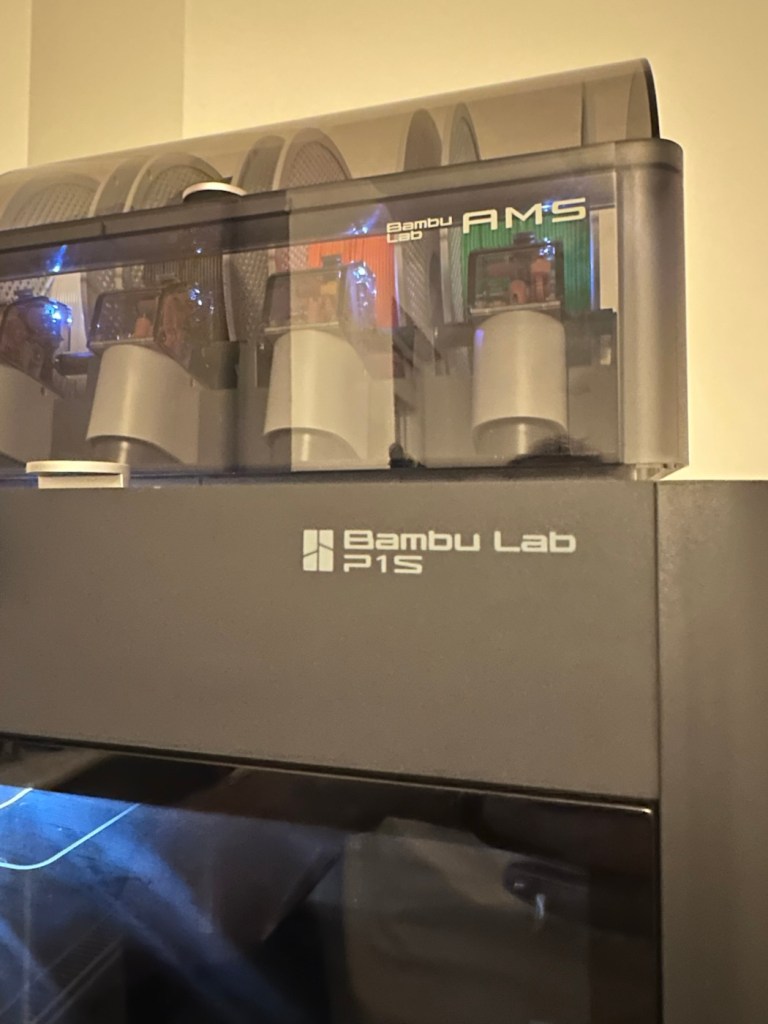
That time has arrived….

Now we are safely moved in to our new home, and all the important stuff has been attended to, attention has switched to getting my work area up and running, and I will shortly be uploading a post regarding the inside my work area.

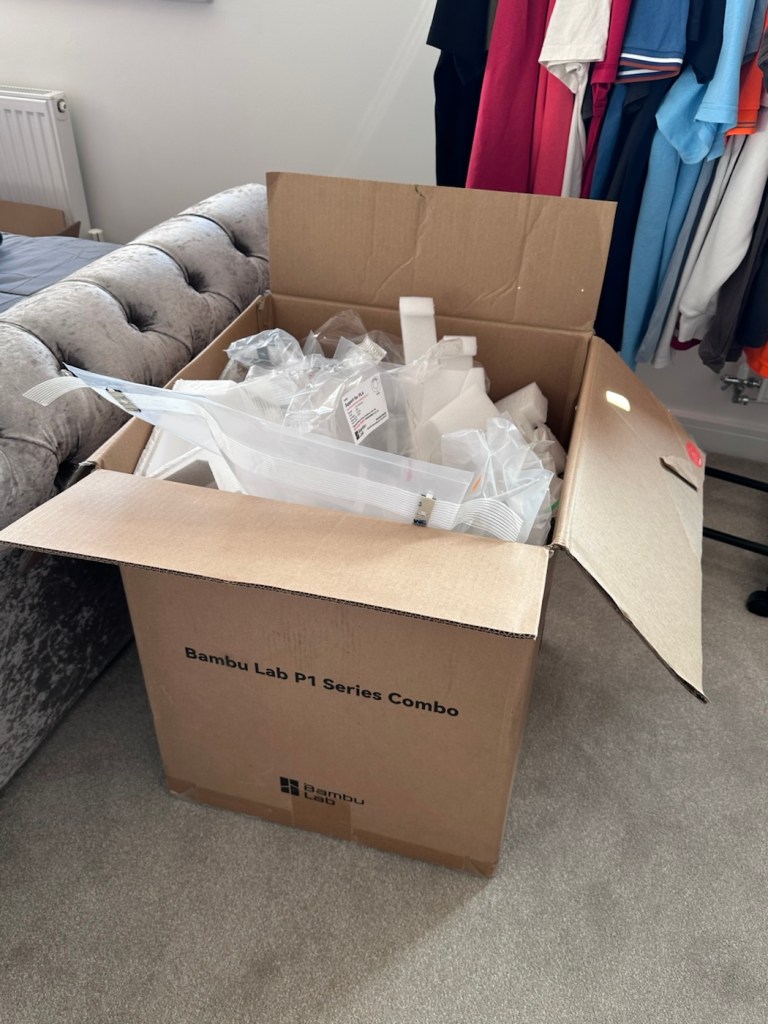
However, this piece of equipment has been in storage since November, almost 4 months now and needed to be put into action as soon as possible. Seeing that the workbench was now in place it only seemed right that the printer was now unpacked.
It’s a big box, and has a lot of packaging

Even to do the unboxing there is a QR code to link you through to the process to follow, it is very informative as these printers are packaged so well, there are screws and supports to remove, put in place to stop sensitive parts being damaged or dislodged during transport.
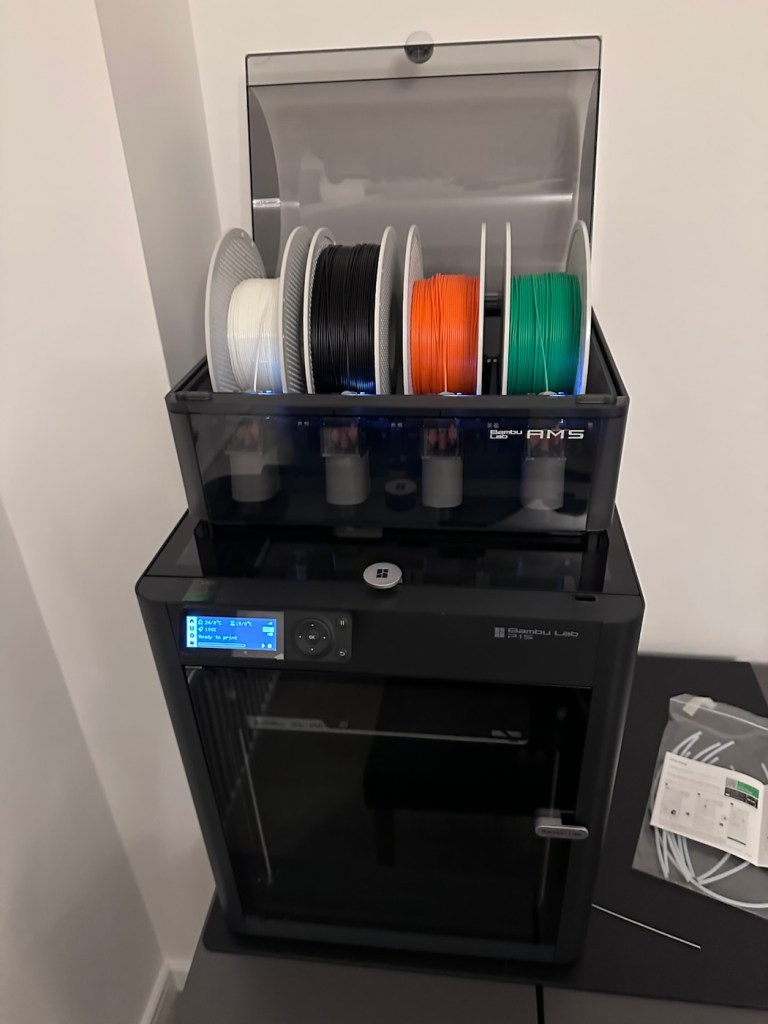
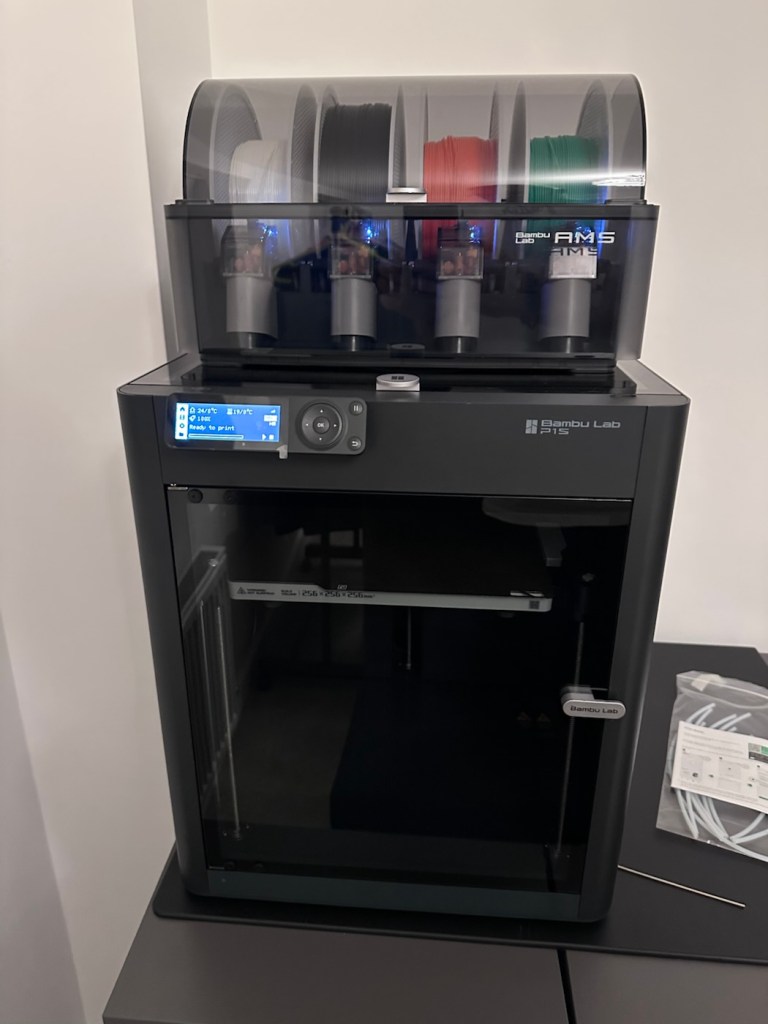
When you follow this system of unpacking, you are also linked to an app called, “Bambu Handy” that really is the control system for your printer. Here you register, set up blue tooth and WiFi options and the app then becomes your monitoring and control for your printer. At the moment I’m sticking with just this app, once you are more experienced there are a number of more complex programs you can then use for design and editing purposes. For now I have found my level. I now install what is called the AMS system on top of the printer, it is an automated feed for using more than one coloured filament, the printer can move from one colour to the next automated, without interrupting the print process.

But that creates a little waste product….

And there is my first print project.

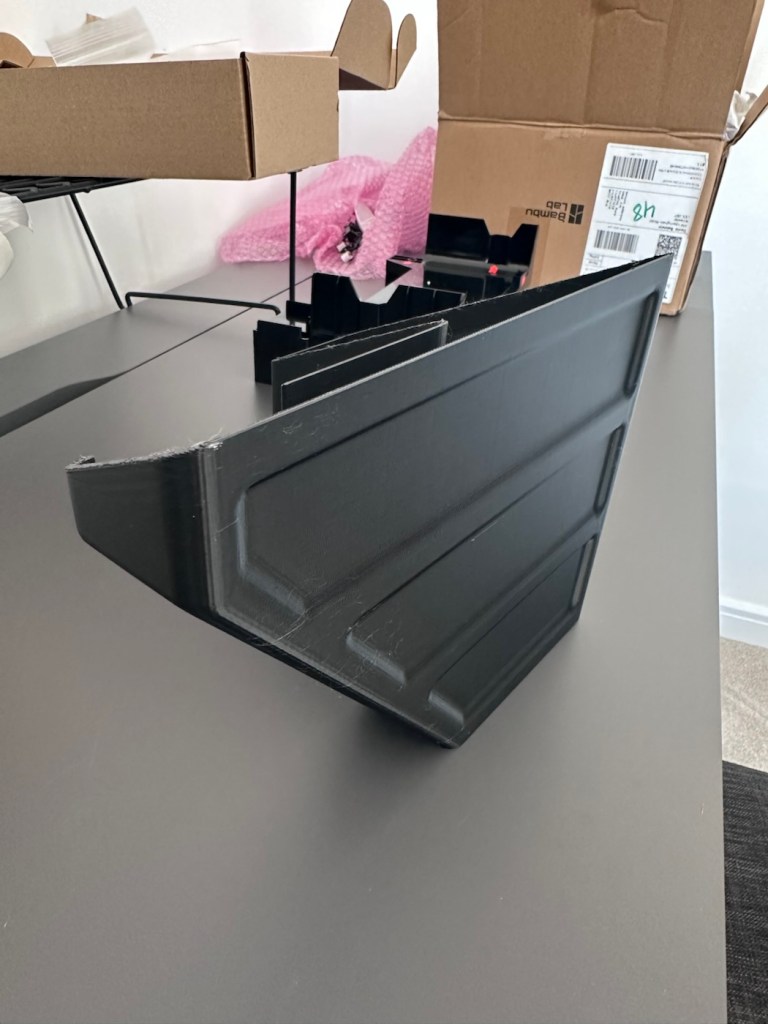
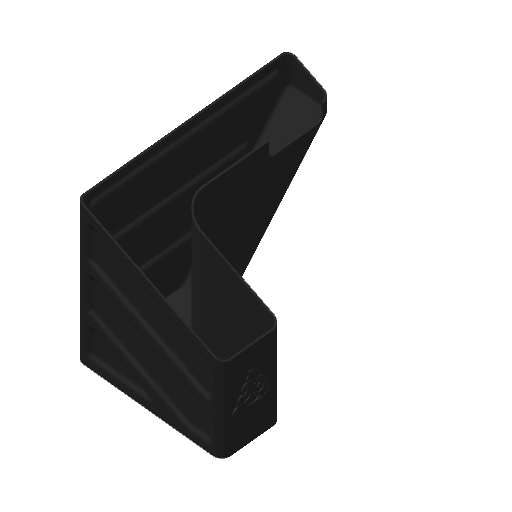
When the printer initially primes, or when it changes colour it will create a little waste as it clears the nozzle of one filament to use another. This waste then exits the rear of the printer onto the floor, or work bench depending on the positioning of your printer. For this reason people then install what is known as a “Poop bin” to collect such waste. Here is a draft picture of the one I will print for this printer.

A draft “Poop bin”

Now, this app fortunately comes with absolutely thousands of pre programmed prints covering all aspects of printing technology from home, toys, educational and everything in between. Fortunately, because “me” as the totally clueless, doesn’t have to learn basic CAD and slicing techniques, because some clever individual has already done that for me. And for that I am very grateful.

There are a number of tools and equipment you can print for these printer units, it’s as if they are self maintaining and developing. All very clever stuff.

But a “Poop bin” is a necessity if you don’t want to suffer the wrath of your other half by spewing out randomly produced plastic waste on to her nice new carpets. That is not conducive to a happy and peaceful existence 😂

So a “Poop bin” is my first ever 3D project….so here goes.

A simple selection on the app, of the item you require, a few settings get amended, the printer does some calibration checks and then the process starts, this particular print takes about 4.5 hrs to complete. Fortunately the system has an inbuilt camera so you can check progress or even get a timelapse at the end. You can basically shut the door, turn off the light and walk away, you can always check in, but sitting there just watching for 4.5 hours can get a tad boring, and is just like watching paint dry, so why not just walk away and do something more useful. I did just that, and went to assist the wife with some chores.

Here is the said timelapse of the print. 4.5 hrs in about 30 seconds. The dark periods are brief and were just me messing with the onboard light settings.

My 3D poop bin printing

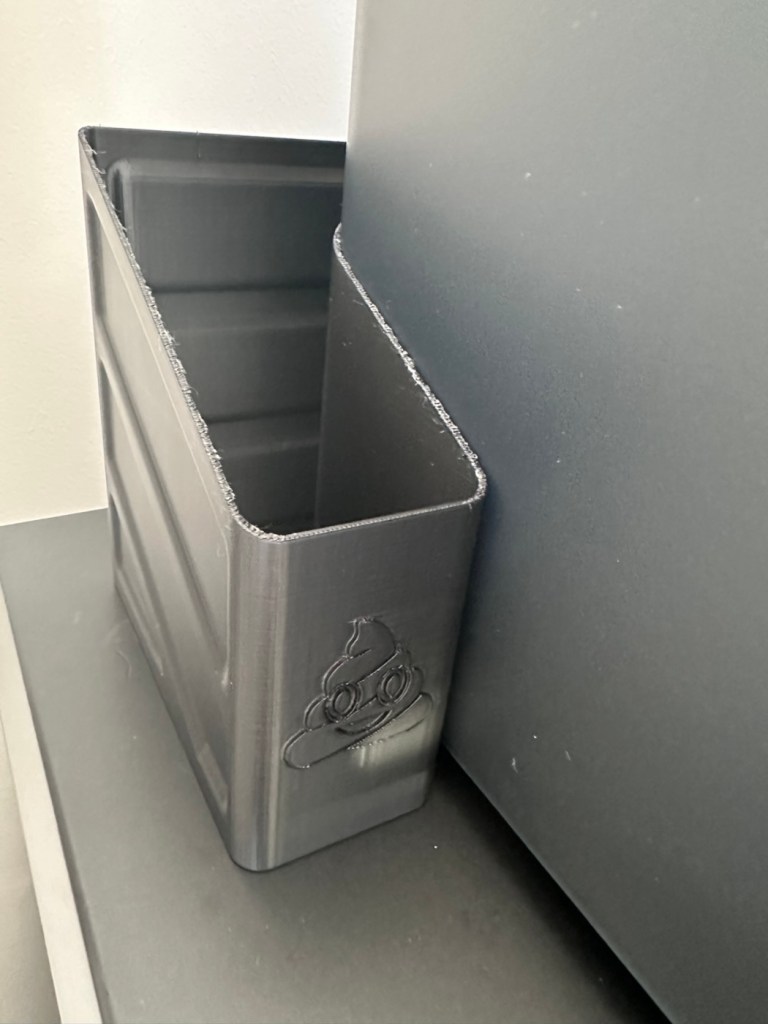
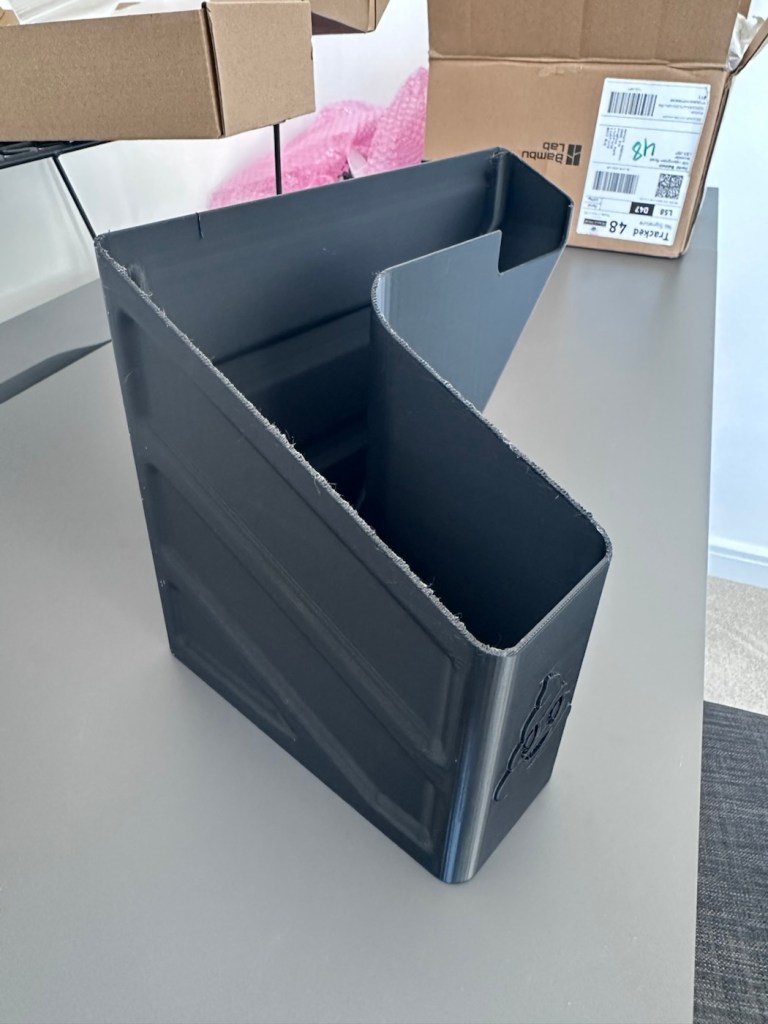
Here’s the actual finished article, and situated at the printer.

So that’s it really. Still learning but quite happy with what’s been learned so far, the desk and everything needs some fine tuning and there is a lot of gear still to be added but we are now off to a flying start.

Current position with anti vibration feet now installed

One thing I did notice was that there was some vibration and noise, however I did get gifted some anti vibration feet with the package when I purchased the printer, I have now installed these so hopefully the next print will be a little bit more peaceful, not that it was particularly bad anyway.

And that concludes this post. Thanks for reading, it’s always appreciated and I hope this day finds you well and at peace.

3..2..1 – 20yrs out of date.

Soon, I will
Post a report I have done of a repair on an old 1972 camera. But first I want to test it with some film that expired 22 years ago.

I recently purchased a 1972 Yashica 35ME. It’s an old point and shoot, from back in the day, similar in looks to an Olympus trip, but an Olympus trip it is not. A very basic 35mm camera, with a CdS light meter that was not working, it is now.

I shall have a post out soon about the camera but the final testing involves running a roll of film through it to test. And all I currently have is a few rolls of old Kodak film that all expired about 22 years ago in 2004. You may recall this post I wrote regarding my last involvement with this film stock a few months ago –20yr old Kodak Gold

As a result of that test you will understand why I am over exposing this film by only 1 stop, even though I’m being told by “Professional dudes” it must be at least 2 stops. I understand their reasoning, but I’ve tested this batch previously and they haven’t, so i’m sticking to my guns on this one. If I’m wrong I’m wrong, but I will have learned. Let me do things my way ok?

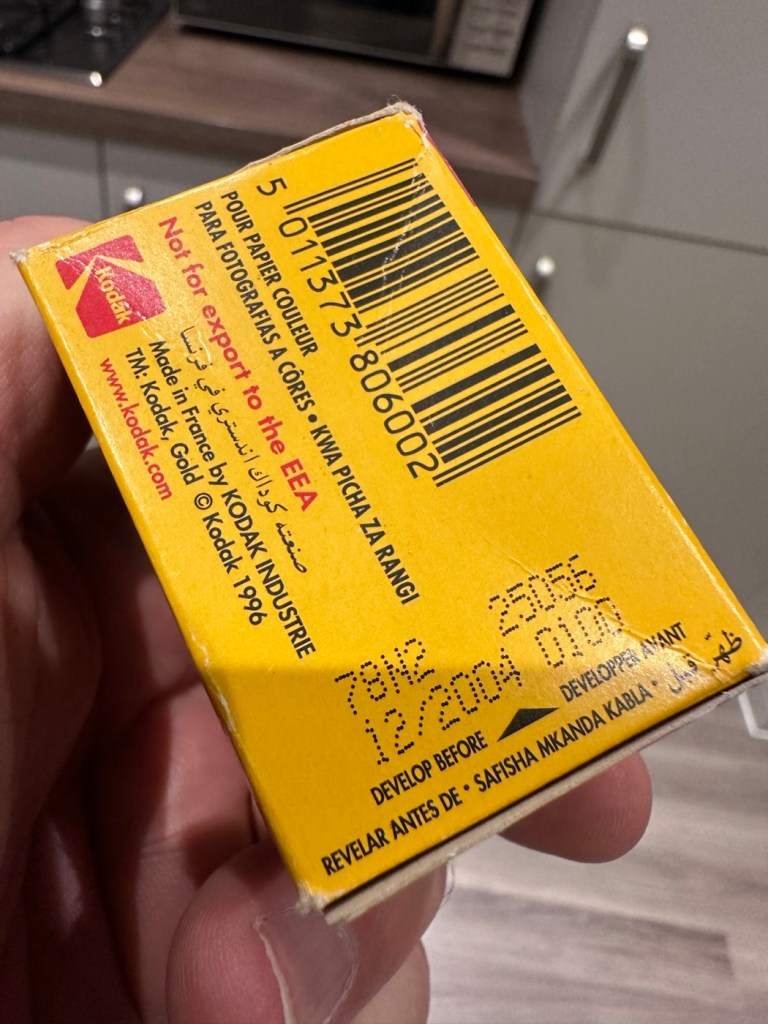
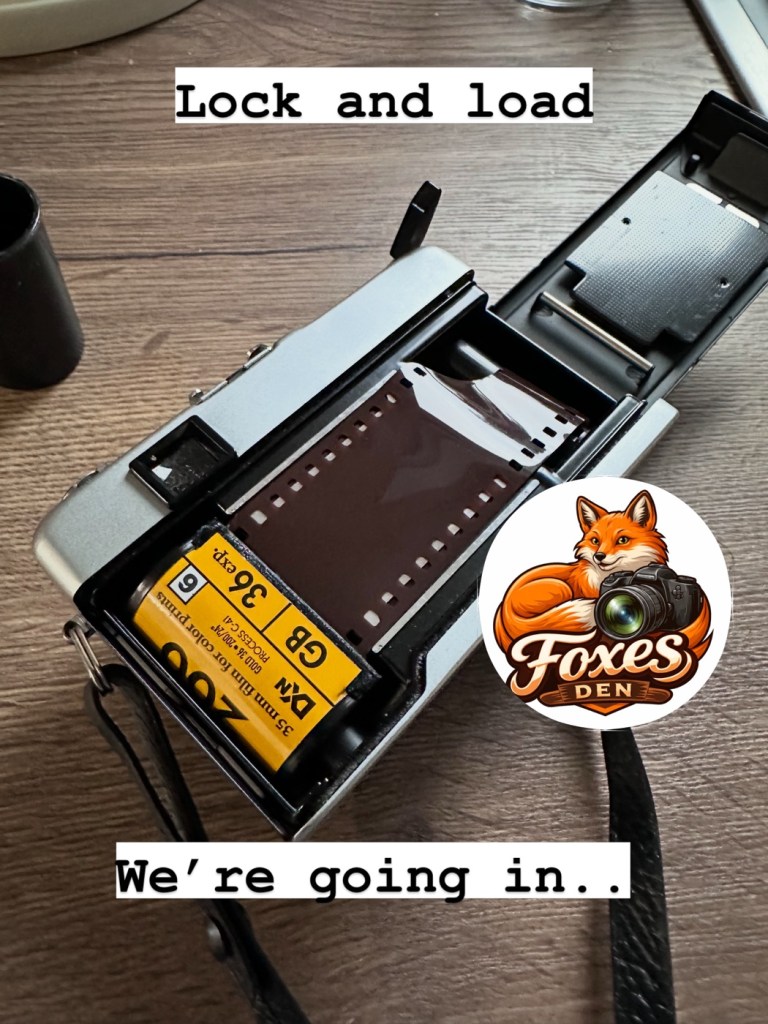
I’ve loaded up with Kodak Gold 200ASA that I will be overexposing at 100ASA, it expired in December 2004.

I’ve locked and loaded a roll into the camera today, but I’m just waiting for some good light. So I can get out and give the camera a real test taking random pictures, in various locations to give the camera a fair test.

Just awaiting some decent light.

I’ll post the repair on here shortly, hopefully with some pictures once the negatives have been processed and scanned.

But as we are waiting some nice conditions, and this is the East Midlands of the Uk, we could be waiting a little while yet.

The repair and photo results can be found here: Yashica 35 ME

Take care, stay safe. Thanks for looking in. 🙏