

An antique. A genuine antique. For a ridiculously low cost of £7:90GBP. And this little beauty was purchased for me by an elderly friend as an Easter present. Yep, for the price of an Easter egg in the Uk I’ve been brought an antique piece of photographic memorabilia, how good is that?
Here’s what the listing stated:
Kodak No:1 folding pocket camera
EBay
The listing leaves a lot to be desired, but as these cameras were produced between 1926-29 they are now reaching the 100 year old stage, a real antique, and to be honest at this age, just like most of us approaching a pensionable age, you would be expecting some wear and tear and a little bit of misbehaving. (I speak from experience even though i currently reside at the lower end of the antique spectrum). Around 800,000 of these cameras are estimated to have been produced, so there are a good number still available on the markets, I suspect this is what governs the low cost.
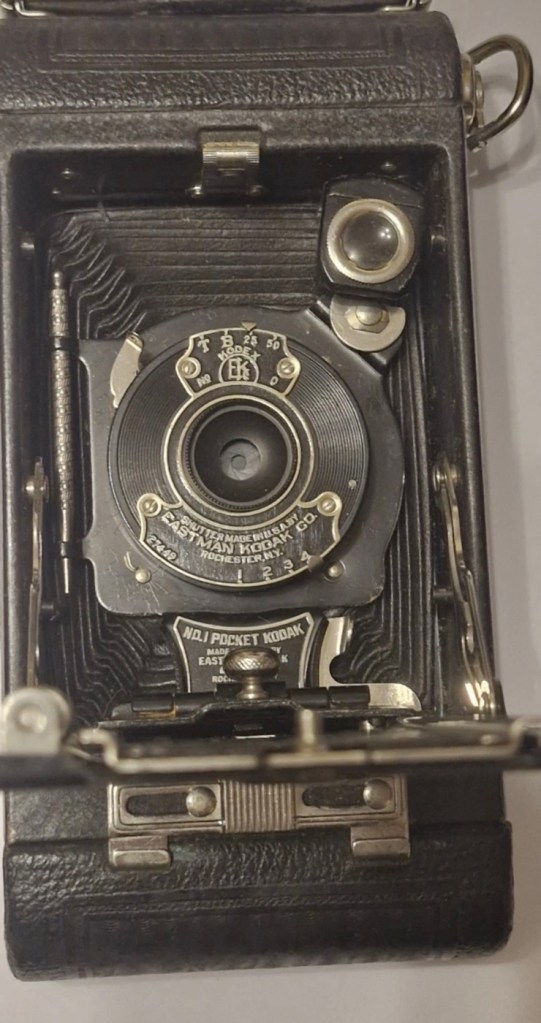
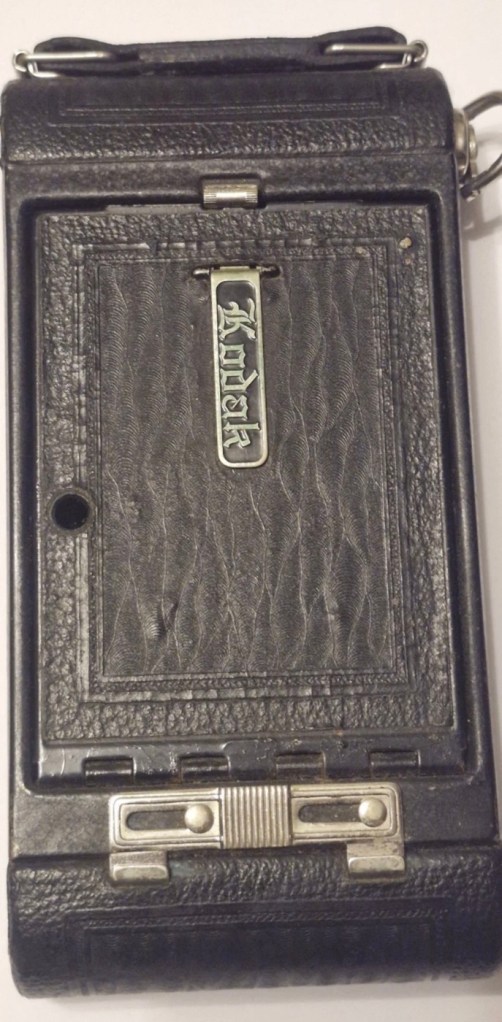
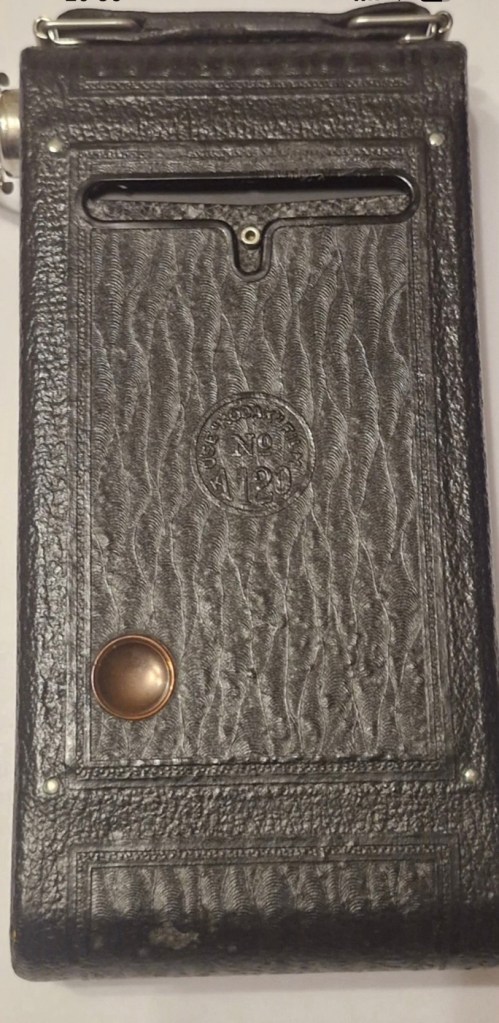
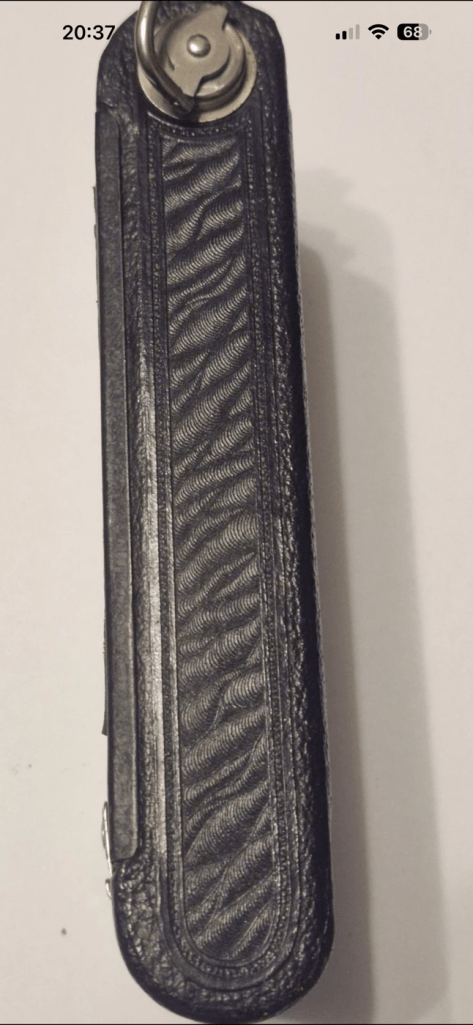
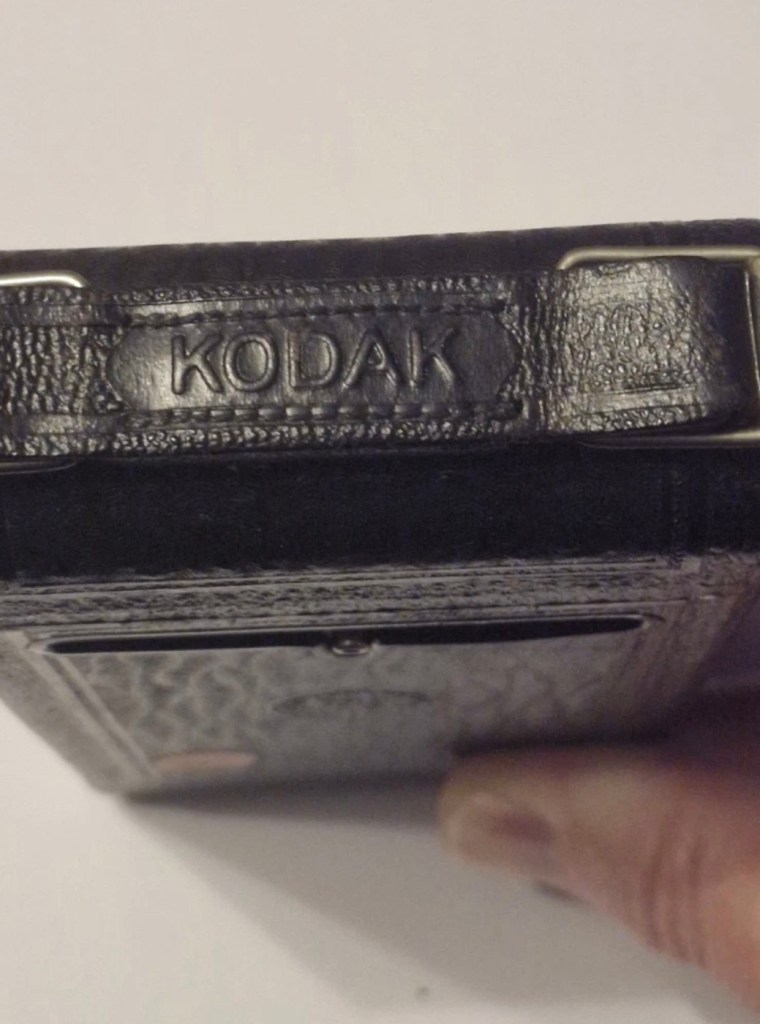
Yep, to be honest I do expect there to be issues, but at first look this camera appears to be in a very good condition, with a couple of parts to it that normally go missing over time, still present, and at the measly price I paid for it, I’m not complaining. The leather appears to be fine, and well looked after, it looks remarkably clean, but we’ll just have to wait and see.
This is an autographic version, this was a system introduced on these early cameras that would allow you to write with a small metal stylus (Stored alongside the lens) through a small aperture in the rear of the camera, allowing you to put picture details onto the specialised, unexposed film below. A really early form of EXIF data if you like. There is also a metallic kick stand bearing the “Kodak” logo, this allows the camera to be stood upright, and this piece is sometimes missing off of these old cameras. Fortunately this example seems to have all these features still in place.
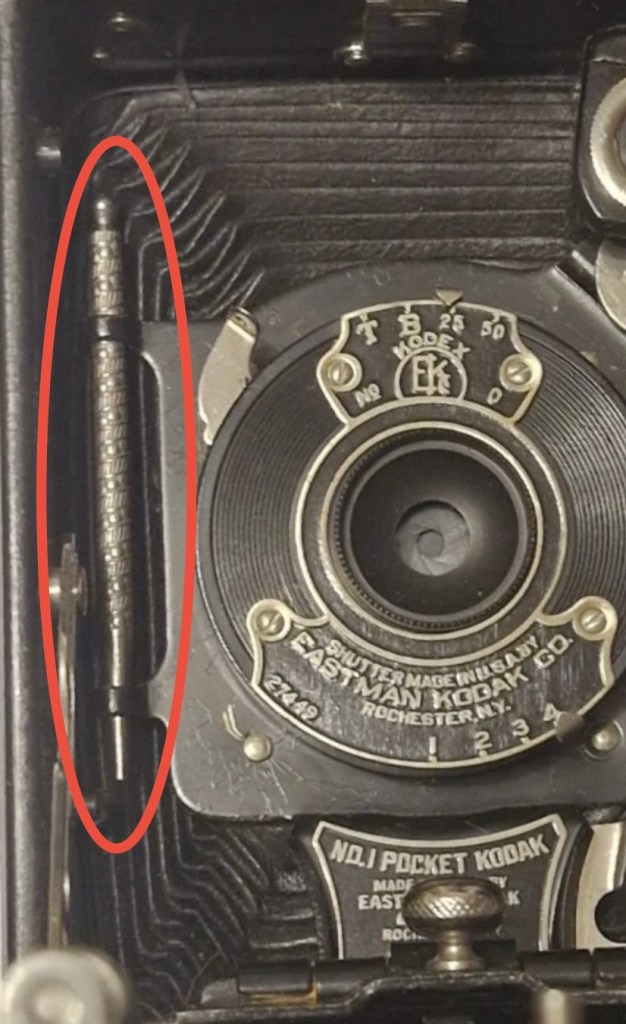
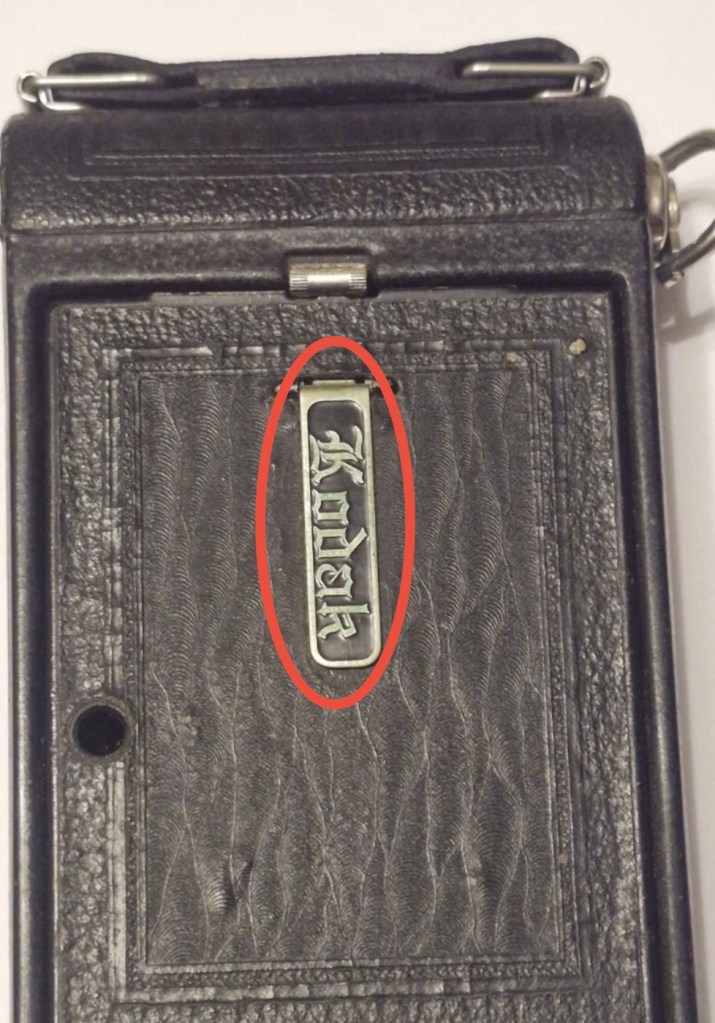
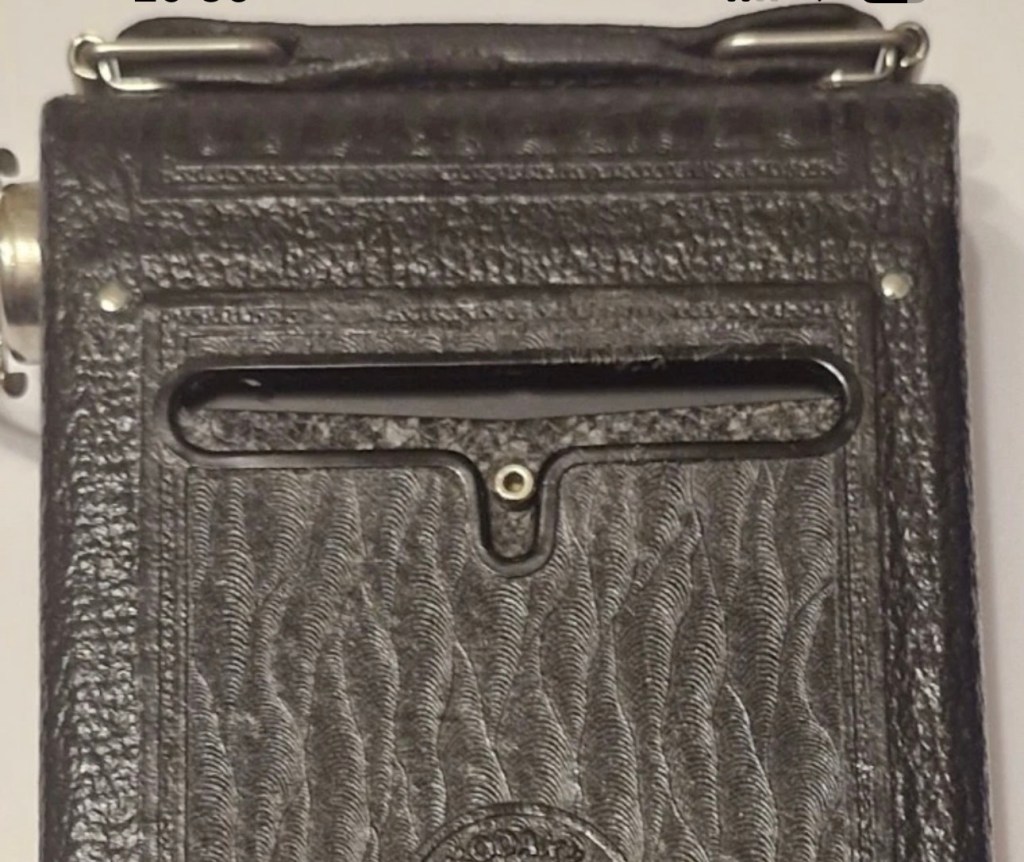
Here’s some info regarding Autographic film and cameras:
Autographic film and cameras, Eastman Kodak products from 1914 onward, allowed the photographer to enter his or her own notes onto the negative, rather like an early data back. Comments are written with a stylus in a window in the camera back, onto the paper backing of the film, which incorporates a carbon-paper. This leaves the backing slightly translucent where the stylus passed. The writing window is then exposed to the daylight and the inscription burned onto the negative.
The method was invented by Henry Jacques Gaisman, who patented it in several forms, perhaps to prevent similar designs being patented by rivals (see the various patents below), over several years. In the various designs, the inscription is made on the film in several ways:
- Carbon powder from a carbon paper is transferred to the emulsion side of the film, and casts a shadow when the film is exposed through the lens; the lettering should be dark-on-light, in the finished print, and appear in the picture area.
- The emulsion itself is compressed against a textured surface, and this changes its response when exposed; the lettering should appear as stippling, either in or outside the picture area, according to different designs.
- Carbon is transferred to a translucent backing paper, and the writing casts a shadow on the film when exposed to light from behind (after the carbon paper is removed); The lettering should be dark-on-light, and appear outside the picture area.
- The carbon layer of the carbon paper is disrupted by writing on it, and so allows more light through (the film is exposed from behind, with the carbon paper in place); this is the form of the invention actually made. The lettering is light-on-dark in the finished print (dark-on-light in the negative), and appears outside the picture area.
Camera-Wiki.org
And here is some information regarding the camera itself:
The No. 1 Pocket Kodak was made in USA from 1926 to 1932 (in UK from 1929-1933) and took 6×9cm exposures on 120 roll film.
In the USA in 1929-31, as well as black it came in four colors: blue, brown, grey and green. These have the Kodar f7.9 111mm lens in a Kodex shutter. All have the Autographic feature. Other lenses were the Kodak Anastigmat f6.3 and Kodak Anastigmat f7.7.
Technical Specifications (1926 Version)
- Lens: Often an f/6.3 or f/7.9 Kodar/Anastigmat lens.
- Shutter: Kodex shutter with speeds of 1/25, 1/50, Bulb (B), and Time (T).
- Focusing: Accomplished via a worm screw or sliding the lens standard on a track, with a distance scale in feet or meters.
- Viewfinder: A rotating “brilliant” waist-level finder for both portrait and landscape shots.
Using the Camera Today
- Film Compatibility: The 1920s No. 1 model is highly desirable because it takes standard 120 roll film, which is still manufactured today. Older models designed for 105 film can often use 120 film with minor modifications or original 105 spools.
- Autographic Feature: Many models have a small door on the back and a metal stylus. This was originally used with special “Autographic” film (discontinued in 1932) to “write” notes directly onto the negative. Warning: Opening this door with modern film will ruin your photos.
- Light Leaks: Due to their age, old bellows are prone to pinhole light leaks. Many users tape the red window or the autographic door with black electrical tape to prevent fogging.
Camera-wiki.org / Google
So let’s do a full assessment on this camera.
Assessment:
Here’s just what arrived, and for a one hundred year old camera it is pretty much perfect.
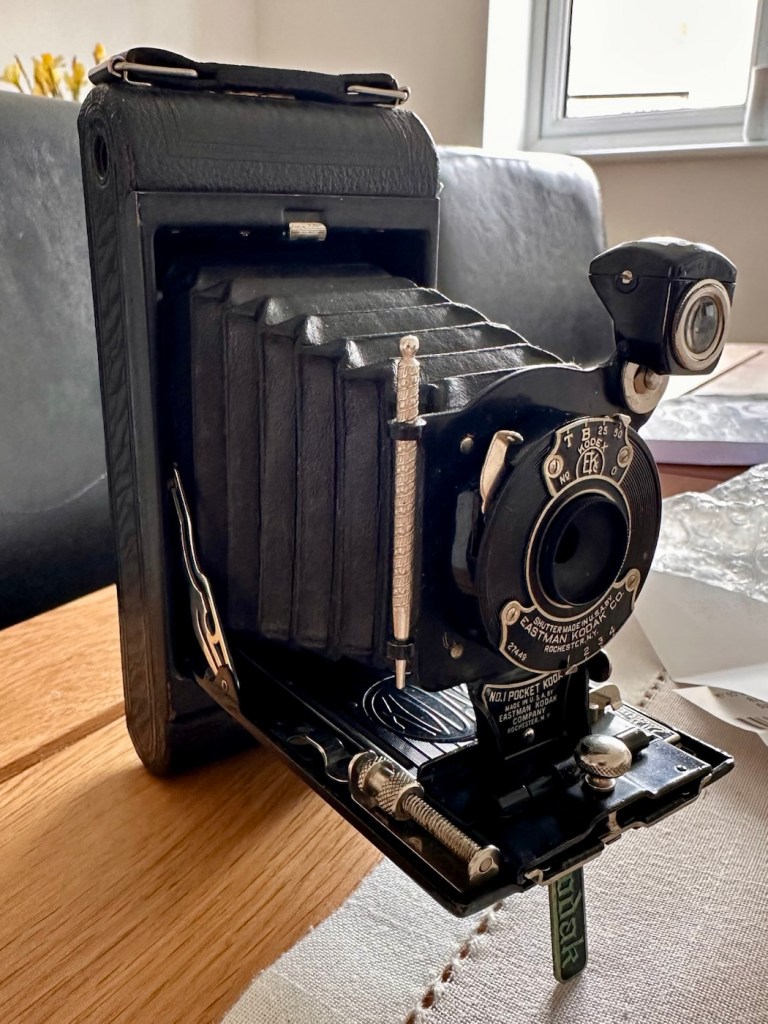
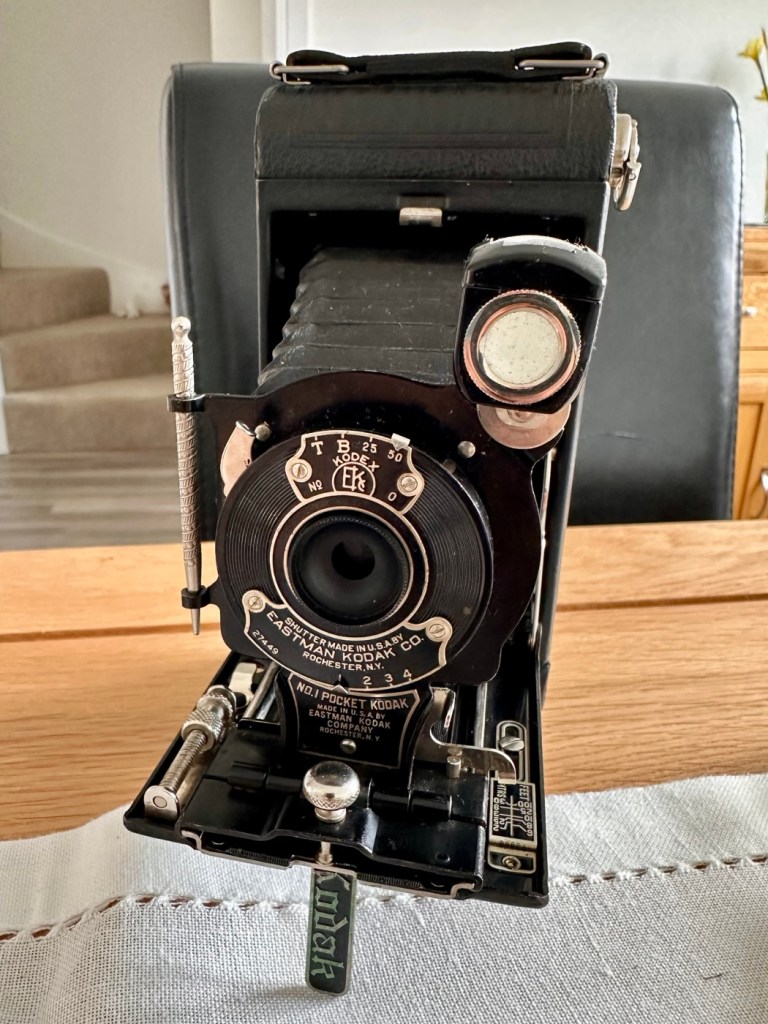
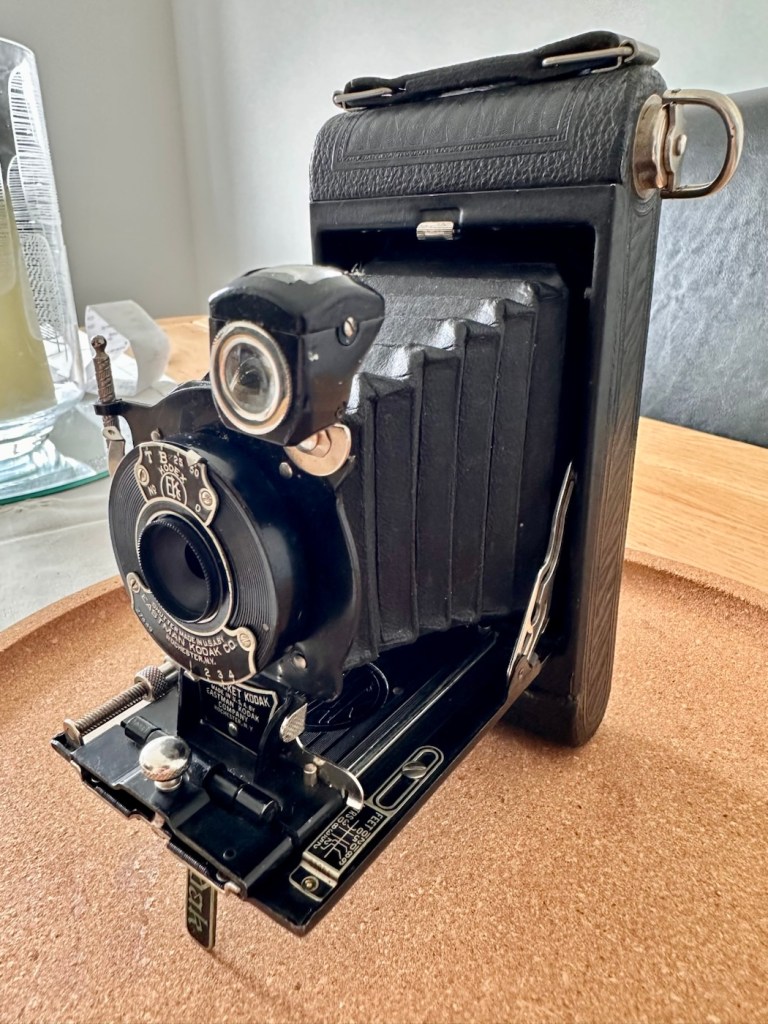
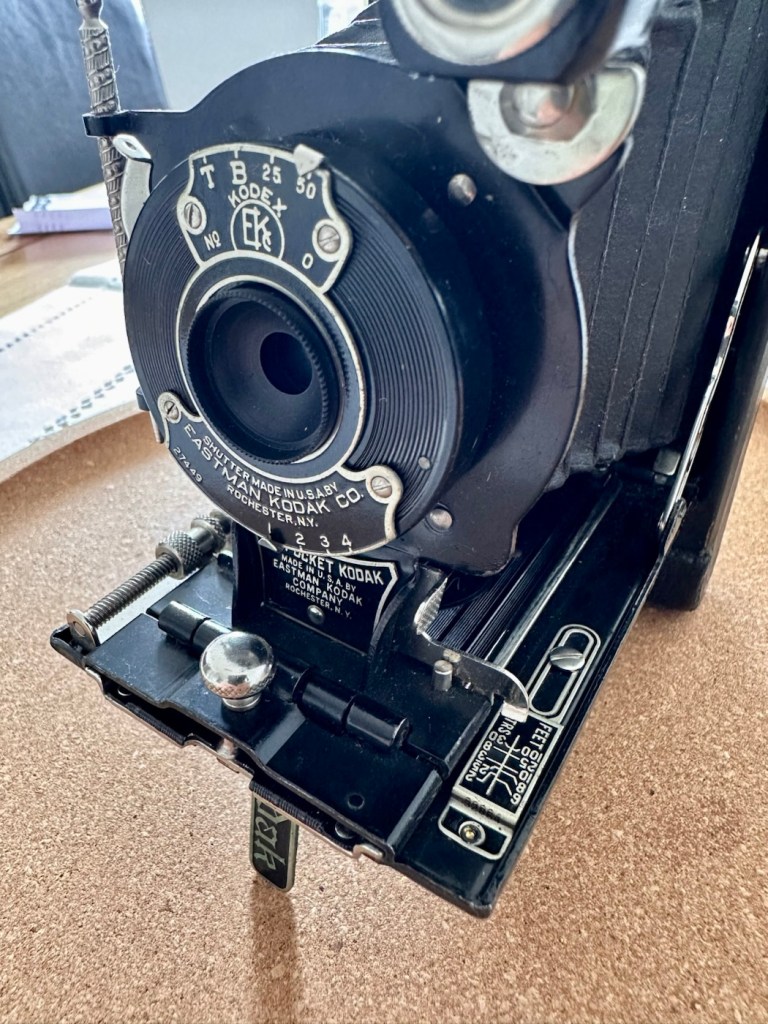
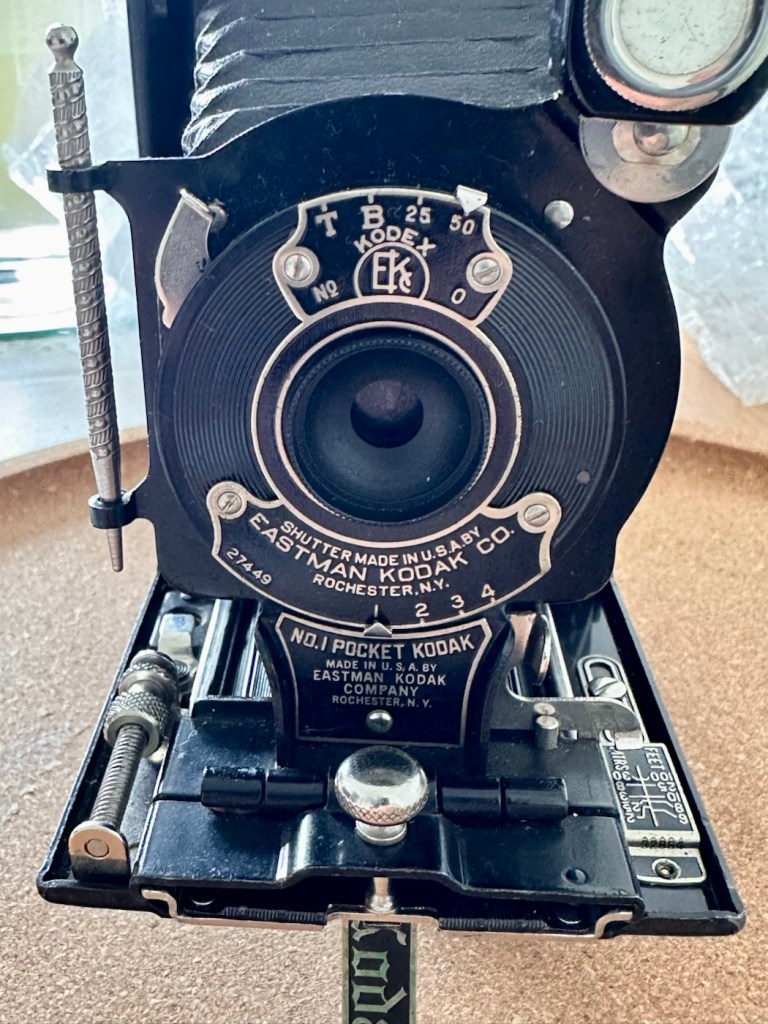
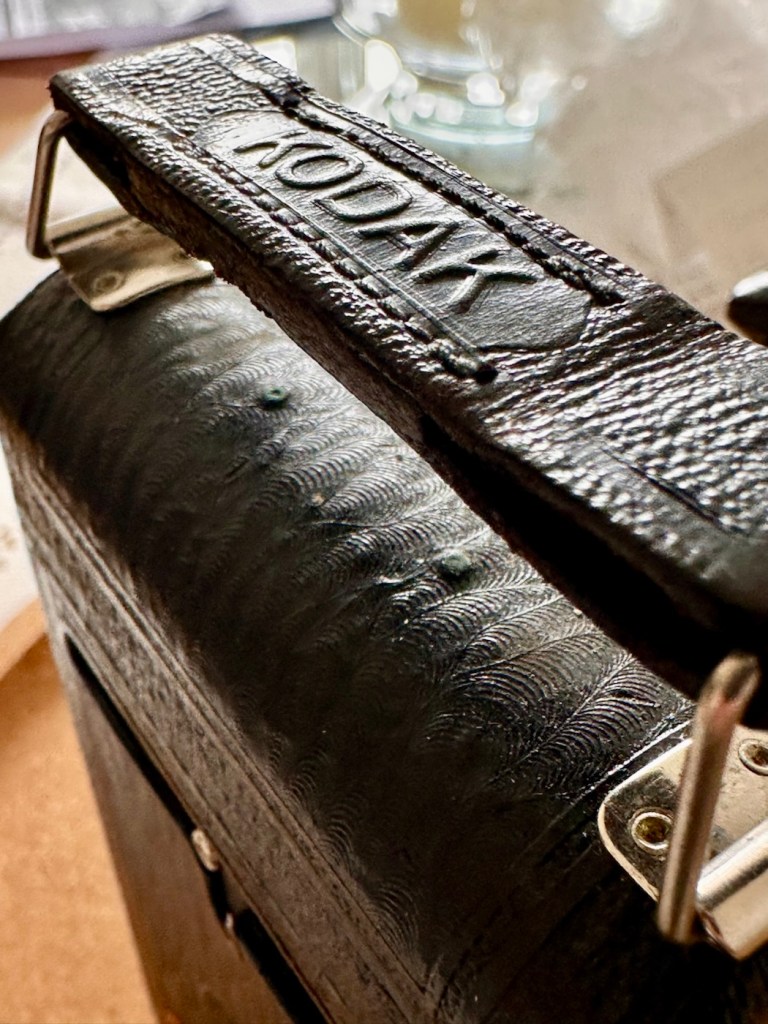
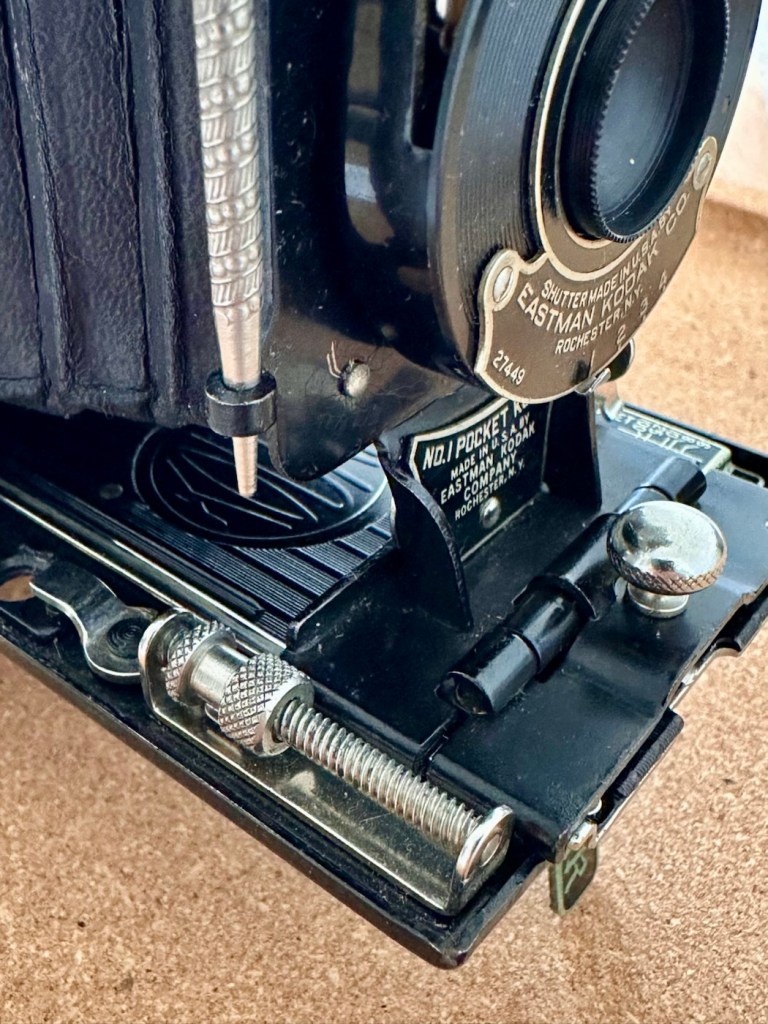
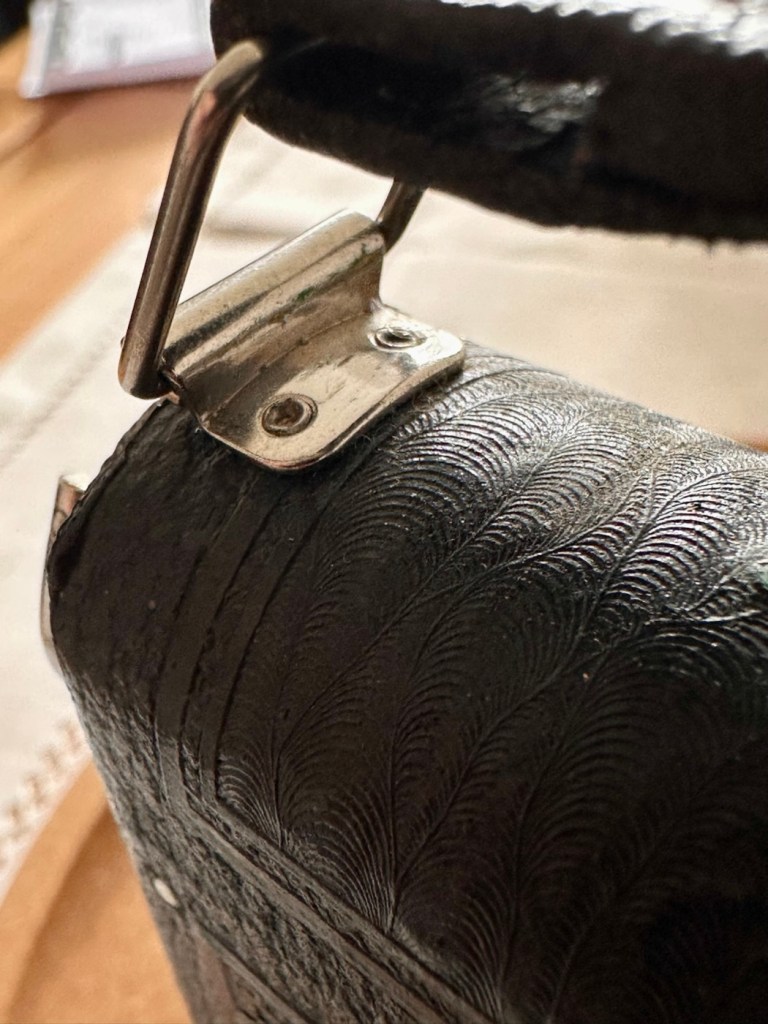
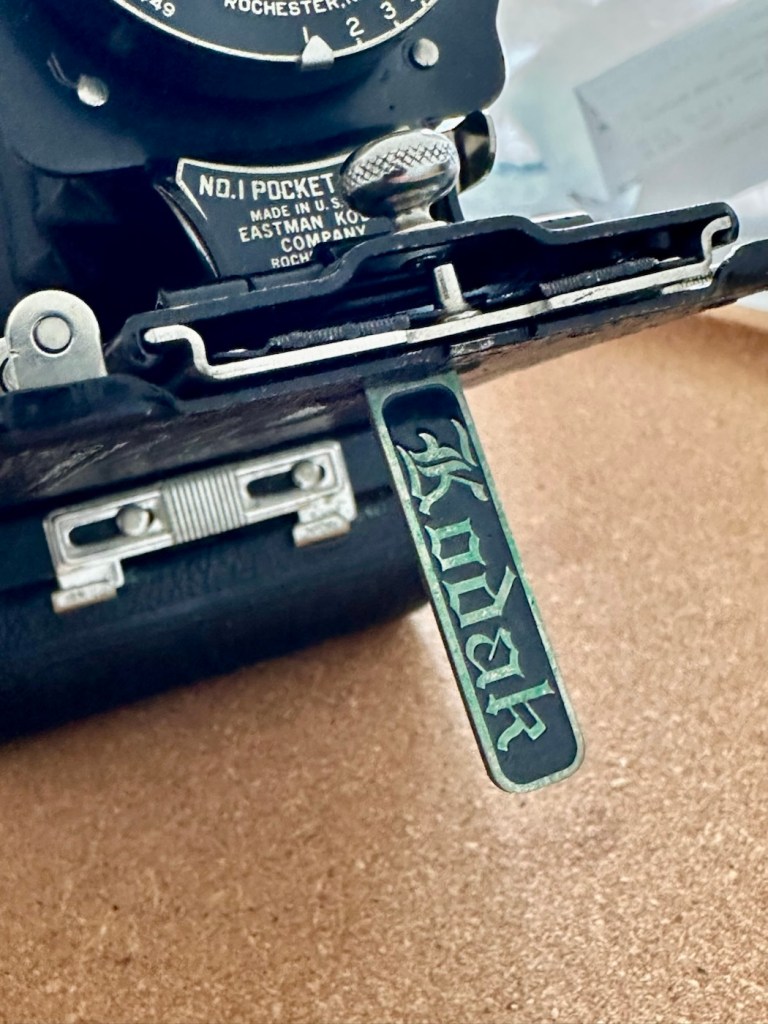
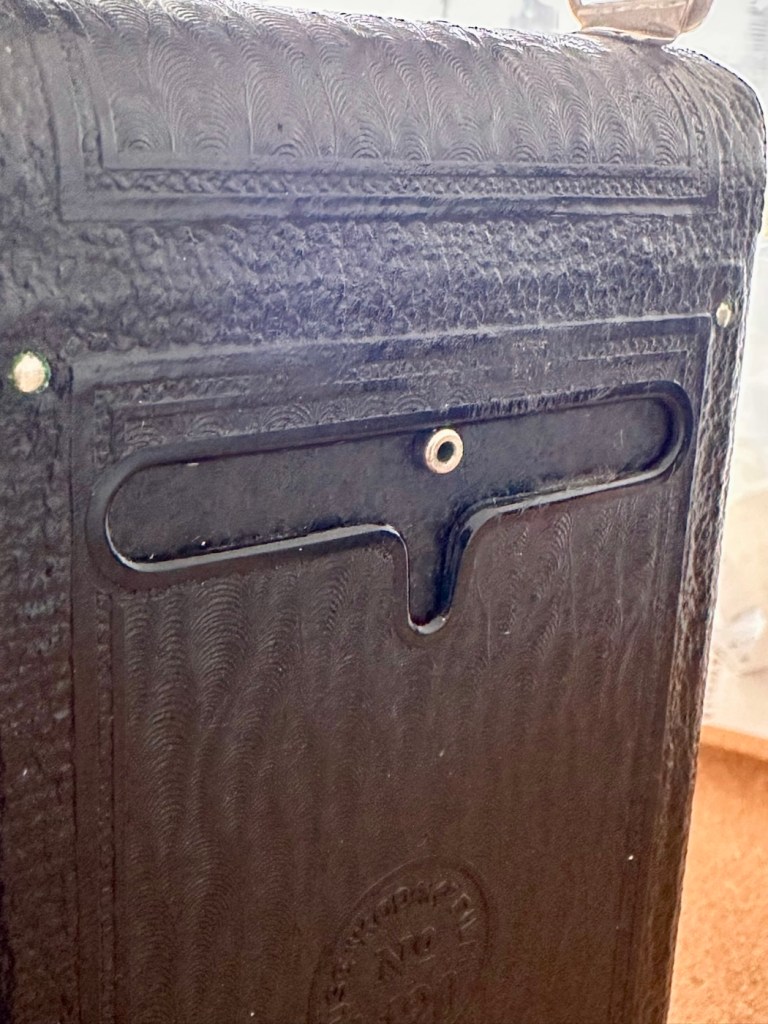
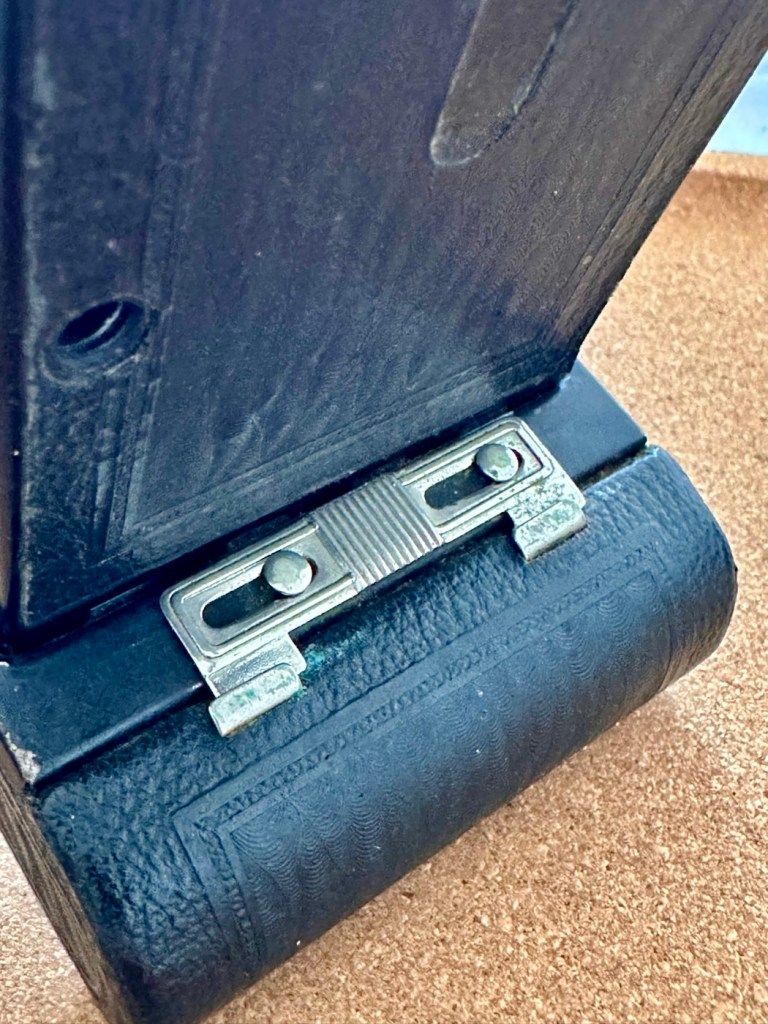
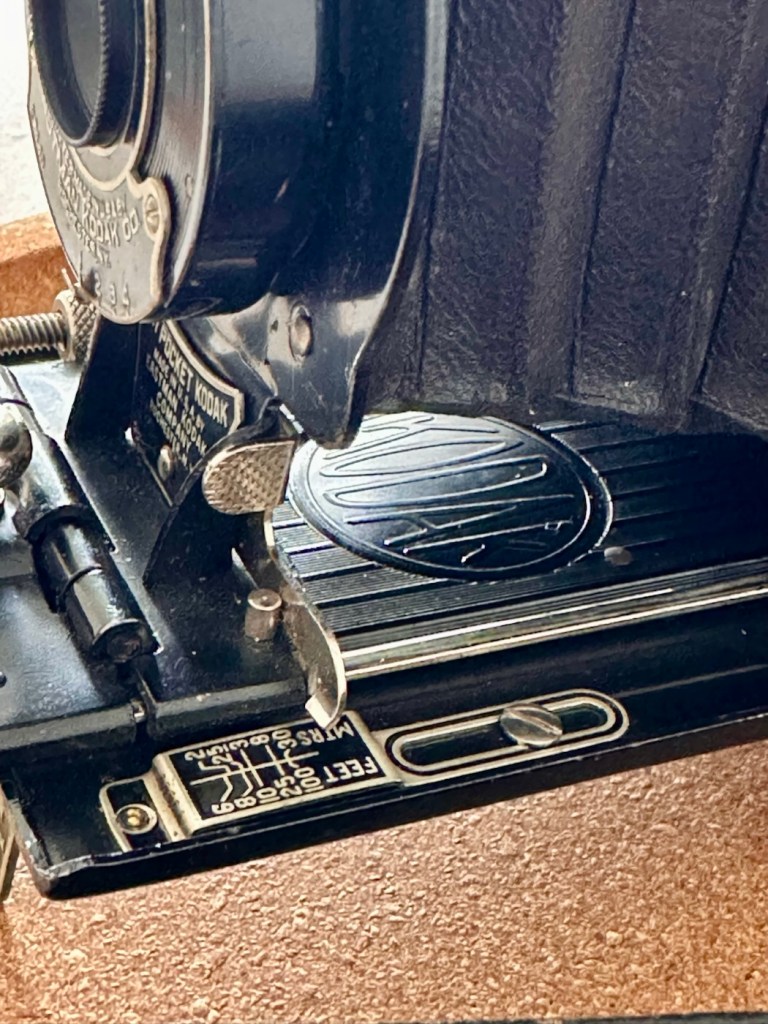
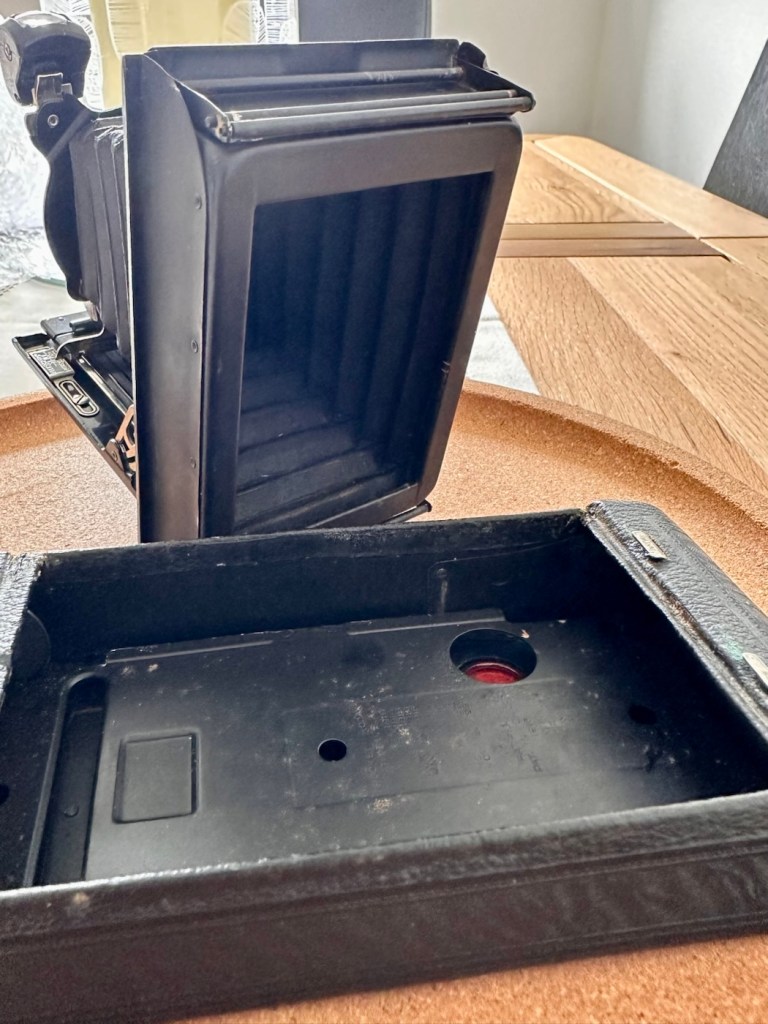
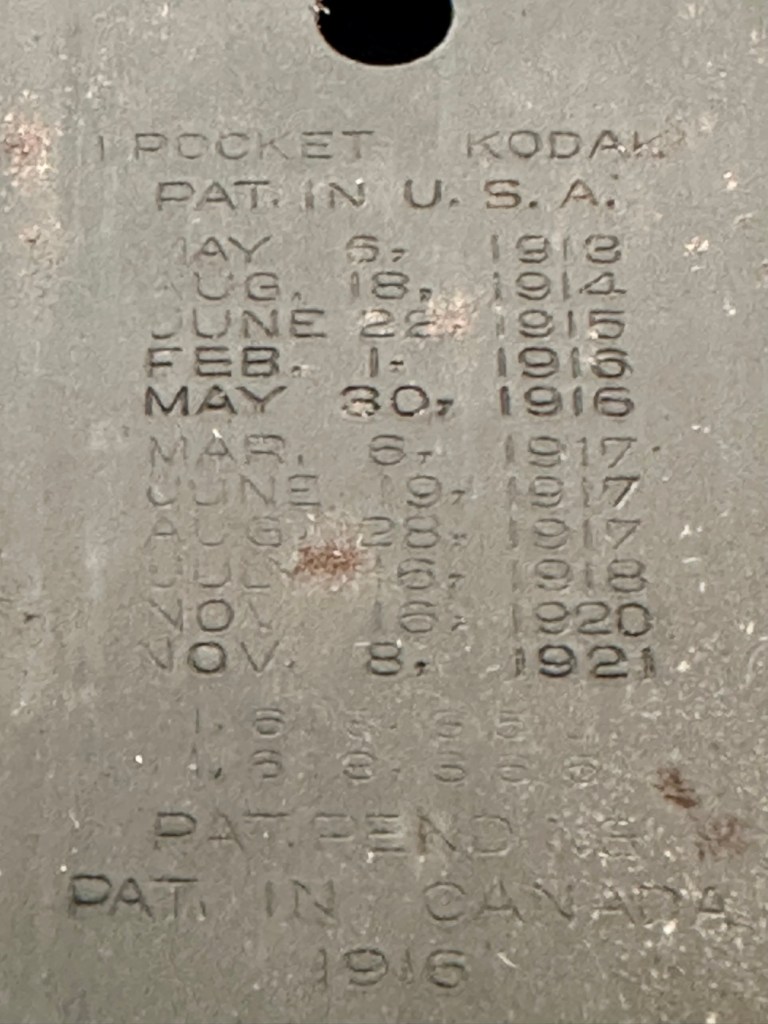
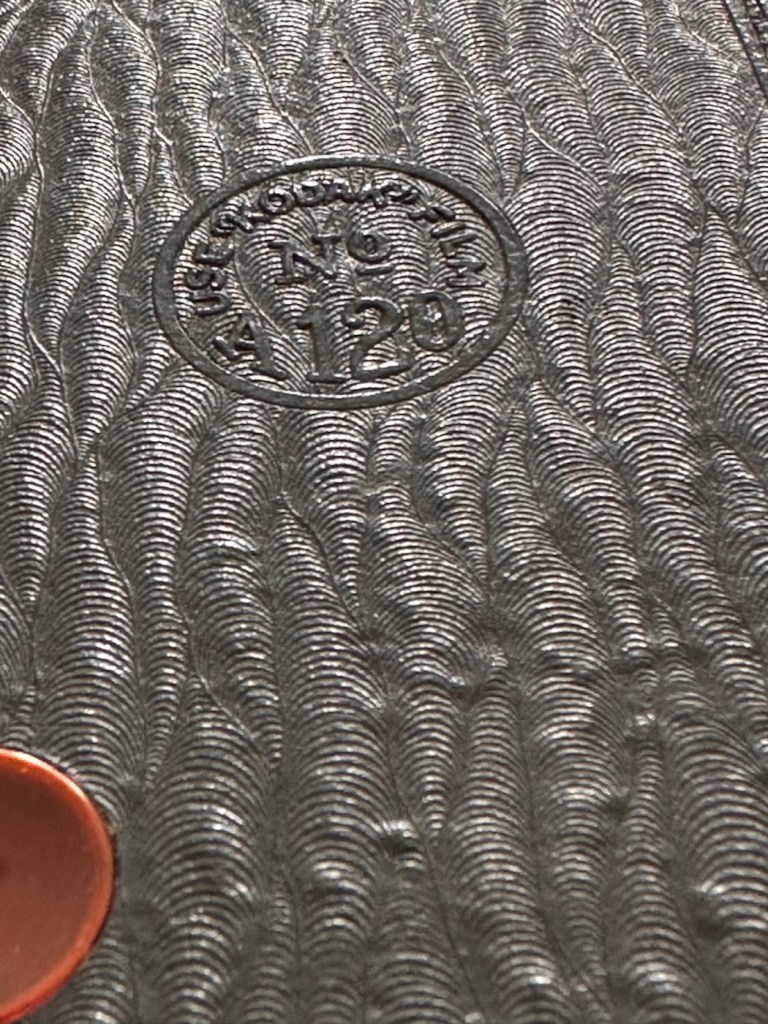
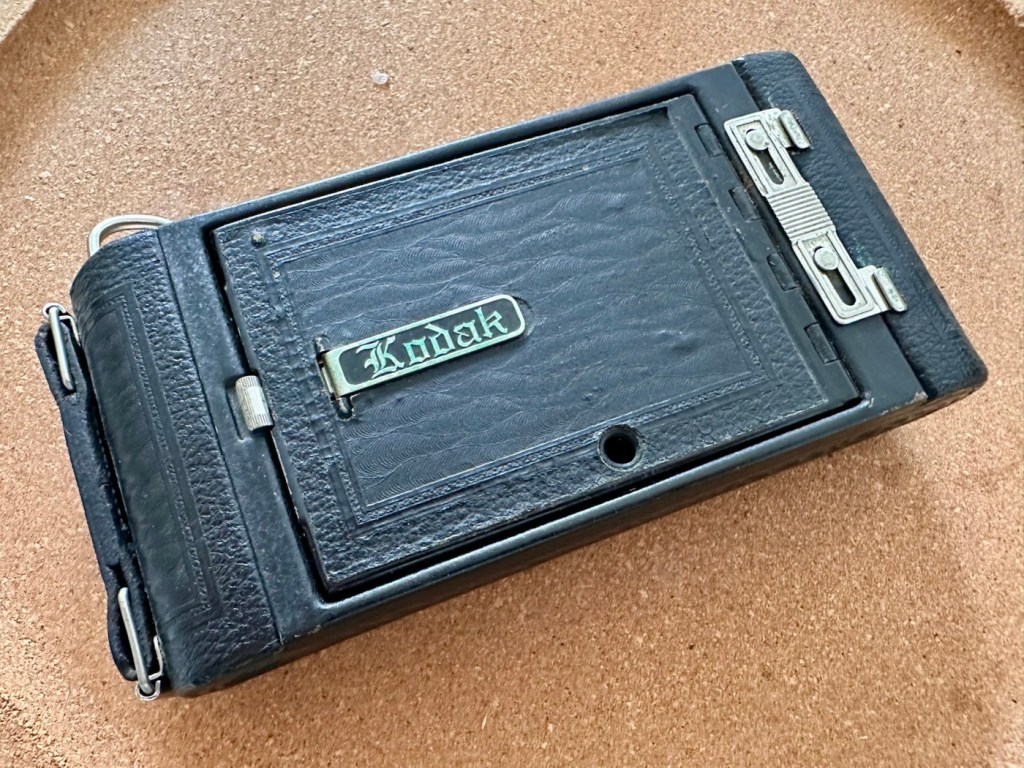
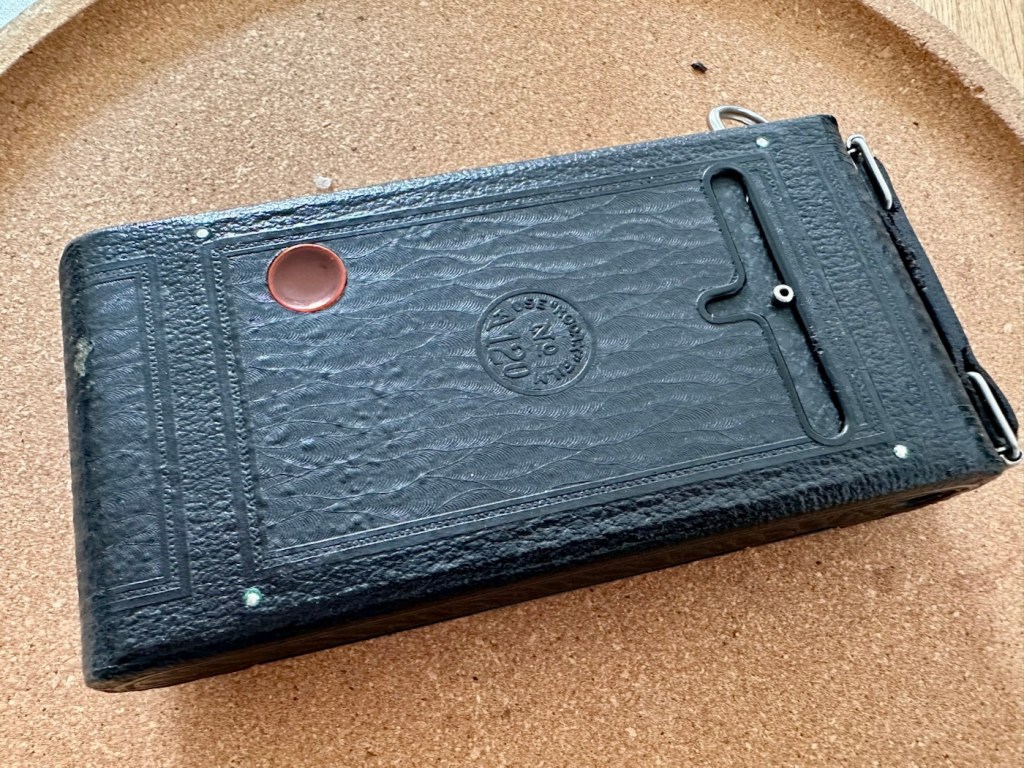
For a camera of this age I expected a number of issues.
- Aroma – due to old age, cameras normally carry a mustiness due to the way they have been stored. This example has no such aroma and appears to have been stored well, and cared for, it just has an acceptable, leathery aroma.
- Rust – again due to storage I was expecting some damage here. However this example has no rust issues, again this points to the camera being stored with care.
- Fungus – to be expected on such an old example, on inspection there appears to be nothing more than some light specks of dust. Unbelievable. The viewfinder is a little misty and dusty but this should clean up quite easily.
- Bellows holes – due to the construction of these cameras, time and usage usually causes the bellows to wear and small pinholes to appear. I’m yet to fully test the bellows section, but first inspection in a bright light is extremely positive and there appears to be nothing of concern that is noticeable. However I do need to test this properly prior to putting film in the back. From what I have witnessed so far, this camera appears to have been very well looked after, and I very much suspect it has been very lightly used.
Personally, this antique camera is in a far better condition than many that I have, that are a great deal younger than this camera. I’m very optimistic that I will be able to run a roll of 120 film through this camera before too long.
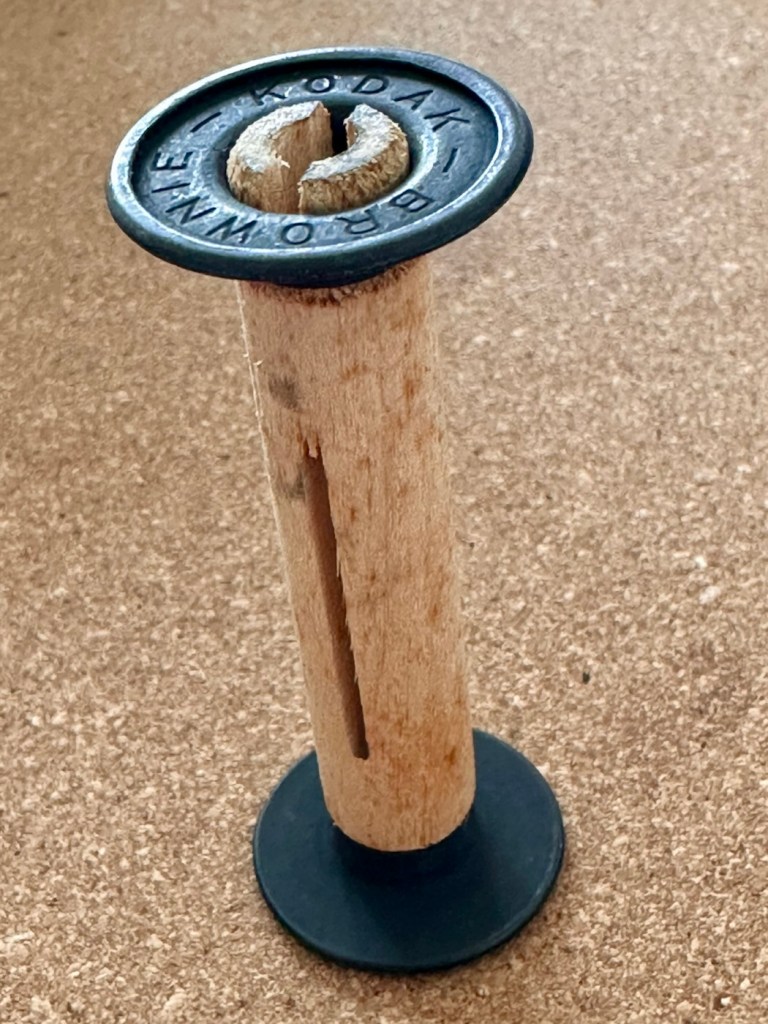
If you look at the pictures above you will see that the camera came with a “wooden” film take up spool. These features were typical in pre war cameras. What is really annoying me at the moment though, is the ridiculous prices some on line sites are charging for this small wooden roll on its own. Who the heck is silly enough to pay these prices? It’s almost 6x the price I paid for the actual camera 🤦♂️
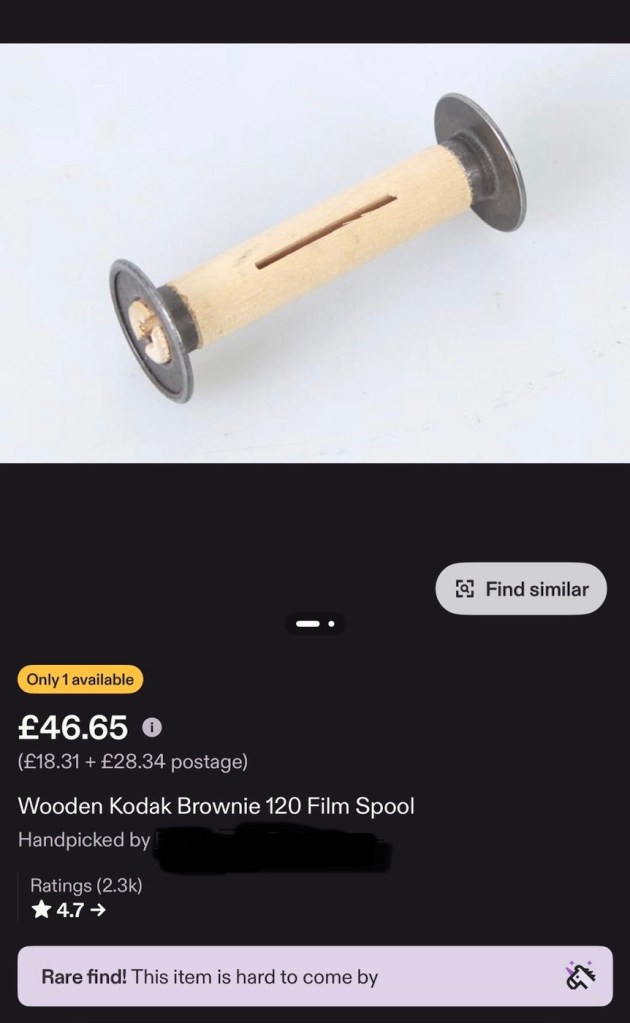
The fools.
Anyway, back to reality and this camera. Repair wise there will not be a great deal to do apart from some cleaning and minor adjustments. I’m not going to tamper to be honest, how does the saying go? If it ain’t broke, don’t try to fix it. And that will be the mantra for this camera. A sympathetic restoration is the order of the day with minimal tampering.
Repair:
Let’s start at the front and work our way back. First the bellows.
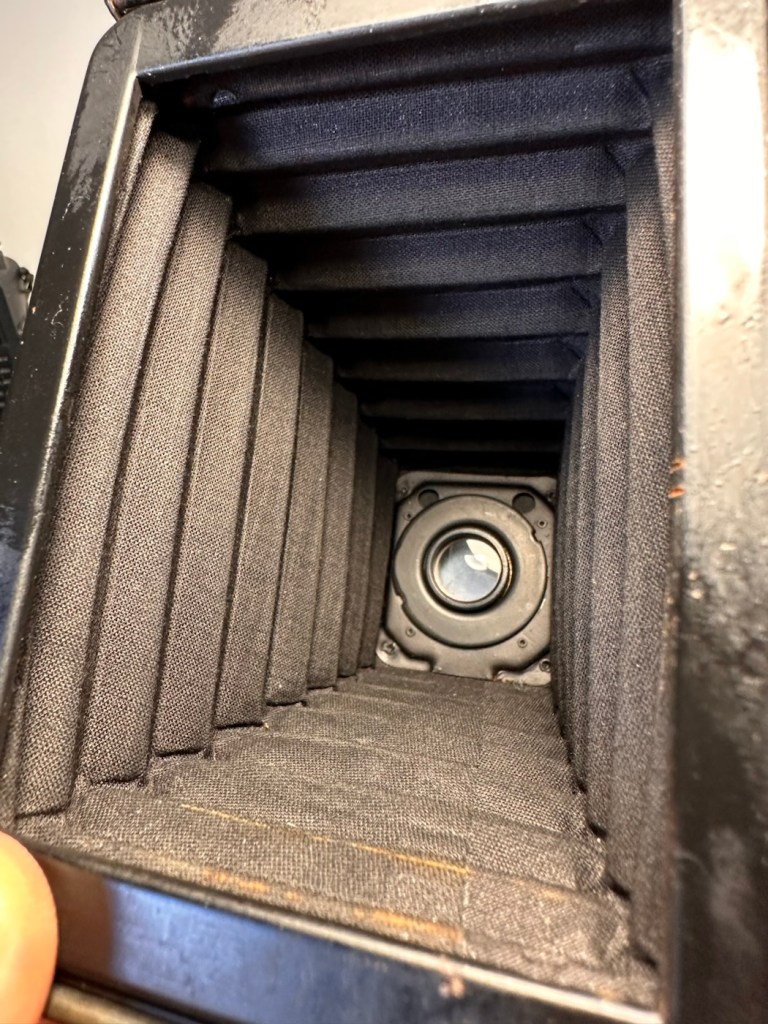
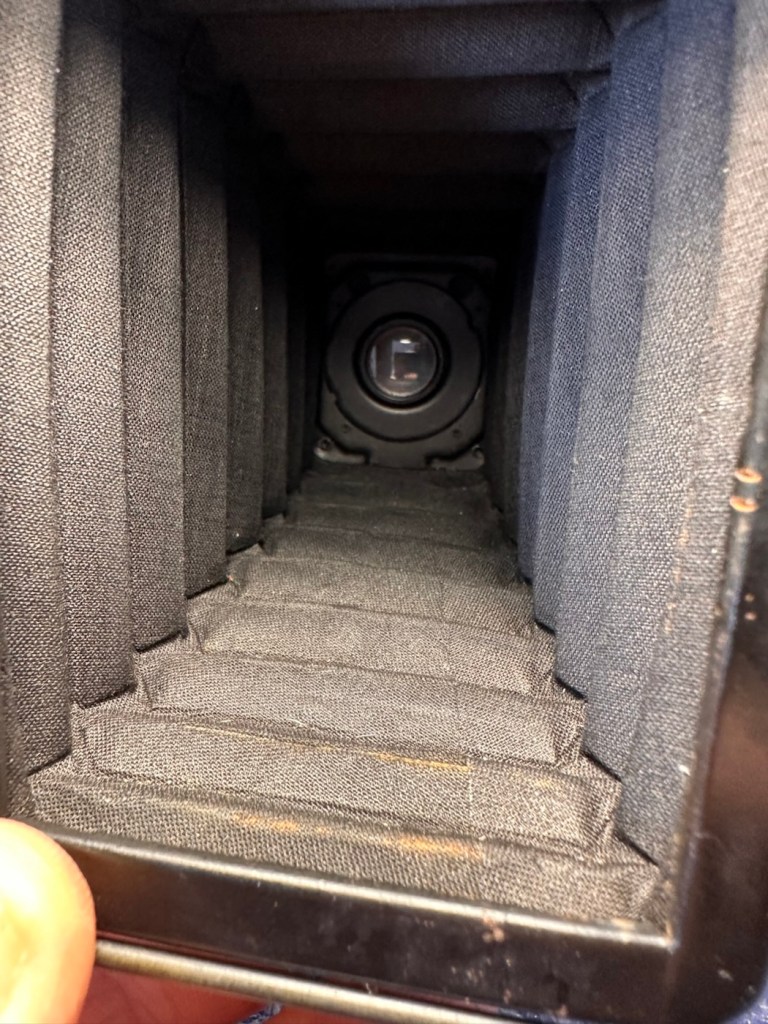
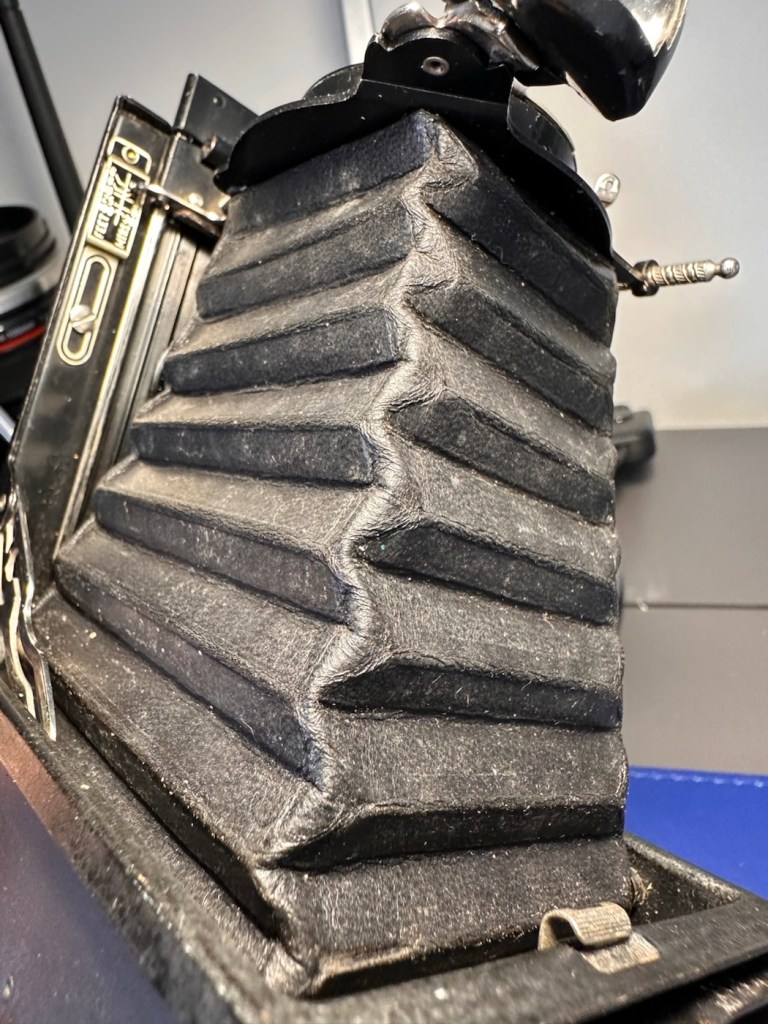
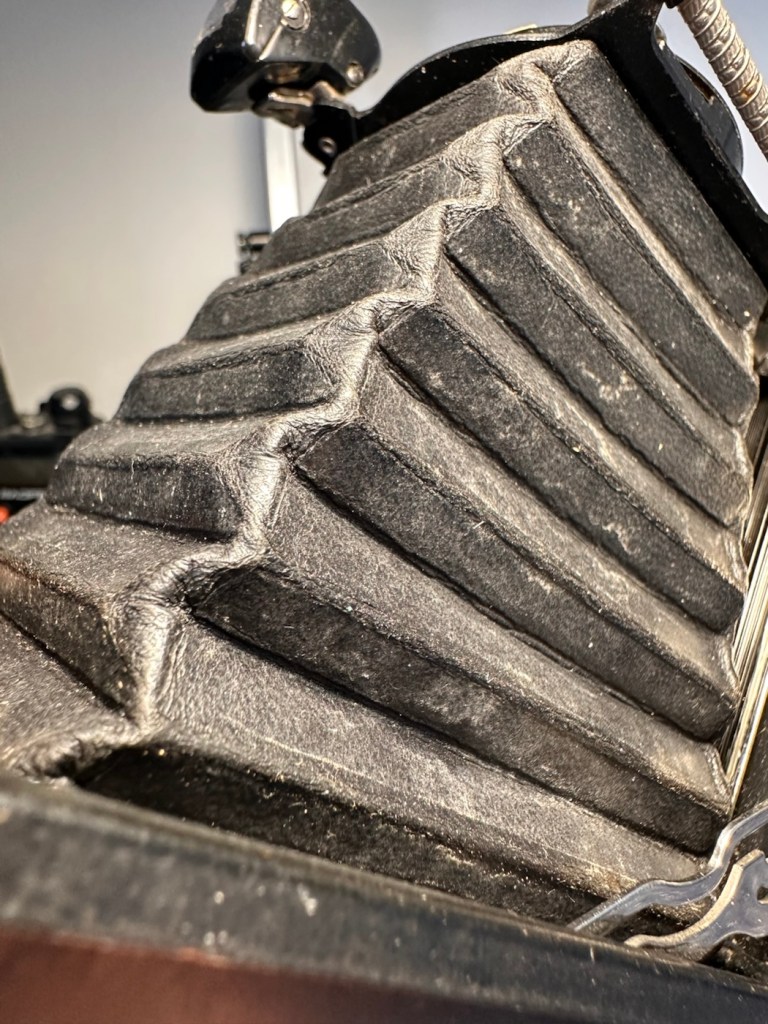
Both inside and out the bellows have no signs of dryness or bad cracking. With a powerful light both inside and out no light leakage or intrusion can be found, this does not however rule out that there may be a pin prick leak somewhere, however on close inspection of all the bellows and its folds all seems well.
Next the bright viewfinder. Just two screws give access to the glass lenses, both are a bit dirty and clean up quite well, however there are a couple of spots of old age pitting on the glass, this is not bad, considering the age.
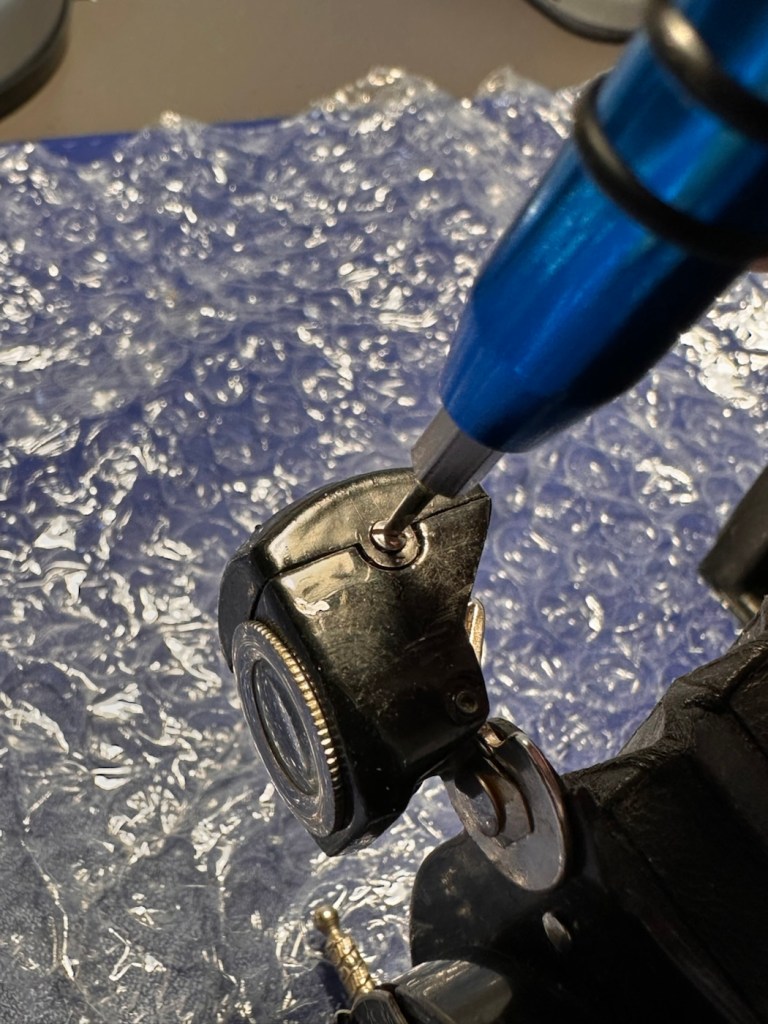
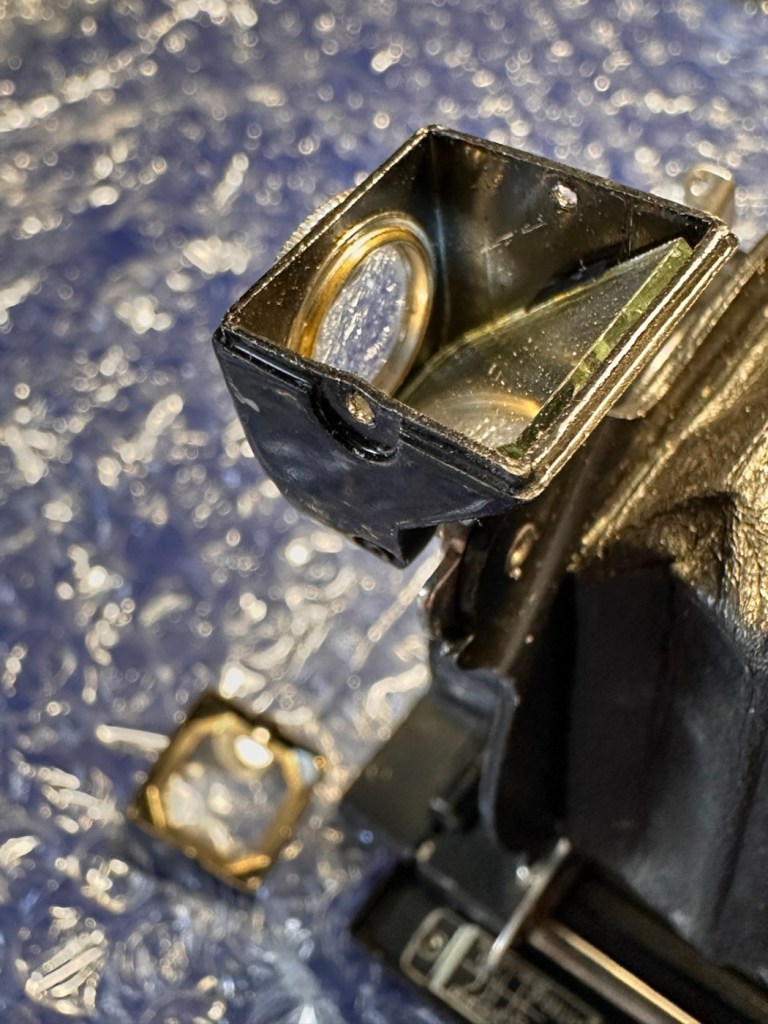
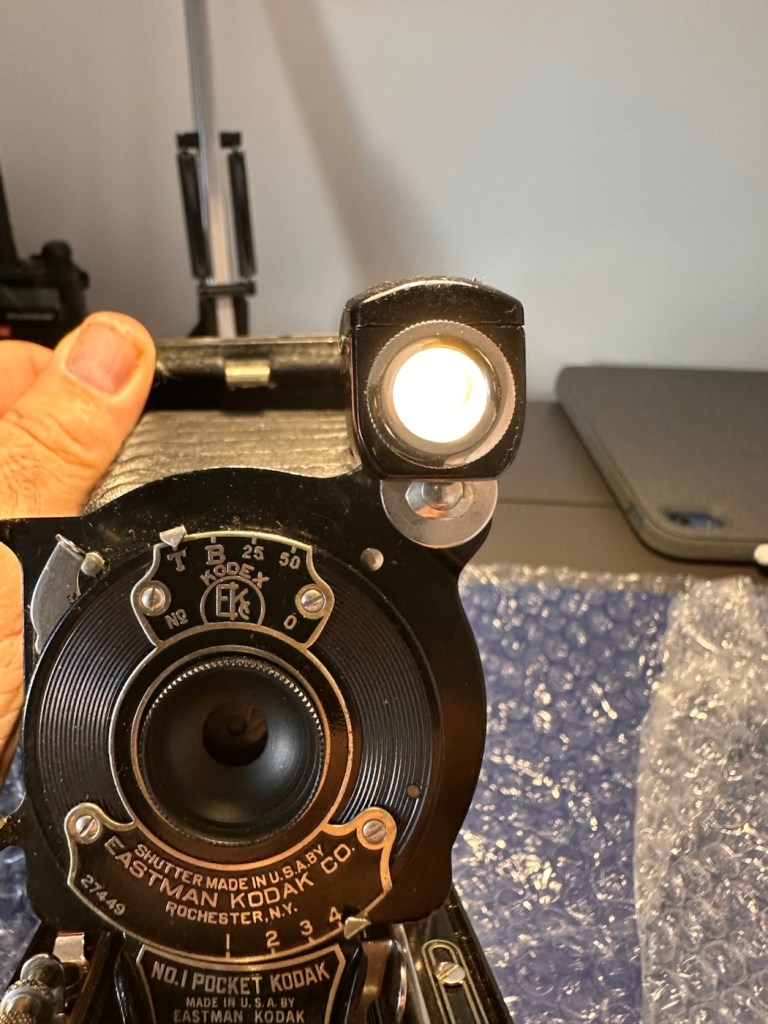
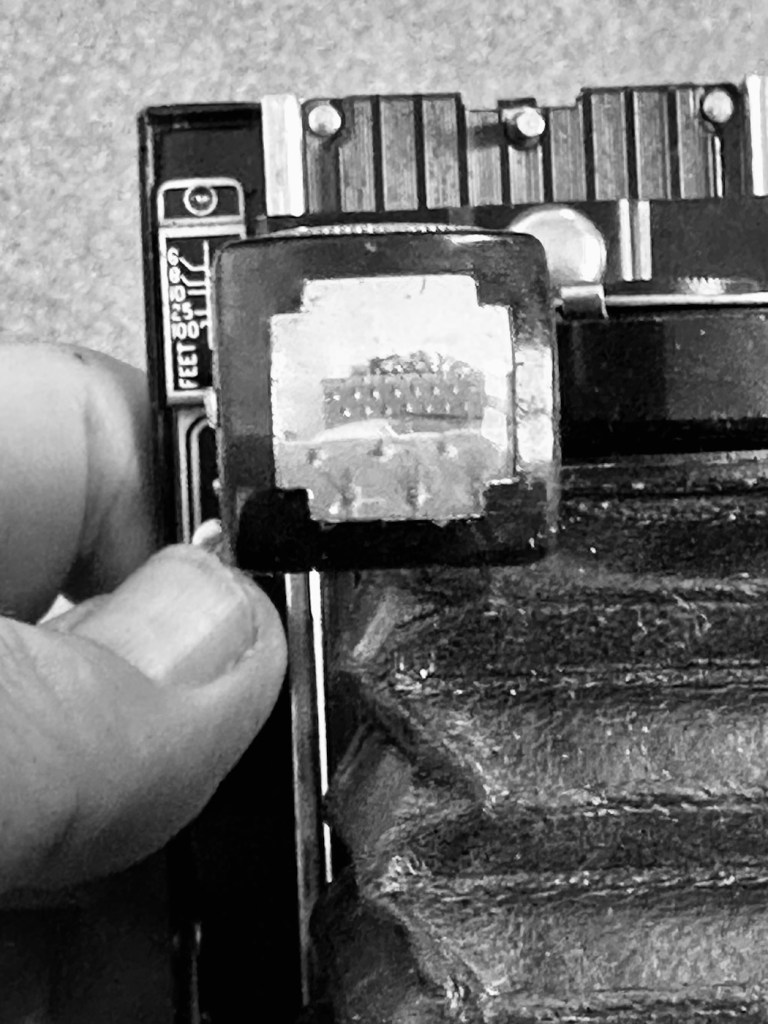
The viewfinder cleaned up well, it’s just a reference and not an accurate representation of the view that will be on the negative.
I haven’t touched the lens or leaf aperture as they both appear to be working fine.
Next we move to the inside workings and the rear of the camera, to just give a general clean.
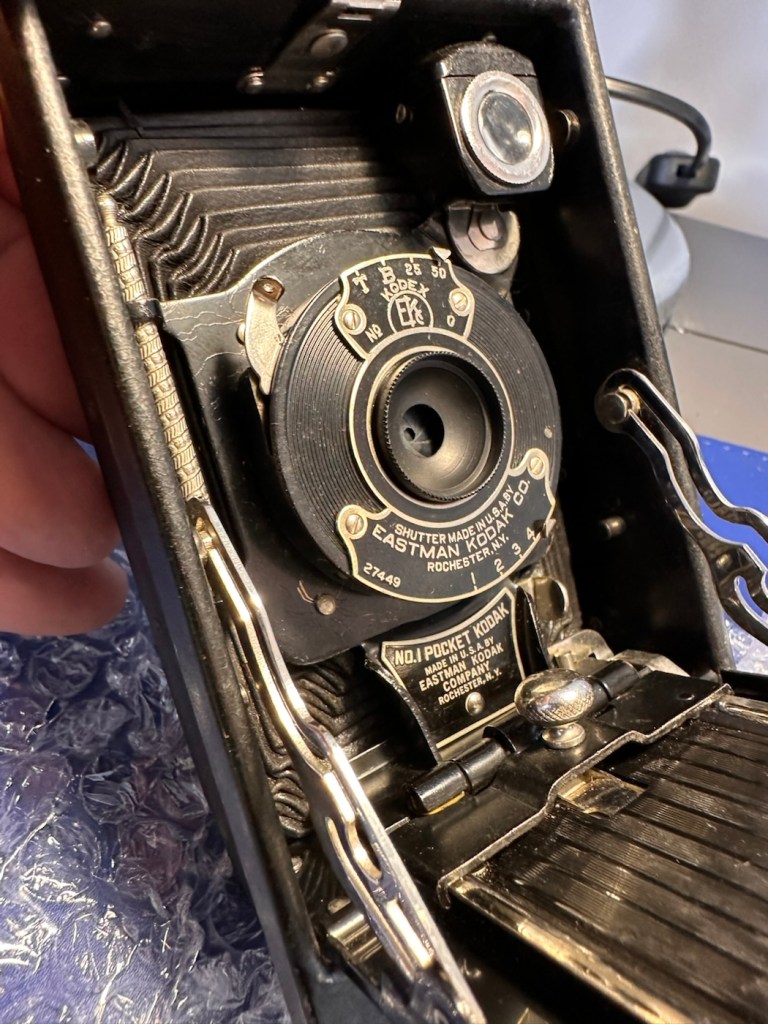
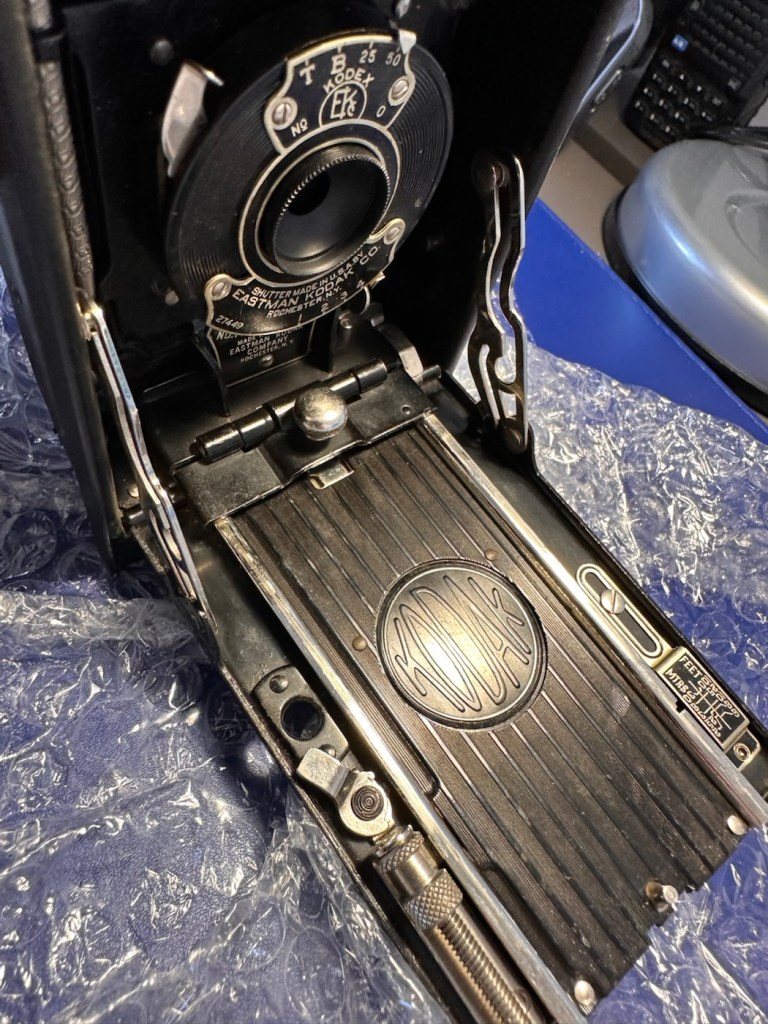
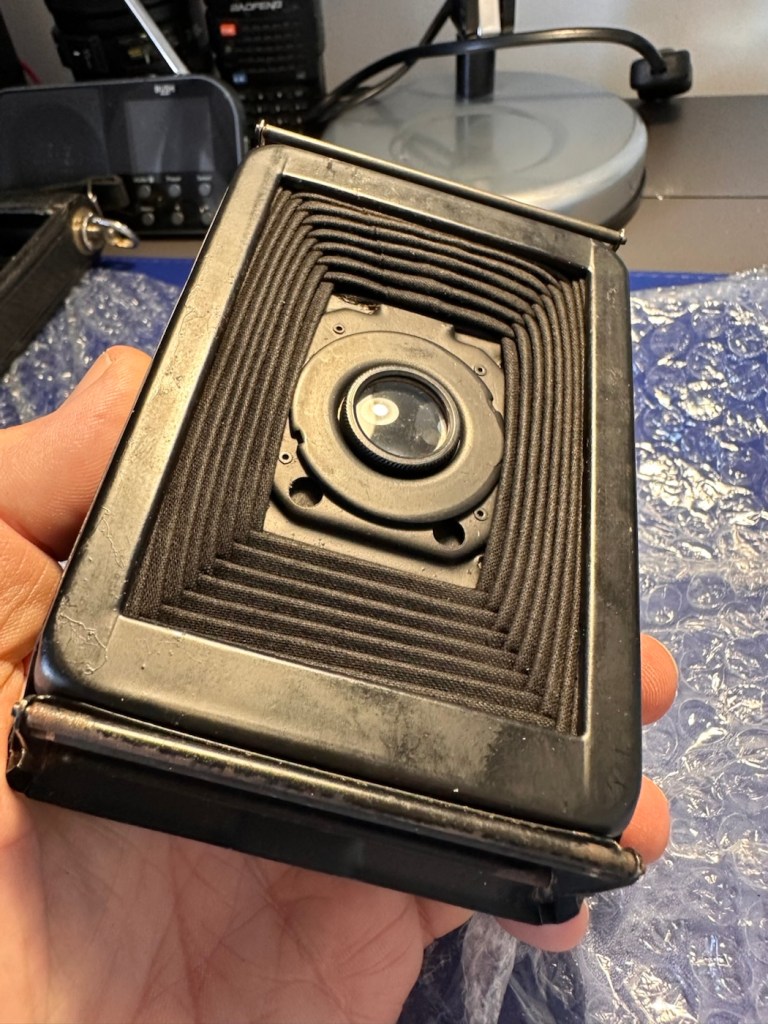
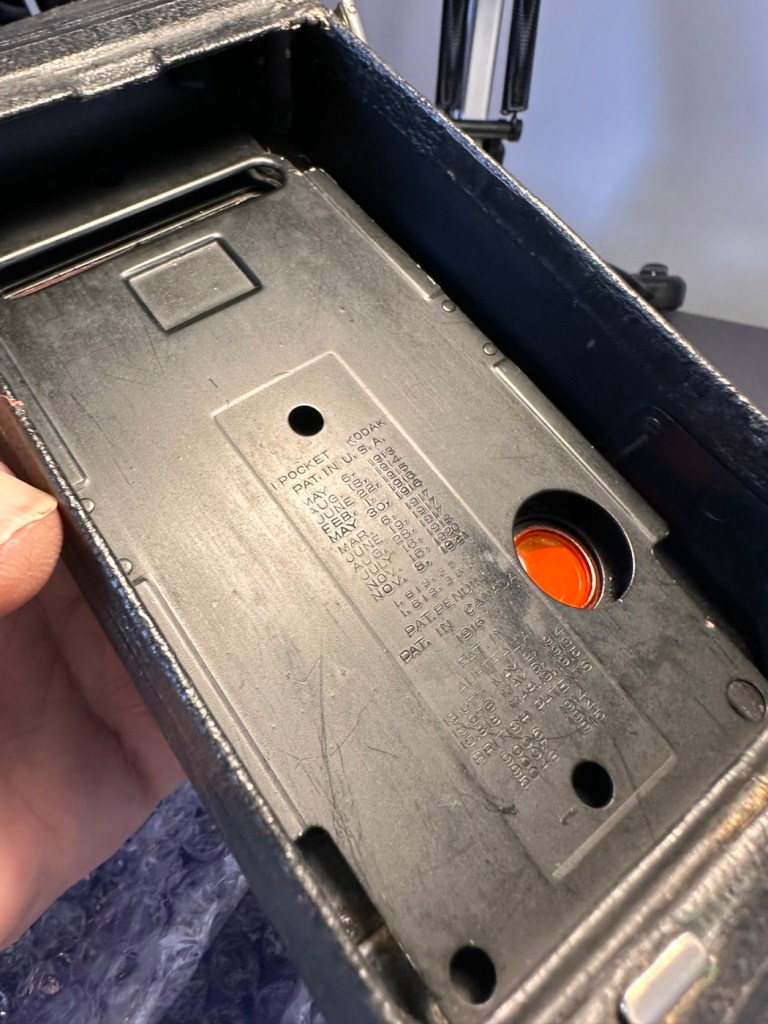
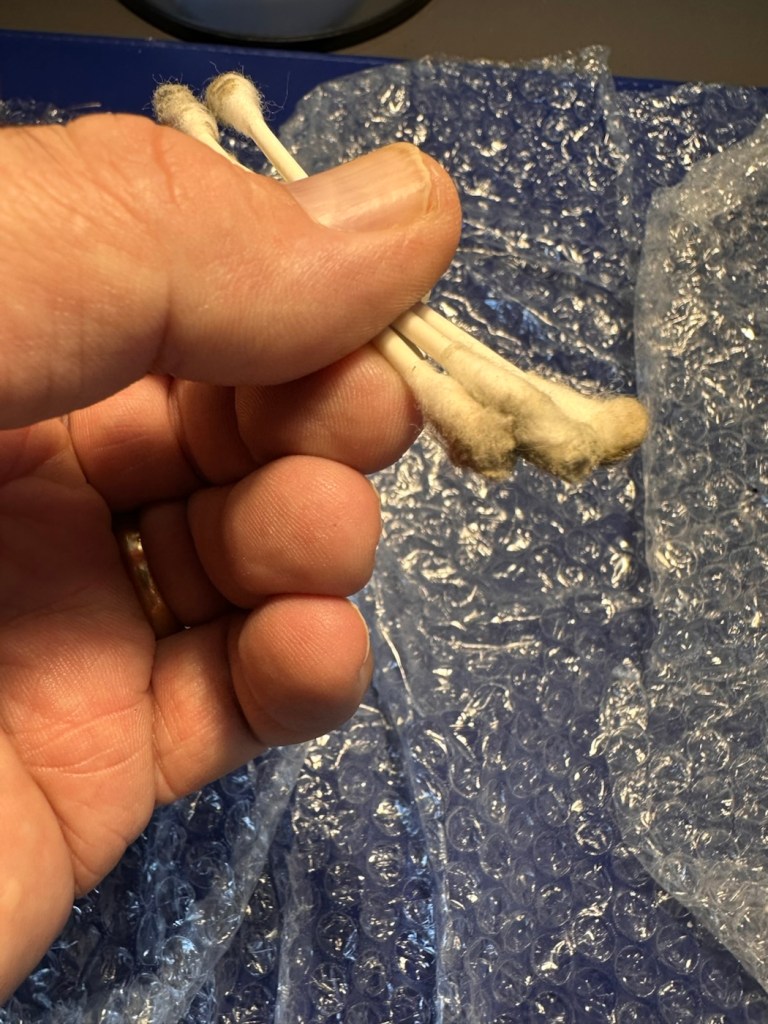
And after all this cleaning has been done, a final clean with some polish and a good buff up completes the repair.
Result:
So what’s that I’ve found lurking at the back of my little stock of films in the fridge tray? it’s a roll of Rollei RPX 100 B/W, only a couple of years out of date, so this will be the perfect film candidate to test this camera with.
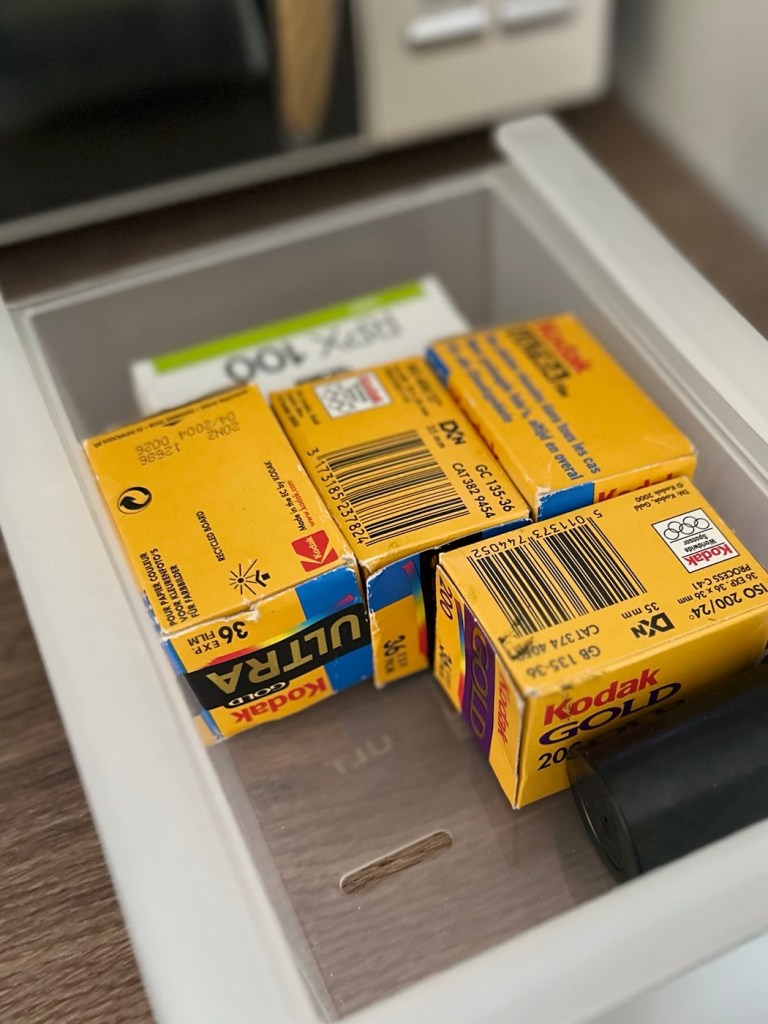
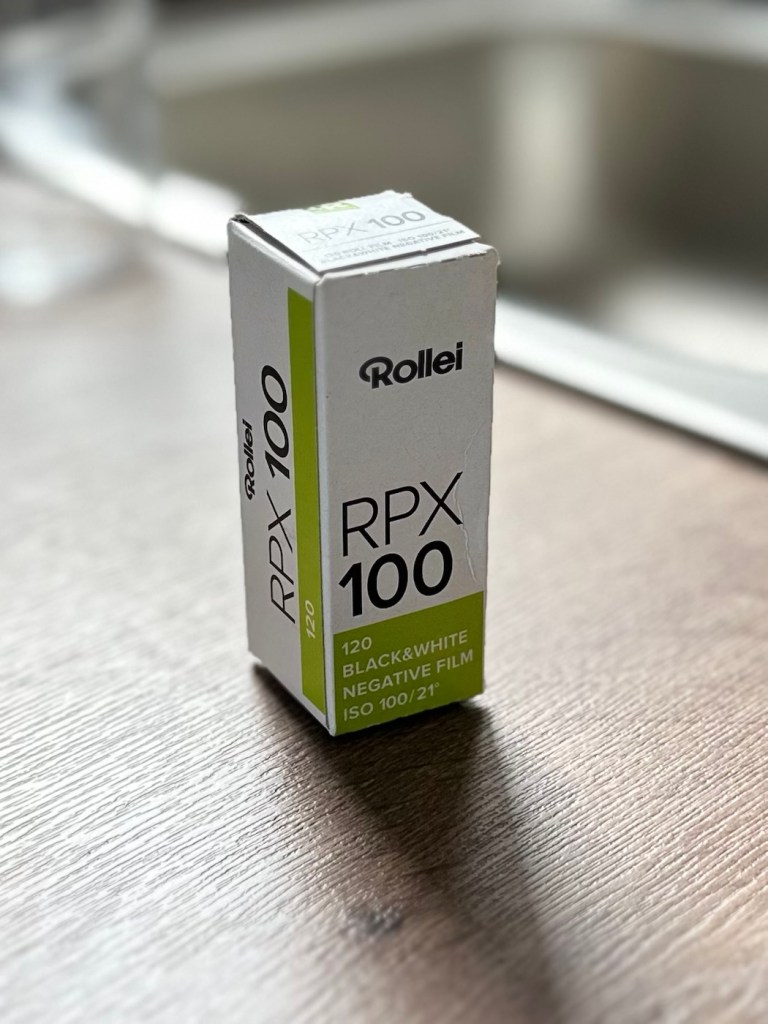
There wasn’t a great deal needing to be done to this camera as I previously stated. For an antiquity it is in a superb condition, and to be quite blunt, you don’t mess too much with such an item. Make it work yes, but keep it real. This is a hundred years old and represents times gone by, it’s aged perfectly and doesn’t need to be tampered with.
After the clean, I now present a number of photos to show what a wonderful piece of photographic history this is.
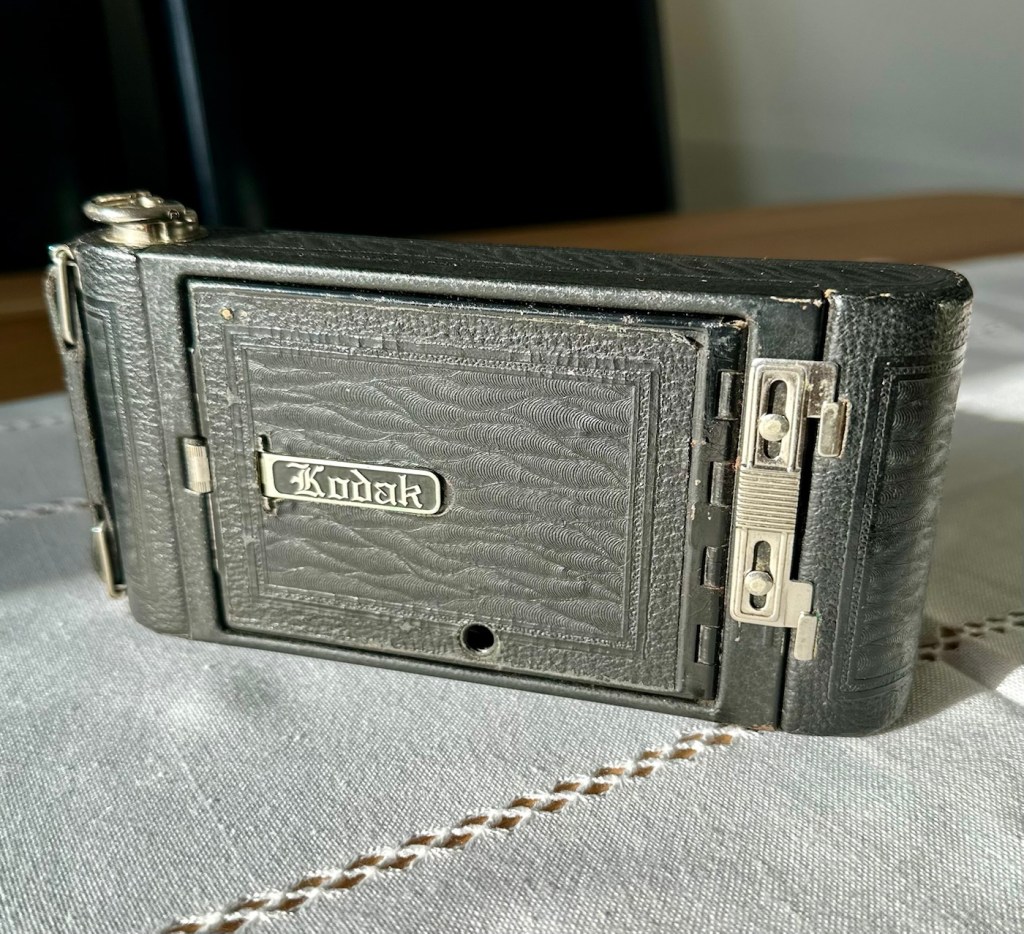
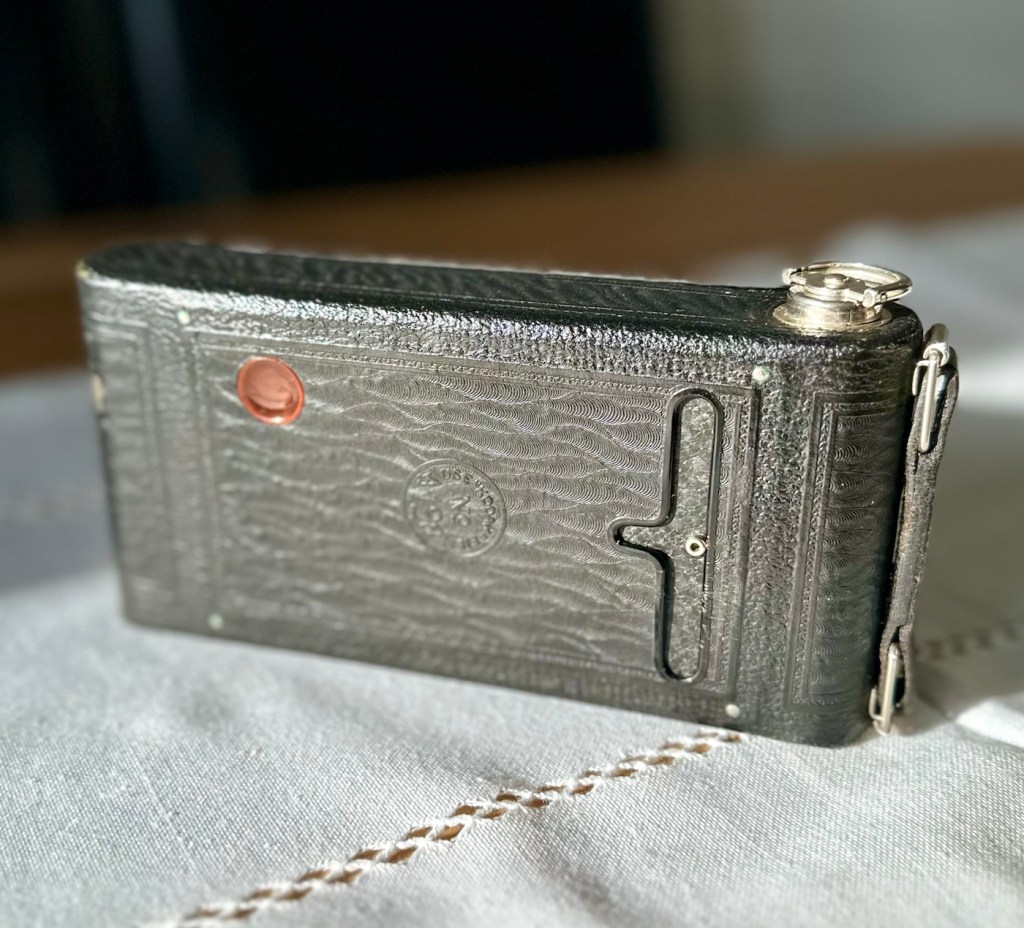
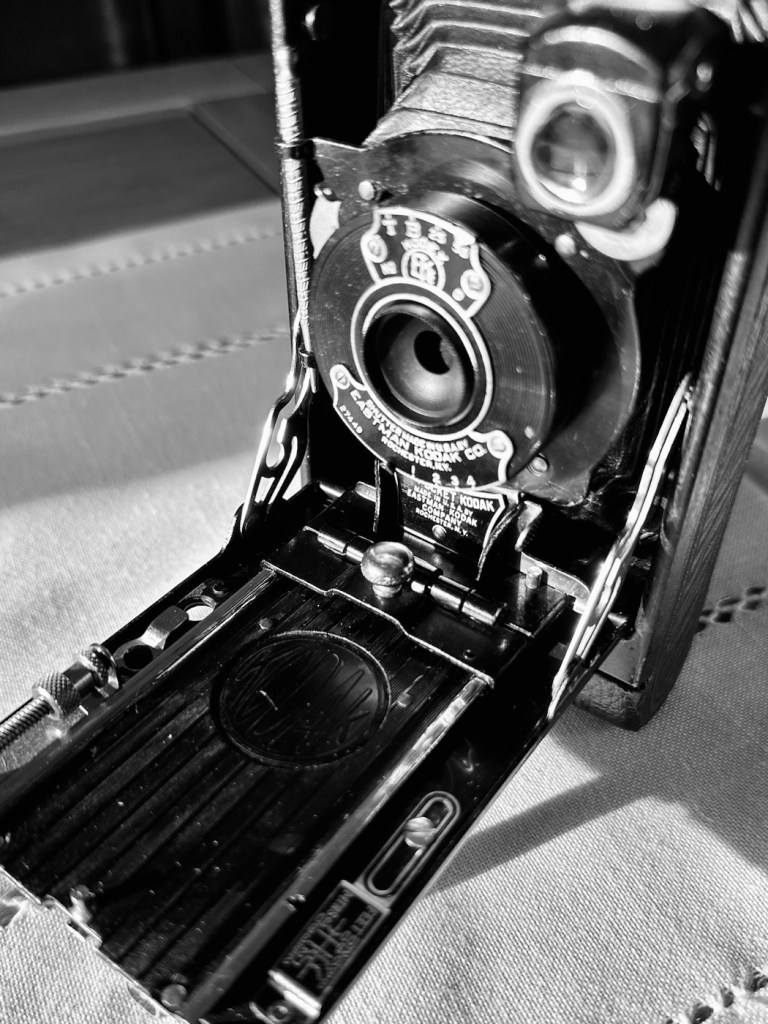
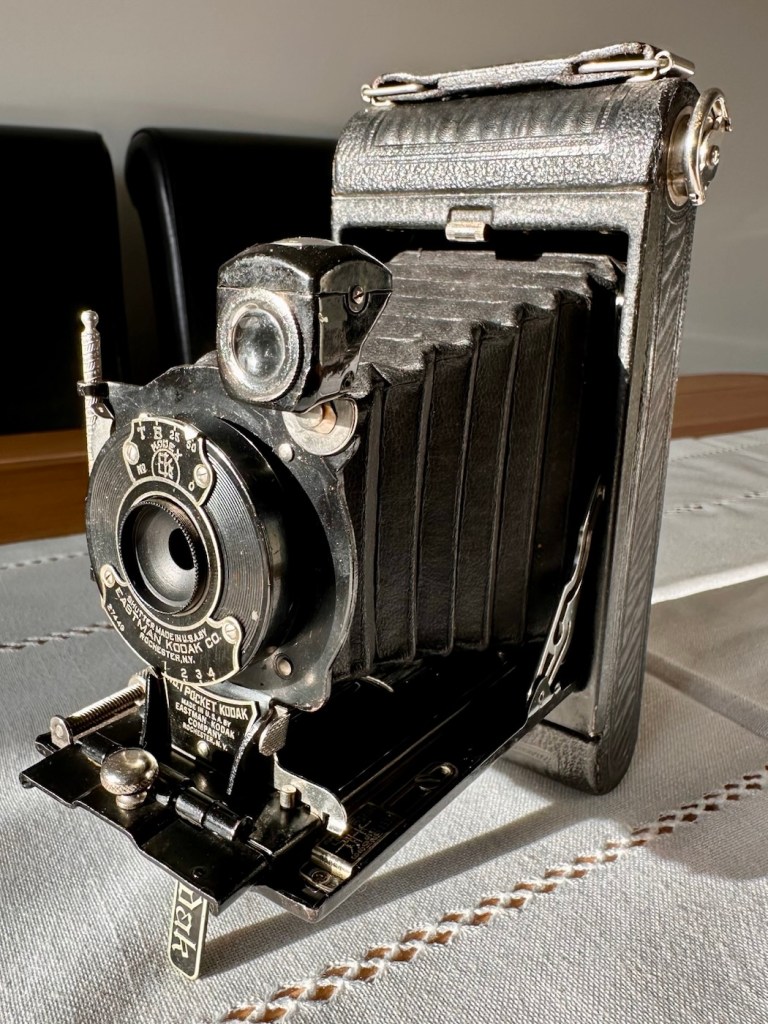
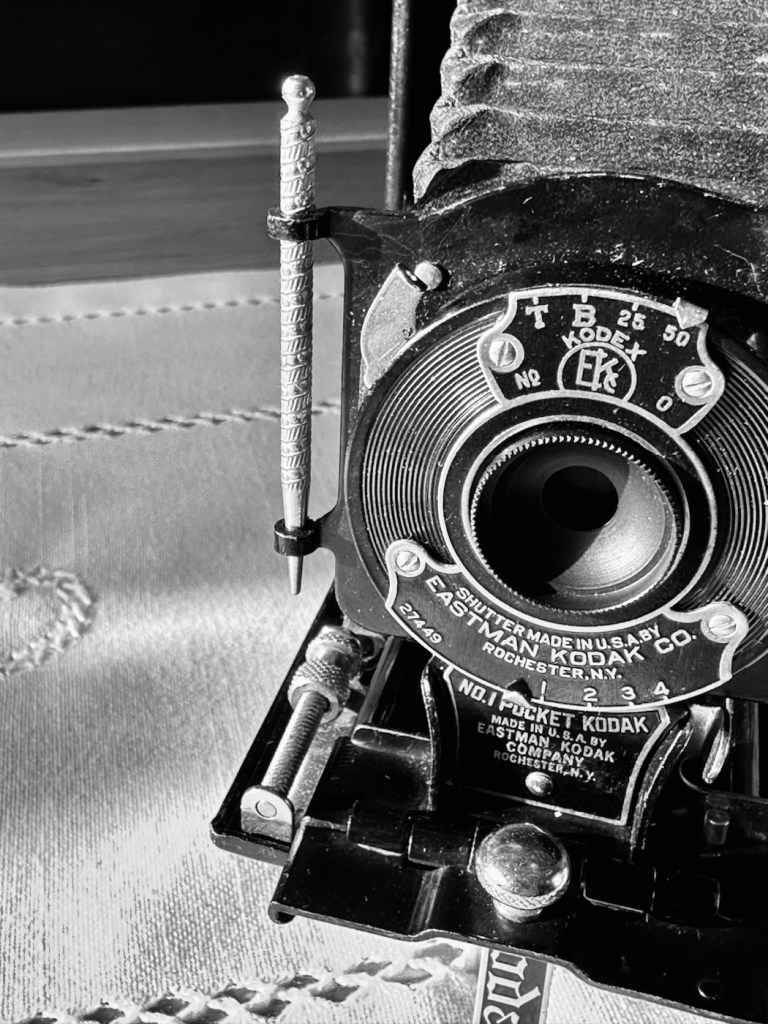
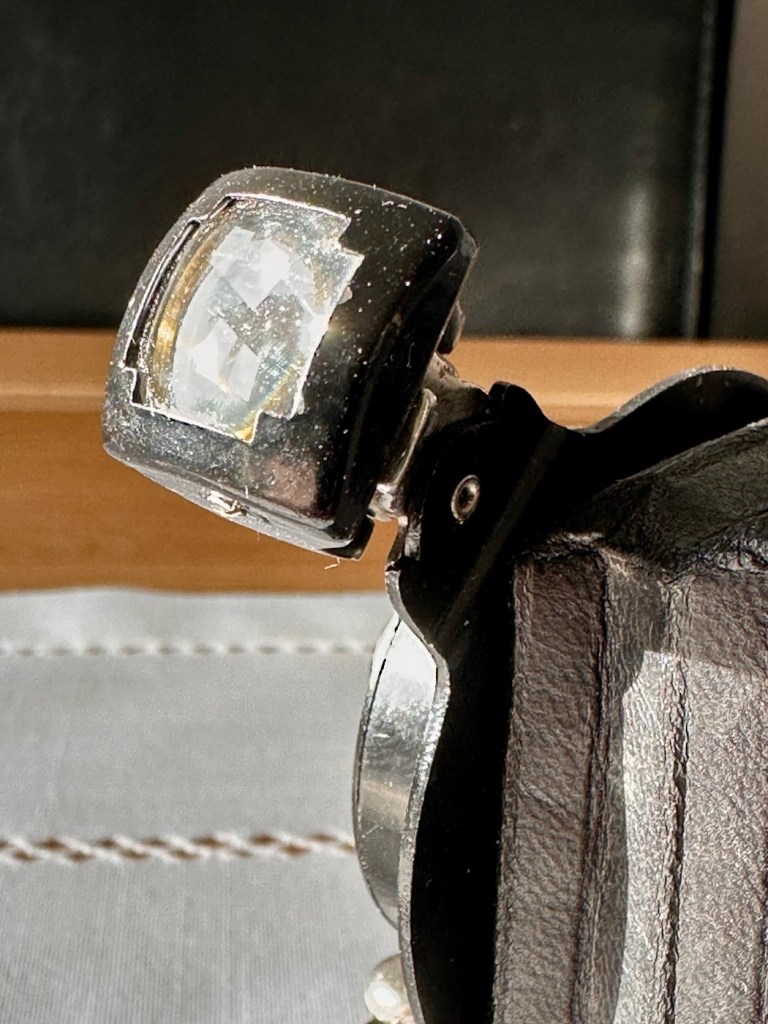
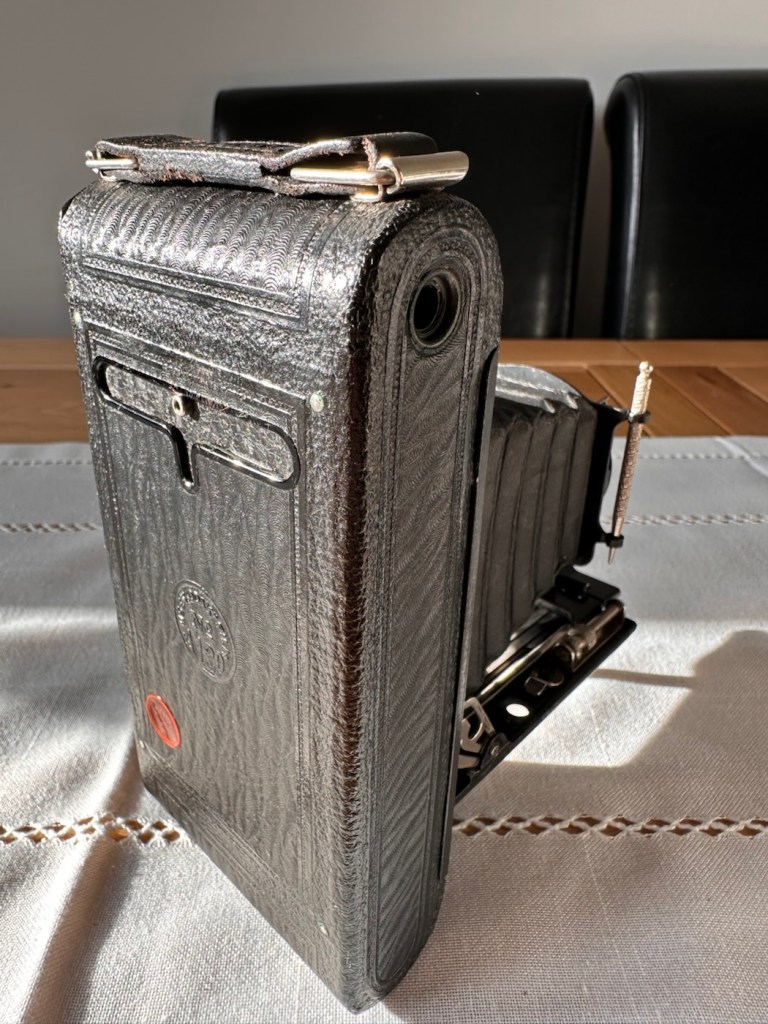
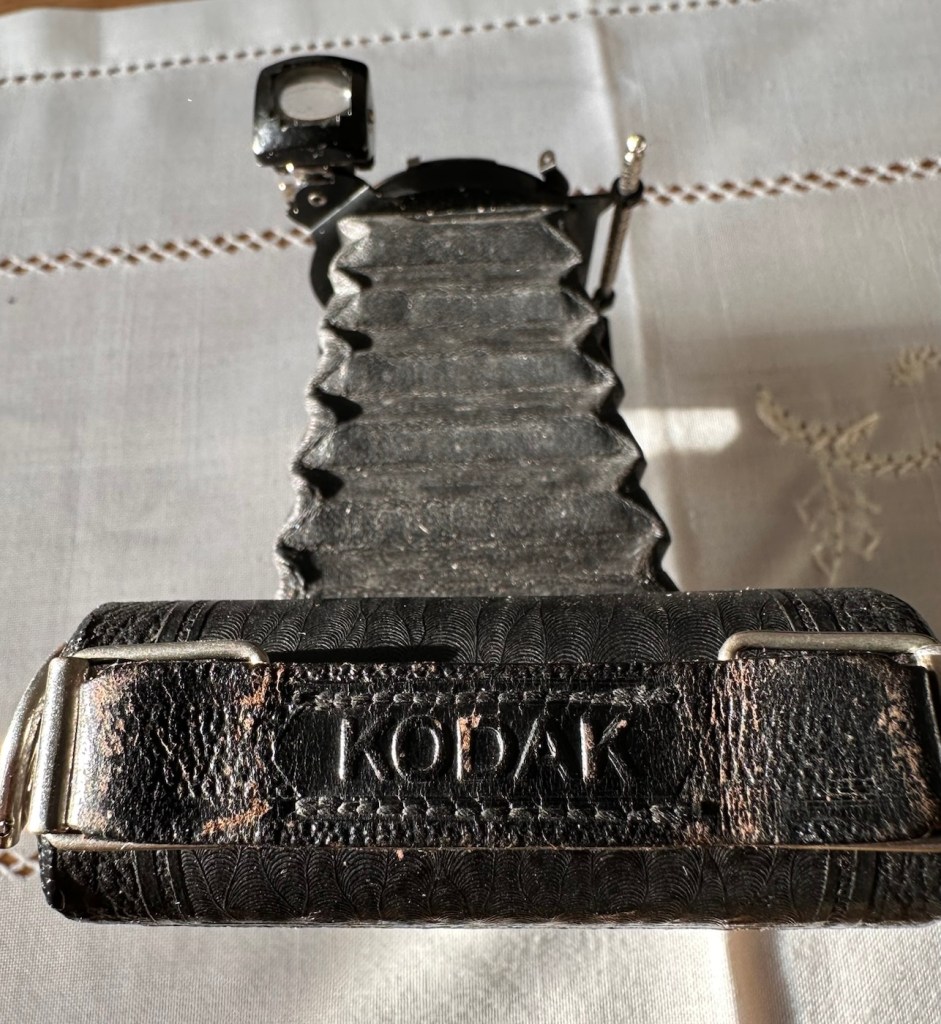
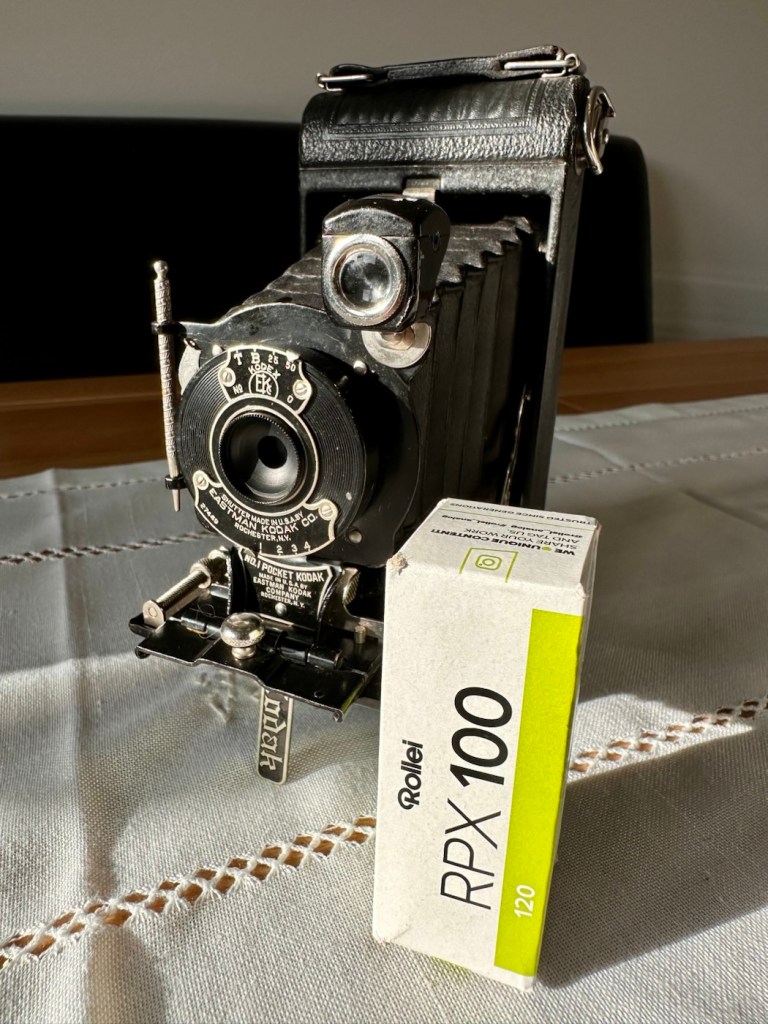
I have a roll of 120 film that will be shortly used to test it out. It’s been an absolute pleasure to work on such an old camera, and just to appreciate the skill and dedication that went into making such a beautiful hand made work of art. I am proud to own such an item and I’m hoping it will still be used for many years to come.
This is now a very important part of my personal collection, and I hope it will still be around a good time after I have taken my last breath.
Low cost, high personal value and an historic photographic legacy that I hope to pass on.
Thank you all for passing by, it’s always very much appreciated. I will post the pictures taken with this roll shortly.


That brings back so many memories! Not only did I have one, I had several and many variations on the theme. Plus most of them needed a good cleaning when I acquired them, that being on the nature of 50 years ago.
A bittersweet post for me, as it reminds me of what I’ve lost.
LikeLiked by 1 person
Sorry to hear that Marc, but pleased it brought back some memories, even if they were bittersweet. If you want one to go your way I’m more than happy to get one to you, it would be no trouble at all, it would be my pleasure.
LikeLike
I appreciate the offer, really I do. But I don’t need an old folder anymore. I had a lot of fun with film and folders way back when it was the only choice; getting to grips with the past being past is important, I’m told.
The worst hit was losing the little green Kodak Petite 127 folder in the fire; it was my first camera, and my dad’s first camera before that. Nothing can replace it, as I’m sure you can appreciate.
LikeLiked by 1 person
Fully understand, the offer was there if you wanted it, just me wanting to help out if I could. Take care.
LikeLike