Anyone remember these? To say they were popular in my younger years is an understatement. Originally I had the Walkman (A cassette tape version) and I came to the Compact disc quite late in the 1990’s to be honest. Lately I’ve been looking at getting a Discman as I do still have an amount of discs at home and I like to listen to my old music whilst walking the dog. Yep I have my phone and Spotify so I guess I have access to pretty much everything there is out there but I just fancy trying a bit of retro and stepping back into my formative years.
Why not buy one that needs attention? I can kill two birds with one stone, get a repair on this site hopefully and the jobs a good one.
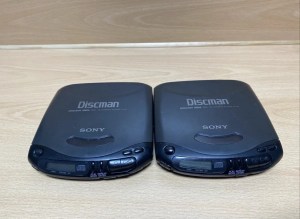
So off to EBay I trot and find this Sony Discman D121 that the seller agrees to sell to me for my offer of £10 GBP.
Sony Discman D121Sony Discman D121
I expect age related issues, as this particular model was produced sometime in the mid to late 90s. This one has an issue where the disc isn’t recognised and is intermittent. This range has a few known issues and to be honest I don’t think I will have too much trouble in getting this one going again (Famous last words 🤦♂️)
I’m expecting its arrival sometime in the coming week so I’ll come back to this post when it’s in my possession for an update on its condition.
Update: 9/3/24 23:11 – For some reason I’ve now purchased a damaged Discman D171 as well🤦♂️ I’m a glutton for punishment.
Sony Discman D171
Further update: 11/3/24 22:30 – Stop 🛑 🛑 just 🛑 😳
For some reason I’ve just brought another 2 faulty Discman. This time the D-141, two of them. That’s it I’ve got to stop now 😂 really I have to stop 🛑
For many this is old news and pretty much everyone involved in electronics is aware of this problem that swept through the industry in the mid to late 2000s. Chances are you may have such a unit in your home that has either luckily survived the issue to still be working, or may well be not working and assigned to that part of the house (Normally the loft) where it left until the day you move premises and visit the local tip.
Those of us that number a great many who like to tinker and repair old machines and equipment from this era are still seeing the back end of this issue to this day, its fairly easy to deal with and those that especially work with old computer motherboards and graphics card notice issues the most, its an interesting back story and ill try to cover it as best as i can in this post.
What is a capacitor?
A capacitor is a device that stores electrical energy by accumulating electrical charges on two closely spaced surfaces that are insulated from each other. It is like a little battery but thats where the similarities end, as a capacitor distributes energy in short bursts rather than a battery that is distributing power linearly. Originally known as the condenser, the capacitor is used within a circuit to add capacitance to that circuit.
Capacitance is the ability of a component to store an electrical charge – (Simple version)
What was the issue?
The issue was with Electrolytic capacitors produced between 1999 and 2007
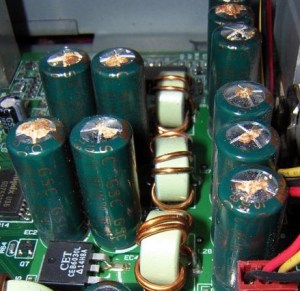
The origins of the issue was with the use of water based electrolytes developed during the late 90s. These capacitors using this type of electrolyte were found to be exceptional components when used in power supply circuits. The problem was that the water based caps produced aluminium oxide when reacting with the capacitor “Can” and that reaction was Hydrogen. The Hydrogen built up until the stamped vent on the top broke. Resulting in a failure within the circuit.
It was only in the mid 2000s when the plague really set in, some of these capacitors would have had hundreds of thousands of hours of use and even though they would have passed initial testing protocols they were doomed to fail, and that just so happened to be in the mid 2000s.
The Blame game
It was around this time with exceptional failure rates on certain items and claims being raised against major players in the electronics industry that deeper investigation took place.
Findings
The cause of the failures was due to a mis-copied formula, in 2001 a scientist working for a major corporation that made these type of capacitors stole a mis-copied formula for the capacitors electrolytes. He then took this faulty formula to another company. That same year the scientists staff where he previously was employed left that company, again with the stolen formula and started their own company in Taiwan producing immense amounts of faulty capacitor electrolytes.
No one was ever really brought to justice for the failures, no one company ever really came clean over the issue, the tech companies tended to absorb the cost of repairs and the end result was probably that the consumer paid in the long run…nothing changes there then!
When this started to occur, many individuals in the industry jumped on the band wagon to repair these items, many selling capacitor kits for certain brands to allow those who were willing, to make their own repairs.
Today the issue still occurs but it is not so prevalent, older circuitry does still throw up some classic blown capacitors and these are fairly simple to replace, some smell quite fishy as well, so sometimes a good sniff of a circuit board can alert you to a blown capacitor…very strange!
The radio has been received see here: Not just Dead….Fully dead and if I can’t get it going, I have at least brought a very tidy storage box.
What surprised me when first opening up this radio was the immense amount of boards and circuitry inside, I must admit I took a gulp at this and questioned my reasoning for purchasing the item. However it’s all a learning curve and I have to start somewhere, gone are the days of simple circuits on traditional radios (with big components).
Roberts blutune circuitry Roberts blutune power boardRoberts blutune circuitry
I arrived home from work and sat myself down in the conservatory surrounded by test devices for about 4 hrs until I totally overloaded my self with information, creating more questions than answers, i decided to give up for the day and further research the potential faults for this unit via other sources.
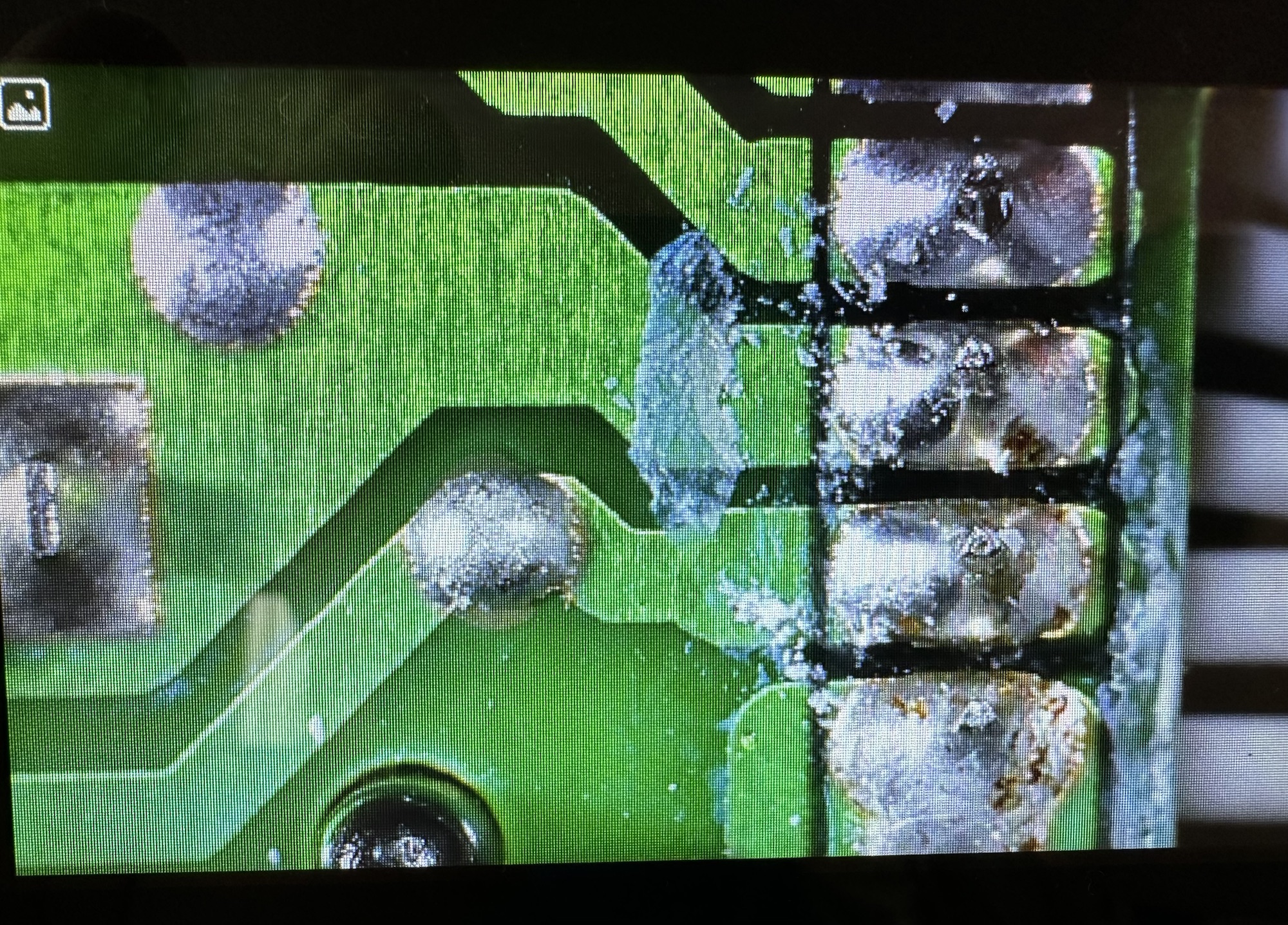
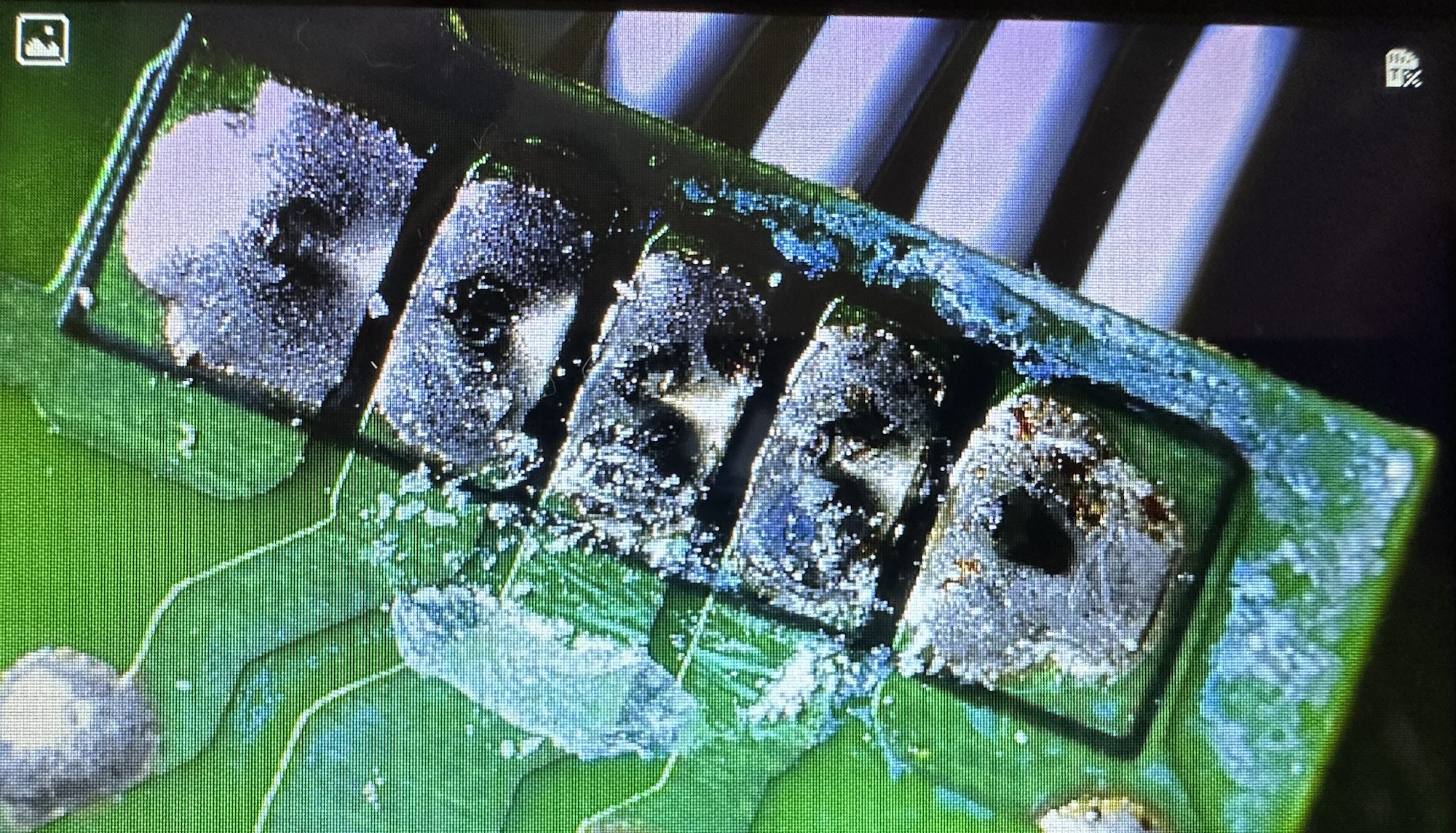
To me the power board seems fine, power is going where it should, there appears to be no short circuits or component damage however in places there does seem to be some signs of leakage so I may have some components that need replacing or maybe it’s just remnants of flux and stuff left behind after initial construction.
Blutune board under microscope Blutune board under microscope
None of this can be seen by the naked eye but it becomes apparent after being placed under my new toy an Andonstar microscope viewer. It’s at the entry end of the range but it is already becoming a game changer for me, due to my failing eyesight.
Andonstar AD106S
Copyright Andonstar
Further investigation appears to highlight an inherent issue with this range of radios when they just seem to stop working (probably why Roberts ceased production).
Generally the power board isn’t an issue, it all focuses around the display board where a controller to the screen has failed or the amplifier chip has failed, hooray I say! And then I find out both components are about the size of a grain of rice… Boo I say.
I have no experience at all in components this minuscule in size, but if I can’t get to the root cause and eliminate all other possibilities I will give it a go. In the meantime fault finding will go on between other jobs and this will continue to be a job in progress that will be revisited and updated as time goes by.
The plan short term is that I’m going to borrow a thermal camera and check if there are any hotspots under electrical load. You never know I might just find something.
I shall comeback to this project at a later date.
Thanks for passing by. Stay safe, be superb. You’re a star 🌟
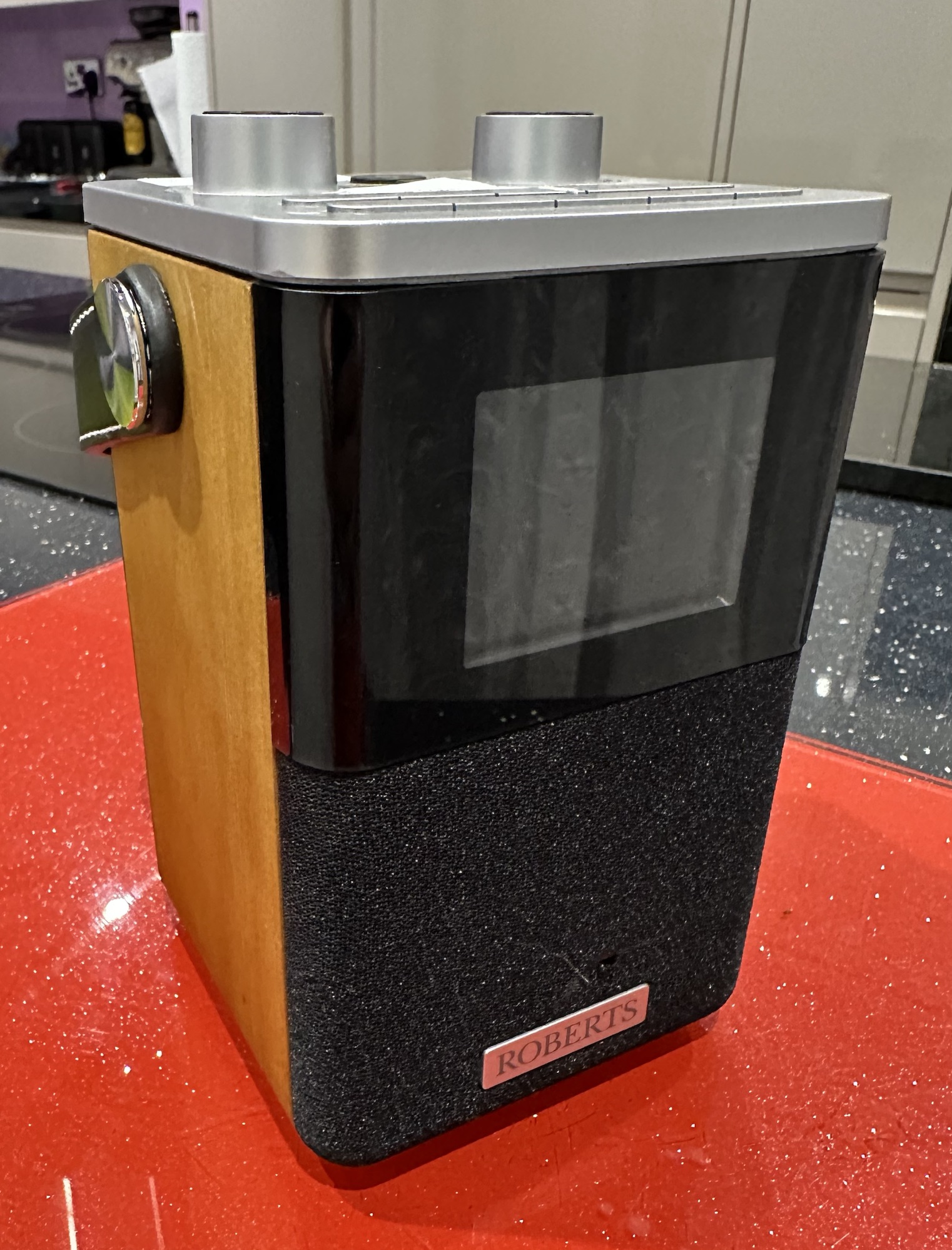
I have just brought this inoperative Roberts Dab Blutune T2 digital radio off of EBay for £8 (GBP). I managed to barter the price down a bit from £12 and I was quite pleased with myself for doing that.
Roberts Blutune T2Roberts Blutune T2
So today I have received the package. A lovely little item cosmetically in good condition with the only external damage being that the speaker cover has a tiny tear in it , and the very tip of the aerial is broken along with the plastic stop that secures it when in the down position….no real issue, all easily dealt with.
The concern is the label on the top of the unit. Fully Dead!
Roberts Blutune T2
So what’s that then? Is there an in between? Some sort of purgatory for audio systems, or is it a way of saying that someone has ensured it will never work again?
Well, I’ll get the back off tomorrow and have a rummage to see what’s in store for me. Maybe my bartering of the price has meant the seller has removed all internal contents so that I now have a nice “Empty box”.
I just love some of these descriptions sellers use, makes me giggle and wonder what was going through their minds when they decided to sell an item that is fully dead.
Maybe there is just different grades of death that I was just not aware of.
Phew, the donor camera arrived costing me the grand total of £3 sterling. It was badly damaged and I was doubtful that it would be any use due to its state.
Donor camera board
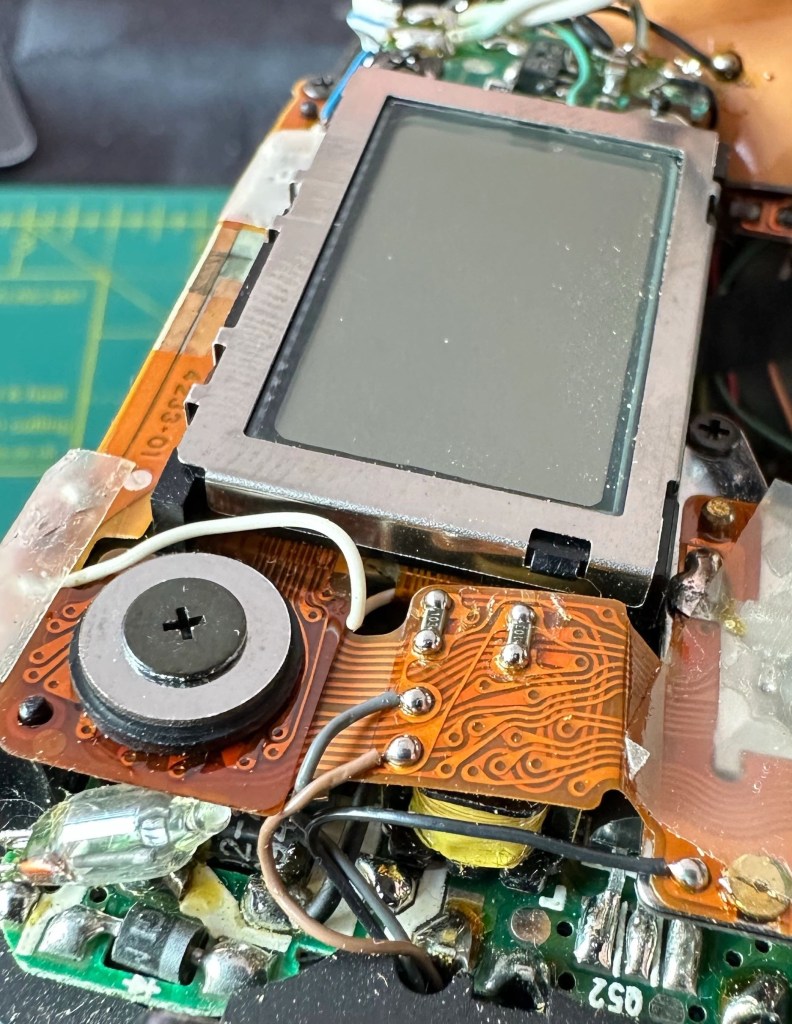
However the pcb area and the lcd screen looked ok and after much cursing and burning of the fingers whilst de soldering and re soldering I put the battery in and there it appeared as if by magic…all clicked and clunked as it should and the battery indicator appeared on the screen.
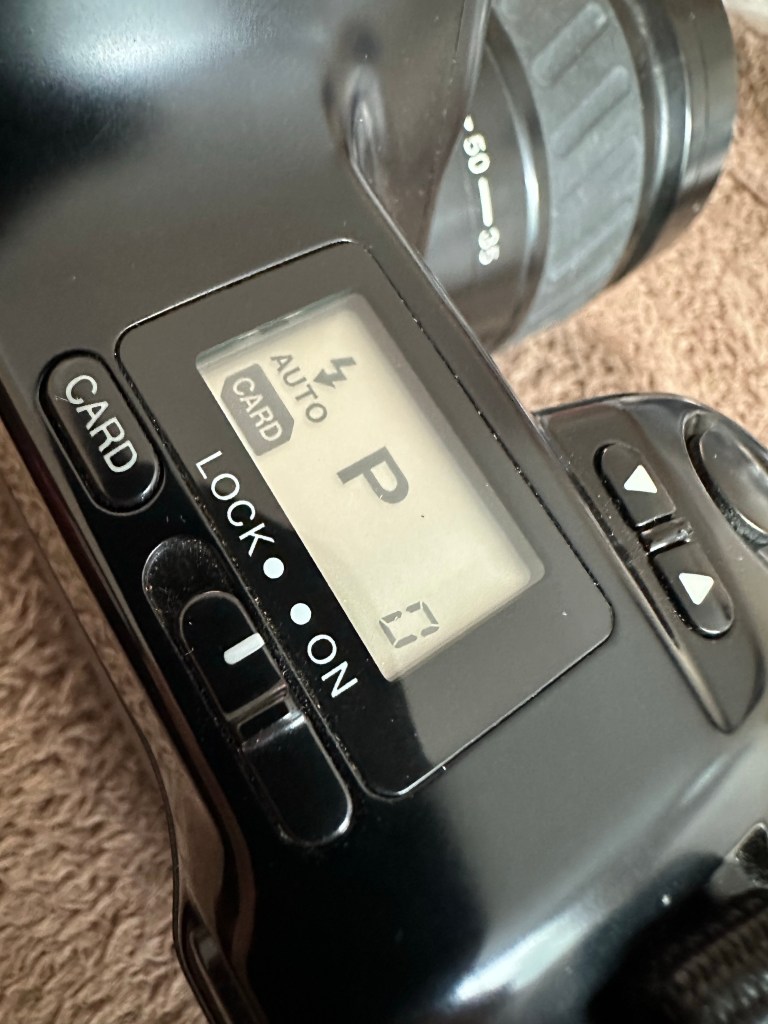
New pcb and screen Repaired Minolta Dynax 5000i
I put the case back together and secured all the buttons to the frame and then connected the lens. Turned it all back on and hey presto all working fine. Focus’s well, flash works as it should, all counters and indicators doing what they should.
I’m happy with this camera now, just going to give it a wipe over and I now have a super little SLR for my collection. Will run a film through it when I get the time.
I can now say this camera is complete and in perfect working order.
Job done👍
(As an aside to this repair, the original owner was so surprised I got it working that he has asked if he can buy it back? That would be rather cheeky of me so I’ve just asked him to refund the cost of the battery and the damaged donor camera. He wants to get back into analogue photography, everyone’s a winner here, and a camera destined for the bin gets a new lease of life.) I’m happy 😃 👍
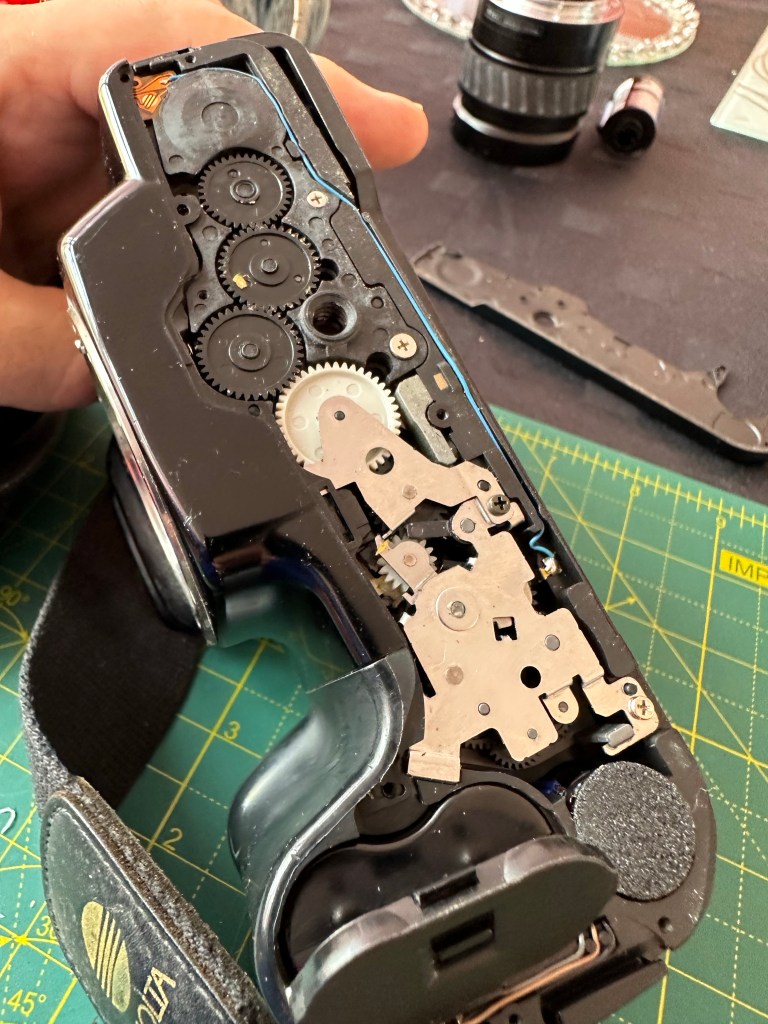
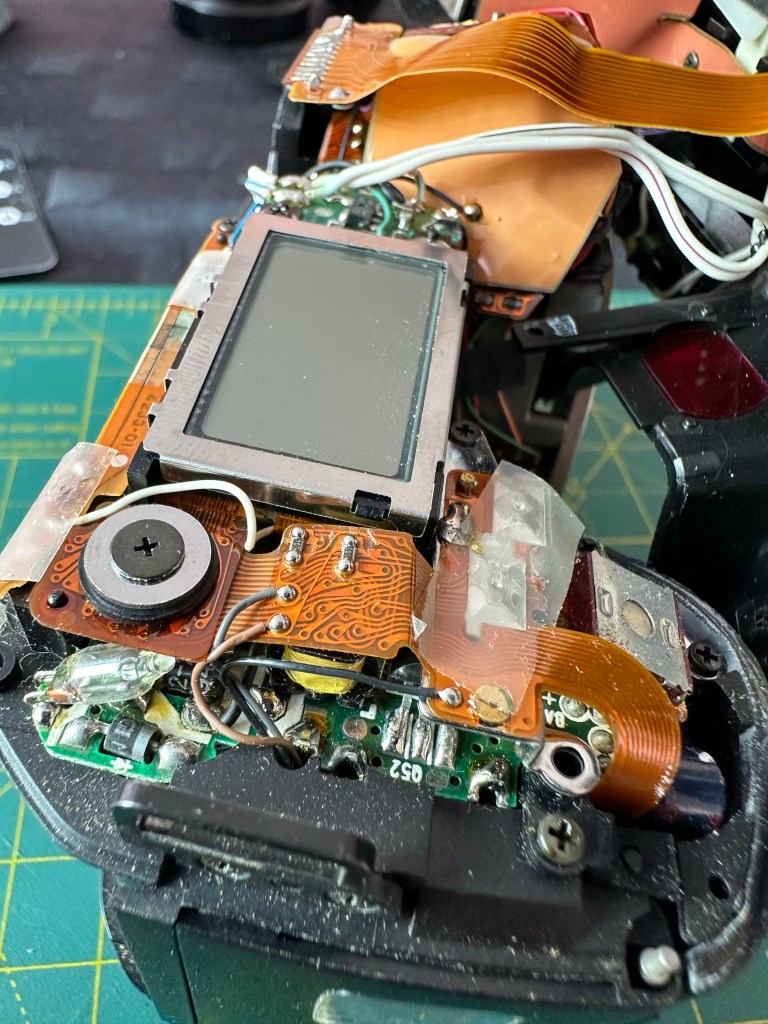
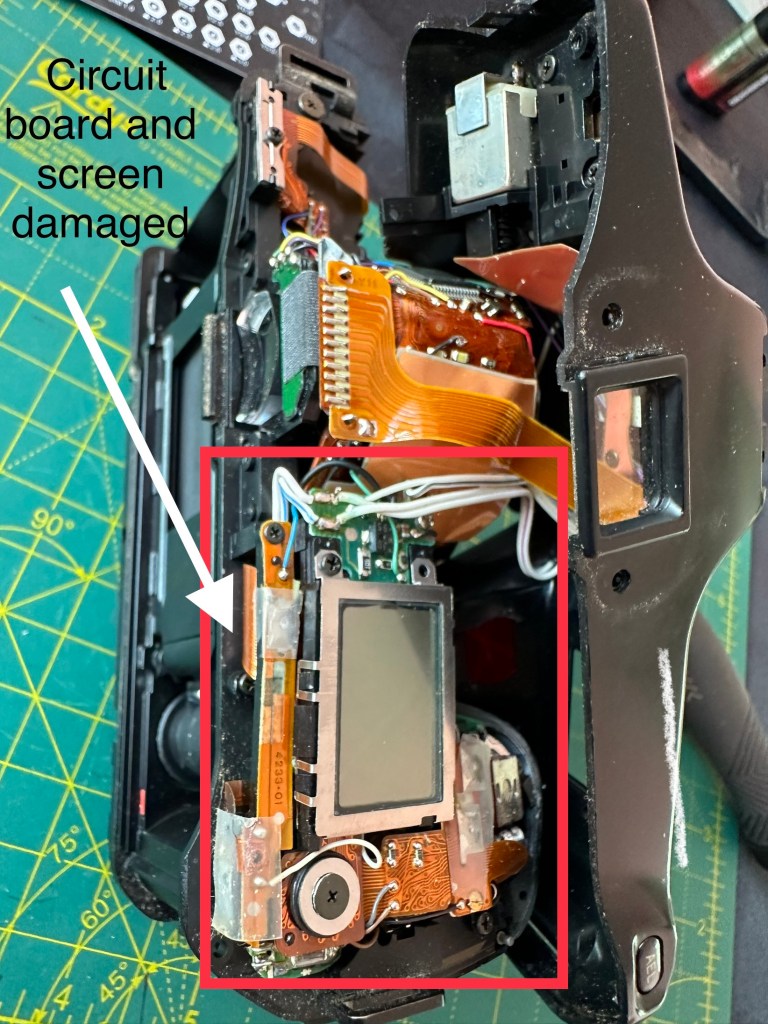
Well that’s annoying. I’ve stripped down the Dynax 5000i and found a terminal diagnosis for the power PCB and display screen.
There is a short circuit, severe corrosion from an old battery as well as the display screen being damaged where some of the fine contacts are destroyed rendering the unit useless at this stage.
Strip downStrip downFaulty board
Ok. I can strip down to individual parts, gain another 150 or so new screws and some parts that I may be able to use or sell on – or I can be a total numpty. I’ve decided to head down the numpty route and purchase a donor camera to repair this one. I’ll still get a load of spare screws following this route.
Faulty board and screen
I’ve purchased a unit, it has cost me next to nothing and fingers crossed I can get one of them working and gain some spare parts for future use. I didn’t really want to pay out more but I take issues like this as a challenge and I’m committed to get this up and running.
My wife calls me gullible, what would she know bless her 😂
I’ll let you know exactly what arrives when the postman pays a visit.
If you remember back a couple of weeks I had this camera given to me by a family member. Not used in about 20 yrs still had a film in it as far as they were aware there were no issues with it.
I beg to differ…..
In lay man’s terms I think the term that should have been used is that it’s knackered (not working, kaputt a non existent camera)
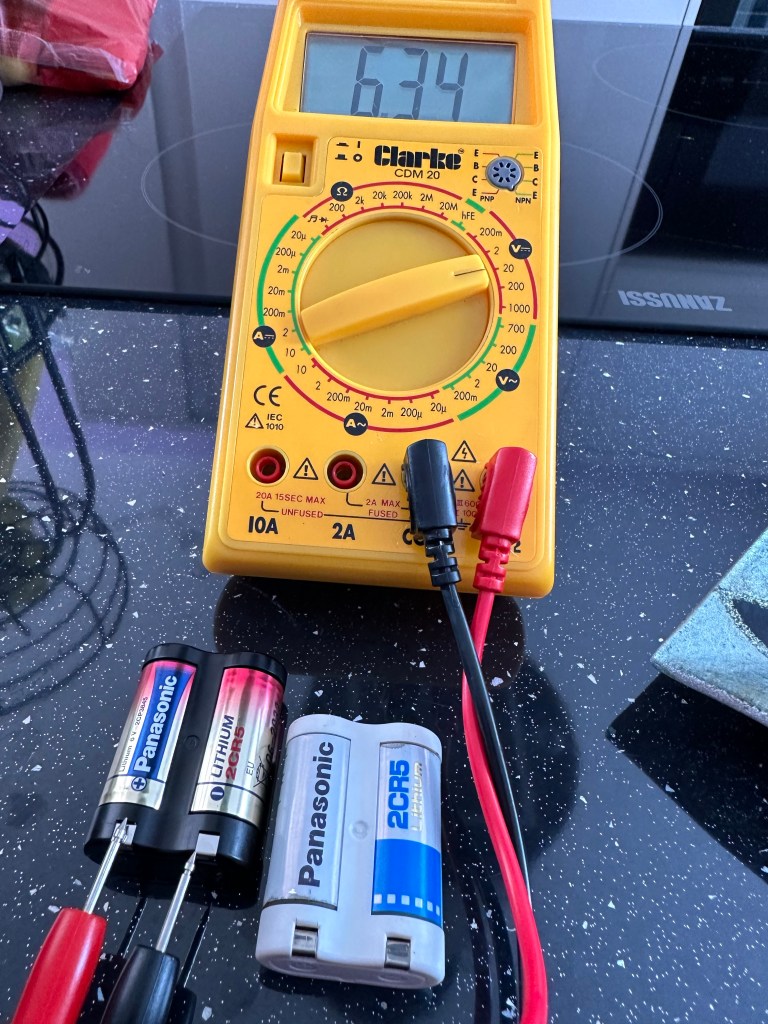
Battery deadBattery very much aliveTesting old and new batteries
I purchased a new 2CR5 6v Lithium battery from a well known supplier named after a rain forest. Motor buzzed, but no display or any other operation was available, first thought was to test the battery was not a dud, using the multimeter I proved this was not the case compared to the old battery.
So. What to do?
General census of opinion is to ditch this as mass produced tat and get another one on eBay for a couple of quid, the electronics are a known issue for many models of cameras from the 80s.
However, this site is not about just dump and run, I’m going to dig in and look to see if I can remedy the problem. I like a good electronic problem and hopefully I can sort this. If not, I’ll recycle the parts I’m definitely not throwing it away.
It’s a learning opportunity, and knowledge is king.
Thanks for passing by. You know it’s always appreciated 👍
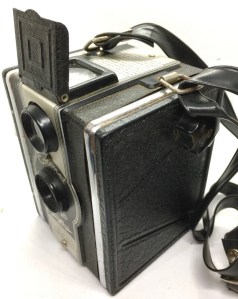
I’ve managed to obtain another old box type Pseudo TLR camera at a reasonable price in a very good condition, well, at least the pictures seem to indicate this, I’ll just have to wait until it’s in my hands to know for sure.
Here is some history on this camera, I will cite the reference at the end:
Introduced in 1950
Pseudo TLR
One speed rotary shutter +B
Use both 620 and 120 roll films
Flash sync
Built-in green filter
Body: metal
Coronet Box Cameras are medium format 120 & 620 film cameras made by Coronet in England.
Coronet was a British camera maker based in Birmingham. The company was formed in 1926 by F.W.Pettifer. It manufactured a variety of cheap box and folding cameras until 1967. After the war it worked together with the French company Tiranty to avoid French import restrictions. Several Coronet camera models were made in France, some with Boyer lenses, and some with instruction imprints in French. Coronet also had their own brands of film, including Corochrome.
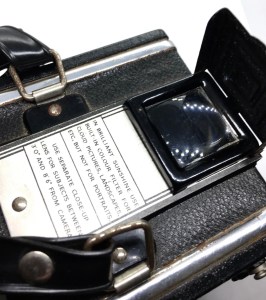
The F-20 Coro-Flash by Coronet is a simple camera for 6×6 cm exposures, but one which offers a few twists on the usual box camera. First, its centered viewfinder window and (small) folding hood give it a certain faux-TLR styling. Secondly, it was designed (and proudly labeled) to accept either 120 or 620 film sizes. Finally, it offers flash sync, for example when using its namesake Coro Flash flashgun.
This camera was in such a good condition that no maintenance was required. In fact it went straight onto eBay and sold within 7 days. Was a lovey little camera and commanded a good resale price.
Nikon Coolpix L27Nikon Coolpix L27Nikon Coolpix L27 caseHow the camera looked on arrival
The problem with this camera is that it had a focus issue and currently it is dead electrically. Quite looking forward to getting into this one as it maybe quite a simple fix. That said, it could be that the whole internal circuit needs replacing which will mean the camera could then be added to my ever growing spare parts collection.
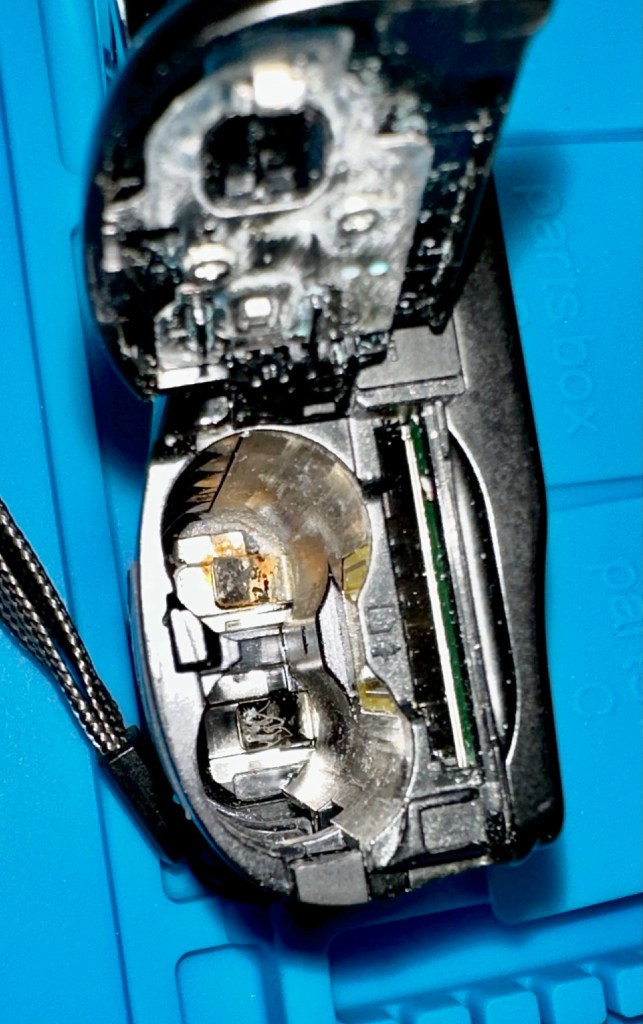
On receipt this camera cosmetically is in excellent condition. Even the normally broken battery door catches are in fine condition on this model. The unit is very dead though and it looks as if a battery has leaked inside causing some corrosion. I suspect some of that leakage may have travelled a little further as it seems the wide/telephoto switch on top feels a little rough when it should be a smoother movement. I’m going to have to get inside this one and have a look around.
Battery leakage evident
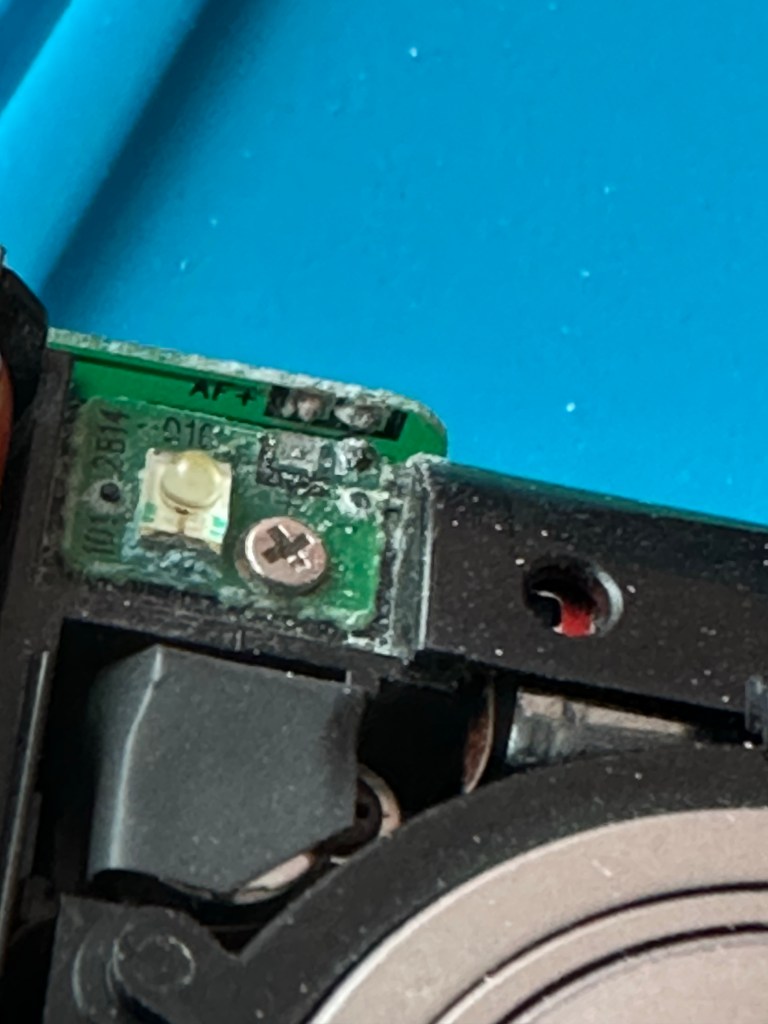
I’m afraid it’s disappointment with this unit. The battery leakage is so severe it has pretty much dissolved a number of components, ruined the board tracking in a number of places and corroded the wide/telephoto switch beyond use. The trusty multimeter confirms that the main circuit board is about as much use as a chocolate fire poker – useless. I’m afraid this unit is resigned to use as a spares donor for another day.
Severe corrosion from batteries evident
As you can see above, the batteries have been allowed to leak causing a catastrophic amount of damage to the circuitry. I have cleaned tested used a specific cleaning solution and scrubbed the circuit to no avail. My friendly multimeter has confirmed the circuit is beyond economical repair.
Wide/Telephoto switch totally corroded
I have stated in earlier posts that there needs to be a greater awareness of the frailties of cheap batteries. There is a particular brand I know of that has adopted the name of a large photographic company I used to work for, and to be blunt their batteries are utter crap. They start to leak very soon after their demise and the acid/alkaline leaks everywhere, they should be avoided at all costs and I very much suspect this specific case is due to such advice being ignored. High use items such as cameras require an adequate battery, please do not cut corners here as it is a false expenditure.
Damage caused by corrosive substances
The saving grace from this unit is that I have a few items that will be put to use at a later date. The body shell with its intact battery locking mechanism will probably earn me more than the whole camera cost originally and that will still leave me more as spare parts. It’s just a shame that cost cutting on the power supply has damaged so much of this unit. I cannot impress on you enough, do not use cheap batteries, you will potentially pay the price of permanent damage if you do.
I have had to seriously clean and decontaminate my work board due to the immense amount of contamination that came from this unit, I’m glad I wore protective gloves whilst attempting to clean this unit.
What I have managed to salvage
I have salvaged a complete body shell with working battery locking door, a lens focusing unit, a rear screen and holder, a number of screws, a flash unit cover and a 330v 100uf photo flash capacitor. As well as a nice leather case.
Unfortunately not every unit is salvageable, however we have parts to assure the next unit may not go to waste. A healthy spares store is always welcome and all I can say is…. Onwards and upwards, bring forward the next repair.
So most of my adult life I have convinced myself that despite having a hatful of interests there was nothing that I was particularly any good at. It’s strange really how you always knock yourself back if you don’t have that much confidence. In truth it really is quite the opposite. I started out in Photography way back in the days before digital when you had to get your hands wet to produce results, for me the old Silver halide era of photography cannot be matched or equalled and personally I think anyone can be a photographer these days, however give them developing tanks, print dryers developers and fixers an enlarger and then ask them to dodge and burn prints and then retouch them and the result might be slightly different. I remember days when I used to photograph weddings and shoot maybe 6-8 rolls of film, a friend of mine in the digital arena shoots maybe 2-3000 exposures per outing! Wow, she will never experience the fear of having a blank film post processing.
On top of this I’ve had an interest in electronics from an early age, I used to visit jumble sales as a kid, buy old radios and repair them and sell them on to get some pocket money. I obtained a city and guilds in electronics back in 2000 as well as an “A” class Radio Amateur qualification (M0ESB) so yes I’m a Radio amateur as well. I could have ventured into a job role utilising this however I preferred to maintain it as a hobby as I didn’t want to fall out of love with electronics.
I also enjoy arty stuff, I love painting both pictures and stuff, tarting stuff up – you know what I mean. I have recently had lessons in the Bob Ross method of painting with a local tutor and I really enjoy this. I’ve always enjoyed making models and painting them and I like building small dioramas as well so I can be quite crafty when I put my mind to it.
So to return to the start when I was searching for my worth as such, I have decided to combine a number of these hobby/experiences and I will be purchasing old unloved equipment, making it good “Tarting it up” and hopefully moving it on either for decorative purposes, for use as props or even returning it to its original purpose.
The site is new and I’ve kind of jumped the gun by getting this up and running before I have any projects on the go or even stock to use in those projects. Hey ho, that’s the way I roll is anyone else as ass about face at doing things as I am?
Hopefully I can record my progress through this site that is a new venture for me as of Feb 2023.
Maybe you as a visitor will follow my journey, maybe you will pass on through, however please feel free to feedback any constructive advice as we can all learn from that.




















 Foxes Den
You must be logged in to post a comment.